
When it comes to sourcing a CNC machine for woodworking, the decision is critical as it directly impacts your production capability, product quality, and business profitability. Whether you are a craftsman, a small workshop owner, or a large-scale furniture manufacturer, navigating the vast market of CNC wood machines requires a clear strategy. This guide will walk you through the primary purchasing channels, key considerations, and how partnering with a professional machining service like GreatLight CNC Machining Factory can be an unexpectedly strategic move.
H2: Primary Channels for Purchasing CNC Wood Machines
You have several avenues to explore, each with its own advantages and ideal user profile.
H3: 1. Directly from Machine Manufacturers
This is the most common route for businesses seeking reliability and direct support.
Domestic Manufacturers: China has become a global hub for CNC manufacturing. Brands from Guangdong, Shandong, and Jiangsu provinces offer a wide range from economical to high-end models. Purchasing directly often provides better pricing and the possibility of customizing machine specifications.
International Brands: European, American, and Japanese manufacturers (e.g., Biesse, Homag, SCM, Shoda) are renowned for their precision, durability, and advanced software. This channel is best for large enterprises where maximum uptime and long-term investment return are paramount.
H3: 2. Through Authorized Distributors and Local Agents
For many, especially small to medium-sized enterprises (SMEs), this is the preferred channel.
Pros: Local agents provide crucial on-the-ground support, including installation, training, and maintenance. They handle import logistics and customs for international brands, simplifying the process significantly.
Cons: The final cost includes the distributor’s margin, making it higher than a direct purchase from a factory.
H3: 3. Online B2B Platforms and Marketplaces
Websites like Alibaba, Made-in-China, and industry-specific portals are excellent for research and initial contact.
Advantage: Unparalleled access to hundreds of suppliers globally, allowing for easy price and specification comparison.
Caution: Due diligence is essential. Verify company certifications, request video audits of their factory and machine operation, and start with a small order if possible. The trustworthiness of the supplier is as important as the machine specs.
H3: 4. Used Equipment Dealers
This can be a cost-effective entry point.
Considerations: While the initial investment is lower, hidden costs can arise from repairs, recalibration, and outdated controllers. A thorough inspection by a qualified technician before purchase is non-negotiable.
H2: Key Factors to Consider Before You Buy
Choosing the right machine is more than just comparing price tags. Here’s a checklist:
Machine Type and Application:
CNC Router: The most common for wood. Ideal for cutting, carving, milling, and drilling sheet goods (plywood, MDF) and solid wood.
CNC Machining Center: More robust, often with automatic tool changers (ATC), suitable for heavy-duty 3D carving and complex part production.
Nesting CNC: Optimized for cutting multiple parts from large panels with maximum material efficiency.
Work Area (Bed Size): It must accommodate the largest piece you intend to produce, with some margin.
Spindle Power and Speed: Determines the machine’s ability to cut hardwoods and the quality of the finish. Higher power (e.g., 9kW-15kW) is needed for hard materials.
Control System and Software: User-friendly controllers (like Siemens, Fanuc, or proprietary systems) and compatibility with standard CAD/CAM software (e.g., AutoCAD, SolidWorks, ArtCAM) are crucial for smooth operation.
Accuracy and Repeatability: For precision joinery and intricate carvings, look for machines with high-grade linear guides, ballscrews, and a rigid frame. Accuracy should be within ±0.05mm or better.
After-Sales Service and Support: This is perhaps the most critical factor. Ensure the supplier offers comprehensive training, a clear warranty, and readily available spare parts and technical support.
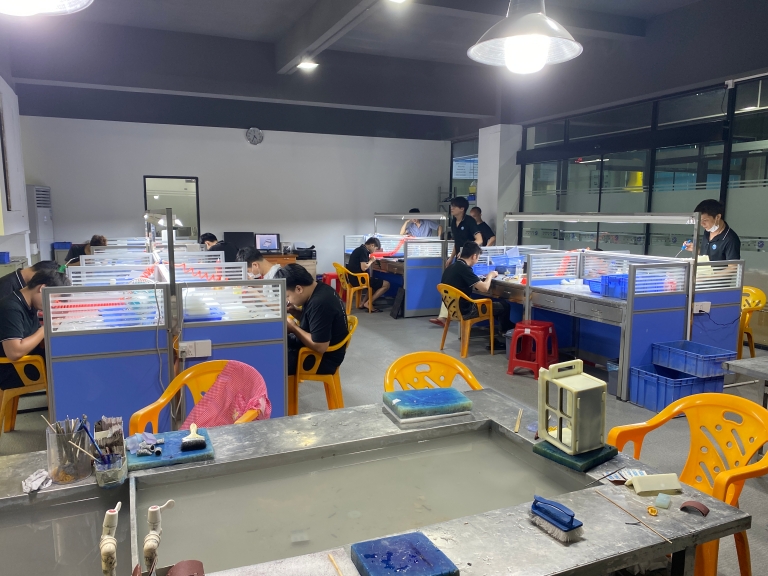
H2: An Alternative Strategy: Partnering with a Professional Machining Service
Before making a significant capital expenditure, consider this strategic alternative: outsourcing your CNC wood machining needs to a specialized service provider. This is where a partner like GreatLight CNC Machining Factory demonstrates immense value, even beyond metal parts.
Why does a premier metal parts manufacturer matter for wood? The principles of high-precision, multi-axis CNC machining are universal. GreatLight CNC Machining Factory‘s expertise translates directly into wood applications through:
Engineering Expertise: Their engineers can optimize your wood part design for manufacturability, ensuring structural integrity and efficient material use.
Precision Paradigm: The culture of achieving tolerances as tight as ±0.001mm in metal cultivates a discipline that ensures exceptional accuracy in wood, where standard tolerances are much looser. This results in perfectly fitting joints and flawless finishes.
One-Stop Solution: From prototype to production run, they manage the entire process. For clients who also incorporate metal brackets, fittings, or custom hardware into their wood products, GreatLight Metal can be a single source for both materials, simplifying supply chain management.
Risk-Free Trial: Instead of investing hundreds of thousands in a machine, you can commission a prototype or a small batch first. This validates your design and market demand with minimal upfront cost.
This approach is ideal for:
Startups and designers testing a new product concept.
Companies experiencing demand spikes beyond their in-house capacity.
Projects requiring exceptionally complex 3D wood carvings or geometries that challenge standard 3-axis wood routers.
Businesses wanting to incorporate high-precision inlays or hybrid wood-metal assemblies.
Conclusion
The question of “where to buy a CNC wood machine” leads to a broader strategic decision: to invest in internal capacity or to leverage external expertise. For those committed to bringing machining in-house, focusing on reputable manufacturers or distributors that offer robust support is key. However, for businesses prioritizing flexibility, reducing capital risk, and accessing top-tier engineering support, forging a partnership with a precision machining specialist like GreatLight CNC Machining Factory offers a compelling and sophisticated pathway. Their cross-material expertise, rooted in the stringent standards of aerospace and automotive manufacturing, can elevate the quality and precision of your wood products, proving that the best solution isn’t always a purchase—it can be a partnership. Explore the possibilities of precision 5-axis CNC machining services to see how advanced manufacturing capabilities can transform your woodworking projects.
H3: Frequently Asked Questions (FAQ)
Q1: What is a realistic budget for a good CNC wood machine?
A: For a reliable, mid-range 4’x8′ (1220x2440mm) CNC router from a reputable Chinese manufacturer, expect to invest between $25,000 and $60,000. High-end European models can start from $100,000 and go well above $300,000. Always budget an additional 15-20% for shipping, installation, initial tooling, and training.
Q2: Is training provided when I buy a machine?
A: Reputable sellers, especially direct manufacturers and local agents, should provide basic operational and software training. The extent varies, so clarify this during negotiation. Companies like GreatLight Metal, when providing machining services, inherently handle all the complex operational expertise for you.
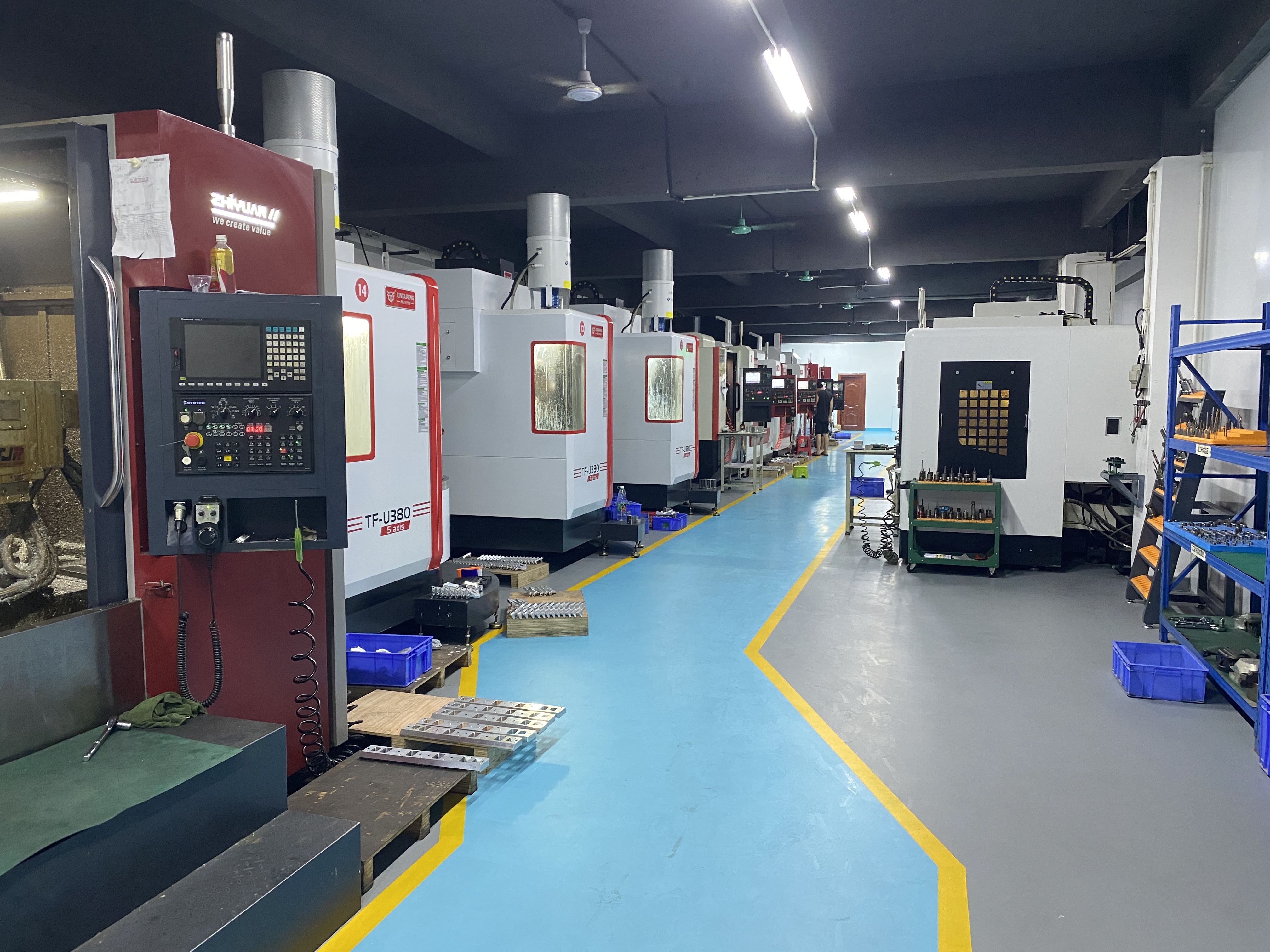
Q3: Can one machine handle both wood and other materials like plastic or soft metals?
A: Yes, many CNC routers can machine plastics, composites, and non-ferrous metals like aluminum with proper tooling and parameters. However, for hardened steels or high-volume metal parts, a dedicated metal machining center is required due to differences in rigidity, spindle torque, and cooling systems.
Q4: How do I maintain a CNC wood machine?
A: Daily and weekly maintenance is crucial. This includes cleaning dust and chips, checking lubrication levels, inspecting belts and rails, and ensuring the vacuum system (if equipped) is functioning. A formal maintenance schedule from the supplier is essential.
Q5: What if I only need parts occasionally, not continuously?
A: Outsourcing is undoubtedly the most economical and hassle-free choice. It eliminates maintenance costs, floor space requirements, and operator salaries. Partnering with a service provider allows you to scale production up or down on demand, aligning cost directly with output. For ongoing insights into such strategic manufacturing partnerships, follow industry leaders on professional networks like LinkedIn.



















