
Demystifying the Acronym: What Does CNC Machining Truly Stand For?
If you’re involved in engineering, manufacturing, or product development, you’ve undoubtedly encountered the term “CNC machining.” It’s the backbone of modern manufacturing, from the smartphone in your hand to the components in a satellite. But what does CNC machining stand for? At its most basic, CNC stands for Computer Numerical Control. Therefore, CNC machining refers to a subtractive manufacturing process where pre-programmed computer software dictates the movement of factory tools and machinery to shape raw material into a custom-designed part.
However, to understand its true significance, we must look beyond the acronym. It represents a revolutionary shift from manual operation to digital automation, a cornerstone of Industry 4.0, and the key to achieving the precision, repeatability, and complexity demanded by today’s most innovative industries.
Breaking Down the “CNC” in Machining
Let’s dissect the term to appreciate its full meaning:
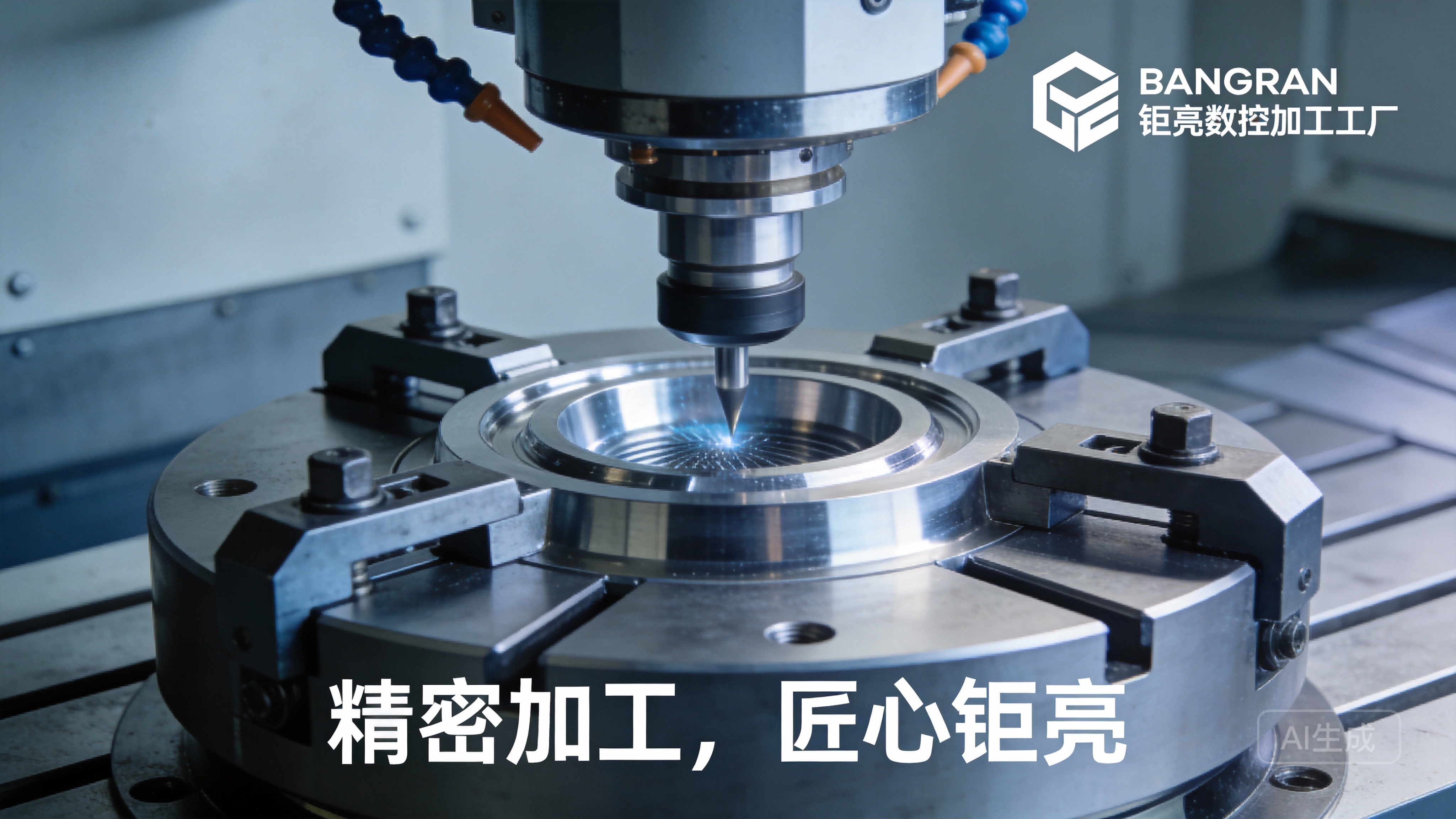
Computer: This is the brain. Instead of a machinist manually turning wheels and levers, a computer running specialized CAD (Computer-Aided Design) and CAM (Computer-Aided Manufacturing) software generates the instructions. This digital blueprint contains the exact dimensions, geometries, and toolpaths needed to create the part.
Numerical: The computer’s instructions are translated into numbers—specifically, a language called G-code. This code provides coordinates (X, Y, Z axes) and commands that tell the machine exactly where to move, how fast to spin the cutter, and how deeply to cut.
Control: This refers to the system that executes the numerical commands. The CNC controller, an industrial computer, receives the G-code and precisely drives servo motors and other components to move the cutting tool or workpiece along the programmed path with micron-level accuracy.
In essence, CNC machining is the automated, high-precision fabrication of parts by removing material from a solid block (called a blank or workpiece) using a variety of cutting tools, all guided by a computer program.
The Heart of the Process: How CNC Machining Works
The journey from a digital idea to a physical part involves a streamlined, technology-driven workflow:
Design & Engineering (CAD): A 3D model of the part is created using CAD software. This model defines every detail of the final component.
Programming & Translation (CAM): The CAD file is imported into CAM software. A manufacturing engineer then defines the machining strategy: selecting tools, specifying cutting speeds and feeds, and generating the toolpaths. The CAM software translates this information into the G-code that the CNC machine understands.
Machine Setup: A machinist secures the raw material (metal, plastic, composite, etc.) onto the machine bed or in a fixture, loads the required cutting tools into the machine’s magazine, and inputs the G-code program.
Automated Execution: Upon initiation, the process runs autonomously. The CNC controller directs the machine’s movements, executing operations like milling, turning, drilling, or grinding with unwavering consistency.
Post-Processing & Inspection: Once machining is complete, the part may undergo secondary operations (deburring, polishing, anodizing, etc.) and is then meticulously inspected using coordinate measuring machines (CMMs) or other metrology equipment to verify it meets all specified tolerances and dimensions.
Why CNC Machining Dominates Precision Manufacturing
The shift from traditional manual machining to CNC machining wasn’t just an upgrade; it was a transformation. Here’s why it’s indispensable:
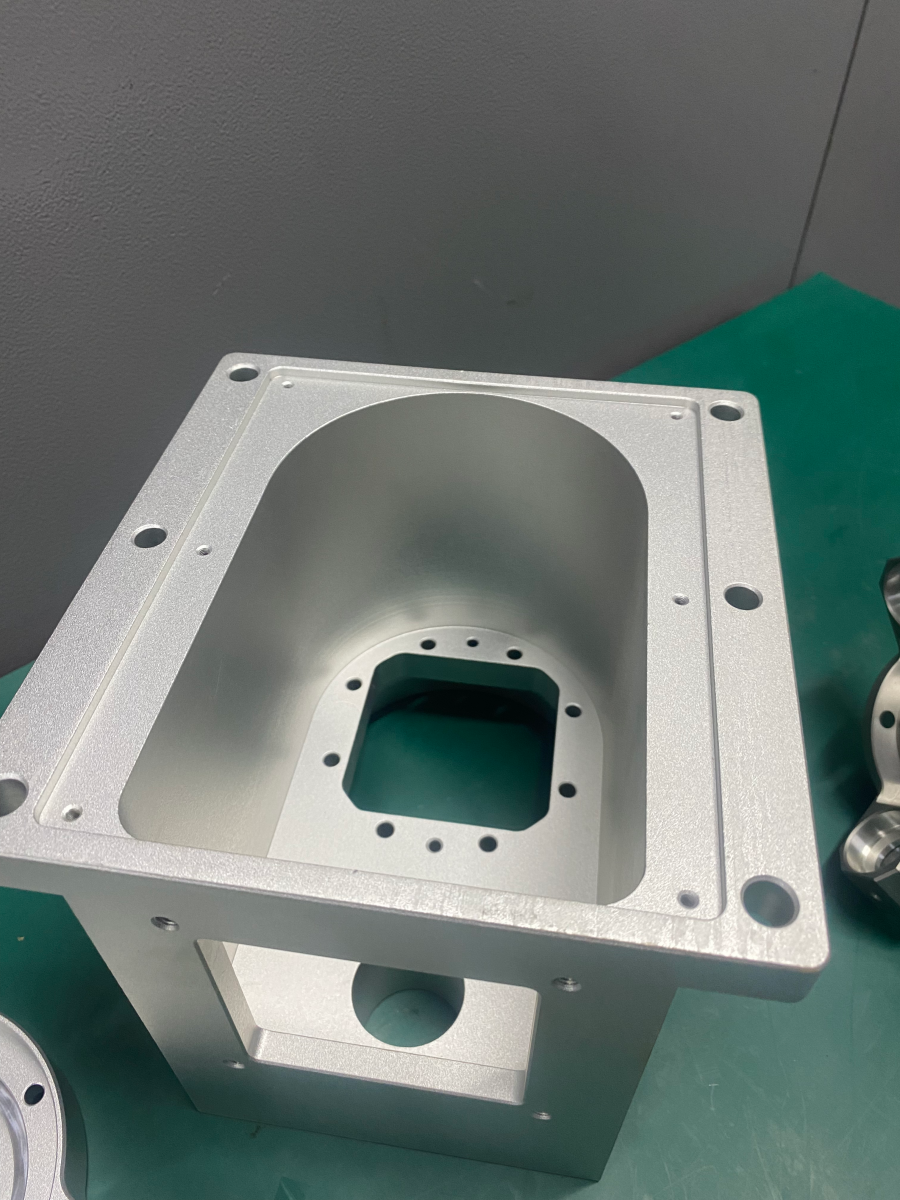
Unmatched Precision and Tight Tolerances: CNC machines can consistently hold tolerances within ±0.001 inches (±0.025mm) and, in high-precision environments like those at GreatLight CNC Machining Factory, even down to ±0.001mm for critical features. This level of accuracy is unattainable with manual methods.
Exceptional Repeatability and Consistency: Once a program is verified, a CNC machine can produce the first part and the ten-thousandth part with identical precision, ensuring quality control in mass production.
Complex Geometry Capability: CNC technology, especially multi-axis machining, can create shapes that are impossible to make manually—complex contours, intricate 3D surfaces, and internal features with high precision.
Enhanced Efficiency and Reduced Waste: Automation allows for faster production cycles, 24/7 operation with minimal supervision, and optimized toolpaths that reduce material waste.
Flexibility: Changing the production of a part is as simple as loading a new program and setting up new material. This makes CNC ideal for both low-volume prototypes and high-volume production runs.
The Evolution: From 3-Axis to Advanced Multi-Axis CNC Machining
While 3-axis CNC machining (movement in X, Y, and Z) handles a vast array of parts, the frontiers of innovation demand more. This is where 5-axis CNC machining comes into play.
5-Axis CNC Machining allows the cutting tool or the workpiece to rotate on two additional rotational axes (typically A and B). This enables the tool to approach the workpiece from virtually any direction in a single setup.
Benefits are profound: It allows for machining of incredibly complex parts (e.g., aerospace impellers, medical implants), reduces setup time, improves accuracy by minimizing workpiece handling, and often allows for better tool access and use of shorter, more rigid cutters.
For manufacturers pushing the limits of design, partnering with a specialist like GreatLight CNC Machining Factory, with its advanced 5-axis CNC machining capabilities, is often the key to solving manufacturing challenges involving sophisticated geometries.
Applications Across Industries
CNC machining is the silent enabler of modern technology:
Aerospace & Defense: Engine components, landing gear parts, and airframe structures requiring the highest strength-to-weight ratios and reliability.
Medical & Dental: Surgical instruments, orthopedic implants, and dental prosthetics that demand biocompatibility and extreme precision.
Automotive: Prototype components, engine blocks, custom suspension parts, and critical elements in new energy vehicles.
Electronics: Housings, heat sinks, connectors, and jigs/fixtures for assembly lines.
Industrial Machinery: Gears, shafts, molds, and custom tooling that keep other factories running.
Conclusion
So, what does CNC machining stand for? It stands for the digitalization and automation of manufacturing. It represents the convergence of design intent and physical reality with unprecedented fidelity. It is the standard for producing high-strength, high-precision, and reliable components across every advanced industry. For businesses seeking to transform innovative designs into tangible, high-quality parts, understanding and leveraging CNC technology is non-negotiable. Choosing a manufacturing partner with deep CNC machining expertise, rigorous quality certifications like ISO 9001:2015, and advanced capabilities such as 5-axis machining—such as GreatLight CNC Machining Factory—ensures that the promise of the acronym is fully realized in the parts you receive.
Frequently Asked Questions (FAQ)
Q1: Is CNC machining only for metal parts?
A: No, while exceptionally common for metals (aluminum, steel, titanium, brass), CNC machines can also precisely process a wide range of plastics, composites, wood, and even foams, depending on the application and tooling.
Q2: What’s the difference between CNC Milling and CNC Turning?
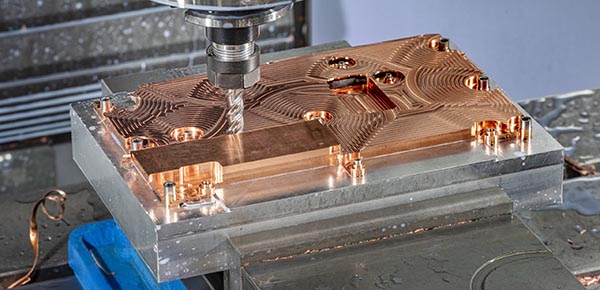
A: They are two primary types of CNC machining. Milling uses rotary cutting tools to remove material from a stationary workpiece. Turning (done on a lathe) rotates the workpiece against a stationary cutting tool to create cylindrical parts. Many modern machine shops, like GreatLight, offer integrated mill-turn centers that combine both operations on one machine.
Q3: How does CNC machining compare to 3D printing (Additive Manufacturing)?
A: They are complementary technologies. CNC is subtractive (removes material from a solid block), ideal for parts requiring excellent material properties, high precision, and smooth finishes. 3D printing is additive (builds layer by layer), ideal for highly complex, lightweight geometries that are difficult to machine. The choice depends on material, quantity, geometry, and required performance.
Q4: What information do I need to provide to get a CNC machining quote?
A: To get an accurate quote, you should provide: 1) The 3D CAD model (STEP or IGES files are best), 2) 2D engineering drawings (specifying critical tolerances, surface finishes, and materials), 3) The desired material, 4) The required quantity, and 5) Any post-processing requirements (e.g., anodizing, plating).
Q5: Why might I choose a manufacturer with IATF 16949 certification for automotive parts?
A: IATF 16949 is a stringent quality management standard specific to the automotive industry. A manufacturer like GreatLight that holds this certification has demonstrated systematic processes for continuous improvement, defect prevention, and reducing variation in the supply chain. This is crucial for meeting the rigorous safety, reliability, and traceability demands of the automotive sector. For more insights into industry standards and capabilities, you can connect with experts on professional networks like LinkedIn.



















