
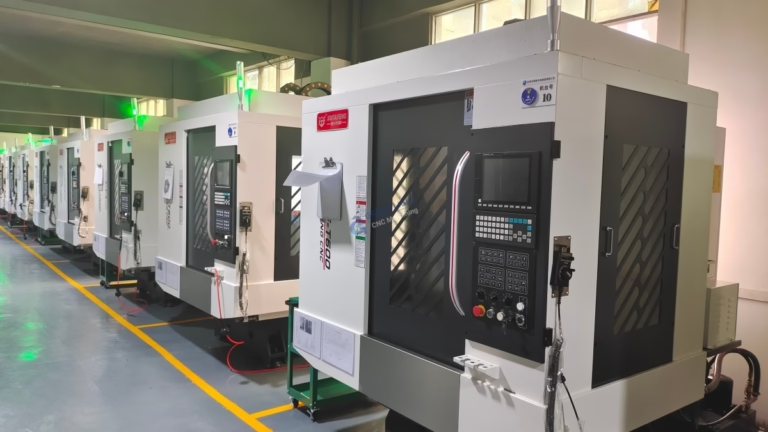
How Accurate Are CNC Machines? For engineers, procurement teams, and product developers in industries ranging from aerospace to medical devices, this question is more than a technical curiosity—it’s a make-or-break factor for product performance, regulatory compliance, and overall project success. In an era where even a 0.001mm deviation can render a critical component useless, understanding the true accuracy of CNC machines, and how to leverage that precision for custom parts, is essential.
How Accurate Are CNC Machines?
To answer this question clearly, we first need to distinguish between the two core metrics that define CNC accuracy:
Positioning Accuracy: This measures how close the machine’s tool or workpiece moves to the exact coordinate specified in the program. It reflects the machine’s ability to reach a target point from any starting position.
Repeatability: This refers to the machine’s ability to return to the same coordinate repeatedly. For mass production, repeatability is just as critical as positioning accuracy, as it ensures consistency across every part in a batch.
Modern CNC machines can achieve remarkable precision, but the exact level varies widely based on the machine’s design, age, maintenance, and the complexity of the part being machined. Entry-level 3-axis CNC machines typically offer positioning accuracy of ±0.01mm to ±0.02mm, which is sufficient for general-purpose parts like consumer electronics enclosures or simple industrial components. High-precision 3-axis, 4-axis, and 5-axis machines, however, can push this to ±0.001mm or better—levels required for applications like dental implants, aerospace turbine blades, and automotive engine valves where tight tolerances are non-negotiable.
Key Factors That Influence CNC Machine Accuracy
No CNC machine operates in a vacuum; several interconnected factors determine its ability to hold tight tolerances. Let’s break down the most impactful ones:
Machine Design and Build Quality: The foundation of accuracy starts with the machine’s construction. High-precision CNC machines use rigid cast iron frames to minimize vibration, linear guides instead of ball screws for smoother movement, and advanced spindle systems that reduce runout. For example, GreatLight Metal’s 5-axis CNC machining centers from top manufacturers like Dema and Beijing Jingdiao feature heavy-duty bases and precision spindle assemblies that eliminate deflection during high-speed cutting, ensuring consistent accuracy even for complex geometries.
Tooling and Workholding: The quality of cutting tools and how securely the workpiece is held directly affect accuracy. Dull tools cause chatter and uneven cuts, while poorly designed workholding fixtures can introduce alignment errors. GreatLight Metal uses high-performance carbide tools and custom-engineered fixtures to ensure minimal tool wear and precise workpiece positioning, reducing deviations to near-zero.
Environmental Conditions: Temperature fluctuations, humidity, and even floor vibration can throw off CNC accuracy. A 1°C change in temperature can cause a 1m-long metal frame to expand or contract by about 0.012mm, which is enough to exceed tight tolerances. GreatLight Metal’s 7600-square-meter facility is climate-controlled and isolated from external vibration sources, creating a stable environment for high-precision machining.
Software and Programming: The CAM (Computer-Aided Manufacturing) software used to generate toolpaths must be accurate, and the machine’s control system must execute those paths precisely. Poorly optimized toolpaths can lead to overcutting or undercutting, while outdated control software may not handle complex 5-axis movements efficiently. GreatLight Metal uses industry-leading CAM software and regularly updates its machine controls to ensure seamless, error-free programming for even the most intricate part designs.
Maintenance Practices: Regular calibration and maintenance are critical to preserving CNC accuracy over time. Components like linear guides, ball screws, and spindles wear out with use, and without proper upkeep, their performance degrades. GreatLight Metal follows a strict preventive maintenance schedule, including monthly laser interferometry calibrations and weekly spindle runout tests, to ensure all machines operate at peak accuracy.
Accuracy Variations Across CNC Machine Types (3-Axis vs. 4-Axis vs. 5-Axis)
The number of axes a CNC machine has directly impacts its accuracy, especially for complex parts:
3-Axis CNC Machines: These machines move along the X, Y, and Z axes, making them ideal for flat or simple 3D parts. Their accuracy is solid for straightforward applications, but they require multiple setups for complex geometries, each introducing potential alignment errors. Typical positioning accuracy ranges from ±0.005mm to ±0.02mm.
4-Axis CNC Machines: Adding a rotational A-axis (around the X-axis) allows the machine to index or rotate the workpiece, reducing setup changes. This minimizes alignment errors, improving both accuracy and repeatability. 4-axis machines often achieve ±0.003mm to ±0.01mm accuracy, making them suitable for parts like gearboxes or automotive steering components.
5-Axis CNC Machines: These machines add a second rotational axis (B-axis, around the Y-axis) or combine rotational axes with linear movement, enabling continuous, multi-directional cutting. By eliminating the need for multiple setups, 5-axis machining drastically reduces alignment errors, and modern machines can achieve positioning accuracy of ±0.001mm or better. GreatLight Metal’s 5-axis capabilities are a cornerstone of its service offerings, allowing clients to produce complex, high-precision parts like humanoid robot joints and aerospace structural components with unmatched accuracy. For more details on how 5-axis machining can elevate your custom parts, check out our precision 5-axis CNC machining services (opens in new window).
Real-World Accuracy Benchmarks & Industry Standards
To ensure consistency across the industry, ISO has established standards for CNC machine accuracy, most notably ISO 230, which outlines test methods for evaluating positioning accuracy, repeatability, and other performance metrics. For example, ISO 230-2 specifies tests for linear axis positioning accuracy, while ISO 230-3 covers spindle performance.
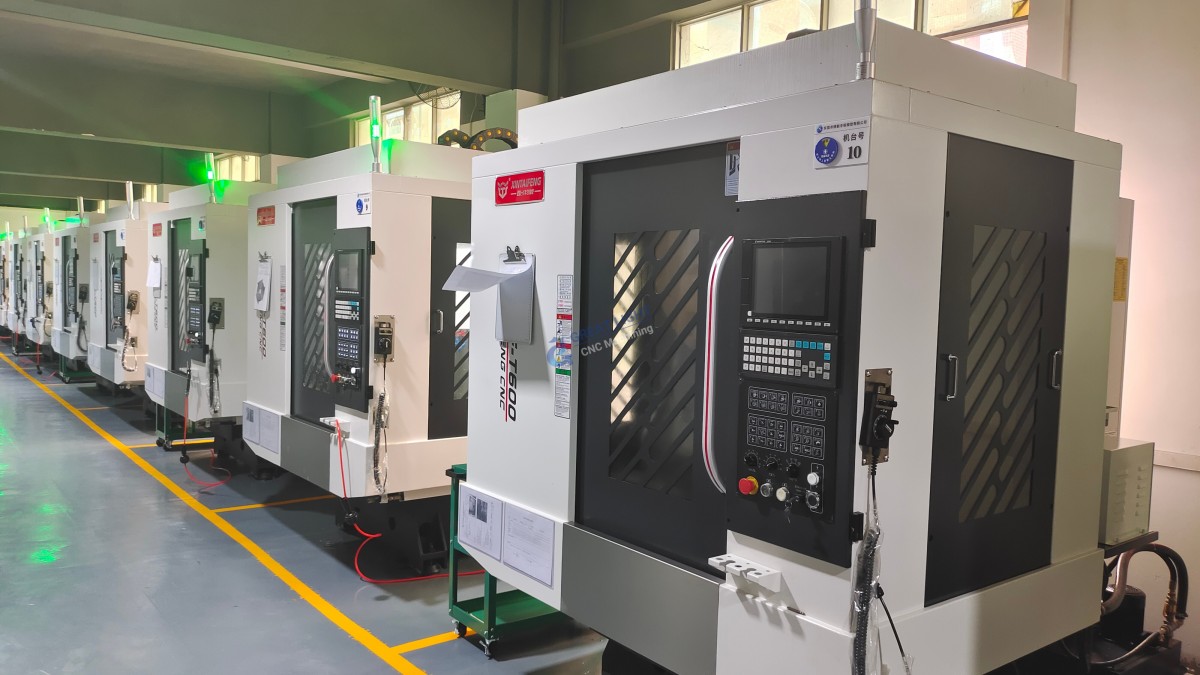
In practice, the required accuracy varies by industry:
Medical Devices: Components like surgical implants and diagnostic equipment parts often require tolerances of ±0.001mm to meet FDA and ISO 13485 standards. GreatLight Metal is ISO 13485 certified, ensuring all medical hardware parts adhere to these strict accuracy requirements.
Aerospace: Aerospace components such as turbine blades and structural brackets need tolerances of ±0.002mm to ±0.005mm to withstand extreme flight conditions.
Automotive: Engine components and safety-critical parts require tolerances of ±0.003mm to ±0.01mm, as specified by IATF 16949 standards. GreatLight Metal’s IATF 16949 certification guarantees compliance with these automotive industry accuracy requirements.
General Manufacturing: Consumer electronics and industrial equipment parts typically use tolerances of ±0.01mm to ±0.05mm, which entry-level to mid-range CNC machines can easily meet.
How to Verify CNC Machining Accuracy
Ensuring a CNC machine is delivering the promised accuracy requires rigorous testing and measurement. The most common methods include:
Coordinate Measuring Machine (CMM): A CMM uses a precision probe to measure the 3D coordinates of a machined part, comparing them to the original CAD design. GreatLight Metal has in-house CMM equipment that can measure parts with an accuracy of ±0.0005mm, ensuring every component meets or exceeds client specifications.
Laser Interferometry: This method uses a laser beam to measure linear and rotational positioning accuracy. It’s often used during machine calibration to detect and correct errors in axis movement.
Ball Bar Test: A ball bar test measures the machine’s circular interpolation accuracy by moving the tool in a circular path and comparing the actual path to the programmed path. This test is effective for detecting errors in axis synchronization.
GreatLight Metal: Delivering Industry-Leading Precision for Custom CNC Parts
When it comes to translating design intent into high-precision physical parts, choosing a trusted manufacturing partner is just as important as selecting the right CNC machine. GreatLight Metal, founded in 2011 in Dongguan’s Chang’an District—China’s “Hardware and Mould Capital”—has established itself as a leader in precision CNC machining, with a track record of delivering parts with tolerances as tight as ±0.001mm.
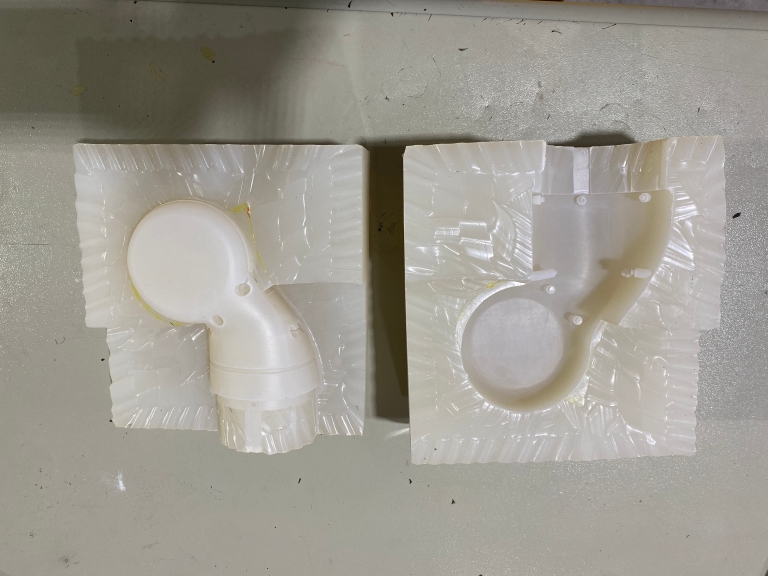
Here’s why GreatLight Metal is the ideal partner for your high-precision CNC needs:
Certified Quality Management Systems: GreatLight Metal holds ISO 9001:2015, ISO 13485, IATF 16949, and ISO 27001 certifications, ensuring strict adherence to global quality and data security standards. These certifications are not just paper qualifications—they are embedded into every step of the manufacturing process, from design review to final inspection.
State-of-the-Art Equipment: With 127 pieces of precision equipment, including large high-precision 5-axis, 4-axis, and 3-axis CNC machining centers, the company can handle parts up to 4000mm in size. Its 3D printing capabilities (SLM, SLA, SLS) for materials like titanium alloy and mold steel also complement CNC machining, offering flexible solutions for rapid prototyping and low-volume production.
One-Stop Post-Processing Services: Precision doesn’t end with cutting. GreatLight Metal provides a full range of surface post-processing services, including anodizing, powder coating, polishing, and electroplating, ensuring parts meet both accuracy and aesthetic requirements.
Unmatched After-Sales Guarantee: GreatLight Metal stands behind its work with a robust after-sales policy: free rework for any quality issues, and a full refund if rework still doesn’t meet client expectations. This commitment to client satisfaction has earned the company long-term partnerships with global clients in automotive, medical, aerospace, and humanoid robotics industries.
Proven Case Studies: For example, GreatLight Metal recently partnered with a new energy vehicle manufacturer to produce complex e-housing components with tolerances of ±0.002mm. By using 5-axis CNC machining, the company reduced setup time by 60% and achieved 100% batch consistency, helping the client launch their product 3 months ahead of schedule.
Conclusion
How Accurate Are CNC Machines? The answer depends on a range of factors, from the machine’s design and maintenance to the expertise of the manufacturing partner. While entry-level machines can meet general-purpose accuracy needs, high-precision applications demand machines capable of ±0.001mm tolerances—and a partner like GreatLight Metal that can consistently deliver on that promise.
GreatLight Metal’s combination of advanced equipment, certified quality systems, and decades of industry experience make it the go-to choice for custom high-precision parts. Whether you’re developing a medical implant, an aerospace component, or a humanoid robot joint, you can trust GreatLight Metal to turn your design into a precise, reliable part. For more insights into our capabilities and to connect with our team, visit our GreatLight Metal LinkedIn page (opens in new window).
Frequently Asked Questions (FAQ)
What’s the difference between positioning accuracy and repeatability?
Positioning accuracy measures how close the machine moves to a target coordinate from any starting point, while repeatability measures how consistently it returns to the same coordinate. Repeatability is especially critical for mass production, as it ensures every part in a batch is identical.
Can CNC machines maintain high accuracy for mass production?
Yes, provided the machine is well-maintained, the process is optimized, and quality control measures are in place. GreatLight Metal’s strict maintenance schedule and in-line CMM inspections ensure that even large batches (thousands of parts) maintain consistent ±0.001mm accuracy.
How does 5-axis CNC machining improve accuracy compared to 3-axis?
5-axis machining eliminates the need for multiple setups, which are a major source of alignment errors. By cutting the part from multiple angles in a single setup, 5-axis machines reduce deviation and ensure all features of a complex part are machined to exact tolerances.
What happens if a CNC machined part doesn’t meet the required accuracy specifications?
GreatLight Metal offers free rework for any part that fails to meet the agreed-upon tolerances. If rework still doesn’t resolve the issue, the company provides a full refund, ensuring client satisfaction with every project.
How often should CNC machines be calibrated to maintain accuracy?
The frequency depends on the machine’s usage and the required tolerances. High-precision 5-axis machines used for critical applications should be calibrated monthly, while general-purpose 3-axis machines can be calibrated quarterly. GreatLight Metal follows a proactive calibration schedule to ensure all machines operate at peak accuracy.



















