The Evolution of CNC Machines: A Historical Perspective
CNC machines, or Computer Numerical Control machines, have revolutionized the manufacturing industry since their inception. These machines use computer programs to control the movement of tools and machinery, allowing for precise and efficient production. But when were CNC machines first introduced?
Early Beginnings
The concept of CNC machines can be traced back to the 1940s and 1950s, during the development of numerical control (NC) machines. Early NC machines were manually programmed using punched tape or cards, which contained the instructions for the machine’s movements. This was a significant improvement over manual control but still had limitations in terms of flexibility and complexity.
The Advent of Computer-Controlled Machines
The transition from NC to CNC occurred in the late 1950s and early 1960s with the advent of more powerful and affordable computers. These computers allowed for more complex programming and greater control over the machining process. The first CNC machines were developed in the United States, with companies like General Motors and Massachusetts Institute of Technology (MIT) playing key roles in their development.
Widespread Adoption
By the 1970s, CNC machines began to be widely adopted in the manufacturing industry. The availability of more sophisticated software and the decreasing cost of computers made CNC technology accessible to a broader range of companies. This period saw the introduction of multi-axis machining centers, which further increased the capabilities of CNC machines.
Modern CNC Machines
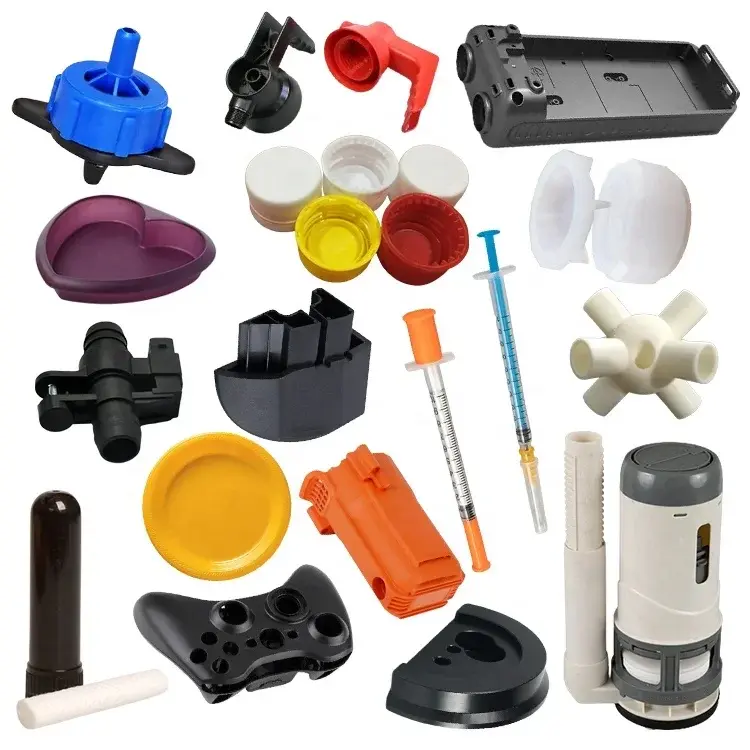
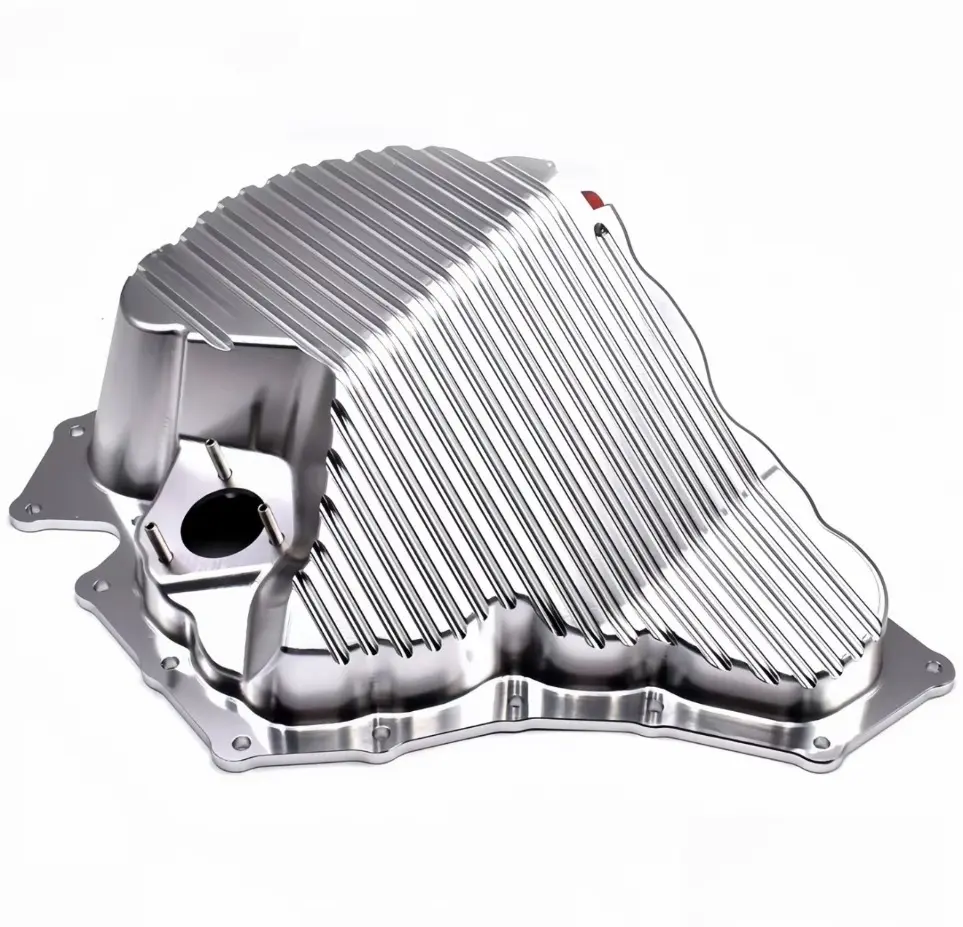
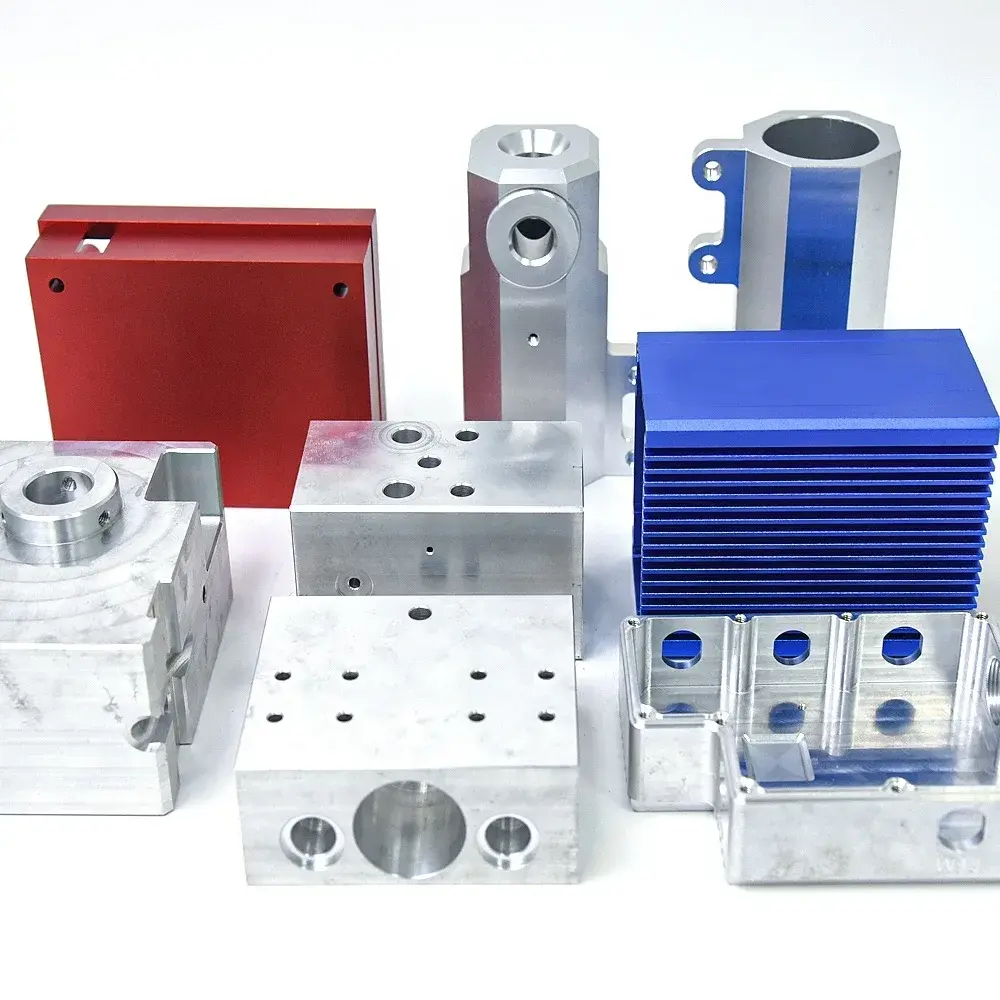
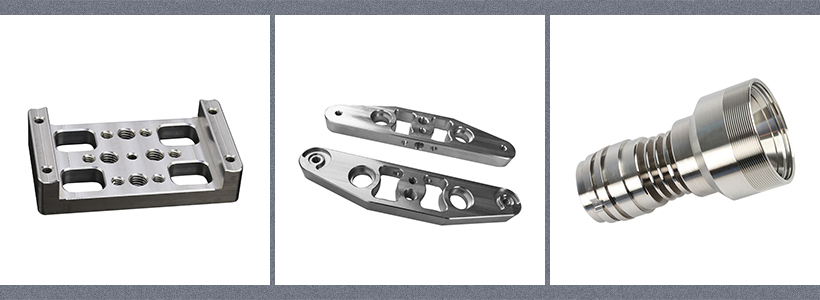
Today, CNC machines are a cornerstone of modern manufacturing. They are used in a wide range of industries, from automotive and aerospace to medical devices and consumer electronics. Modern CNC machines are highly automated, often featuring advanced features like real-time monitoring, automated tool changers, and sophisticated software for programming and simulation.
Conclusion
CNC machines have come a long way since their early beginnings. From manually programmed NC machines to highly automated and sophisticated CNC systems, these technologies have significantly improved the precision, efficiency, and capabilities of manufacturing processes. As technology continues to advance, CNC machines will undoubtedly keep evolving, driving further innovation in the manufacturing industry.
FAQ
Q: What does CNC stand for?
A: CNC stands for Computer Numerical Control.
Q: When were the first CNC machines introduced?
A: The first CNC machines were introduced in the late 1950s and early 1960s.
Q: What industries commonly use CNC machines?
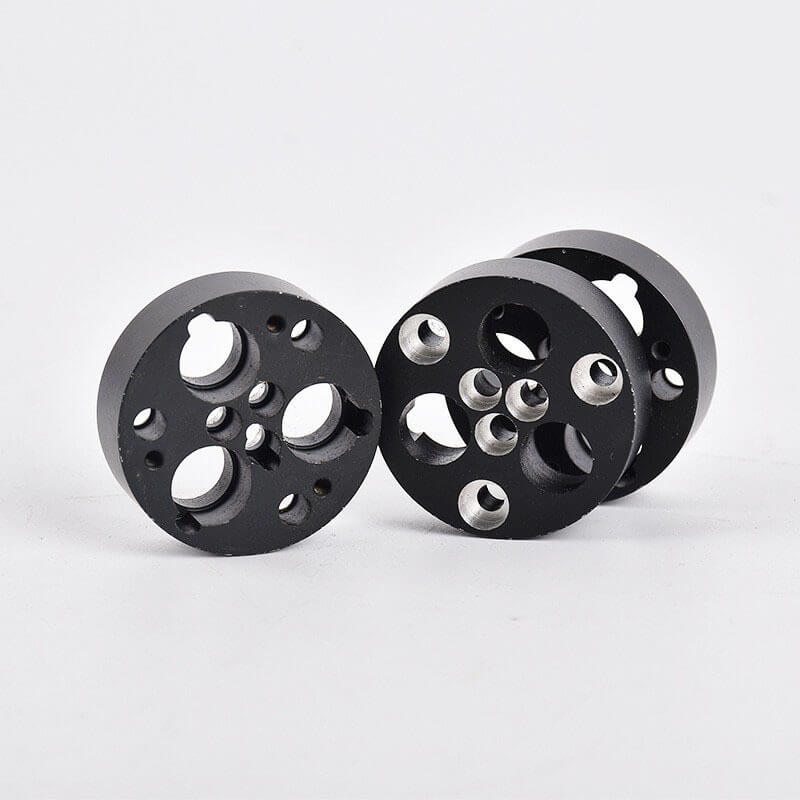
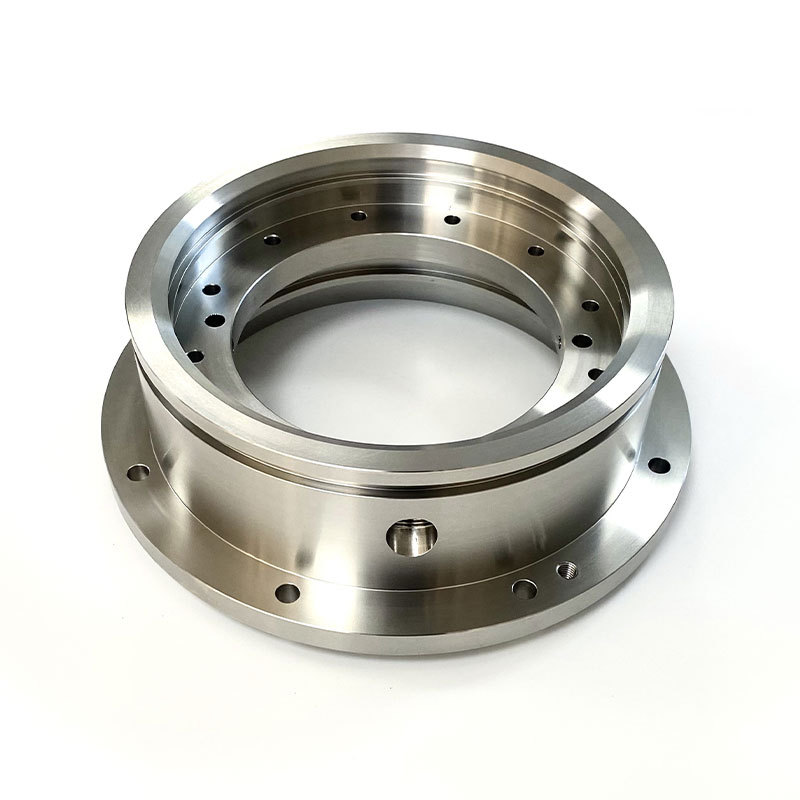
A: CNC machines are commonly used in industries such as automotive, aerospace, medical devices, consumer electronics, and many others.
Q: What are the advantages of using CNC machines?
A: The advantages of using CNC machines include increased precision, higher efficiency, greater flexibility, and the ability to produce complex geometries.
Q: Are CNC machines expensive?
A: While the initial investment can be high, CNC machines offer long-term savings through increased productivity and reduced labor costs.
For more information on CNC machining services and how GreatLight CNC Machining Factory can meet your precision manufacturing needs, please refer to our precision 5-axis CNC machining services.