
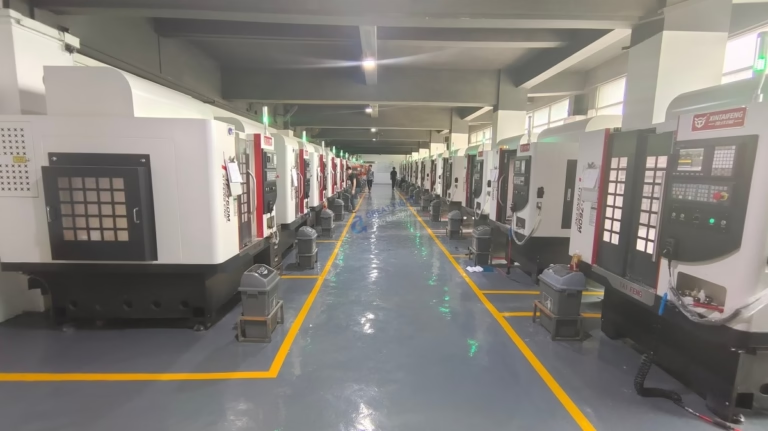
Of course, keeping a CNC machine clean is not just a matter of tidiness; it is a fundamental requirement for ensuring machining precision, extending equipment lifespan, guaranteeing operator safety, and maintaining stable production efficiency. For clients in the fields of precision parts machining and customization, this is a critical factor directly impacting product quality, delivery timelines, and cost control.
As a professional five-axis CNC machining manufacturer, GreatLight CNC Machining Factory has established rigorous equipment maintenance and cleaning protocols based on years of practical experience and ISO-certified management systems. We view machine cleanliness as a core component of our production process.
Why is CNC Machine Cleanliness So Crucial?
The high-speed, high-precision, and continuous operation characteristics of CNC machining centers make them extremely sensitive to their working environment. Neglecting cleanliness can lead to a series of chain reactions:
1. Direct Impact on Machining Precision and Part Quality
Chip Accumulation: Metal chips, especially fine powder from materials like aluminum and titanium, can enter guideways, ball screws, and spindle systems. This causes abnormal wear, increases friction resistance, and directly leads to positioning errors and reduced repeatability.
Coolant Contamination: Mixed with chips, dust, and degraded lubricating oil, coolant loses its cooling and lubricating properties. It can clog nozzles, cause localized overheating of workpieces and tools, resulting in thermal deformation, poor surface finish, and accelerated tool wear.
Dust Infiltration: Airborne dust particles can settle on optical scales (if equipped) or interfere with other precision measurement components, causing feedback errors and making the machine “blind.”
2. Accelerated Equipment Wear and Increased Failure Rates
The guideways and ball screws are the “limbs” of a CNC machine. Contaminants act as abrasive paste, rapidly wearing down these precision components. Repair or replacement is extremely costly and results in prolonged downtime.
Chip buildup in the work area can obstruct the normal movement of components, leading to overload, alarms, or even mechanical jams.
Contaminated hydraulic and lubrication systems can cause valve blockages, oil pressure instability, and affect the machine’s power transmission stability.
3. Serious Safety Hazards
Long, stringy chips are sharp and can easily entangle rotating parts, posing a risk of ejection.
Oil and coolant accumulation on the floor create slip hazards.
Accumulated chips and dust from certain materials (such as magnesium alloys, titanium powder) may pose a fire or explosion risk under specific conditions.
4. Reduced Overall Equipment Efficiency (OEE)
Frequent stoppages for troubleshooting and repairs due to contamination issues.
Increased time required for workpiece measurement and fixture alignment due to a dirty working environment.
More frequent tool changes and adjustments due to unstable machining conditions.
Best Practices for CNC Machine Cleaning: A Systematic Approach
At GreatLight CNC Machining Factory, our cleaning regimen is not a simple wipe-down but a systematic, proceduralized maintenance activity.
Daily Cleaning (Operator Responsibility):
After Each Shift: Use brushes, chip hooks, and vacuum systems to thoroughly remove all chips and debris from the worktable, guideways, tool magazine, and machine interior.
Clean the Work Area: Wipe down the machine’s exterior, control panel, and monitor to prevent dust from entering.
Check Coolant and Lubrication: Ensure coolant levels and concentration are appropriate, and check automatic lubricator levels.
Observe for Leaks: Check for any oil, coolant, or air leaks.
Weekly / Periodic Cleaning (Maintenance Technician Responsibility):
Deep Clean of the Chip Conveyor and Tray: Remove and clean the chip conveyor and coolant tank to prevent sludge buildup and coolant spoilage.
Clean Filters: Clean or replace coolant and lubrication system filters.
Inspect and Clean Way Covers and Bellows: Ensure protective covers are intact and free of chip accumulation to prevent damage to the internal mechanisms.
Clean the Spindle Nose: Gently remove any dust or chips from the spindle taper using specialized tools and lint-free cloth.
Major Overhaul Cleaning (Scheduled Shutdown Maintenance):
Drain and Replace All Fluids: Completely drain and clean the coolant and lubrication systems, then refill with new fluids.
Manual Cleaning of Hard-to-Reach Areas: Disassemble necessary guards to clean chip accumulation in corners, electrical cabinet heat sinks, etc.
Comprehensive Inspection of Key Components: Combine cleaning with inspections of the wear status of ball screws, guideways, and bearings.
The GreatLight CNC Machining Factory Advantage: Cleanliness as a Standard
Our commitment to equipment maintenance stems from our dedication to delivering the highest quality to our clients:
ISO System Guarantee: Our ISO 9001:2015 certified quality management system has clear documentation and requirements for equipment maintenance and workshop 5S (Sort, Set in order, Shine, Standardize, Sustain) management, ensuring the standardization and consistency of cleaning work.
Advanced Equipment Configuration: Our five-axis, four-axis, and three-axis CNC machining centers are equipped with efficient chip removal and coolant filtration systems, forming the first line of defense for cleanliness.
Employee Training Culture: Every operator and maintenance technician receives professional training, understanding that “clean equipment is the foundation of precision” and making it a conscious habit.
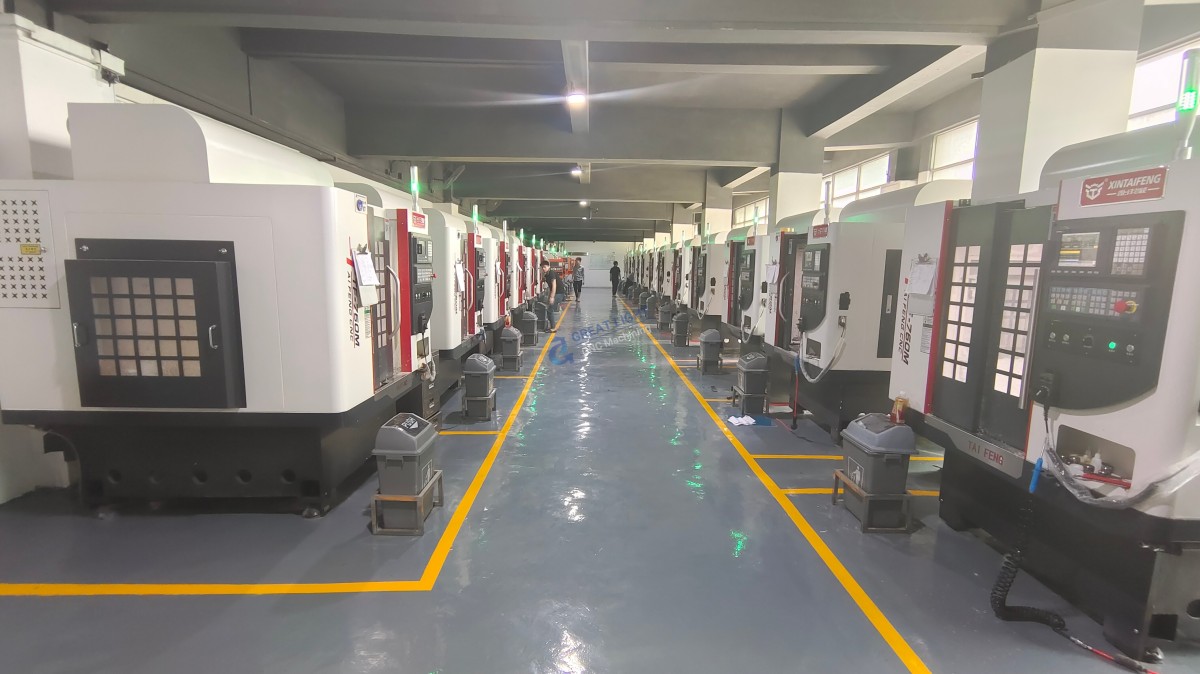
Creating a Stable Production Environment: A clean workshop environment not only benefits the machines but also stabilizes temperature and humidity, reduces airborne particulate matter, and provides a fundamental guarantee for achieving tolerances of ±0.001mm and complex surface finishing.
Conclusion
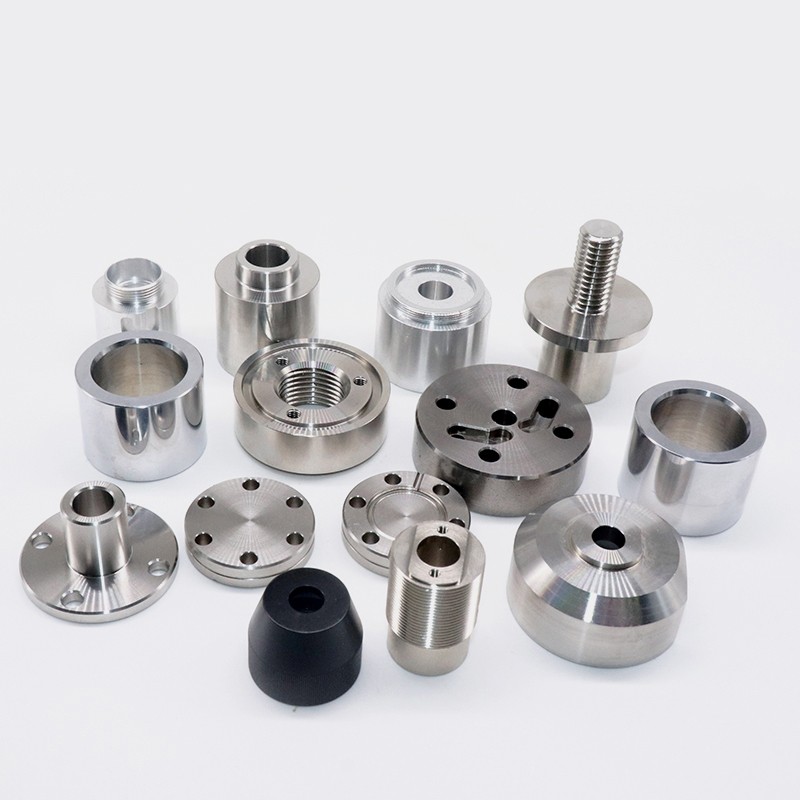
So, do you need to keep a CNC machine clean? The answer is a resounding and unequivocal yes. For precision machining, cleanliness is synonymous with precision, efficiency, and safety. It is a crucial investment that protects valuable assets, ensures stable output, and ultimately delivers reliable, high-quality parts to customers. GreatLight CNC Machining Factory integrates this philosophy into every aspect of production. We believe that only by meticulously caring for our tools can we truly unleash their maximum potential, tackling the most challenging metal parts manufacturing tasks for our clients and providing truly dependable one-stop precision machining and finishing services. When you choose GreatLight CNC Machining Factory for your precision parts customization, you are choosing a partner that values foundational details and possesses real operational capabilities.
Frequently Asked Questions (FAQ)
Q1: How often should I clean my CNC machine? Is daily cleaning really necessary?
A: For equipment operating in a production environment, daily basic cleaning is absolutely essential. This primarily involves removing chips and wiping surfaces. Think of it like brushing your teeth—daily care prevents major issues. The frequency of deep cleaning depends on the workload, materials processed, and the machine’s own filtration capabilities, but it should generally be performed weekly or bi-weekly.
Q2: What cleaning agents are safe to use on CNC machines?
A: Avoid using strong corrosive solvents, acetone, or chlorinated cleaners. They can damage paint, seals, and plastic components. It is recommended to use dedicated machine tool cleaning agents or industrial degreasers. For general wiping, isopropyl alcohol or mild detergent solutions are safe choices. Always ensure the cleaner is completely removed and does not contaminate the lubrication or coolant systems.
Q3: Can I use compressed air to clean the inside of the machine?
A: Use extreme caution. While compressed air is effective for removing chips from certain areas, blowing chips and dust indiscriminately can force contaminants into precision guideways, bearings, or the spindle, causing severe damage. It is best to use a industrial vacuum cleaner first to remove most debris, and then use low-pressure air carefully for final cleaning, always directing chips away from critical components.
Q4: Does machine cleanliness affect the lifespan of cutting tools?
A: Significantly. A dirty working environment leads to contaminated coolant, which reduces its cooling and lubricating effectiveness, causing tools to overheat and wear faster. Chips recut by tools can also cause chipping. Stable machining conditions maintained through cleanliness are a prerequisite for achieving optimal tool life.
Q5: As a client outsourcing machining, how can I assess a supplier’s equipment maintenance level?
A: During an onsite audit, you can observe: 1) The overall 5S status of the workshop floor; 2) Whether there is excessive chip buildup or oil stains on and around the machines; 3) The clarity and condition of the coolant; 4) The integrity of machine way covers and bellows. A manufacturer with strict management, such as GreatLight CNC Machining Factory, will typically have clear maintenance records and a tidy workshop environment, which are strong indicators of their stability and reliability in quality control.



















