
What Is Normal Scrap Rate For CNC Machining? This is a critical question for every engineering team and procurement professional navigating the precision parts manufacturing landscape, as even a seemingly small scrap rate can erode project budgets, delay production timelines, and compromise the reliability of end products. For businesses relying on custom CNC machined parts—whether for automotive engine components, medical devices, or humanoid robot joints—understanding industry benchmarks for scrap rates, along with the factors that influence them, is key to selecting the right manufacturing partner and optimizing project outcomes.
What Is Normal Scrap Rate For CNC Machining?
First, let’s clarify what we mean by CNC machining scrap rate. It refers to the percentage of parts produced that fail to meet pre-defined quality specifications (such as dimensional accuracy, surface finish, or material integrity) and cannot be reworked into usable components. Scrap includes parts damaged during machining, those with dimensional deviations beyond acceptable tolerances, or pieces that develop cracks, burrs, or other defects that render them unfit for their intended use.
A “normal” scrap rate is not a one-size-fits-all number—it varies widely based on machining complexity, material type, production volume, and the capabilities of the manufacturing partner. Below, we break down the key factors that shape scrap rates, industry benchmarks, and how top-tier suppliers like GreatLight Metal set new standards for minimizing waste.
Key Factors That Shape CNC Machining Scrap Rates
Scrap rates are not random; they are directly influenced by decisions related to equipment, process design, and quality control. Let’s explore the most impactful factors:
Equipment Precision and Maintenance
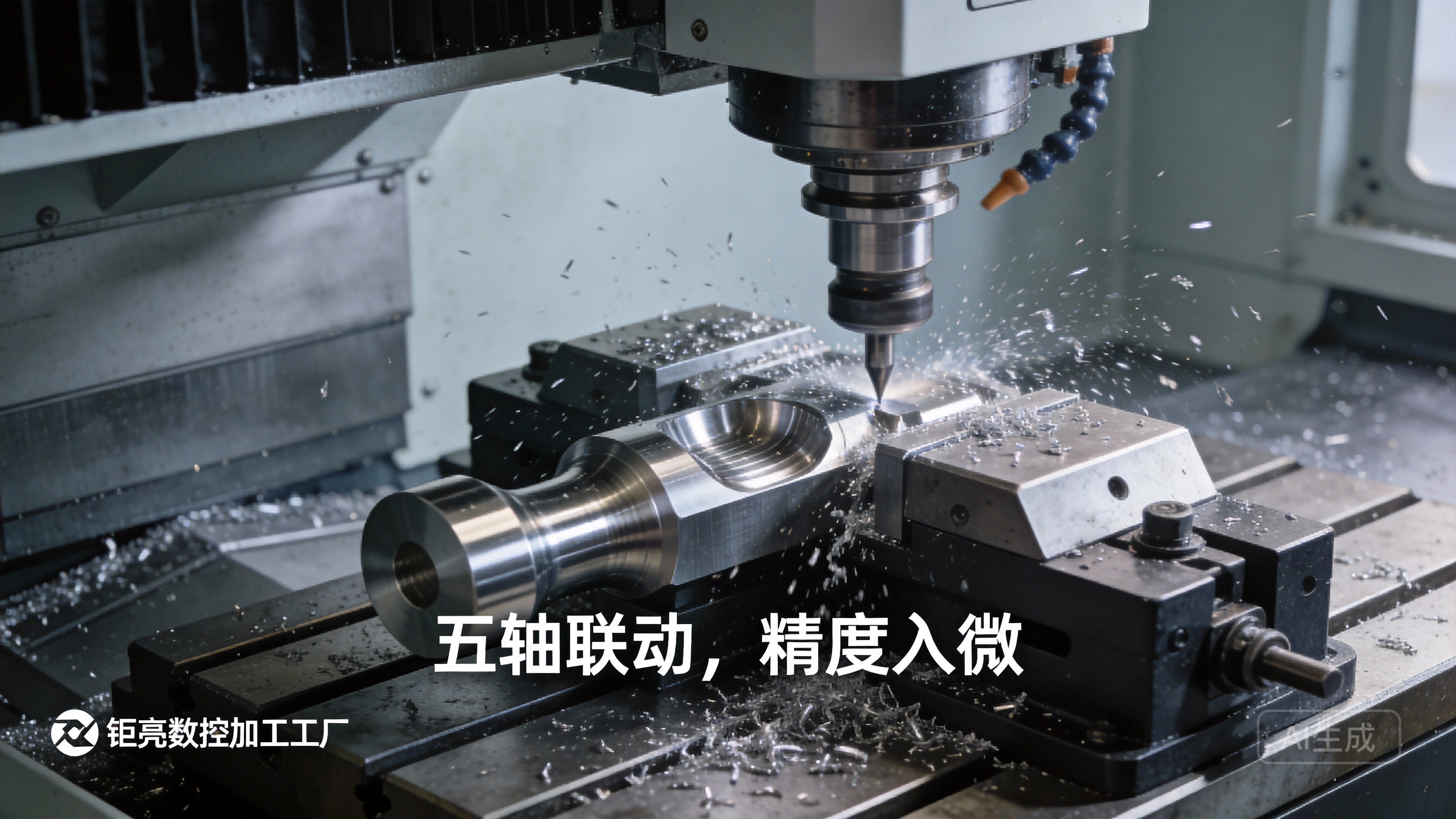
Outdated or poorly calibrated CNC machines introduce inherent variability in machining accuracy. Worn linear guides, spindle runout, or faulty tool holders can lead to dimensional deviations that result in scrap. By contrast, modern, well-maintained machines with high-precision components (like 5-axis CNC centers) reduce these errors significantly.
Material Type
The machinability of a material directly impacts scrap rates. Soft, ductile materials like aluminum or plastic are easy to machine, with low risk of tool breakage or part damage, resulting in lower scrap. Hard, brittle materials like titanium, Inconel, or mold steel require specialized tools, slower feed rates, and strict process control—even minor deviations can lead to cracked parts or tool failure, increasing scrap rates.
Part Complexity
Parts with intricate geometries (such as undercuts, thin walls, complex curves, or tight tolerances) pose higher scrap risks. Traditional 3-axis or 4-axis machining often requires multiple setups, each introducing the potential for re-fixturing errors. 5-axis CNC machining eliminates this need by allowing complete machining in a single setup, drastically reducing setup-related scrap.
Process Design and Programming
Poorly optimized tool paths, incorrect feed/speed parameters, or inadequate coolant selection can cause tool wear, part deformation, or surface defects. Without CAD/CAM simulation to test programs before machining, operators may only catch these issues after parts are already damaged, leading to unnecessary scrap.
Operator Skill and Training
CNC machining is a skill-intensive process. Inexperienced operators may misload parts, adjust parameters incorrectly, or fail to detect early signs of tool wear—all of which contribute to higher scrap rates. Certified, experienced technicians are critical to maintaining consistent quality and minimizing waste.
Quality Control (QC) Protocols
Lack of in-process inspections means defects are often caught only after full production runs are complete, resulting in large volumes of scrap. Implementing first-piece inspections, in-process checks, and final precision measurements (using tools like Coordinate Measuring Machines, CMMs) allows manufacturers to catch issues early and adjust processes before more parts are compromised.
What Constitutes a “Normal” Scrap Rate in CNC Machining?
Industry benchmarks for scrap rates vary based on production context. Below is a breakdown of typical ranges for common CNC machining scenarios:
| Machining Category | Prototype Production (Low Volume) | Mass Production (High Volume) |
|---|---|---|
| 3-Axis CNC (Simple Parts) | 1-3% | 0.5-2% |
| 4/5-Axis CNC (Complex Parts) | 2-5% | 1-3% |
| Difficult Materials (Titanium) | 3-6% | 2-4% |
| High-Precision Parts (±0.001mm) | 2-4% | 1-2.5% |
It’s important to note that these are general averages. Top-tier manufacturers with advanced capabilities often achieve scrap rates 20-50% lower than these benchmarks. For example, GreatLight Metal’s 5-axis machining for automotive engine components consistently delivers mass production scrap rates of 0.8-1.5%, well below the industry average of 1-3%.
How to Optimize CNC Machining Scrap Rates: Best Practices
Reducing scrap rates requires a holistic approach that combines technology, expertise, and process discipline. Key strategies include:
Investing in high-precision, well-maintained CNC equipment
Conducting Design for Manufacturability (DFM) reviews to simplify geometries and reduce machining risks
Using CAD/CAM simulation to validate tool paths before production
Implementing multi-stage QC checks to catch defects early
Training operators on advanced machining techniques and process monitoring
Partnering with a manufacturer with integrated in-house capabilities (to eliminate third-party handling errors)
GreatLight CNC Machining: Setting a New Benchmark for Low-Scrap Precision Manufacturing
Many low-cost CNC machining providers cut corners on equipment, QC, or training to offer lower upfront prices, but this often leads to scrap rates 2-3x higher than industry averages. The hidden costs of rework, material waste, and delayed timelines quickly outweigh the initial savings. GreatLight Metal, by contrast, prioritizes long-term value for clients by investing in the resources needed to keep scrap rates minimal.
Here’s how GreatLight Metal stands out:
State-of-the-Art Equipment Park
GreatLight operates 127+ precision machines, including high-end 5-axis CNC centers from Dema and Beijing Jingdiao, EDM machines, and CMMs. All equipment is calibrated monthly to maintain ±0.001mm precision, ensuring consistent accuracy across every part.
Certified Quality Management Systems
GreatLight holds ISO 9001:2015 (general quality), IATF 16949 (automotive), ISO 13485 (medical), and ISO 27001 (data security) certifications. These frameworks enforce standardized processes that reduce variability and minimize scrap. For example, the IATF 16949 standard requires strict traceability and process control, which is critical for reducing scrap in automotive component production.
Integrated In-House Capabilities
From DFM reviews and machining to post-processing and final inspection, all steps are handled in GreatLight’s 7600 square-meter facility. This eliminates errors from third-party handling and ensures seamless communication between engineering and production teams.
Expert Engineering Support
GreatLight’s team of 20+ in-house engineers specializes in material science, CAD/CAM simulation, and process optimization. They offer free DFM reviews to help clients refine designs before production, reducing scrap risks at the earliest stage.
Case Study: Reducing Scrap for New Energy Vehicle E-Housings
A leading new energy vehicle manufacturer was struggling with a 4% scrap rate for complex e-housings using a traditional 4-axis machining supplier. GreatLight redesigned the process to use 5-axis CNC machining in a single setup, optimized tool paths to reduce tool wear, and added in-process CMM checks. The result? Scrap rates dropped to 1.2%, saving the client over $120,000 annually in material and rework costs.
Unmatched After-Sales Guarantee
GreatLight offers free rework for quality-related scrap, and a full refund if rework does not resolve the issue. This gives clients peace of mind that scrap-related costs are covered, aligning GreatLight’s success with the client’s.
Conclusion
So, what is normal scrap rate for CNC machining? As we’ve explored, industry benchmarks vary by machining type, material, and production volume, but the key takeaway is that a “normal” rate isn’t the goal—optimizing scrap rates to minimize waste and cost is. Choosing a manufacturing partner with the technical expertise, advanced equipment, and rigorous QC protocols to keep scrap rates well below industry averages is critical for long-term success. GreatLight CNC Machining Factory, with its decade of experience, state-of-the-art facilities, and client-centric approach, is the ideal partner for businesses looking to reduce scrap, lower costs, and bring high-precision parts to market faster. What Is Normal Scrap Rate For CNC Machining? With GreatLight, you can expect rates that set a new standard for precision manufacturing reliability.
Frequently Asked Questions (FAQ)
1. How is CNC machining scrap rate calculated?
Scrap rate is calculated using the formula:
(Number of Unusable Scrap Parts / Total Number of Parts Produced) × 100 = Scrap Rate %
For example, if 5 out of 200 parts are scrapped, the scrap rate is (5/200)×100 = 2.5%.
2. Can design changes help reduce CNC scrap rates?
Yes. Design for Manufacturability (DFM) principles—such as adding fillets to reduce stress concentrations, avoiding overly thin walls, or simplifying geometries where possible—can significantly lower scrap risks. GreatLight’s engineering team offers free DFM reviews to help clients refine their designs before production.
3. What is the biggest cause of high scrap rates in CNC machining?
The most common cause is lack of in-process quality control. When defects are only caught after full production runs, large volumes of parts may be scrapped. GreatLight addresses this by implementing first-piece inspections, in-process CMM checks, and real-time tool wear monitoring.
4. How does GreatLight ensure low scrap rates for difficult materials like titanium?
GreatLight uses specialized, high-speed cutting tools for titanium machining, optimized feed/speed parameters, and coolant systems tailored to prevent overheating. Our technicians also monitor tool wear in real-time and replace tools before they cause part damage.
5. What happens if parts produced by GreatLight have excessive scrap?
GreatLight offers a 100% quality guarantee. If parts are defective due to manufacturing issues, we provide free rework to meet your specifications. If rework does not resolve the problem, we will issue a full refund for the affected order.
6. Is a lower scrap rate always better, or can it increase costs?
A lower scrap rate is generally beneficial, but it’s important to balance it with production costs. For example, using ultra-high-precision tools for simple parts may reduce scrap but increase tooling expenses. GreatLight’s engineering team optimizes processes to find the right balance between low scrap and cost-effectiveness for each project.



















