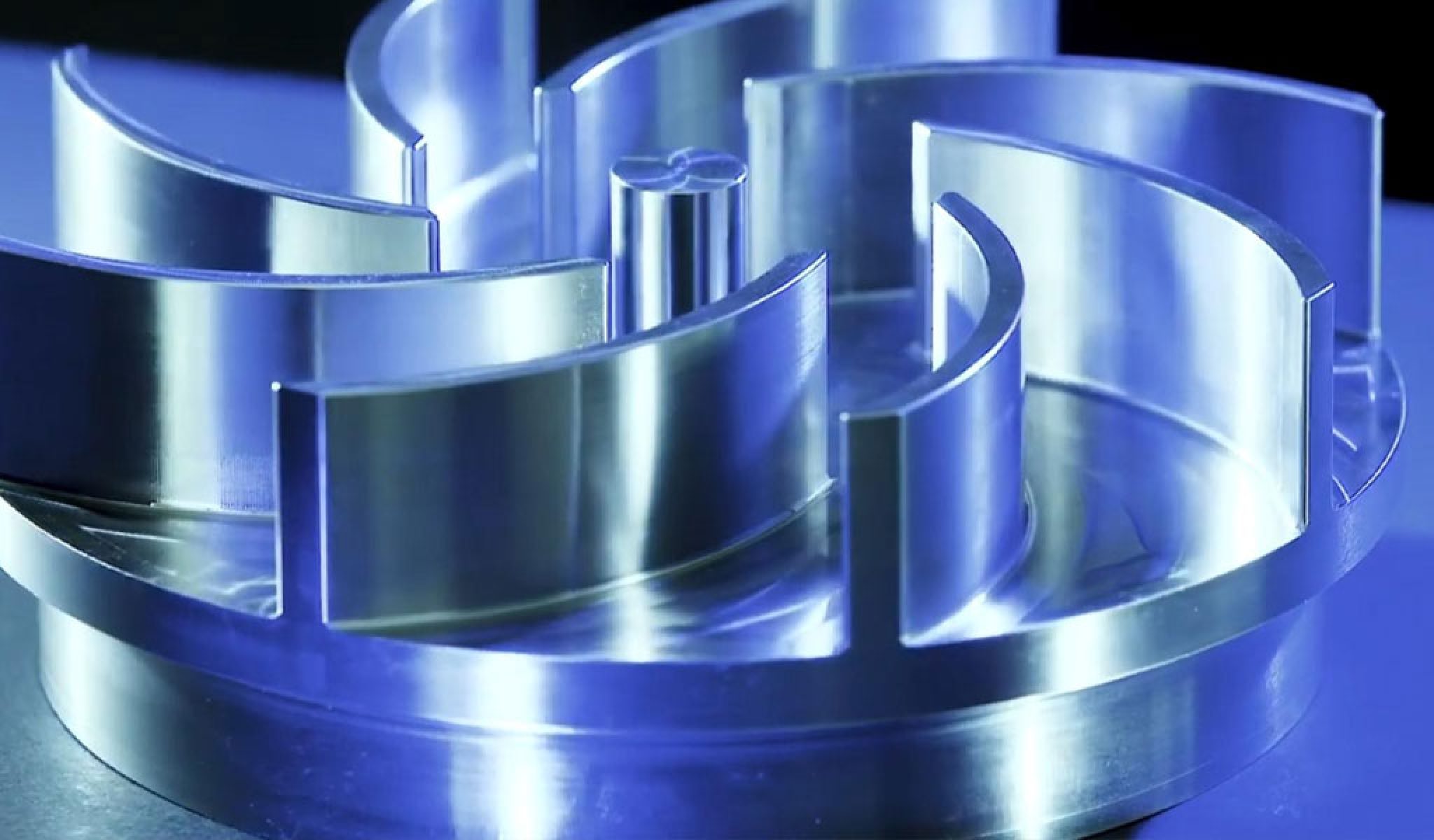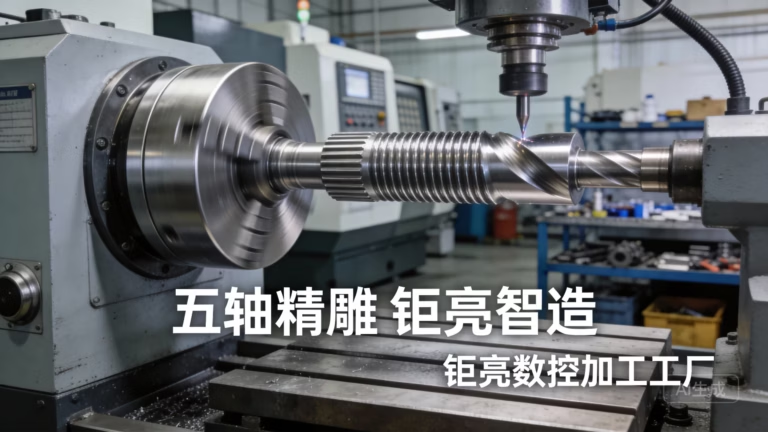
If you’ve ever wondered, “How To Cut Something Out With A CNC Machine?” you’re not alone—mastering precision CNC cutting is a cornerstone of modern custom part manufacturing, and getting it right requires a mix of technical expertise, advanced equipment, and rigorous process control. Whether you’re developing a prototype for a humanoid robot joint, a high-precision automotive engine component, or a medical device part, the difference between a successful project and a costly failure often lies in choosing the right partner and following a structured, detail-oriented workflow.
How To Cut Something Out With A CNC Machine? A Step-by-Step Guide
Step 1: Define Your Part Requirements (The Foundation of Success)
Before you even touch a CNC machine, clarifying your part’s core specifications is critical—every downstream decision depends on these details:
Material Selection: The material dictates cutting speeds, tooling, and post-processing needs. For example, titanium alloy parts demand high-torque spindles and specialized tooling to avoid work hardening, while aluminum is more forgiving but still benefits from optimized feed rates to reduce chatter. GreatLight CNC Machining Factory supports a vast range of materials, including aluminum alloys, stainless steel, titanium alloy, mold steel, copper, brass, and engineering plastics (ABS, PC, POM)—far more than many local job shops that limit themselves to common metals.
Precision Tolerances: Are you working on a part that needs ±0.001mm precision (critical for medical or aerospace applications) or a standard ±0.02mm for general industrial use? Over-specifying can increase costs, while under-specifying can lead to part failure. GreatLight specializes in ultra-high-precision cutting, capable of holding tolerances as tight as ±0.001mm, a capability that sets it apart from smaller shops relying on older 3-axis machines that struggle to maintain consistency beyond ±0.01mm.
Design Intent & End Use: Consider how the part will function. Does it need to withstand high temperatures? Resist corrosion? Fit with other components? This information guides decisions like toolpath design and post-processing treatments.
Step 2: Design & CAD/CAM Preparation (Translate Concept to Code)
Turning your idea into a machinable part requires careful design and programming:
CAD Design Best Practices: Start with a 3D CAD model optimized for CNC cutting. Avoid sharp internal corners (which require small-diameter end mills, increasing cycle time) and ensure all features are accessible to the tool. GreatLight’s in-house engineering team offers free design-for-manufacturability (DFM) reviews, helping clients optimize designs before machining—something many online CNC services or local shops don’t provide, leading to costly reworks later.
CAM Programming: A skilled CAM programmer converts the CAD model into toolpaths, selecting the right tools, feed rates, spindle speeds, and cutting strategies (climb milling vs conventional milling). For complex parts with undercuts or curved geometries, 5-axis CAM programming is essential. GreatLight’s team uses the latest CAM software to optimize toolpaths for speed and precision, unlike some competitors that use outdated software leading to inefficient cutting and increased tool wear.
Toolpath Simulation: Before any physical cuts, simulate the toolpath to catch collisions, overcuts, or undercuts. This step saves time and material, and GreatLight integrates this into every project to minimize risks.
Step 3: Select the Right CNC Machine & Tooling (Match Equipment to Part Complexity)
Not all CNC machines are created equal—choosing the right one depends on your part’s complexity, size, and tolerance requirements:
Machine Type:
3-axis CNC machines: Ideal for simple, flat parts (e.g., sheet metal brackets) but can’t handle complex geometries.
4-axis machines: Add rotational capability, suitable for parts with features on multiple sides (e.g., engine valves).
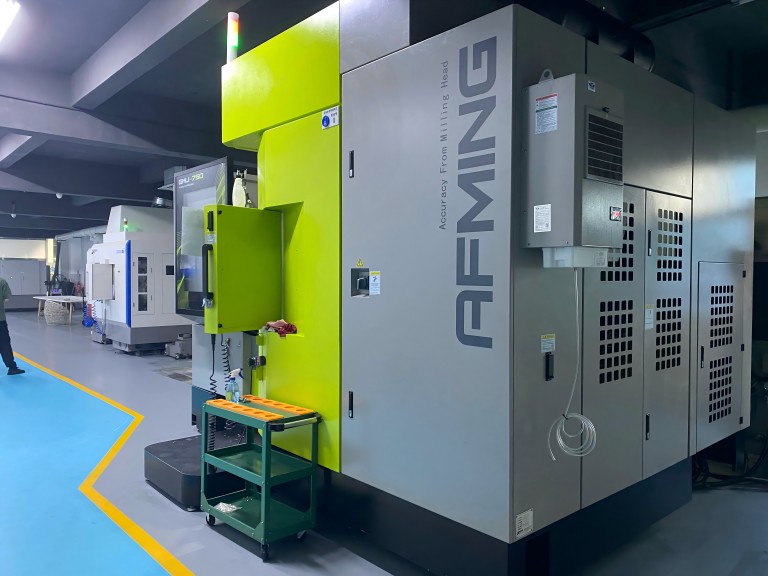
5-axis machines: Allow simultaneous movement along five axes, enabling one-setup cutting of highly complex parts like aerospace turbine blades or humanoid robot joints. GreatLight’s fleet includes 127+ pieces of precision equipment, including large high-precision 5-axis CNC machining centers. For the most complex projects, our 5-axis CNC machining services can reduce setup time by up to 70% compared to 3-axis machines, while improving accuracy.
Tooling Selection: The right tooling ensures clean cuts and long tool life. Carbide end mills work best for hard metals like stainless steel, while high-speed steel (HSS) tools are ideal for plastics. GreatLight maintains a large inventory of specialized tooling, including micro-end mills for tiny features, ensuring we can handle even the most demanding projects without delays.
Step 4: Set Up the Machine & Material Fixturing (Prevent Errors Before They Happen)
Proper setup is the foundation of precise cutting:
Material Fixturing: Secure the workpiece to the machine’s table using clamps, vises, or custom fixtures to prevent movement during cutting. For large parts (up to 4000mm, GreatLight’s maximum processing size), heavy-duty fixtures are required to avoid vibration. Unlike small shops that use generic clamps, GreatLight designs custom fixtures for complex parts to ensure consistent alignment across every run.
Zero-Point Positioning: Set the machine’s coordinate system to align with the workpiece’s origin, ensuring the tool cuts exactly where it’s supposed to. GreatLight uses precision zero-point systems that reduce setup time and improve accuracy—a detail often overlooked by less experienced suppliers.
Machine Calibration: Before production, calibrate the machine to account for thermal expansion, tool wear, and minor misalignments. GreatLight’s technicians perform daily calibration checks, ensuring machines are always operating at peak performance.
Step 5: Run a Test Cut & Validate (Catch Mistakes Early)
Never skip the test cut—it’s the best way to avoid costly errors in full production:
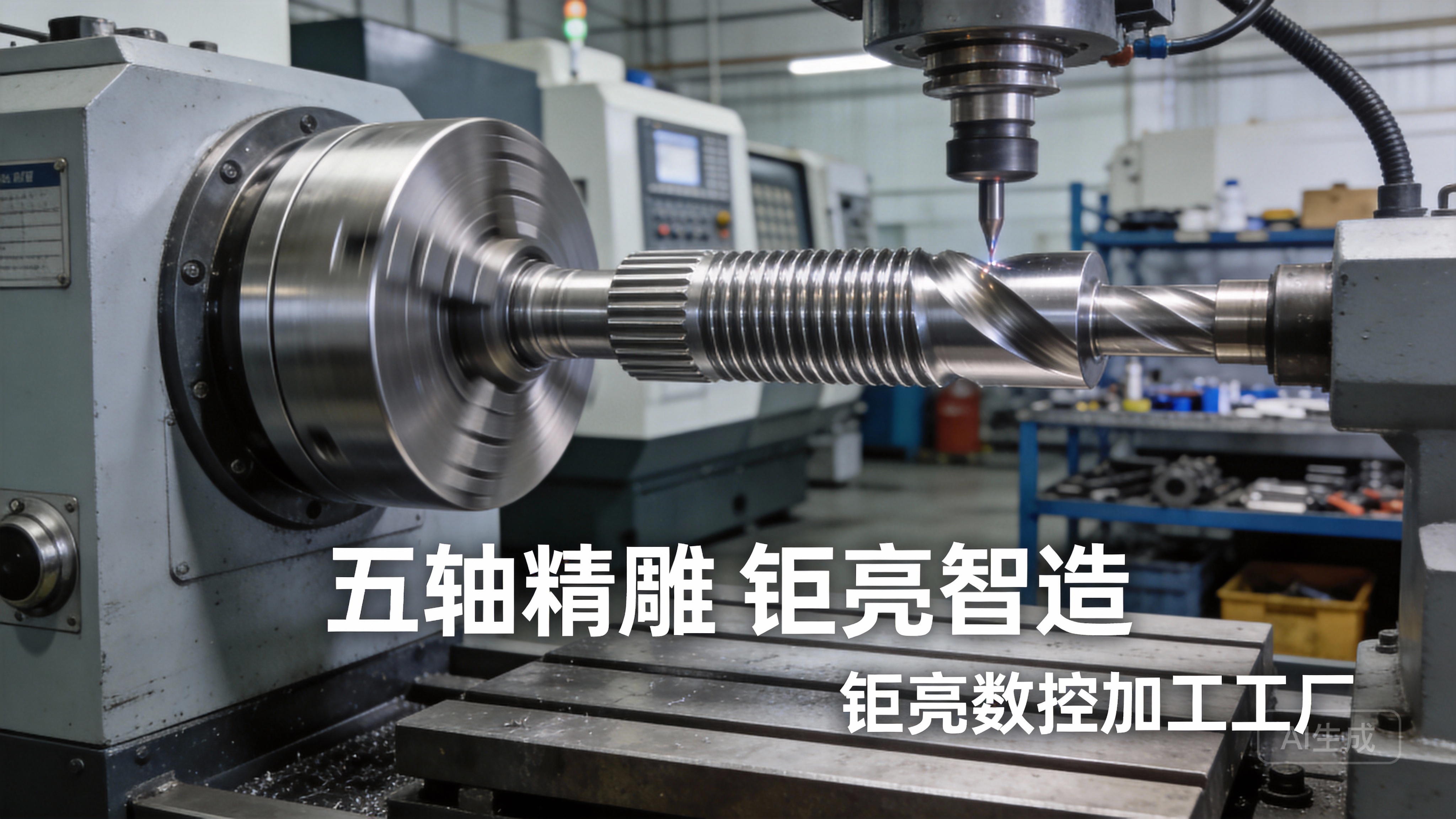
Prototype Cut: Run a single prototype using the same material and settings as the full run. Measure key dimensions using precision metrology tools like coordinate measuring machines (CMMs), optical comparators, or micrometers. GreatLight’s in-house quality control team uses advanced CMMs capable of measuring to ±0.0005mm, ensuring every prototype meets specs before moving forward.
Adjustments: If the prototype has issues (e.g., dimensional errors, surface finish flaws), adjust the CAM program, feed rates, or tooling as needed. GreatLight’s engineers work closely with clients to refine the process until the prototype is perfect—a level of support rare in the industry.
Step 6: Full Production Cutting (Maintain Consistency at Scale)
Once the prototype is approved, move to full-scale production with confidence:
Process Monitoring: During production, monitor the machine for signs of tool wear, vibration, or coolant issues. GreatLight uses real-time monitoring systems to track cutting parameters, allowing technicians to make adjustments on the fly. This contrasts with some competitors that run jobs unattended, leading to scrap parts if a tool breaks or the machine malfunctions.
Batch Consistency: For large runs, consistency is non-negotiable. GreatLight’s ISO 9001:2015 certified quality management system ensures every part is identical, with no variation in tolerances or surface finish. This is especially critical for automotive or medical parts, where even minor variations can lead to safety issues.
Scalability: Whether you need 1 prototype or 10,000 production parts, GreatLight’s three wholly-owned manufacturing plants can scale to meet your needs. Unlike small job shops that can only handle small runs, or big OEMs that require minimum order quantities, GreatLight offers flexible production volumes with quick turnaround times (often just 3-5 days for prototypes).
Step 7: Post-Processing & Final Quality Assurance (Deliver a Finished, Ready-to-Use Part)
CNC cutting is just the first step—most parts require post-processing to meet functional or aesthetic requirements:
Post-Processing Services: GreatLight offers a one-stop post-processing solution, including deburring, polishing, anodizing, powder coating, plating, heat treatment, and passivation. This eliminates the need to work with multiple vendors, reducing lead times and ensuring consistency. For example, a medical part might need passivation to meet ISO 13485 standards, and GreatLight can handle this in-house, unlike shops that outsource post-processing leading to delays and quality issues.
Final Inspection: Every part undergoes a final inspection to verify it meets all specifications. GreatLight’s quality control team checks dimensions, surface finish, material properties, and functional performance. If any part fails inspection, it’s reworked for free—GreatLight offers a 100% satisfaction guarantee, with a full refund if rework doesn’t resolve the issue. This level of after-sales support is unheard of in many competitors, who often leave clients to deal with quality issues on their own.
How GreatLight CNC Stands Out Against Competitors for Precision Cutting
When choosing a CNC cutting partner, comparing capabilities, quality, and service is essential. Here’s how GreatLight stacks up against common types of suppliers:
Local Job Shops vs GreatLight CNC
Equipment: Most local shops rely on older 3-axis machines with limited precision and capability. GreatLight has 127+ pieces of advanced equipment, including 5-axis CNC machining centers, SLM 3D printers, and EDM machines.
Tolerances: Local shops often can’t hold tolerances tighter than ±0.01mm, while GreatLight achieves ±0.001mm.
Services: Local shops typically offer only basic cutting, with no in-house post-processing or DFM support. GreatLight provides end-to-end services from design to finished parts.
Certifications: Few local shops have ISO 9001 or industry-specific certifications like IATF 16949 (automotive) or ISO 13485 (medical), making them unsuitable for regulated industries.
Large OEMs vs GreatLight CNC
Flexibility: OEMs often require minimum order quantities (MOQs) of 1000+ parts, making them unsuitable for small runs or prototypes. GreatLight accepts orders of 1 to 10,000+ parts.
Turnaround Time: OEMs can take 2-4 weeks for prototypes, while GreatLight delivers in 3-5 days.
Customer Support: OEMs have rigid processes and limited one-on-one support, while GreatLight assigns a dedicated project manager to every client.
Pricing: OEMs often charge premium prices for small runs, while GreatLight offers competitive pricing for all project sizes.
Online CNC Services vs GreatLight CNC
Technical Expertise: Online services often lack in-house engineers, making it hard to get DFM feedback or resolve complex issues. GreatLight’s engineering team has over a decade of experience in precision manufacturing.
Quality Control: Online services may outsource cutting to third-party shops, leading to inconsistent quality. GreatLight controls every step of the process in-house.
Material Options: Online services often limit material choices, while GreatLight supports nearly all engineering metals and plastics.
After-Sales: Online services rarely offer free rework or refunds for quality issues, while GreatLight’s guarantee provides peace of mind.
Frequently Asked Questions (FAQ)
1. What materials can be cut with a CNC machine at GreatLight?
GreatLight supports a wide range of materials, including aluminum alloys, stainless steel, titanium alloy, mold steel, copper, brass, engineering plastics (ABS, PC, POM), and more. We can also handle specialized materials for medical, aerospace, and automotive applications.
2. How tight of tolerances can GreatLight achieve with CNC cutting?
We specialize in ultra-high-precision machining, capable of holding tolerances as tight as ±0.001mm (0.00004 inches). For most general industrial parts, we can maintain ±0.01mm or tighter depending on the design.
3. What’s the lead time for CNC cutting projects?
Prototypes can be delivered in 3-5 days, while small to medium production runs take 7-14 days. For large runs, we provide custom lead times based on project requirements. Our team works to minimize lead times without compromising quality.
4. Does GreatLight offer post-processing services for CNC-cut parts?
Yes! We offer a one-stop post-processing solution, including deburring, polishing, anodizing, powder coating, plating, heat treatment, passivation, and more. All post-processing is done in-house to ensure consistency and reduce lead times.
5. What if my part doesn’t meet the specified requirements?
GreatLight offers a 100% satisfaction guarantee. If your part fails inspection, we will rework it for free. If rework still doesn’t meet your expectations, we will provide a full refund. Our after-sales support is second to none in the industry.
6. Can GreatLight handle large or oversized parts?
Absolutely. Our maximum processing size is 4000mm, so we can handle large components for industrial machinery, aerospace, and automotive applications. We have heavy-duty fixtures and large-format CNC machines to accommodate these parts.
7. Does GreatLight work with clients on design-for-manufacturability (DFM)?
Yes. Our in-house engineering team provides free DFM reviews for all projects. We can help you optimize your design to reduce costs, improve precision, and shorten lead times before machining begins.
8. What industries does GreatLight serve?
We specialize in serving automotive, medical, aerospace, industrial automation, humanoid robotics, high-end consumer electronics, and mold manufacturing industries. Our certifications (IATF 16949, ISO 13485, ISO 9001) make us a trusted partner for regulated sectors.
In conclusion, mastering “How To Cut Something Out With A CNC Machine?” is about more than just pressing a button—it’s about following a structured process, choosing the right equipment and partner, and prioritizing quality at every step. GreatLight CNC Machining Factory has spent over a decade perfecting this process, combining advanced equipment, industry-leading certifications, and a customer-centric approach to deliver precision parts that meet the most demanding requirements. Whether you’re working on a prototype for a humanoid robot, a high-volume automotive component, or a medical device, GreatLight’s end-to-end services and commitment to excellence make it the ideal partner. To learn more about our capabilities, connect with us on GreatLight Metal on LinkedIn.