What College Major Teaches You To Use A CNC Machine? If you’re passionate about turning digital designs into tangible, high-precision parts, understanding which college majors equip you with the skills to operate Computer Numerical Control (CNC) machines is a critical first step. CNC machining is the backbone of modern precision manufacturing, powering industries from aerospace and automotive to medical devices and humanoid robots. Whether you’re aiming for a career as a CNC programmer, manufacturing engineer, or precision parts specialist, the right educational path will combine theoretical knowledge with hands-on practice to prepare you for real-world challenges. In this post, we’ll break down the key college majors that teach CNC machine skills, explore their curricula, and highlight how partnering with industry leaders like GreatLight CNC Machining Factory can bridge the gap between classroom learning and professional excellence.
What College Major Teaches You To Use A CNC Machine?
CNC machining is a cross-disciplinary skill, so multiple majors integrate it into their curricula—each with a unique focus tailored to different career goals. Below are the most relevant programs, along with how they prepare you to work with CNC technology.
1. Manufacturing Engineering / Mechanical Engineering
Manufacturing and mechanical engineering are broad, foundational majors that provide a deep dive into the principles of product design, material science, and production processes—including CNC machining. Courses in these programs typically cover:
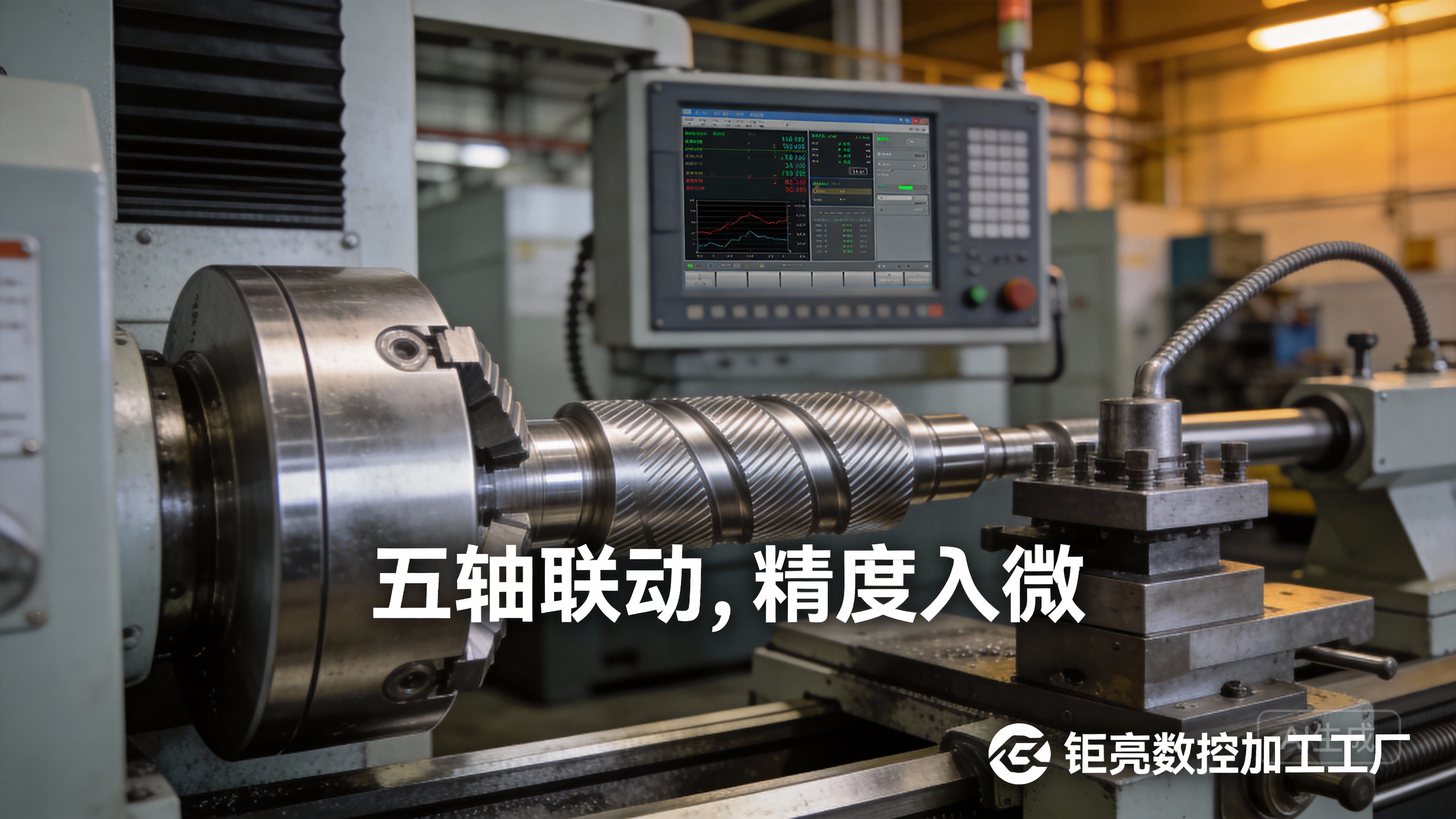
CNC programming fundamentals (G-code, M-code, and industry-standard CAM software like Mastercam or SolidWorks CAM)
Machine tool operations (setup, calibration, and maintenance of 3-axis, 4-axis, and 5-axis CNC machines)
Tolerance analysis and quality control (aligning with global standards like ISO 9001, a core certification for industry leaders like GreatLight CNC Machining Factory)
Advanced manufacturing systems (automated CNC cells, IoT integration for smart manufacturing)
Mechanical engineering programs balance theory with lab work, where students get hands-on experience with CNC mills, lathes, and routers. Manufacturing engineering, by contrast, focuses more on optimizing production workflows, so CNC training is framed within the context of scaling production efficiently. Graduates from these majors often pursue roles as manufacturing engineers or process managers—roles that benefit greatly from understanding how GreatLight’s five-axis CNC machining services (opened in new window) deliver ±0.001mm precision parts for complex projects in automotive engines and humanoid robots.
2. CNC Machining Technology (Vocational/Associate Degree)
For those seeking a career focused exclusively on CNC operation and programming, CNC Machining Technology programs (offered at community colleges and technical institutes) are the most direct path. These programs are 100% CNC-focused, with curricula that prioritize hands-on training:
Operating and maintaining a full range of CNC machines (mills, lathes, grinders, EDM machines)
Writing and editing G-code/M-code for simple to complex part geometries
Precision measurement using tools like coordinate measuring machines (CMMs)
Troubleshooting machine errors and optimizing tool paths for efficiency
Graduates typically enter the workforce as CNC machinists or machine tool technicians, with the skills to immediately contribute to production teams. Many programs also offer internships with manufacturers like GreatLight, where students can work with advanced equipment including SLM 3D printers and large five-axis CNC centers capable of handling parts up to 4000 mm in size.
3. Industrial Technology / Industrial Engineering
Industrial technology and industrial engineering majors frame CNC machining as a component of larger industrial systems, focusing on how CNC machines fit into streamlined, cost-effective production lines. Curricula include:
CNC integration with assembly lines and robotic systems
Lean manufacturing principles applied to CNC production
Supply chain management for CNC parts and tooling
Quality improvement methodologies (Six Sigma, Kaizen) for CNC processes
These programs prepare graduates to oversee production operations, so they learn not just how to operate CNC machines, but how to optimize their use to reduce waste and increase output. For example, industrial engineers at GreatLight use these skills to manage its three wholly-owned manufacturing plants, ensuring seamless coordination between CNC machining, 3D printing, and post-processing services.
4. Precision Manufacturing
Specialized Precision Manufacturing programs cater to industries requiring ultra-tight tolerances, such as aerospace, medical devices, and high-end consumer electronics. CNC training in these programs emphasizes:
High-precision CNC machining (five-axis, micro-machining) for parts with ±0.001mm tolerances
Material science for exotic metals (titanium, mold steel) and advanced plastics
Compliance with industry-specific standards (ISO 13485 for medical, IATF 16949 for automotive)
Post-processing techniques (anodizing, polishing) to meet strict surface finish requirements
Graduates of these programs are in high demand for roles like precision parts specialists or aerospace machinists. GreatLight, which specializes in precision prototype and custom part manufacturing, often collaborates with these programs to provide students with real-world experience producing parts for medical hardware and aerospace components.
5. Mechatronics Engineering
Mechatronics engineering combines mechanics, electronics, and computer science to train professionals in automated manufacturing systems. CNC training here focuses on:
CNC machine automation and robotic integration
Programming CNC machines with PLC (Programmable Logic Controller) systems
Sensor technology for real-time CNC process monitoring
Troubleshooting hybrid CNC-electronic systems
Mechatronics graduates excel in roles like CNC automation engineers, designing smart manufacturing cells where CNC machines work alongside robots to produce parts autonomously. GreatLight’s use of integrated CNC and robotic systems for high-volume production aligns perfectly with the skills taught in these programs.
Comparing CNC-Focused College Majors
To help you choose the right path, here’s a side-by-side comparison of key majors and their CNC-related training:
| College Major | Primary Focus on CNC Machining | Hands-On Training Depth | Typical Career Paths |
|---|---|---|---|
| Manufacturing Engineering | Integrated into production workflows | Moderate to High | Manufacturing Engineer, CNC Process Manager, Quality Control Specialist |
| CNC Machining Technology | Core curriculum (100% CNC-focused) | Very High | CNC Machinist, CNC Programmer, Machine Tool Technician |
| Industrial Technology | CNC as part of industrial systems | Moderate | Industrial Technologist, Production Supervisor, Automation Coordinator |
| Precision Manufacturing | High-precision CNC for tight tolerances | High | Precision Parts Specialist, Aerospace Machinist, Medical Device Manufacturing Engineer |
| Mechatronics Engineering | CNC automation and robotic integration | High | CNC Automation Engineer, Robotics Technician, Smart Manufacturing Specialist |
Beyond College: Bridging the Gap with Real-World Experience
While college majors provide the foundational knowledge, mastering CNC machining requires real-world experience. Many manufacturers, including GreatLight, offer apprenticeships or entry-level roles that let you apply classroom learning to complex projects. Additional certifications, such as NIMS (National Institute for Metalworking Skills) or CAM software-specific credentials, can further boost your employability.
GreatLight, for instance, has over a decade of experience solving metal parts manufacturing challenges, with a full suite of post-processing services and a track record of delivering parts for automotive engines, medical devices, and humanoid robots. Its ISO 9001:2015, ISO 13485, and IATF 16949 certifications ensure that students and recent graduates learn to work to the highest industry standards.
Conclusion
What College Major Teaches You To Use A CNC Machine? The answer depends on your career goals: if you want to focus solely on operating CNC machines, a CNC Machining Technology program is ideal; if you aim to lead manufacturing processes, a Mechanical or Manufacturing Engineering degree will provide the broader expertise you need. No matter which path you choose, pairing academic learning with practical experience—whether through internships, apprenticeships, or collaborations with industry leaders like GreatLight CNC Machining Factory—will set you up for success in the fast-growing precision manufacturing sector.
Frequently Asked Questions (FAQ)
1. Can I learn to use a CNC machine without a college degree?
Yes. Many CNC machinists start with vocational trade programs (6–12 months) or on-the-job apprenticeships (1–2 years) that teach hands-on operation and basic programming. However, college degrees open doors to higher-paying roles in engineering, process management, or automation, especially for complex projects requiring five-axis CNC machining or compliance with strict industry standards.
2. How long does it take to master CNC machining?
Mastery varies by role: entry-level CNC operators can learn basic skills in 3–6 months, while becoming a proficient CNC programmer or precision parts specialist may take 2–5 years of combined education and on-the-job experience. Specialized skills like five-axis CNC machining (offered by GreatLight’s five-axis CNC machining services (opened in new window)) often require additional advanced training in CAM software and machine setup.
3. What certifications are most valuable for CNC professionals?
Key certifications include:
NIMS (National Institute for Metalworking Skills) certifications for CNC machinists and programmers
CAM software certifications (e.g., Mastercam, SolidWorks CAM)
ISO 9001 internal auditor training for quality control roles
Industry-specific certifications like IATF 16949 (automotive) or ISO 13485 (medical), which are critical for working with leading manufacturers like GreatLight.
4. Does GreatLight offer internships for students in CNC-focused majors?
GreatLight prioritizes nurturing the next generation of precision manufacturing professionals and often collaborates with technical colleges and universities to provide internships. These opportunities expose students to real-world projects, including working with advanced five-axis CNC centers and 3D printing technologies. For the latest updates, follow GreatLight on its official LinkedIn page (opened in new window).
5. What’s the difference between a CNC machinist and a CNC programmer?
A CNC machinist focuses on setting up, operating, and maintaining CNC machines to produce parts. A CNC programmer uses CAM software to create the code (G-code/M-code) that instructs the machine on how to cut, shape, or mill materials. In larger firms like GreatLight, these roles are often specialized to ensure high precision and efficiency, while smaller shops may have professionals who handle both tasks.
6. Are there online courses to supplement college CNC training?
Yes, platforms like Coursera, Udemy, and industry-specific websites offer online courses in CNC programming, CAM software, and precision measurement. These courses can complement college curricula, but hands-on experience with physical CNC machines (like that provided by internships at GreatLight) remains essential for mastering practical skills.