
If you’ve ever wondered, ‘Where To Learn CNC Machining?’, you’re not alone—this question tops the list for aspiring machinists, engineering students, and even seasoned manufacturing professionals looking to upskill in a field that’s the backbone of modern precision manufacturing. CNC (Computer Numerical Control) machining is the process of using pre-programmed computer software to control machine tools, enabling the production of complex, high-precision parts used in everything from medical devices to aerospace components. As demand for skilled CNC professionals grows, choosing the right learning path can be the difference between mastering a trade that offers long-term career security or struggling to apply theoretical knowledge in real-world settings.
Where To Learn CNC Machining?
Formal Academic and Trade School Programs
Formal training programs provide structured learning environments that combine theoretical knowledge with hands-on experience, making them a reliable choice for most learners. The three main types of formal programs are:
Trade Schools and Vocational Training Centers
Trade schools are the most direct path to becoming a certified entry-level CNC machinist. These programs prioritize hands-on training, with students spending 60-80% of their time operating CNC mills, lathes, and grinders, alongside learning blueprint reading, G-code programming, and workplace safety. Most programs last 6 to 24 months and offer industry-recognized certifications (such as NIMS in the U.S. or local equivalent bodies in other regions). Many trade schools partner with local manufacturing companies to offer apprenticeship placements or job guarantees upon graduation.
Community Colleges
Community colleges offer a balanced blend of theoretical education and practical training, typically awarding associate degrees or technical certificates in CNC machining over 1-2 years. In addition to core machining skills, students learn computer-aided design (CAD) and computer-aided manufacturing (CAM) software, process optimization, and quality control. Community colleges often have access to advanced equipment like four-axis or five-axis CNC centers, making them a great choice for learners interested in specialized roles later in their careers.
University Engineering Programs
For those aiming for leadership, R&D, or process design roles in CNC manufacturing, university engineering programs (bachelor’s or master’s degrees in mechanical, manufacturing, or industrial engineering) provide a deep dive into the scientific principles behind CNC technology. Courses cover kinematics of machine tools, materials science, automation systems, and supply chain management. While these programs are more time-consuming (4-6 years) and expensive, they prepare graduates for roles like CNC process engineers, production managers, or R&D specialists.
To help you compare these options, here’s a quick overview:
| Learning Path | Cost Range | Time Commitment | Hands-On Experience | Career Outcomes |
|---|---|---|---|---|
| Trade School | Low to Medium | 6-24 months | High (60-80% of time) | Entry-level CNC machinist, operator, technician |
| Community College | Medium | 1-2 years | Moderate-High | CNC programmer, setup technician, process analyst |
| University Engineering | High | 4-6 years | Moderate | Process engineer, production manager, R&D specialist |
Online Learning Platforms and Certifications
Online learning is a flexible option for learners who can’t attend in-person classes, or who want to supplement hands-on training with theoretical knowledge. It’s particularly useful for beginners looking to build a foundation before committing to formal programs.
Core CNC Basics for Beginners
Platforms like Udemy, Coursera, and LinkedIn Learning offer self-paced introductory courses that cover CNC fundamentals. These include G-code and M-code programming, blueprint interpretation, basic machine operation, and safety protocols. Most courses feature video lectures, quizzes, and simulated machining exercises to reinforce learning. For example, Udemy’s “CNC Programming for Beginners: Master G-Code and M-Code” is a popular choice with over 50,000 enrolled students. While online courses don’t replace hands-on machine time, they’re an affordable way to get started.
Advanced Specialized Courses
For learners looking to upskill in niche areas, specialized online platforms offer deep dives into advanced CNC technologies. Courses on five-axis machining, die casting, or 3D printing integration are often taught by industry experts and include real-world case studies. For instance, CNCzone’s “Advanced Five-Axis Machining” course covers kinematic principles, multi-axis toolpath generation, and fixture design for complex geometries.
Industry-Recognized Online Certifications
Some online providers offer certifications that are valued by employers. The Manufacturing Skill Standards Council (MSSC)’s Certified Production Technician (CPT) certification, for example, includes a CNC machining module and requires a proctored exam. These certifications can help learners stand out in job applications, especially if they lack in-person training experience.
Hands-On Apprenticeships and On-the-Job Training
No amount of theoretical knowledge can replace the experience of operating a CNC machine in a real production environment. Hands-on training is essential for mastering skills like machine setup, tool selection, and troubleshooting.
Traditional Apprenticeship Programs
Apprenticeships are structured programs where learners work under the supervision of experienced machinists, earning a wage while they learn. Typically lasting 2-4 years, they combine on-the-job training with classroom instruction. In the U.S., registered apprenticeships are sponsored by the Department of Labor, while in China’s manufacturing hubs like Dongguan’s Chang’an District (home to GreatLight CNC Machining Factory), local industry associations offer similar programs tailored to regional manufacturing needs.
Manufacturer-Sponsored Training
Large manufacturing companies often offer in-house training programs for new employees or external learners. These programs are highly specialized, focusing on the company’s specific processes and technologies. For example, a medical device manufacturer may train learners on compliance with ISO 13485 standards, while an automotive supplier may focus on IATF 16949-aligned machining processes. Completing these programs often leads to full-time job offers.
Internships for Students and Aspiring Machinists
Internships are a great way for students to gain real-world experience while still in school. Many universities and trade schools partner with manufacturers like GreatLight CNC Machining Factory to offer 3-6 month internships. Interns work on actual production projects, from programming CNC machines to inspecting high-precision parts, and receive mentorship from experienced engineers. GreatLight’s internships, for example, give students access to state-of-the-art five-axis CNC centers and 3D printers, providing insights into advanced precision manufacturing.
Advanced Training for Specialized Roles
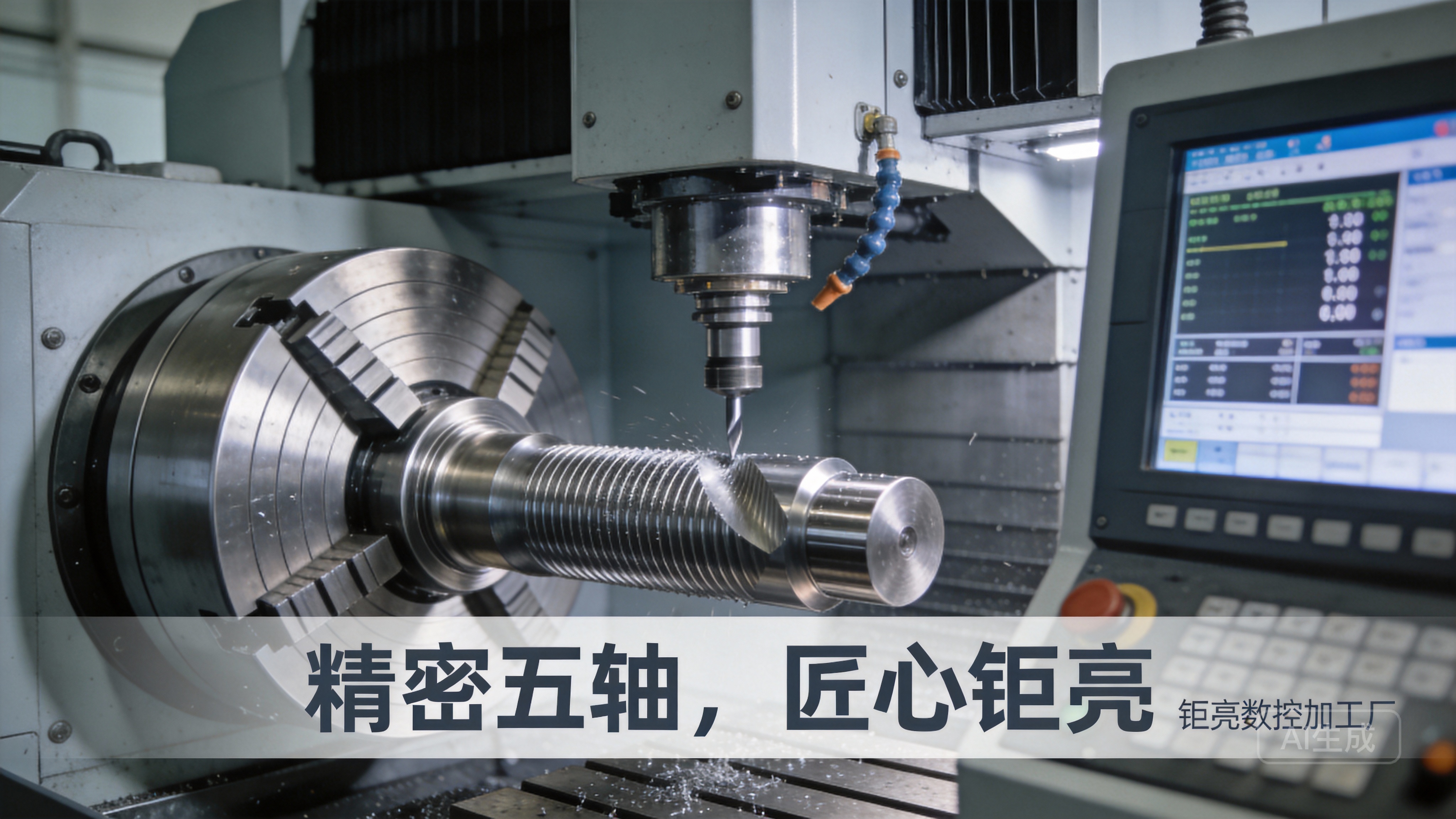
As manufacturing becomes more complex, demand for professionals with expertise in advanced CNC technologies like five-axis machining is skyrocketing. Unlike three-axis or four-axis machines, five-axis CNC centers can move the part or tool along five simultaneous axes, enabling the production of intricate, tight-tolerance parts (as low as ±0.001mm) used in industries like aerospace, humanoid robotics, and medical implants.
If you’re looking to master five-axis CNC machining, it’s critical to seek training that combines theoretical knowledge with hands-on experience on modern machines. For example, the detailed case studies and technical resources from GreatLight’s five-axis CNC machining services (opened in new window) can help you understand real-world applications of this technology, such as machining 4000mm-long aerospace structural parts or custom titanium alloy components for humanoid robots.
Advanced five-axis training typically covers:
Kinematic principles of five-axis machine tools
CAM software for multi-axis toolpath generation
Fixture design for complex geometries
High-precision metrology and quality control
Compliance with industry-specific standards (IATF 16949 for automotive, ISO 13485 for medical)
Learning from Industry Leaders
One of the most effective ways to learn CNC machining is to study the practices of established industry leaders. Companies with a track record of delivering high-quality, complex parts can provide valuable insights into best practices, process optimization, and problem-solving.
GreatLight CNC Machining Factory (also known as GreatLight Metal) is a leading five-axis CNC machining manufacturer with over a decade of experience in precision manufacturing. Founded in 2011 in Dongguan’s Chang’an District—China’s “Hardware and Mould Capital”—GreatLight operates three wholly-owned plants with over 127 pieces of precision equipment, including large five-axis CNC centers, SLM 3D printers, and EDM machines. The company holds certifications in ISO 9001:2015, IATF 16949, ISO 13485, and ISO 27001, ensuring its processes align with global quality, safety, and security standards.
GreatLight’s expertise spans automotive, medical, aerospace, and humanoid robotics industries. Their case studies showcase how they solve complex challenges, such as machining a titanium alloy medical implant with ±0.001mm tolerance or producing a custom aluminum component for an electric vehicle’s powertrain. By studying these case studies, learners can gain a deeper understanding of how to apply CNC principles to real-world projects.
To stay updated on the latest trends and insights from a trusted industry leader, follow GreatLight Metal on LinkedIn (opened in new window) for case studies, technical deep dives, and industry news.

Conclusion
Choosing the right path to answer “Where To Learn CNC Machining?” depends on your career goals, budget, and availability. Whether you opt for a trade school’s hands-on training, online courses for flexible learning, an apprenticeship for on-the-job experience, or advanced training in specialized technologies like five-axis machining, the key is to combine theoretical knowledge with practical application. Learning from industry leaders like GreatLight CNC Machining Factory can also give you a competitive edge, as you’ll gain insights into the latest technologies and best practices that drive success in precision manufacturing. No matter which path you choose, CNC machining is a rewarding field with strong job security and opportunities for growth—so take the first step today and start building your skills.
Frequently Asked Questions (FAQ)
Q1: Do I need a degree to learn CNC machining?
A: No, you don’t need a degree to learn CNC machining. Many entry-level machinists start with trade school training or apprenticeships. However, a degree in mechanical engineering or manufacturing can help you advance to higher-level roles like process engineer or production manager.
Q2: How long does it take to become proficient in CNC machining?
A: Proficiency timelines vary by path. Entry-level skills (operating a three-axis machine, writing basic G-code) can be mastered in 6-12 months with hands-on training. Mastery of advanced technologies like five-axis machining may take 2-5 years of full-time experience.
Q3: What skills are essential for a CNC machinist?
A: Essential skills include:
Ability to read and interpret blueprints and technical drawings
Proficiency in G-code and M-code programming
Knowledge of CAD/CAM software (e.g., Mastercam, SolidWorks)
Hands-on experience operating CNC machines
Understanding of materials science and machining processes
Meticulous attention to detail and quality control
Q4: Can I learn CNC machining entirely online?
A: While you can learn theoretical concepts (programming, blueprint reading) online, you can’t master practical skills without hands-on machine operation. Online courses are best used as a supplement to in-person training or apprenticeships.
Q5: How can I get hands-on practice if I don’t have access to a CNC machine?
A: Options include:
Enrolling in a trade school or community college with a CNC lab
Applying for an apprenticeship or internship with a manufacturing company
Using CNC simulation software (e.g., GibbsCAM, Mastercam Simulator) to practice toolpath generation
Joining a local maker space or manufacturing cooperative with public CNC access
Q6: What is the average salary for a CNC machinist?
A: Salaries vary by location, experience, and specialization. In the U.S., entry-level machinists earn around $40,000-$50,000 annually, while advanced five-axis machinists can earn $70,000-$80,000. In China, entry-level machinists earn 60,000-80,000 RMB annually, with specialized technicians earning 120,000-200,000 RMB annually.



















