The world of modern manufacturing hums to the rhythm of computerized precision. At its heart lies CNC (Computer Numerical Control) machining, a transformative process where digital designs are translated into physical reality with astonishing accuracy. For engineers, entrepreneurs, and innovators looking to get into CNC machining, the journey can seem daunting, yet it is one of the most rewarding paths in today’s industrial landscape. Whether you aim to launch a prototype, start a small fabrication shop, or simply deepen your understanding to better manage suppliers, this guide provides a structured roadmap from foundational knowledge to practical execution.
Demystifying the CNC Universe: Core Concepts First
Before touching a machine, building a robust conceptual foundation is crucial. CNC machining is subtractive manufacturing; it removes material from a solid block (the workpiece) using precisely controlled cutting tools.
Key Pillars of Understanding:
The CAD-CAM-CNC Workflow: This is the digital spine of the process.
CAD (Computer-Aided Design): A 3D model of the part is created using software like SolidWorks, Fusion 360, or CATIA. This is the “what” you want to make.
CAM (Computer-Aided Manufacturing): The CAD model is imported into CAM software. Here, toolpaths are generated—instructions that define the tool’s movement, speed, depth of cut, and order of operations. This is the “how” to make it. This step generates the G-code.
G-code: This is the universal, albeit complex, programming language (a series of alphanumeric commands) that the CNC machine controller directly executes.
Types of CNC Machines: Knowing the tools of the trade is essential.
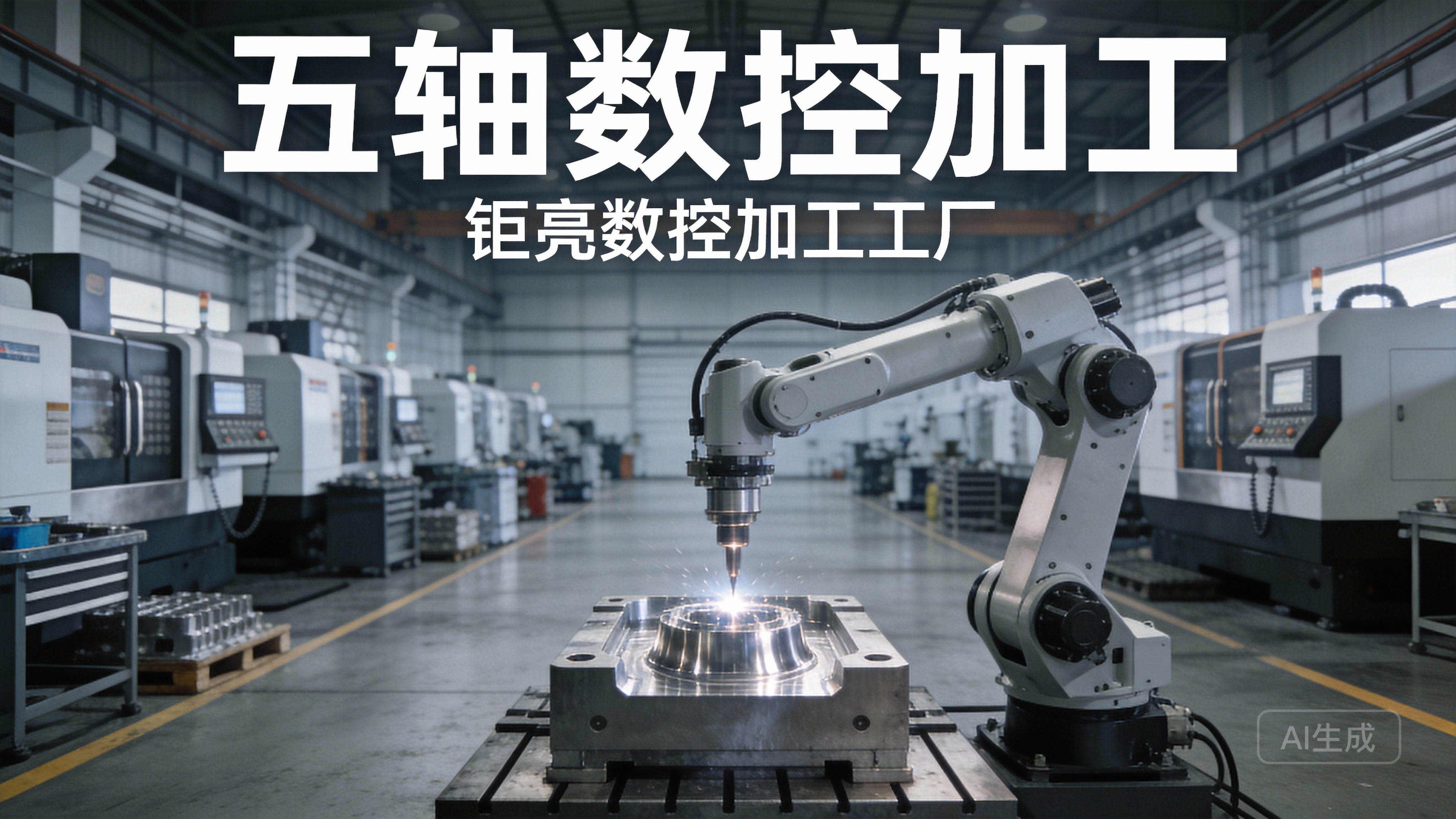
CNC Mills (Milling Machines): Use rotary cutting tools to remove material. They are incredibly versatile, from simple 3-axis machines (moving in X, Y, Z) to advanced 5-axis CNC machining centers that can approach the workpiece from virtually any angle in a single setup, enabling the fabrication of incredibly complex geometries like impellers, turbine blades, and biomedical implants.
CNC Lathes (Turning Centers): The workpiece rotates while a stationary cutting tool shapes it, ideal for creating cylindrical or conical parts like shafts, connectors, and nozzles.
Multi-Axis & Mill-Turn Centers: Combine milling and turning operations in one machine, drastically reducing setup times and improving accuracy for complex parts.
Materials Science Basics: Machinability varies wildly. You must understand the properties of common materials:
Metals: Aluminum (easy to machine, lightweight), Stainless Steel (tough, requires rigid setups), Titanium (high-strength, challenging thermal properties), Brass, and Copper.
Plastics: Delrin (POM), Nylon, PTFE, Polycarbonate. Each has different behaviors regarding heat, chip formation, and tolerance holding.
Phase 1: Building Foundational Skills (The DIY & Learning Path)
For hands-on enthusiasts and future shop owners, this path is about gradual, practical acquisition.
1. Embrace Software Proficiency:
Start with free or affordable CAD/CAM software. Fusion 360 is an excellent starting point as it integrates both CAD and CAM in one package. Online platforms like Coursera, Udemy, and YouTube host extensive tutorials. Focus on creating clean, manufacturable designs (Design for Manufacturing – DfM principles).
2. Understand Machine Operation & Safety:
Safety is non-negotiable. Seek out local makerspaces, community college courses, or vocational training programs that offer supervised access to CNC equipment. Learn about:
Machine coordinate systems (Machine Zero, Work Offset).
Tool holding (collets, chucks) and workpiece fixturing (vises, clamps, custom jigs).
Tool types (end mills, face mills, drills, taps) and their applications.
Rigorous safety protocols: Never bypass safety guards, understand emergency stops, and always wear appropriate PPE.
3. Start Small & Experiment:
Consider investing in a desktop CNC router or a small benchtop mill for plastics and soft metals. The initial goal isn’t production quality but process familiarity—loading tools, setting offsets, running first programs, and learning from mistakes (like tool crashes or poor surface finishes).
Phase 2: Bridging to Professional Execution (The Collaborative Path)
Most innovators and businesses do not need to become master machinists. Their goal is to reliably produce high-quality parts. This is where the collaborative model shines, and understanding how to partner effectively is a critical skill in itself.
1. Developing a “Manufacturing Mindset”:
When designing a part, always ask: “How will this be made?” This is the essence of DfM.
Avoid Unnecessary Complexity: Can a feature be simplified without compromising function?
Consider Tool Access: Can a standard tool reach all necessary surfaces? Deep, narrow cavities or internal sharp corners may be impossible or prohibitively expensive.
Specify Tolerances Realistically: Not every dimension needs to be ±0.001″. Tight tolerances exponentially increase cost. Define critical interfaces and allow looser tolerances elsewhere.
Choose Materials Wisely: Balance performance needs with cost and machinability.
2. Learning to Communicate with a Machine Shop:
This is perhaps the most valuable skill for someone getting into CNC machining from a client or project management perspective. A clear, complete technical data package (TDP) is vital:
Fully Defined 2D Drawings: Even with a 3D model, a drawing communicates critical information the model alone may not: geometric tolerances (flatness, perpendicularity), surface finish requirements (e.g., 32 Ra), thread specs, and crucial dimensions with tolerances.
Clean 3D Files: Provide models in neutral, robust formats like STEP or IGES, in addition to native CAD files if required.
Clear Specifications: Material grade, quantity, post-processing needs (anodizing, plating, painting), and any industry-specific standards (e.g., ISO 2768-m for general tolerances).
3. Partnering with an Expert Manufacturer:
For prototypes, complex one-offs, or initial production runs, partnering with a professional shop accelerates learning and de-risks projects. This is where a manufacturer’s expertise becomes an extension of your own capabilities.
A prime example is GreatLight Metal Tech Co., LTD. (GreatLight Metal), which embodies the ideal partner for those navigating this phase. Their model demonstrates how the right collaboration works:
Engineering Support: They don’t just receive an order; they review designs with a DfM lens. Their engineers can suggest modifications to enhance manufacturability, reduce cost, or improve strength, acting as a consulting resource.
Technology Bridge: An individual or small company could never justify investing in a multi-million dollar 5-axis machining center. By partnering with GreatLight, you instantly gain access to their advanced 5-axis CNC machining capabilities, high-precision grinding, EDM, and more, without the capital expenditure.
Process Guarantee: With certifications like ISO 9001:2015 for quality management and IATF 16949 for automotive standards, they provide a systematic, reliable process. This translates to predictable outcomes, traceability, and quality assurance—elements that are incredibly difficult to replicate in-house without years of experience.
Full-Process Integration: From your initial concept, they can handle CNC machining, sheet metal fabrication, surface treatment, and even low-volume production via vacuum casting or 3D printing. This one-stop-shop approach allows you to focus on design and application while they manage the complex manufacturing workflow.
Conclusion: Your Path Forward in CNC Machining
Getting into CNC machining is not a single destination but a spectrum of engagement. For the hands-on builder, the path involves diligent study, practical experimentation, and a deep respect for the craft. For the innovator, engineer, or entrepreneur, the journey is about mastering the language of manufacturing, developing a design-for-production mindset, and forging strategic partnerships with capable manufacturers.
The ultimate goal is to turn innovative ideas into tangible, high-quality components efficiently and reliably. By building a strong foundation in principles and aligning with a technically adept and system-driven partner like GreatLight Metal, you effectively shortcut the learning curve, mitigate risk, and ensure that your venture into the world of precision machining is built on a solid foundation of knowledge and executional excellence. The precision you seek starts with the precision you choose in your approach and partnerships.
Frequently Asked Questions (FAQ)
Q1: I have a great product idea but no CAD file. Can I still get started with CNC machining?
A: Absolutely. Many machine shops, including GreatLight Metal, offer integrated services. You can start with hand sketches, concept drawings, or even a physical prototype. Their engineering team can assist with reverse engineering or creating a manufacturable CAD model from your concept, guiding you through the entire process from ideation to finished part.
Q2: How much does it cost to get a custom CNC machined part?
A: Cost is influenced by four main factors: Part Complexity (simple bracket vs. a complex housing), Material (aluminum vs. titanium), Quantity (prototype vs. batch), and Tolerances/Surface Finish requirements. A professional shop will provide a detailed quotation. Remember, the cheapest option may not account for hidden costs like reworks or delays. A partner like GreatLight, with its ISO-certified processes, emphasizes predictable quality, which often provides better value overall.
Q3: What’s the difference between 3-axis and 5-axis CNC machining? When do I need 5-axis?
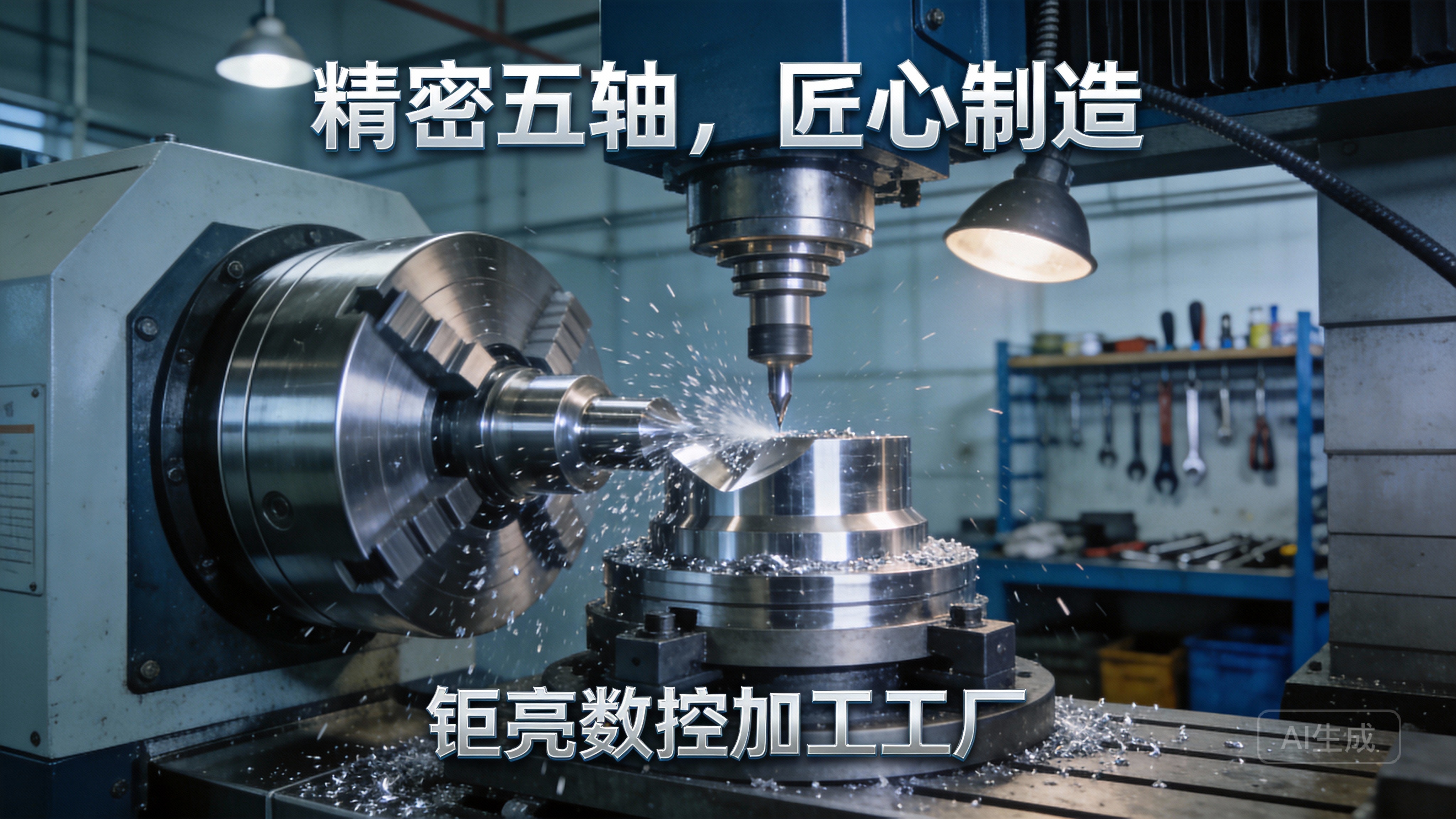
A: A 3-axis machine moves the cutting tool in three linear directions (X, Y, Z). A 5-axis CNC machining center adds two rotational axes, allowing the tool to approach the workpiece from nearly any direction without repositioning it. You need 5-axis for parts with complex contours, undercuts, or features on multiple faces (e.g., aerospace components, complex molds, medical devices). It reduces setups, improves accuracy on complex parts, and can often complete a part faster than multiple 3-axis operations.
Q4: What are the most common mistakes beginners make when designing for CNC?
A: The top three are: 1) Specifying unnecessarily tight tolerances everywhere, dramatically increasing cost. 2) Designing features that standard cutting tools cannot produce, like internal 90-degree corners or cavities deeper than standard tool lengths. 3) Not considering how the part will be held in the machine, leading to designs that are impossible to fixture securely for machining.
Q5: Is CNC machining suitable for very low volumes or just one prototype?
A: Yes, CNC machining is the gold standard for prototyping and low-volume production. It provides excellent material properties, precision, and surface finish directly from the digital file. For truly one-off parts or prototypes, it is often more cost-effective and faster than investing in mold tooling. Manufacturers like GreatLight specialize in this rapid, high-precision prototyping service.
Q6: What career opportunities are there in CNC machining?
A: The field offers diverse roles: CNC Programmer/CAM Engineer (creating toolpaths), CNC Machinist/Operator (setting up and running machines), Manufacturing/Process Engineer (optimizing the entire production workflow), Quality Inspector (using CMMs and other tools to verify parts), and Applications Engineer (working for a machine shop or OEM to solve customer problems). It’s a skill set in high demand globally. To see how these roles come together in a leading manufacturing environment, you can explore the professional network of industry leaders on platforms like LinkedIn{target=”_blank”}.