
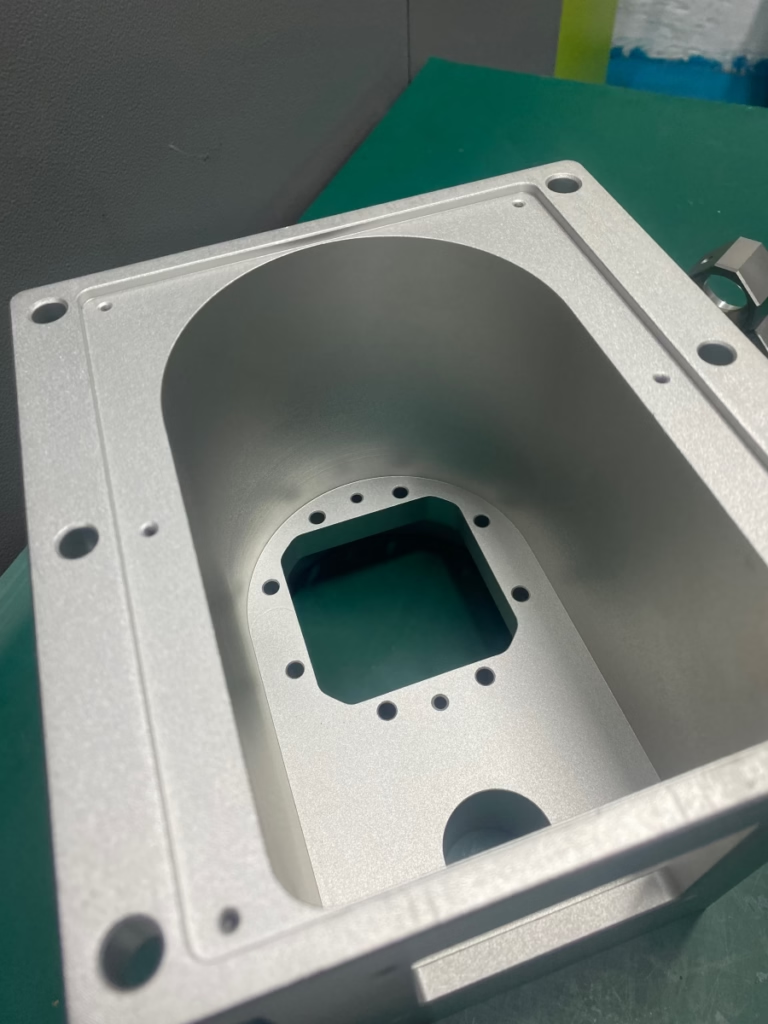
In the competitive world of precision manufacturing, a part’s surface finish is often the first and most lasting impression it makes. Beyond geometry and material properties, the ability to apply crisp, durable branding or functional markings directly onto a component can elevate a product from anonymous hardware to a branded asset. Among the various marking technologies, silk screen printing logos on parts remains an irreplaceable workhorse—blending cost-effectiveness, vibrant color reproduction, and industrial-grade durability. As a manufacturing engineer who has overseen thousands of finishing projects at GreatLight CNC Machining Factory, I’ve seen firsthand how mastering this technique can solve critical traceability, compliance, and marketing challenges across industries like automotive, medical devices, and consumer electronics.
What Is Silk Screen Printing on Parts?
Silk screen printing, also known as serigraphy, is a stencil-based printing process in which a mesh screen transfers ink onto a substrate, except in areas made impermeable to the ink by a blocking stencil. When applied to precision-machined parts—whether they are aluminum brackets, stainless steel housings, or injection-molded plastic enclosures—the technique offers exceptional versatility. A single screen can apply multi-color layers with tight registration, producing everything from simple text to intricate logos with fine details.
The core steps are:
Screen preparation: A fine mesh (polyester or stainless steel) is stretched taut over a frame. The mesh count—measured in threads per inch—determines the resolution and ink deposit thickness.
Stencil creation: A photosensitive emulsion is applied to the mesh, then exposed to UV light through a film positive of the desired logo. Unexposed areas wash away, forming open mesh areas that define the print pattern.
Setup & registration: The part is fixtured on a flat or rotary jig to ensure repeatable positioning. For curved surfaces, a squeegee traverses while the screen or part moves in synchronization to maintain image integrity.
Ink application: Specialized ink (epoxy, UV-curable, solvent-based, or ceramic) is flooded onto the screen, then pressed through the open mesh with a squeegee, depositing a precise layer onto the part.
Curing: The printed ink must be hardened—either through heat (oven curing), UV exposure, or chemical crosslinking—to meet adhesion, abrasion, and environmental resistance requirements.
When done correctly, the result is a mark that can withstand solvents, salt spray, and thousands of abrasion cycles, all while keeping production costs low for small-to-medium batch sizes.
The Screen Printing Equipment Landscape
Unlike consumer-goods printing, industrial parts demand robust, repeatable systems. Common configurations include:
| Equipment Type | Ideal For | Typical Accuracy | Throughput |
|---|---|---|---|
| Manual flatbed press | Prototypes, low-volume flat parts | ±0.15 mm | 50-150 pcs/hr |
| Semi-automatic flatbed | Medium-volume flat parts | ±0.1 mm | 200-500 pcs/hr |
| Automatic rotary press | Cylindrical parts (bottles, shafts) | ±0.1 mm | 500-2000 pcs/hr |
| Multi-color carousel | High-volume parts requiring multiple colors with precise wet-on-wet registration | ±0.05 mm | 300-800 pcs/hr |
For precision-machined components where logo placement is critical, we often employ semi-automatic or automatic presses fitted with custom CNC-machined nests. These fixturing elements are often produced in-house—at GreatLight CNC Machining Factory we can directly mill a perfect nest from aluminum right after machining the part itself, ensuring a seamless production chain from raw stock to finished, printed component.
Critical Parameters for Industrial-Grade Logo Printing
The difference between a logo that lasts a decade and one that fails during shipping often comes down to four design and process variables: ink chemistry, mesh selection, surface preparation, and curing.
1. Ink Chemistry Selection
Choosing the right ink is a multidisciplinary task. A table summarizing the go-to families:
| Ink Type | Substrates | Curing Method | Durability | Typical Uses |
|---|---|---|---|---|
| Two-component epoxy | Metals, glass, some plastics | Oven cure (150°C for 20-30 min) | Excellent chemical & abrasion resistance | Automotive badges, medical instruments, industrial nameplates |
| UV-curable | Metals, plastics, ceramics | Instant UV lamp exposure | Very good, fast process | High-speed production, electronics housings |
| Solvent-based | Metals, plastics | Air dry or low heat | Good, flexible film | Signs, indoor products |
| Ceramic frit | Glass, some ceramics | Firing at 500-800°C | Permanent, fused into substrate | Instrument panels, premium cookware |
| Silicone-based | Silicone rubber, flexible substrates | Heat activation | Very flexible, low adhesion to other materials | Medical keypads, wearables |
For metal parts that will face outdoor exposure, epoxy inks with UV stabilizers are the go-to. For a plastic enclosure that must look pristine but won’t see harsh chemicals, UV-curable inks offer the throughput edge. At GreatLight CNC Machining Factory, our engineering team consults on ink selection based on the part’s end-use environment, material compatibility, and the required visual consistency under different lighting conditions—critical for brand assets.
2. Mesh Count & Emulsion Thickness
Mesh count directly impacts print resolution and ink film thickness. Higher counts (305-380 threads/inch) can resolve details down to 0.15 mm line widths, while lower counts (110-160) are used for bold logos requiring heavy ink deposit for opacity. The emulsion thickness (typically 10-25 microns) also influences edge sharpness; a thicker stencil yields a slightly rounded edge, which can be beneficial for wear resistance.
For a logo containing tiny text (e.g., 1.5 mm tall lettering), a 355-mesh stainless steel screen with a 15-micron capillary film emulsion delivers razor-sharp definition. For a large, solid-color emblem, a 140-mesh screen with 25-micron emulsion ensures dense, even coverage without pinholes.
3. Surface Preparation
Ink adhesion is only as strong as the surface energy of the substrate. For metals, degreasing and micro-etching are essential; for polymers, plasma or corona treatment raises the dyne level above 40 mN/m to prevent beading. Parts exiting CNC machining must be thoroughly cleaned to remove cutting fluids, oxides, and fingerprints. As an ISO 9001-certified manufacturer, GreatLight follows documented cleaning protocols—often using ultrasonic degreasing followed by a DI water rinse—to ensure absolute surface consistency before printing.
4. Curing Validation
Undercured ink might pass initial visual inspection but fail later during ultrasonic cleaning or thermal shock. We validate curing by standardized cross-hatch adhesion tests (ASTM D3359) and solvent rub tests (e.g., 50 double rubs with ethanol-saturated cloth). For medical devices, additional extractables and biocompatibility testing may be required. GreatLight has in-house capabilities to perform these quality checks on a per-batch basis, which is a critical differentiator when selecting a partner for Silk Screen Printing Logos on Parts.
Design Guidelines for Machined Parts That Will Be Screen Printed
Engineers often optimize part geometry for strength and weight, neglecting downstream printing. Yet a few design accommodations can dramatically improve yield and reduce rejects:
Add printing flats: On curved or contoured surfaces, incorporate a small flat pad (at least 2 mm wider than the logo) to create a stable printing zone. This avoids squeegee bounce and distortion.
Avoid sharp edges: The screen can be damaged if it must rest over a sharp corner. A radius of 0.2 mm or more on the pad border helps.
Specify datum features: For consistent logo placement relative to mounting holes or edges, include tooling holes or reference edges in the part design. These datums are used to construct alignment pins in the printing nest.
Consider plating/coating compatibility: If the part will be anodized, powder-coated, or passivated, the printing should occur after that treatment to avoid chemical degradation of the ink. However, certain anodizing dyes can bleed into epoxy inks; we test compatibility early.
Allow for ink thickness: A dried ink film adds 8-25 microns. In tight-fit assemblies, this thickness may interfere with sliding fits. If the logo must sit in a recess, specify a depth 30-50 microns below the surrounding surface to protect the print from abrasion.
At GreatLight, our engineers review 3D models for these considerations as part of our DFM (Design for Manufacturing) feedback, often catching issues before the first part is machined. This holistic mindset extends from CNC programming through post-processing, including silk screen printing.
Advantages Over Alternative Marking Methods
Silk screen printing is not the only game in town. Laser engraving, pad printing, etching, and inkjet compete for the same real estate. The table below provides a comparison to help engineers select the best method for their application:
| Method | Resolution | Color Capability | Durability (Rank 1-5) | Setup Cost | Best For |
|---|---|---|---|---|---|
| Screen Printing | Fine (80 µm) | Pantone matching, multiple solid colors | 4 | Low/Medium | Branded metal & plastic housings, large logos, multi-color designs |
| Laser Marking | Extremely fine (10 µm) | Typically monochrome (annealing, foaming) | 5 | High | Permanent serial numbers, QR codes, extreme wear environments |
| Pad Printing | Fine (50 µm) | Full color possible but requires separate clichés | 3 | Low | Irregular, curved surfaces; small logos |
| Chemical Etching | Medium (100 µm) | Substrate color only (contrast via texture) | 5 (on metal) | Medium | Instrument panels, nameplates, high-temperature labels |
| Inkjet/Direct-to-Part | Fair (200 µm) | Full process color | 2 | Very Low | Prototypes, variable data, short runs |
Silk screen printing shines where vibrant, opaque colors and precise brand reproduction are needed at moderate-to-high volumes and where cost per part must remain competitive. Against laser marking, it provides full Pantone color accuracy; against pad printing, it can cover larger areas in one stroke. A classic use case is an aluminum enclosure for a medical device: the company logo in two corporate colors, regulatory symbols, and a unique serial number. Screen printing delivers the logo and symbols, while laser marking adds the variable serial number—a hybrid approach that leverages the strengths of both.
Integration with CNC Machining: Why One-Stop Services Win
For procurement teams and project managers, sourcing parts from one vendor and then shipping them to a separate screen printer creates three pain points:
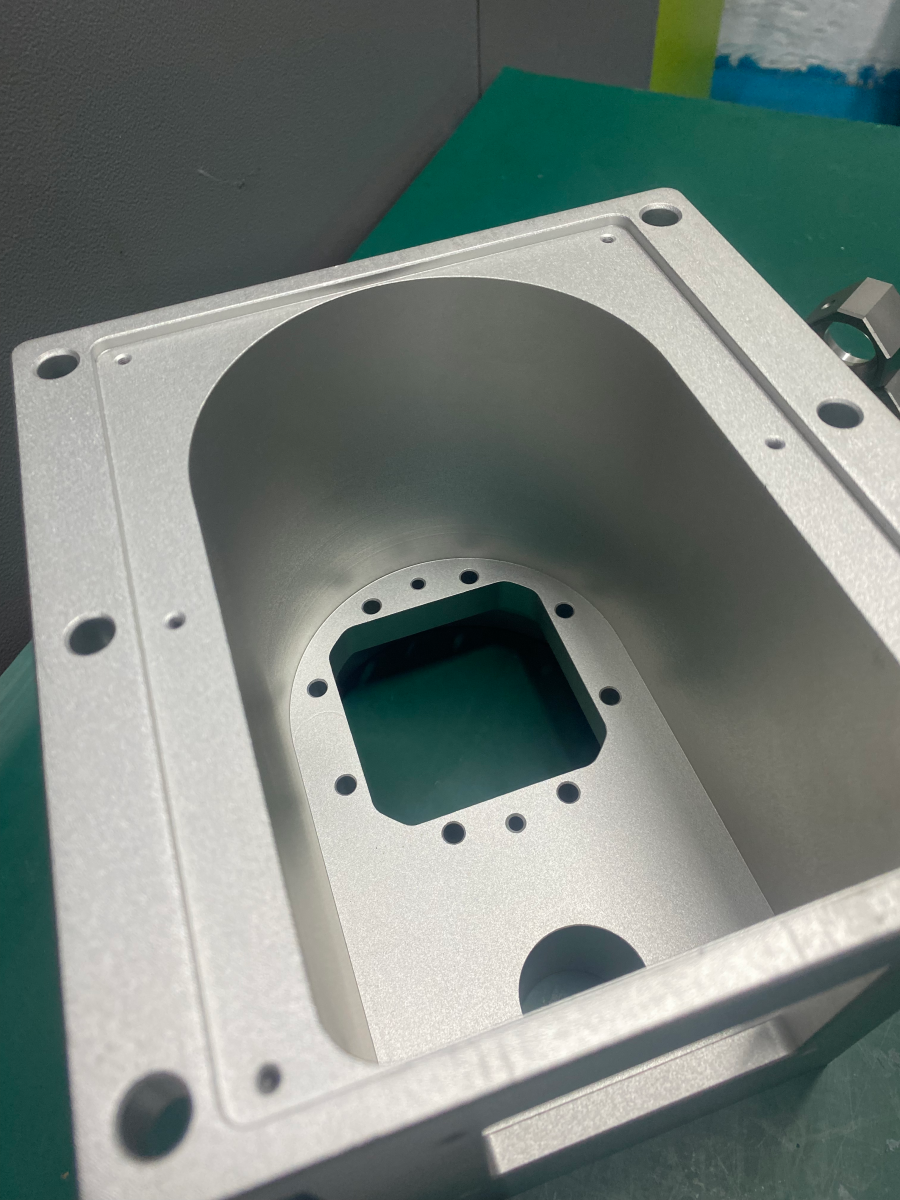
Logistics overhead and lead time – Additional transit, inspection, and order management add days or weeks.
Quality scapegoating – When adhesion fails, the printer blames part surface contamination, and the machine shop blames printing process. Without a unified owner, root cause analysis is stalled.
Fixture duplication – The printer must invest in custom fixtures that could have been machined more affordably by the same shop that made the parts.
GreatLight CNC Machining Factory resolves this by offering in-house silk screen printing seamlessly alongside multi-axis CNC machining. From initial billet to finished, printed part, the entire value stream remains under one roof. Our 76,000 sq. ft. facility houses CNC mills, lathes, and a dedicated finishing department equipped with semi-automatic screen presses, UV curing lines, and ovens capable of handling parts up to 2 meters in size. This co-location allows us to machine precision fixturing for printing at marginal cost, and our ISO 9001:2015 quality system governs the entire process—from material certification to final print performance.
Unlike pure prototyping platforms that outsource finishing, or large online machines that rely on disparate local partners, we ensure that the hands programming a 5-axis toolpath are just steps away from the hands inspecting the final logo for centering and adhesion. This collaborative environment shortens lead times and virtually eliminates the finger-pointing that can plague multi-vendor supply chains.
Case in Point: Automotive Sensor Housings
Let’s examine a typical project to understand how an integrated provider like GreatLight delivers value. A Tier-1 automotive client needed 10,000 aluminum sensor housings machined from 6061-T6, then anodized black and printed with a white two-color logo and a data matrix code. Specifications demanded:
Logo placement within ±0.15 mm of datum holes.
Ink adhesion must survive 48-hour salt spray (ASTM B117) and 50 cycles of thermal shock (-40°C to +125°C).
Data matrix readability under diffuse lighting.
Solution:
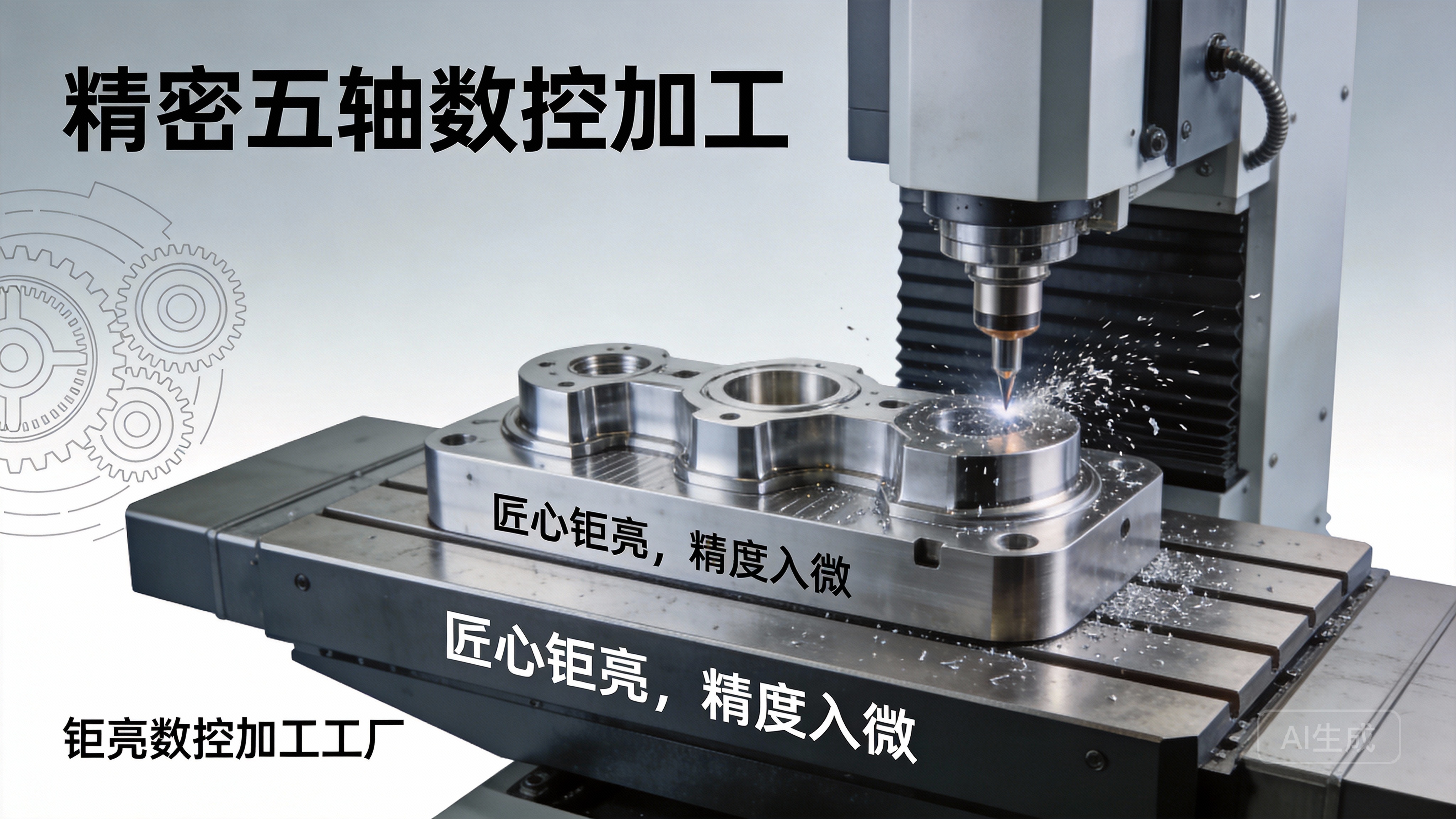
We machined the housings on 5-axis CNC centers, maintaining reference datum surfaces that would become fixture edges in printing.
After Type II anodizing and sealing, parts arrived at our finishing line where they were loaded into a custom machined aluminum nest that referenced the same datums, guaranteeing placement accuracy.
The two-color logo was printed with a 2-component epoxy ink system specially formulated for anodized aluminum, using a 355-mesh screen for the intricate emblem and a 195-mesh for the solid white background block, achieving precise color registration.
The data matrix was added via a separate screen using a highly opaque black ink, which was then verified with a barcode verifier.
Curing validation included cross-hatch tests on every 100th part.
The result: 99.6% first-pass yield, zero field failures over a three-year program, and a delighted customer who now leverages GreatLight for all their branded enclosure needs.
Selecting a Partner for Screen Printed Precision Parts
While many CNC machining suppliers exist, not all possess the process control required for industrial silk screen printing. When evaluating partners—whether it’s established names like GreatLight Metal, or other known players like Xometry, RapidDirect, or Protolabs Network—consider the following criteria:
In-house capability vs. brokered service: Direct control means responsive rework, faster iterations, and a single point of quality accountability. GreatLight Metal’s integrated model eliminates the broker middleman.
Quality certifications: For medical or automotive applications, ISO 13485 or IATF 16949 certifications are non-negotiable. Our ISO 9001 foundation, along with compliance to higher-tier standards for specific projects, ensures the traceability and process discipline that those industries demand.
Design for Manufacturing support: Does the supplier review your CAD for printability? Can they suggest materials and mesh combinations? A partner like GreatLight provides engineering feedback that can prevent costly design spins.
Scalability: Screen printing on parts can scale from 10 prototypes to 500,000 units with the right automation. A supplier comfortable with semi-automatic and rotary equipment can grow with your production ramps without requiring a re-qualification of inks and processes.
Niche experience: Certain industries—aerospace, medical, military—have unique requirements for ink outgassing, fungus resistance, or extreme temperature performance. Seek a vendor with demonstrated case studies in your sector.
Common Pitfalls and How to Avoid Them
Even with a capable supplier, engineering teams should be aware of common mistakes that derail silk screen printing projects:
Insufficient cure: Rushing parts into bags before the ink is fully cured can cause blocking (ink transfer to adjacent surfaces). Request a cure validation report.
Ink-pad incompatibility: Some silicone-based conformal coatings applied after printing can cause the ink to delaminate. Always test the full finishing stack-up.
Poor contrast due to transparent inks: Printing a white underbase (a two-print process) is mandatory when applying bright colors onto dark substrates. Without it, logos appear muddy.
Mesh contamination: Residual oils from manufacturing can clog mesh openings, leading to “ghost” prints. A supplier with rigorous screen maintenance regimens (daily stencil inspection, proper recleaning) prevents this.
Overlooking safety data: Certain inks release volatile organic compounds (VOCs) during curing. A reputable manufacturer will have proper ventilation and adhere to environmental regulations, which we do at GreatLight’s facility.
The Future of Part Marking: Hybrid and Digital Additions
The industry is moving toward hybrid marking systems. Think of a scenario where the bulk logo is screen printed for cost and impact, while the unique serial number is applied via a high-speed inkjet head or integrated laser within the same production cell. GreatLight is already exploring these combinations, enabling a single CNC-machined part to carry a vibrant brand mark, traceable ID, and even functional conductive traces for touch interfaces—all produced seamlessly.
Moreover, sustainability in ink chemistry is gaining momentum. Bio-based resins, low-VOC UV inks, and reusable screen media reduce environmental footprint without sacrificing performance. Our R&D collaborations with ink manufacturers ensure that we remain at the forefront of eco-friendly finishing without compromising the high adhesion and resistance standards our clients expect.
Conclusion
From a simple asset tag on a robotics component to a sophisticated brand statement on a consumer drone, silk screen printing logos on parts remains a skill that demands engineering depth, not just artistic flair. The difference between a crisp, decade-long mark and a premature failure is the rigorous control of ink chemistry, mesh selection, surface science, and process integration—all wrapped in a quality management system that treats finishing not as an afterthought but as a continuation of the machining process.
As a senior manufacturing engineer deeply involved in both five-axis machining and post-processing at GreatLight, I’ve seen how our vertically integrated approach—where the same team machines the part, designs the printing fixture, and validates the final logo—consistently delivers outcomes that fragmented supply chains cannot match. Whether you need a hundred prototypes or a hundred thousand production units, ensuring that your CNC machining partner has genuine, in-house silk screen printing competency is the best way to guarantee your brand is represented on every part with the precision and durability it deserves. For a partner that truly understands the entire process chain, look no further than the proven expertise behind Silk Screen Printing Logos on Parts.



















