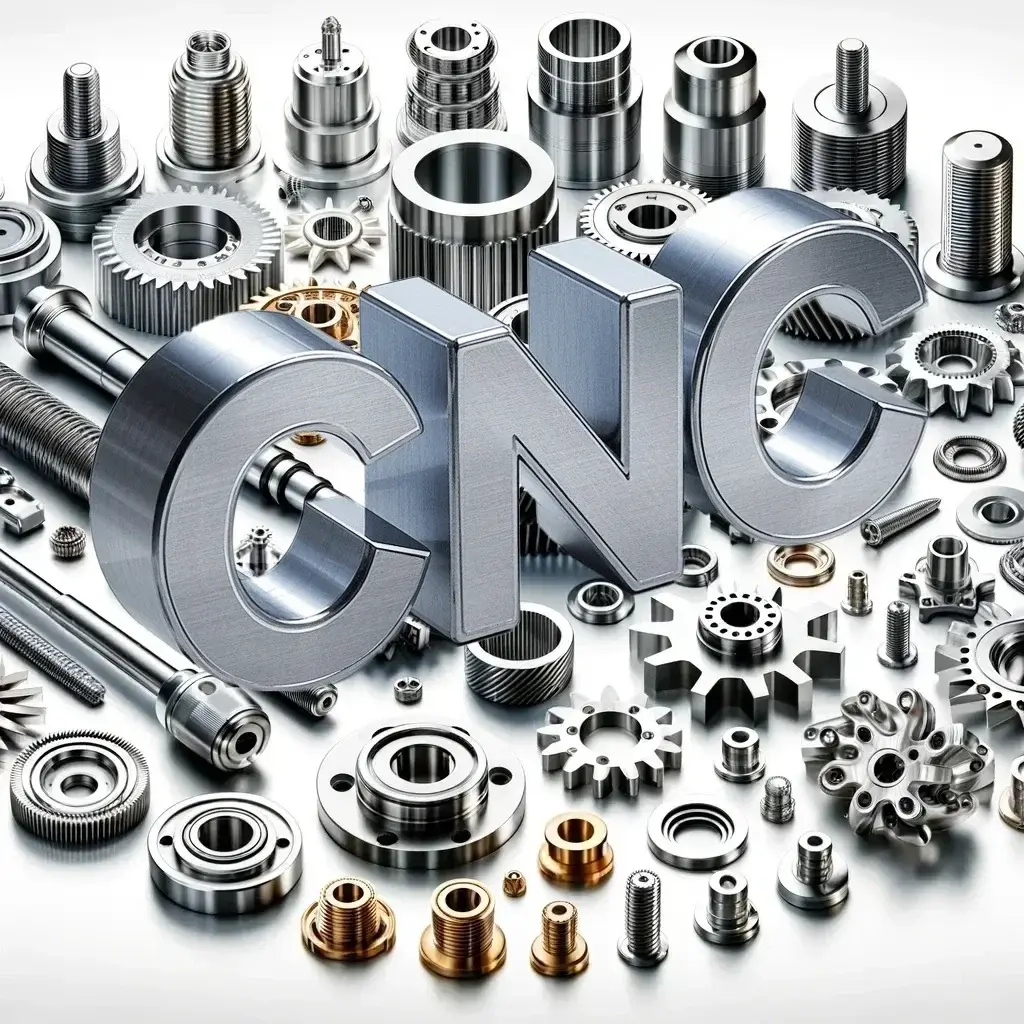
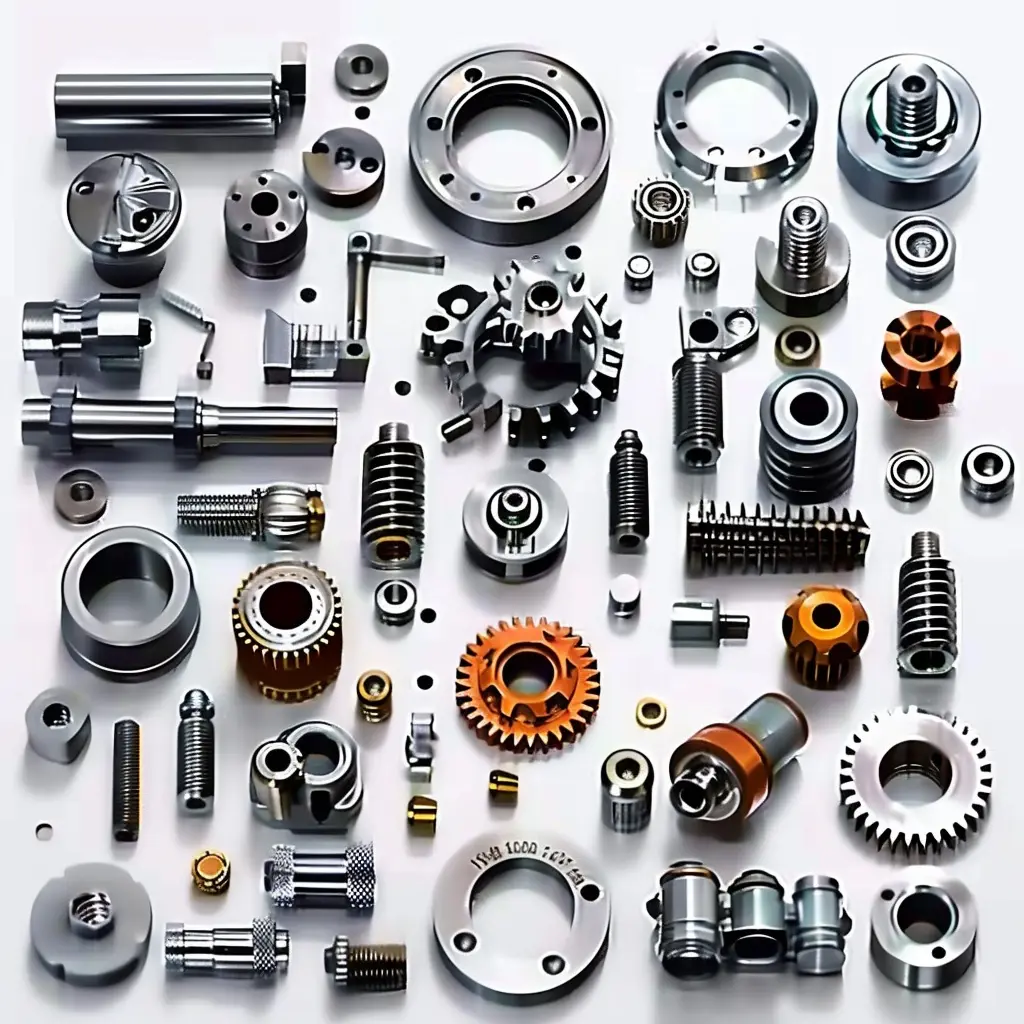
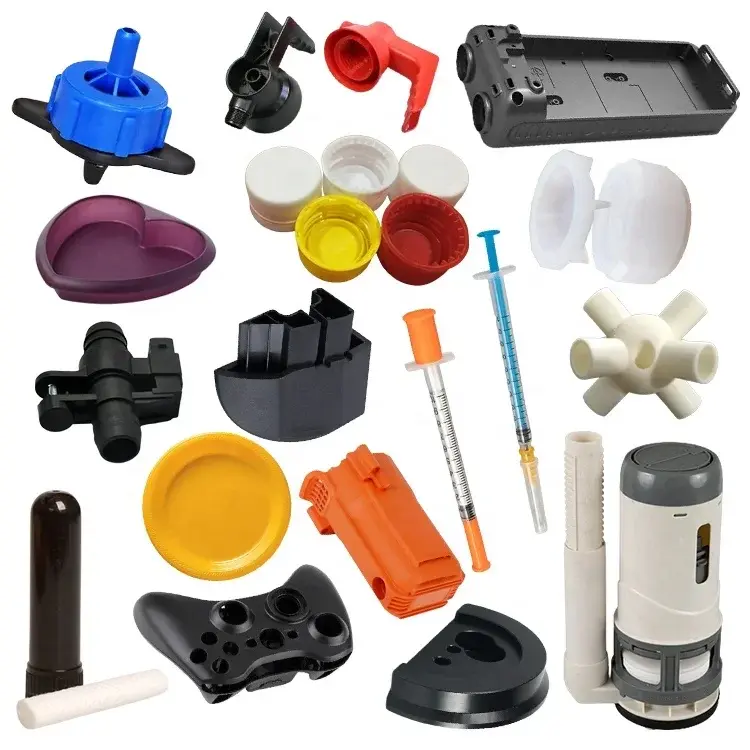
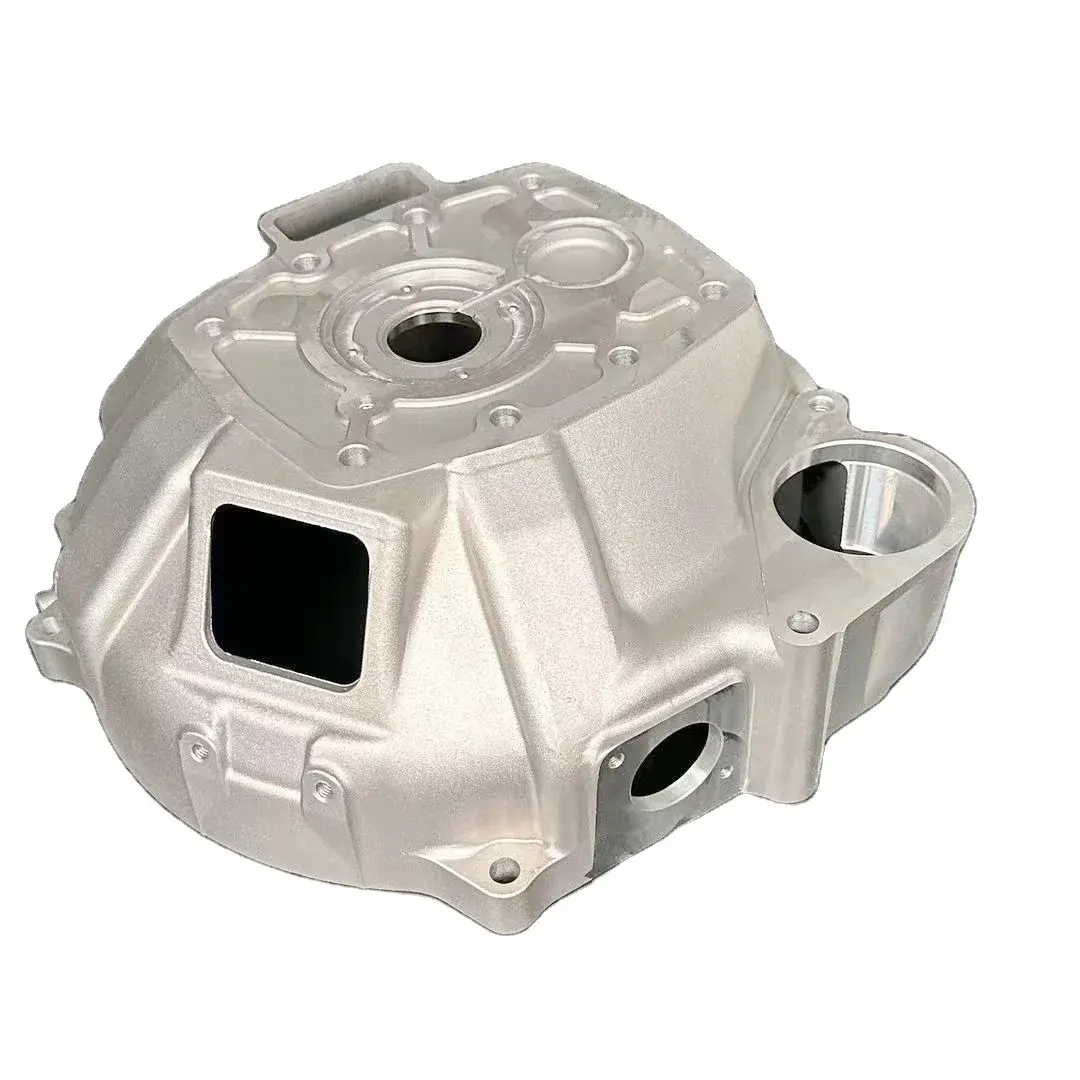
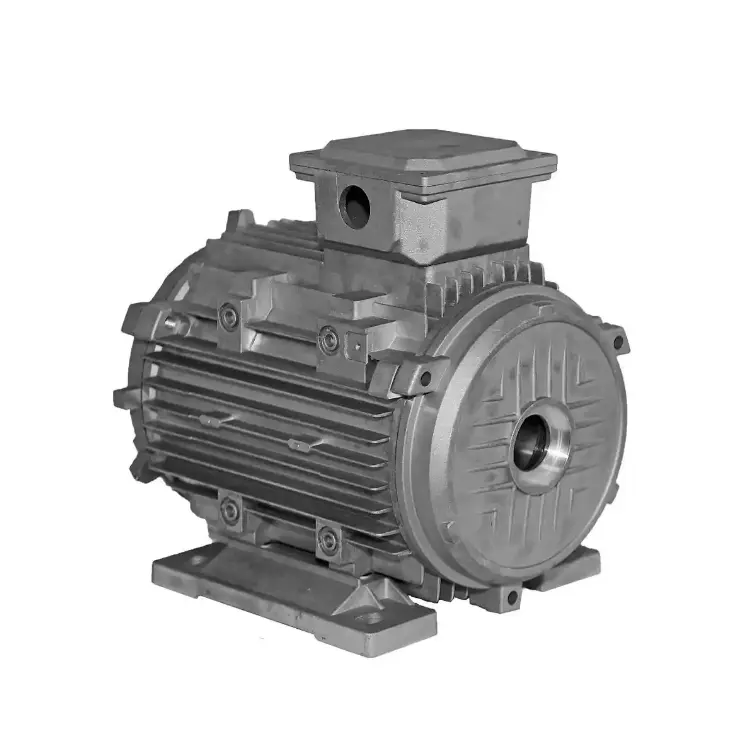
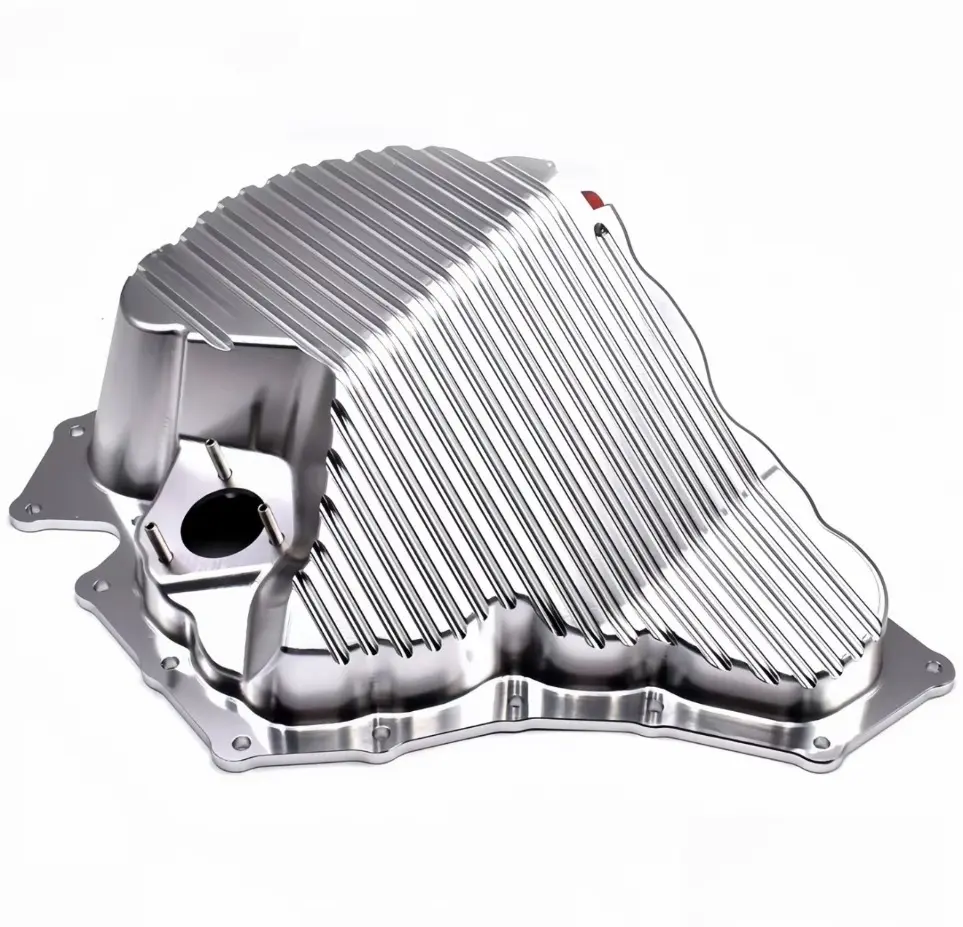
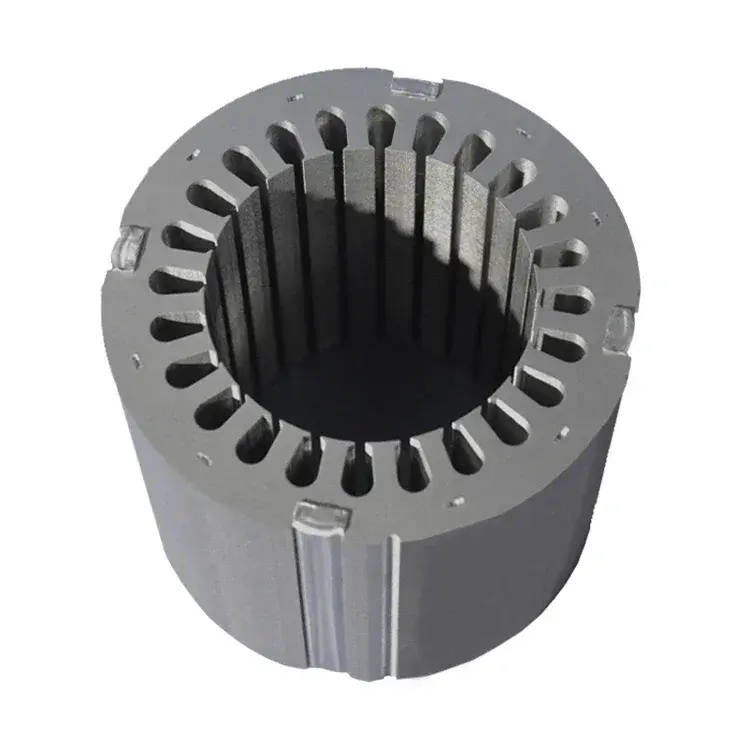
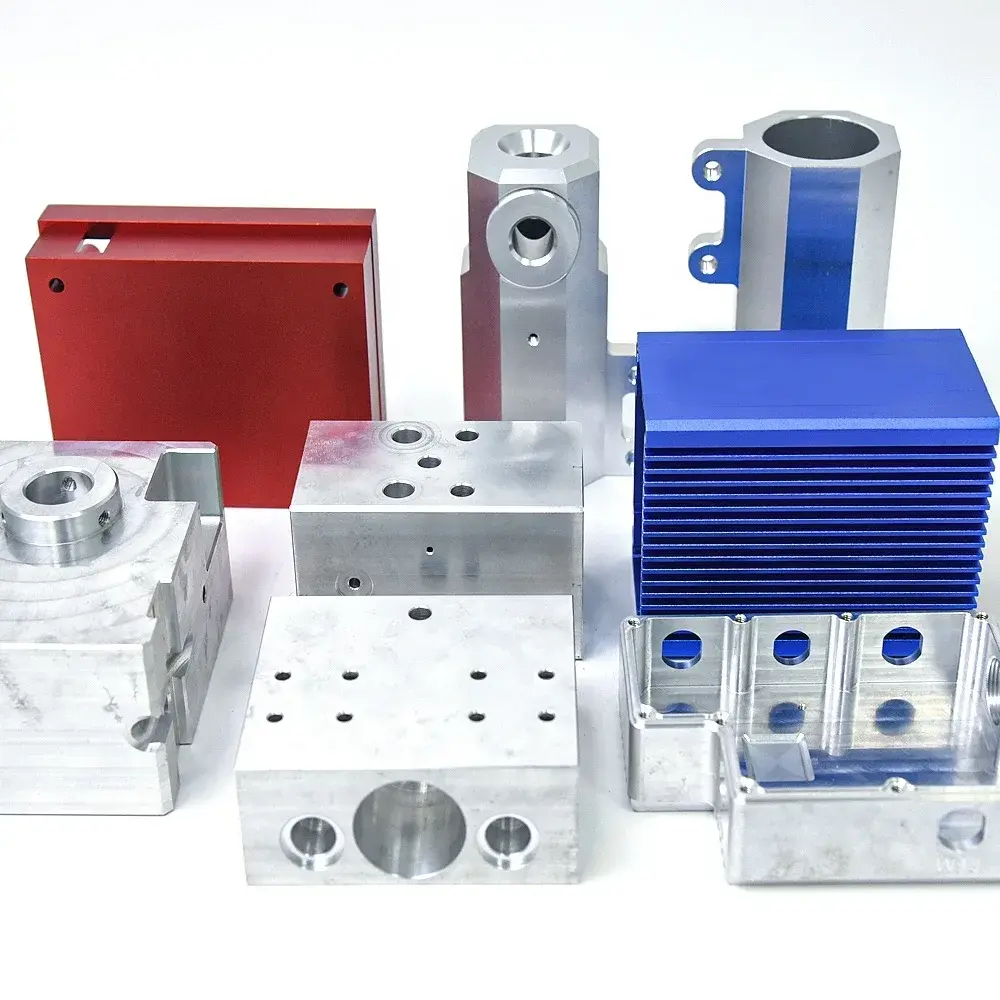
In the world of CNC machining, process planning is a critical step that can make the quality and efficiency of the final product different. Optimizing the CNC machining process planning requires a deep understanding of the materials, tools and machines involved, as well as the ability to analyze and minimize potential problems. In this article, we will explore the importance of optimizing the planning of CNC machining process and provide some best practices for success.
The first step in optimizing the CNC machining process plan is to determine the project’s goals and requirements. What are the specifications of the parts to be processed? What are the tolerances and quality standards that must be met? What are production restrictions, such as time and cost restrictions? Answering these questions will help guide the development of a tailored process plan to meet the unique needs of the project.
Once the goals and requirements are established, the next step is to select the most suitable CNC processing equipment and tools for the job. This includes choosing the right cutting tool, labor equipment and spindle speed, and other factors. Each of these elements must be carefully considered to ensure that the machining process runs smoothly and efficiently.
Another key aspect of optimizing the CNC machining process planning is the creation of detailed production plans. This schedule should take into account material availability, machine capacity and production sequence to minimize downtime and optimize productivity. Regular follow-up and analysis of production plans is also crucial to ensure that any problem is resolved quickly and any problem that is constantly improved.
To further optimize the CNC machining process, it is crucial to incorporate quality control measures into the plan. This includes implementing precise measurement and inspection methods, as well as quality inspection procedures at each stage of production. By combining these measures with a detailed understanding of the processing process, a high degree of accuracy and accuracy can be obtained in the final product.
In addition to these steps, there are several best practices that can help optimize the CNC machining process planning. For example, it is important to use simulation software to analyze the processing process before the actual production begins. This can help identify potential problems, optimize tool paths and reduce the risk of errors. Implement a detailed documentation system, including detailed production records and quality control reports, to ensure that the process can be copied and improved in the future.
In short, optimizing the CNC machining process planning is a key step in ensuring the quality and efficiency of CNC machining services. By following the best practices outlined in this article, including determining project goals, selecting the right equipment and tools, creating detailed production plans, combining quality control measures, and using simulation software, you can achieve a high level of accuracy and accuracy in your final product.
FAQ:
Q: What are the most important factors to consider when optimizing the CNC machining process planning?
Answer: The most important factors to consider when optimizing the CNC machining process planning are project goals, selecting the right equipment and tools, creating a detailed production plan, and combining quality control measures.
Q: Why is it important to use simulation software in CNC machining?
A: Simulation software can help identify potential problems, optimize tool paths and reduce the risk of errors during CNC machining.
Q: What are the benefits of implementing a thorough documentation system in CNC machining?
A: A thorough documentation system ensures that the CNC machining process can be copied and improved in the future and provides clear production and quality control records.
Q: How to optimize the CNC machining process plan for custom precise parts?
A: CNC machining process planning can optimize custom precise parts by using simulation software to analyze the machining process, implement quality control measures and create detailed production plans.
Q: What are the consequences of poor CNC processing process planning?
Answer: Poor CNC machining process planning will lead to reduced accuracy and accuracy, improved production costs and reduced efficiency.