How to Work CNC Lathe Machine?
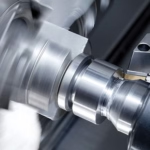
CNC (Computer Numerical Control) lathes are essential tools in modern manufacturing, particularly in the precision parts machining and customization field. Operating a CNC lathe machine requires a combination of technical knowledge, attention to detail, and adherence to safety protocols. This article will guide you through the fundamental steps of working with a CNC lathe machine, ensuring you understand the process from start to finish.
Understanding the CNC Lathe Machine
Before diving into the operation, it’s crucial to familiarize yourself with the components of a CNC lathe machine:
Spindle: The rotating shaft that holds the workpiece.
Chuck: Holds the workpiece securely in place.
Tool Turret: Holds the cutting tools and can position them as needed.
Control Panel: The interface where you input commands and monitor the machine.
Coolant System: Keeps the cutting tools and workpiece cool during machining.
Preparing for Operation
Safety First: Always wear appropriate personal protective equipment (PPE), including safety glasses, gloves, and hearing protection.
Inspect the Machine: Ensure all components are in good working condition. Check for any signs of wear or damage on the spindle, chuck, and tool turret.
Load the Program: Enter the CNC program into the machine’s control panel. This program contains the instructions for cutting the workpiece.
Set Up the Workpiece: Secure the workpiece in the chuck, ensuring it is properly aligned and balanced.
Operating the CNC Lathe Machine
Initialize the Machine: Turn on the CNC lathe and initialize the system. This prepares the machine for operation.
Select Tools: Choose the appropriate cutting tools for the job and load them into the tool turret.
Set Parameters: Input the necessary parameters, such as cutting speed, feed rate, and depth of cut, into the control panel.
Start Machining: Initiate the machining process by pressing the start button. Monitor the machine closely to ensure everything is running smoothly.
Monitor and Adjust: Continuously monitor the machining process. Make adjustments as needed to maintain precision and quality.
Post-Operation Procedures
Turn Off the Machine: Once machining is complete, turn off the CNC lathe and disconnect power.
Unload the Workpiece: Carefully remove the machined workpiece from the chuck.
Clean Up: Clean the machine and workspace to prevent any debris or coolant buildup.
Inspect the Workpiece: Inspect the machined workpiece for accuracy and quality. Ensure it meets the required specifications.
Conclusion
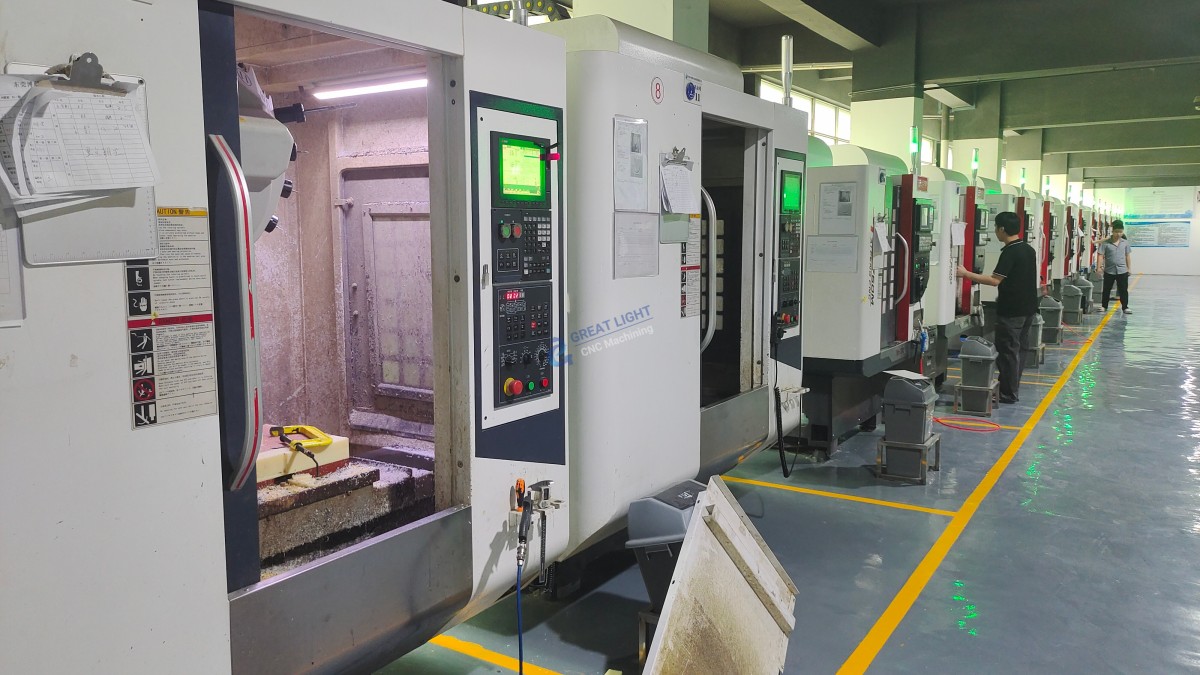
Operating a CNC lathe machine requires a combination of technical knowledge, attention to detail, and adherence to safety protocols. By following the steps outlined in this article, you can ensure efficient and accurate machining of precision parts. For high-quality CNC machining services, consider partnering with a professional manufacturer like GreatLight CNC Machining Factory, which offers advanced equipment and expertise in precision parts machining and customization.
Frequently Asked Questions (FAQ)
Q: What is a CNC lathe machine?
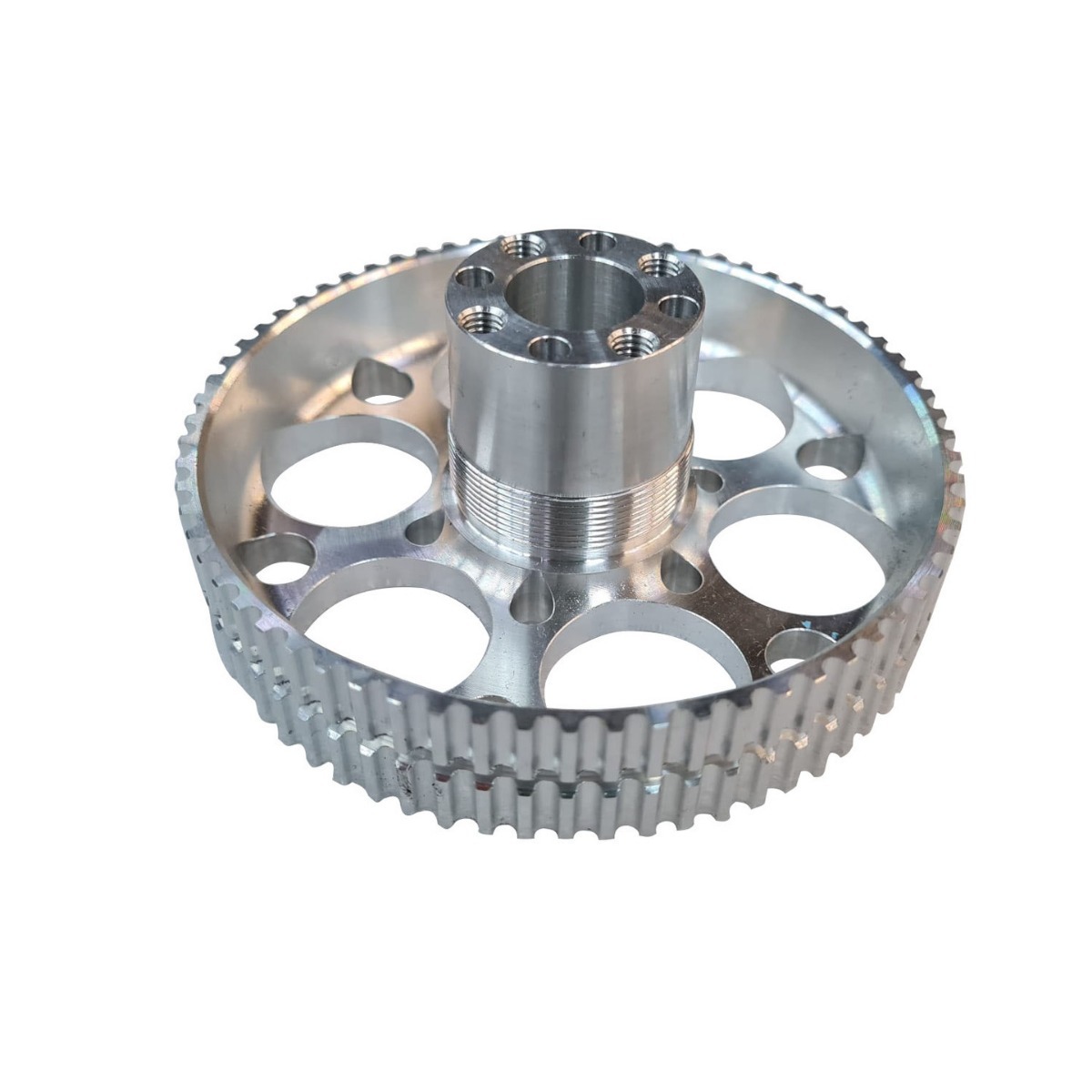
A: A CNC lathe machine is a computer-controlled tool that rotates the workpiece about an axis of rotation to perform various operations like cutting, sanding, knurling, deformation, facing, and turning.
Q: How do I program a CNC lathe?
A: Programming a CNC lathe involves writing or loading a program that contains instructions for the machine to follow. This can be done using G-code or through a CAD/CAM software.
Q: What safety measures should I take when operating a CNC lathe?
A: Always wear appropriate PPE, ensure the machine is properly inspected before use, and follow all safety protocols outlined by the manufacturer.
Q: What maintenance is required for a CNC lathe?
A: Regular maintenance includes cleaning, lubricating moving parts, checking and replacing worn tools, and ensuring all safety features are functioning correctly.
Q: Can I customize parts using a CNC lathe?
A: Yes, CNC lathes are highly versatile and can be used to create custom parts with precision and accuracy.