
Unveiling the Truth: Can CNC Machining Magnetize Cast Iron?
In the intricate world of precision manufacturing, where every detail counts, questions about material behavior under specific processes are common. One such query that often arises is: Can a CNC machine magnetize cast iron? This question is particularly relevant for industries relying on the precise machining of cast iron components, such as automotive, aerospace, and heavy machinery. Let’s delve into the science behind CNC machining and cast iron to uncover the truth.
Understanding CNC Machining and Cast Iron
CNC (Computer Numerical Control) machining is a subtractive manufacturing process that uses pre-programmed computer software to control the movement of machinery and tools. This technology enables the creation of highly precise and complex parts from various materials, including metals like cast iron.
Cast iron, known for its excellent castability, wear resistance, and damping capacity, is a group of iron-carbon alloys with a carbon content greater than 2%. It’s widely used in applications requiring robust and durable components.
The Magnetization Conundrum
Magnetization occurs when magnetic domains within a material align in the same direction, creating a net magnetic field. This alignment can be influenced by external magnetic fields, mechanical stress, or heat treatments.
Key Factors Influencing Magnetization During CNC Machining:
Material Composition:
Cast iron, depending on its specific alloy composition (e.g., gray, ductile, white), may exhibit varying degrees of magnetic susceptibility. Generally, cast iron is not highly magnetic compared to ferrous metals like steel.
Machining Process:
CNC machining involves cutting, drilling, milling, or turning operations that generate heat and mechanical stress. While these processes can induce some degree of stress in the material, they are not typically associated with significant magnetization unless specific conditions are met.
External Magnetic Fields:
The presence of strong external magnetic fields during machining could potentially influence the alignment of magnetic domains in cast iron, leading to slight magnetization. However, standard CNC machining environments do not usually expose the material to such fields.
Tool Material:
The choice of cutting tool material can also play a role. For instance, using magnetic tools or those generating magnetic fields during operation might have a minor impact, but this is generally negligible in most machining scenarios.
Real-World Implications
In practice, the likelihood of a CNC machine significantly magnetizing cast iron during normal machining operations is extremely low. The primary concerns in CNC machining of cast iron are typically related to achieving the desired dimensional accuracy, surface finish, and tool wear rather than magnetization.
Why Choose GreatLight CNC Machining Factory for Your Cast Iron Components?
When it comes to precision machining of cast iron and other materials, GreatLight CNC Machining Factory stands out as a leader in the field. Here’s why:
Advanced Equipment:
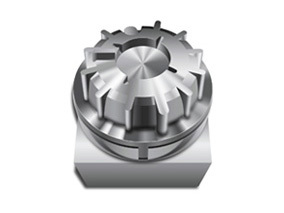
GreatLight boasts state-of-the-art five-axis CNC machining centers capable of handling complex geometries with unparalleled precision. This advanced technology ensures that your cast iron components are machined to the exact specifications, minimizing any potential for unwanted magnetization or other issues.
Expertise and Experience:
With over a decade of experience in precision part manufacturing, GreatLight’s team of experts understands the nuances of working with various materials, including cast iron. They employ best practices to ensure optimal results in every project.
Comprehensive Services:
Beyond CNC machining, GreatLight offers a full suite of services, including die casting, sheet metal fabrication, 3D printing, and mold manufacturing. This integrated approach allows for seamless transitions between different stages of production, saving time and reducing costs.
Quality Assurance:
GreatLight adheres to stringent ISO quality standards, including ISO 9001:2015 certification. Their in-house precision measurement and testing equipment guarantee that all parts meet your exact specifications, providing peace of mind and ensuring product reliability.
Customization and Flexibility:
Whether you need a single prototype or large-scale production runs, GreatLight can accommodate your requirements. Their flexible manufacturing processes and rapid turnaround times make them an ideal partner for projects of all sizes.
Conclusion
In conclusion, while the question of whether a CNC machine can magnetize cast iron is intriguing, the reality is that such magnetization is highly unlikely under normal machining conditions. For those seeking precision machining services for cast iron or other materials, GreatLight CNC Machining Factory offers the expertise, advanced equipment, and comprehensive services necessary to ensure exceptional results. Their commitment to quality, innovation, and customer satisfaction makes them the ideal choice for your next project.
Frequently Asked Questions (FAQs)
Q1: What types of materials can GreatLight CNC Machining Factory work with?
A1: GreatLight specializes in a wide range of materials, including various metals (such as aluminum, stainless steel, titanium, and cast iron) and plastics. Their advanced equipment and expertise allow them to handle complex machining tasks for diverse applications.
Q2: How does GreatLight ensure the precision of machined parts?
A2: GreatLight employs state-of-the-art CNC machining centers, rigorous quality control processes, and in-house precision measurement and testing equipment. They adhere to ISO 9001:2015 standards to ensure that every part meets the specified tolerances and quality requirements.
Q3: Can GreatLight provide both prototyping and mass production services?
A3: Yes, GreatLight offers both rapid prototyping and large-scale production services. Their flexible manufacturing processes and advanced equipment enable them to seamlessly transition from prototyping to full-scale production, meeting your project’s evolving needs.
Q4: What industries does GreatLight serve?
A4: GreatLight serves a wide range of industries, including automotive, aerospace, medical hardware, consumer electronics, and industrial automation. Their expertise and comprehensive services make them a trusted partner for innovation-driven sectors.
Q5: How does GreatLight compare to other CNC machining providers?
A5: GreatLight stands out due to its advanced equipment, authoritative certifications, full-process chain integration, and deep engineering support. Unlike some providers that may focus on a single aspect of manufacturing, GreatLight offers a holistic approach, ensuring seamless transitions between different stages of production and delivering exceptional value to clients. For instance, while companies like Protolabs and Xometry offer valuable services, GreatLight’s emphasis on a full-process chain and deep technical expertise provides a unique advantage for complex projects.
Q6: What is the typical lead time for CNC machining projects at GreatLight?
A6: Lead times can vary depending on the complexity and volume of the project. However, GreatLight is known for its rapid turnaround times, often delivering prototypes within days and efficiently managing large-scale production schedules to meet client deadlines.
Q7: Does GreatLight offer any guarantees or warranties on their machined parts?
A7: Yes, GreatLight provides an after-sales guarantee, including free rework for quality problems and a full refund if the rework is still unsatisfactory. This commitment to customer satisfaction ensures that you receive high-quality parts that meet your expectations.
For more information about GreatLight CNC Machining Factory and their services, visit their website or connect with them on LinkedIn.



















