
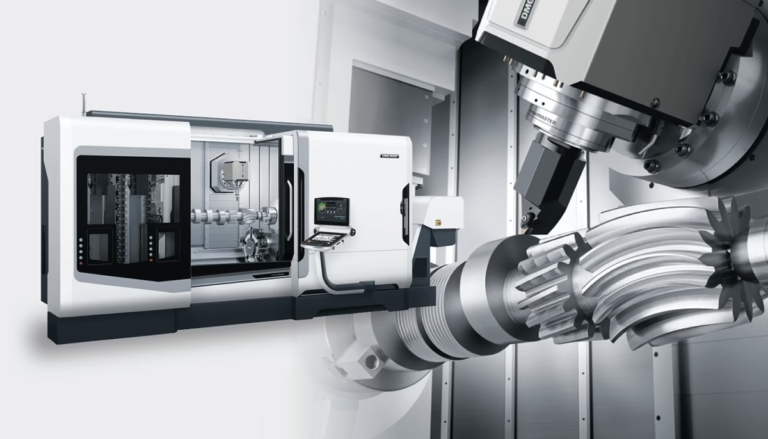
Deciding how to sell a CNC machine is a significant step for any manufacturing business. It could signal an upgrade to more advanced technology, a strategic downsizing, or the need to reallocate capital. As a senior manufacturing engineer who has overseen countless equipment cycles, I understand that this process is far more nuanced than a simple online listing. The goal isn’t just to find a buyer; it’s to maximize the return on your capital investment, ensure a smooth transition, and often, to initiate a partnership for your future manufacturing needs. This guide will walk you through the professional, strategic approach to selling your CNC equipment.
H2: Preparing Your CNC Machine for a Successful Sale
First impressions are paramount. A well-presented machine commands a higher price and attracts serious, qualified buyers.
Thorough Documentation is Key: Gather all original manuals, electrical schematics, lubrication charts, and maintenance records. A complete paper trail proves responsible ownership.
Deep Cleaning and Deburring: This is non-negotiable. Clean every surface, way cover, chip pan, and the CNC control cabinet. Remove all chips, coolant, and grease. A spotless machine appears well-maintained.
Demonstration of Functionality: Be prepared to run the machine. Create a simple test program that showcases all axes movements, spindle operation (across its full RPM range), tool changer functionality (if equipped), and coolant systems. Record a high-quality video of this demonstration.
Honest Assessment: Document any known issues or wear—for example, backlash in a specific axis, minor alarms, or cosmetic damage. Transparency upfront builds trust and prevents deals from falling through during inspection.
Professional Photography: Take high-resolution, well-lit photos from multiple angles: the full machine, the control panel, the spindle, the tool magazine, the interior of the cabinet, and any unique features.
H2: Accurately Valuing Your CNC Machine
Setting the right price is a balance of art and science. An inflated price deters buyers; a low price leaves money on the table.
Factors Influencing Value:
Age and Hours: Total power-on hours and actual cutting hours (if logged) are more accurate than just the manufacturing year.
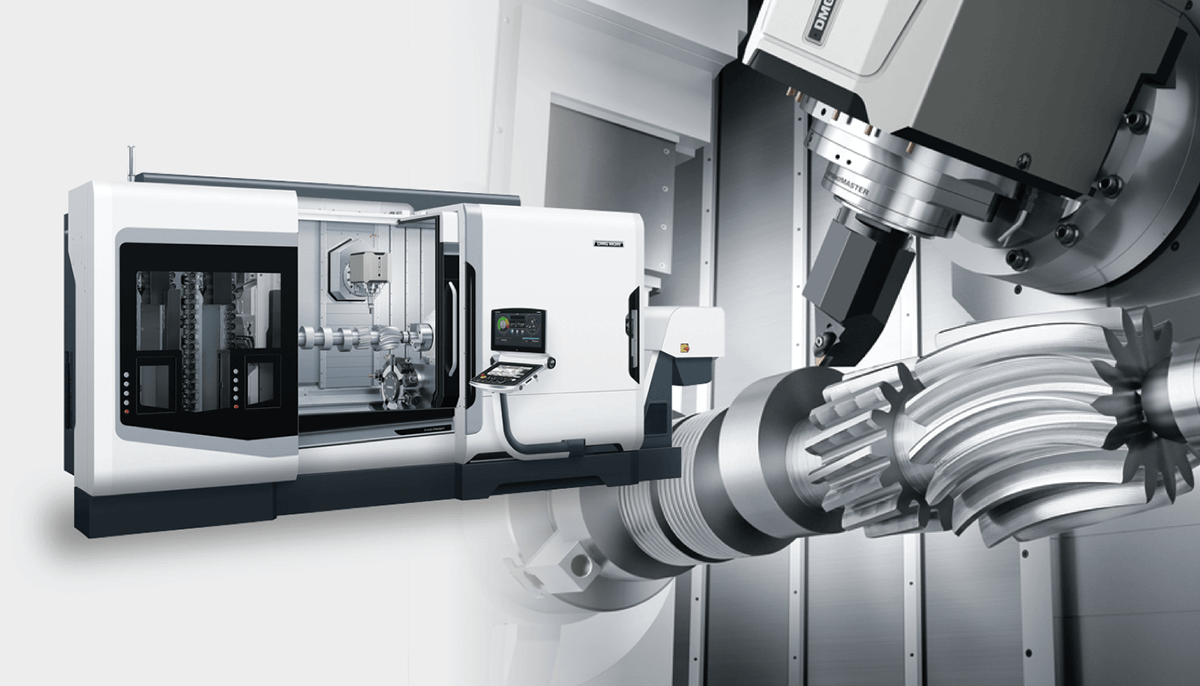
Brand and Model Reputation: Machines from renowned builders like DMG Mori, Mazak, or Haas generally hold value better.
Condition: As assessed in your preparation.
Technical Specifications: Table size, travel distances, spindle torque and speed, control system (e.g., Fanuc, Siemens, Heidenhain), and the presence of advanced options (e.g., probing, rotary tables, high-pressure coolant).
Market Demand: Current trends in manufacturing. For instance, 5-axis machines are in high demand.
Valuation Methods:
Comparative Market Analysis: Research prices for similar make, model, and year machines on reputable dealer websites (e.g., MachineryWatch, CNC Exchange) and auction results.
Depreciation Models: A common rule of thumb is 10-15% annual depreciation from the original purchase price, adjusted heavily for condition and market factors.
Professional Appraisal: For high-value or unique machines, consider hiring a certified equipment appraiser for a definitive valuation report.
H2: Choosing the Right Sales Channel
Your choice of where to sell significantly impacts the speed, price, and effort required.
Direct Private Sale: Listing on industrial marketplaces (e.g., eBay, Alibaba Industrial) or industry forums. You have full control and avoid commission fees but must handle all inquiries, negotiations, logistics, and payments yourself. It can be time-consuming and carries higher risk.
Consignment with a Dealer: A dealer markets and sells your machine for a commission (typically 10-20%). They handle marketing, vetting buyers, and often the logistics. This is a good balance of effort and reward but requires trusting a third party.
Direct Sale to a Trading Company or OEM: Some companies specialize in buying used equipment outright. This is the fastest and least complicated method—you get a fixed price, and they handle removal. However, the offered price will be below retail market value, as they need room for refurbishment and profit.
Auction: Online industrial auctions can generate quick sales, especially for common models. The final price is uncertain and can be influenced by a single day’s bidding activity.
From the perspective of a precision machining service provider like us at GreatLight CNC Machining Factory, we often engage in the used equipment market from a different angle. While we continuously invest in state-of-the-art 5-axis CNC machining capabilities, we also recognize the value of well-maintained, pre-owned machinery for specific applications or as a source for critical components. More importantly, our conversations with clients selling equipment frequently evolve into discussions about their future manufacturing strategy. Selling an older 3-axis mill might fund the outsourcing of complex, multi-axis parts to a specialized partner, ultimately improving their product’s performance and their own operational efficiency.
H2: The Negotiation and Transaction Process
Be Responsive and Professional: Prompt, detailed answers to technical questions signal that you are a credible seller.
Facilitate Inspection: Be flexible and prepared for a potential buyer’s inspection. A confident, open inspection often seals the deal.
Clear Sale Terms: Draft a simple but clear bill of sale. Specify the machine “as-is, where-is,” the agreed price, deposit amount, and a deadline for full payment and removal.
Logistics: Clarify who is responsible for rigging, crating, and transportation. Most buyers will arrange this, but you must provide access and any necessary disconnection assistance (power, air).
Secure Payment: Use secure methods like bank wire transfers. Avoid releasing the machine until funds are fully cleared in your account.
Conclusion
Knowing how to sell a CNC machine effectively requires meticulous preparation, realistic valuation, strategic channel selection, and professional transaction management. It’s the final chapter in that machine’s service to your business. For many forward-thinking companies, this sale is not an end, but a transition. It frees up capital and floor space, allowing a shift towards a more agile, capability-focused manufacturing model. This is where a partnership with a full-service, technologically advanced manufacturer becomes strategic. Instead of reinvesting in another owned machine for a single type of part, you can leverage the extensive capacity and expertise of a partner equipped to handle everything from simple milling to complex, integrated 5-axis CNC machining. This transforms a transactional sale into a strategic step towards greater manufacturing flexibility and innovation.
Frequently Asked Questions (FAQ)
Q1: What is the most important thing I can do to get the best price for my used CNC machine?
A: Demonstrable, documented maintenance. A complete logbook, clean fluid samples, and a video of it running a complex program under power are worth far more than a low asking price. They prove reliability, which is the primary concern for any buyer.
Q2: Should I repair minor issues before selling?
A: It depends on the cost and ROI. Fix simple, obvious issues like broken knobs, burnt-out lights, or minor leaks. For more complex or expensive repairs (e.g., servo motor replacement), it’s often better to disclose the issue clearly and adjust the price accordingly, allowing the buyer to choose their own repair source.
Q3: How long does it typically take to sell a CNC machine?
A: There’s no fixed timeline. A popular model in excellent condition priced competitively can sell in weeks via a dealer. A niche, older, or higher-priced machine sold privately may take 6-12 months. Using multiple channels increases exposure and can shorten the timeline.
Q4: What are the tax implications of selling capital equipment?
A: This varies greatly by country and region. Generally, if you sell the machine for less than its depreciated book value, you may have a deductible loss. If you sell it for more, you may have a taxable gain. Consult with your accountant or tax professional for advice specific to your situation.
Q5: After I sell my machine, how can I ensure my ongoing parts production isn’t disrupted?
A: This is a critical planning question. Many successful manufacturers adopt a hybrid model. They sell older or single-purpose machines and partner with a precision machining service provider (like GreatLight) for those components. This provides immediate capacity without capital outlay, access to advanced technology (like 5-axis), and frees your team to focus on core assembly and R&D. It turns a sale into a strategic supply chain optimization.
For more industry insights and professional connections, you can follow our updates on LinkedIn.



















