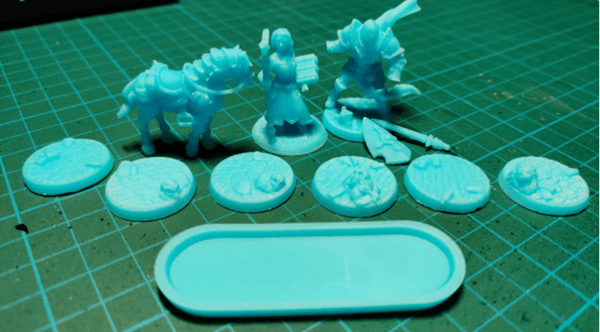
Liquid resin is the primary material for stereolithography (SLA) 3D printing, which uses an ultraviolet laser to trace the shape of an object onto the surface of a photopolymer vat. The resin then solidifies, forming print layers, and the entire process repeats until a complete three-dimensional object is printed.
Using a resin 3D printer is very different from using an FDM printer for several reasons, including the unique properties of the resin itself. Resins used in 3D printing contain toxins and require safe handling, storage and disposal. Not surprisingly, the toxicity of the resin makes the entire processing process more complicated than that of FDM and plastic filaments.
Each resin has a slightly different formula, and you may personally find a certain resin or brand of resin particularly irritating – more than others. Regardless of which resin you choose, the correct handling and disposal methods are the same.
In this article, Mohou.com will learn with you the safety precautions to take when handling resin, the best storage methods, and finally the best disposal methods.
About eco-friendly resin
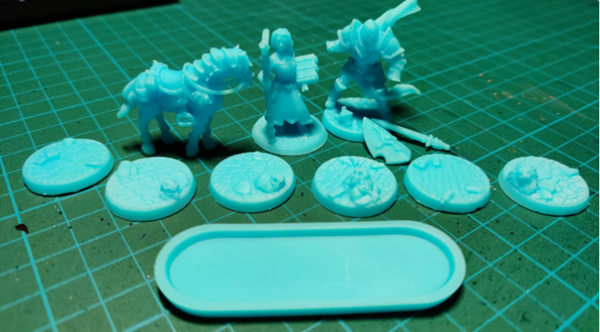
The joy of resin printing (Source: chaklong via Reddit)
There are many resins to choose from. If you find that you are particularly sensitive to resin due to accidental skin contact or vapors, here are some options you can try. Generally speaking, “eco-friendly” resins have lower concentrations of common irritants and volatile organic compounds (VOCs).
With these resins, you also have the benefit of purchasing a product made from renewable resources rather than typical petroleum resources. But remember that biobased does not mean biodegradable. Therefore, whether these resins are cured or not, they should not be thrown into the compost pile. Ultimately, resin is resin no matter where it comes from.
Even when using these “eco-friendly” resins, all safety and handling steps outlined below still apply. If you are unsure of the proper use or disposal procedures for resin or other chemicals, be sure to follow the manufacturer’s instructions and Material Safety Data Sheet (MSDS).
Whether the resin is environmentally friendly or not, it is toxic to humans and aquatic life. It is therefore important to handle and dispose of it correctly at all stages of printing. Let’s see what to do and what not to do.
Security

Proper glove removal technique can prevent accidental contamination! (Source: Western Carolina University)
Personal protective equipment (PPE) should always be worn when handling resin. The resin can damage the skin and leave an unsightly rash. Therefore, always wear gloves when working with resin! It is also recommended to wear a gown or apron to prevent the resin from getting on your clothes and then getting onto your skin.
In most places, you can choose between latex gloves and nitrile gloves. These are better suited to working with resins as they are more chemically resistant and certainly less prone to skin irritation than latex.
In addition to gloves, you may also want to wear safety glasses to avoid serious eye damage from splashes. Buying a pair of glasses doesn’t cost much, so from our point of view, it’s a no-brainer. You can also use a respirator to prevent inhalation of resin vapors (general medical masks offer little protection against chemical vapors).
storage

For safety! (Source: Outrageous_Muscle722 via Reddit)
Proper storage is important when resin is not in use. Since resin reacts easily to UV rays, resin manufacturers always use black, light-resistant containers.
However, we also recommend that the container is not exposed to direct sunlight. It is best to place the container in a closet or dark place.
It is best to store resins and other chemicals in a well-ventilated area to prevent buildup of volatile chemicals. Although you are not supposed to smoke incense in your home, you may consider storing your resin pot in an airtight, waterproof secondary container or in a location with good air circulation.
While printing

There are simple ways to handle resin safely before and during printing. Most importantly, be sure to wear gloves when you initially pour resin into the vat or any time you need to add resin during the printing process.
Spills can happen when pouring resin, so let’s discuss what to do when that happens. If resin comes into contact with your skin, wash it immediately and thoroughly with mild soap and water. If a rash appears, seek medical attention promptly. If there is resin on your clothes, be sure to wash them before wearing them. Ultimately, resin spills are usually not a problem if you have the proper cleaning tools.
Before you start working with the resin, make sure you have some isopropyl alcohol on hand. This will ensure that you are prepared in the event of a leak in your work area or other equipment. Cleaning with alcohol will ensure that any resin spills are properly removed. You’ll also need alcohol to clean the vats and crafting platforms, so make sure you have a large bottle of alcohol nearby!
After printing

The post-printing stage is a little more complex. This includes removing the print from the build platform, cleaning the tank and build platform, and pouring the resin into the container.
Once printing is complete, it is recommended to place paper towels around the printer. This prevents the resin from spilling directly onto the surface you are working on. Of course, wear gloves when removing the build platform from the printer and cleaning it with alcohol.
As post-processing is beyond the scope of this article, we won’t go into detail here. If you are interested, you can learn more about post-processing resin parts in our dedicated article.
water washed resin
However, it is necessary to briefly discuss water washable resins. They simplify the cleaning process of 3D resin printed parts, but leave behind residual rinse water that contains substances that are very harmful to humans and the environment.
Remaining flush water should not be poured down the drain. Any residual resin in the water must be cured before processing, which we discuss in detail below.
to clean

A simple funnel is a very useful tool for removing leftover resin (Source: All3DP)
There will usually be some residual resin in the vat after the print is finished. These resins are reusable, so be sure to put them back in the container.
Open the container and place the funnel into the mouth of the container. It would be even better if the funnel was equipped with a mesh filter.
Slowly pour the uncured resin from the tank into the container until the tank is empty. Then wipe away any remaining uncured resin with a paper towel dipped in rubbing alcohol. Be gentle when wiping the FEP film to avoid scratches.
interview

Harden any resin residue before processing (Source: Formlabs support)
When it comes to resin processing, curing is absolutely essential. So let’s see what hardening is and how it is hardened. When you buy the resin, it comes in uncured (liquid) form, which is great for printing, but also toxic!
Fortunately, curing is as simple as heating or exposing the resin to sunlight (or other UV light sources) until it is fully cured. Basically, cured resin is a safe resin.
After printing, you will have some resin on your gloves and paper towels. We recommend, if possible, placing the gloves and paper towels in the sun to dry the resin residue so that they can be disposed of with your regular waste.

Creative and efficient UV curing ovens (Source: Adam Savage tested via YouTube)
If you’re not in a sunny location, there are other ways to cure resin on gloves, paper towels, bottles, and prints. All of these methods require heating with a heat lamp or UV lamp.
Curing takes time and depends on the type of resin you use. Manufacturers must print relevant advisory information on the bottle. The most important thing is that whatever surface the resin is on, it is completely dry.
Regarding water-washed resin, you should also expose it to sunlight or UV rays before discarding the remaining rinse water. Depending on the intensity of sunlight, at least half an hour is required. Any residual resin in the water will form solid particles which can be filtered out of the water and disposed of with regular waste. The rinse water can then be safely disposed of.
deal with
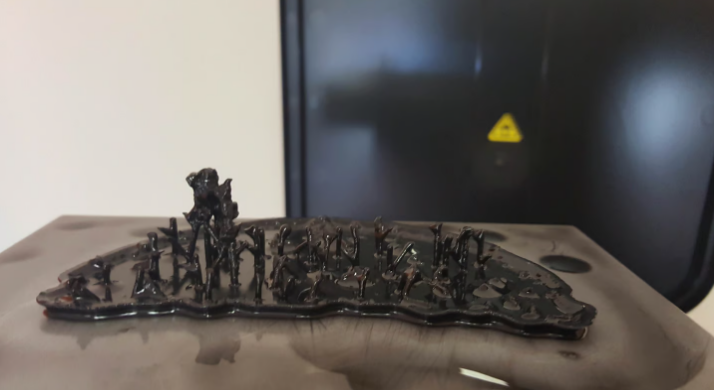
You definitely want to throw away products that don’t print (Source: Simoncomputing via the Formlabs community forum)
If you want to throw away a failed print (and its memory), make sure to repair it first. The cured resin is no longer hazardous, so parts can be handled without gloves or disposed of with regular waste.
The same principle applies to resin containers that are emptied or contain resin residue. Be sure to allow the resin to harden before processing. Simply open the container and place it in the sun or a warm place until completely dry.
Never pour resin down the drain as this could damage the pipes and even the environment.
Another way to deal with resin is to have it handled by a professional. Contact your local waste disposal or recycling center to see if they have the capacity to safely dispose of your waste.
Things to note
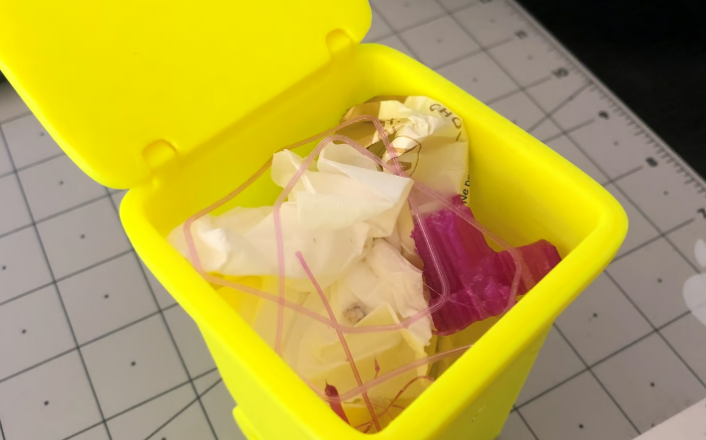
Keep your waste clean (Source: Ataca via Thingiverse)
Here is a quick list of “do’s and don’ts” to help you ensure responsible resin disposal.
Do:
Wear gloves and goggles when handling resin throughout the 3D printing process.
Dispose of failed prints, used gloves, used cleaning supplies, and resin containers with your regular trash.
If necessary, contact your local waste or recycling center for assistance.
No:
Do not wear gloves when handling resin. (This is really important!)
Pour the uncured resin down the drain.
Discard uncured resin.
Daguang focuses on providing solutions such as precision CNC machining services (3-axis, 4-axis, 5-axis machining), CNC milling, 3D printing and rapid prototyping services.