

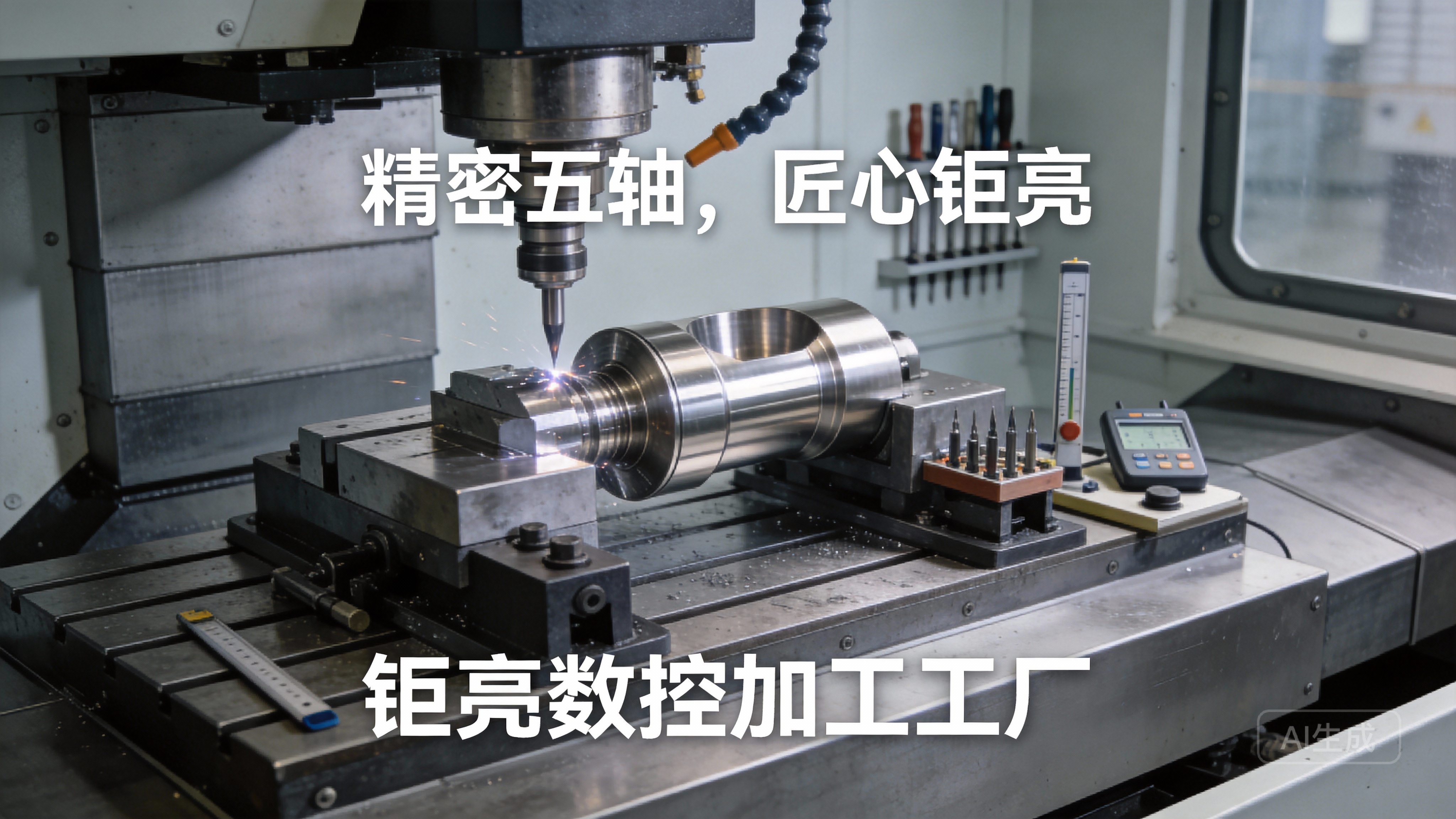
If you’ve ever dreamed of controlling your own precision machining setup, you’ve probably asked: How Much Does A Homemade CNC Machine Cost? Hobbyists, small business owners, and DIY enthusiasts often turn to homemade CNC solutions to cut costs, experiment with custom designs, or gain hands-on machining experience. But the answer isn’t one-size-fits-all—costs can vary dramatically based on your machine’s intended use, size, component quality, and build approach. In this guide, we’ll break down every factor that impacts pricing, provide realistic cost ranges, and help you decide whether a homemade CNC is the right choice for your needs, or if partnering with a professional precision machining service like GreatLight Metal makes more sense.
How Much Does A Homemade CNC Machine Cost?
To understand the full scope of homemade CNC costs, it’s critical to first examine the key variables that drive pricing. Every decision you make—from the machine’s size to the type of motors you use—will directly affect how much you spend. Let’s break down these factors in detail:
Key Factors Influencing Homemade CNC Machine Costs
1. Machine Type & Intended Use
The type of CNC machine you build depends entirely on what you plan to make, and this is the single biggest driver of cost:
CNC Routers: Designed for cutting wood, plastic, foam, or soft metals like aluminum. These are the most budget-friendly homemade options, as they require less powerful components.
CNC Mills: Built for machining hard metals (steel, titanium) or precision parts. These need stronger frames, higher-torque spindles, and more precise motion systems, pushing costs up significantly.
CNC Lathes: Used for turning cylindrical parts (bolts, shafts). Homemade lathes fall between routers and mills in cost, depending on whether you’re working with wood or metal.
2. Working Envelope (Size)
The size of your machine’s cutting area (working envelope) directly impacts material and component costs:
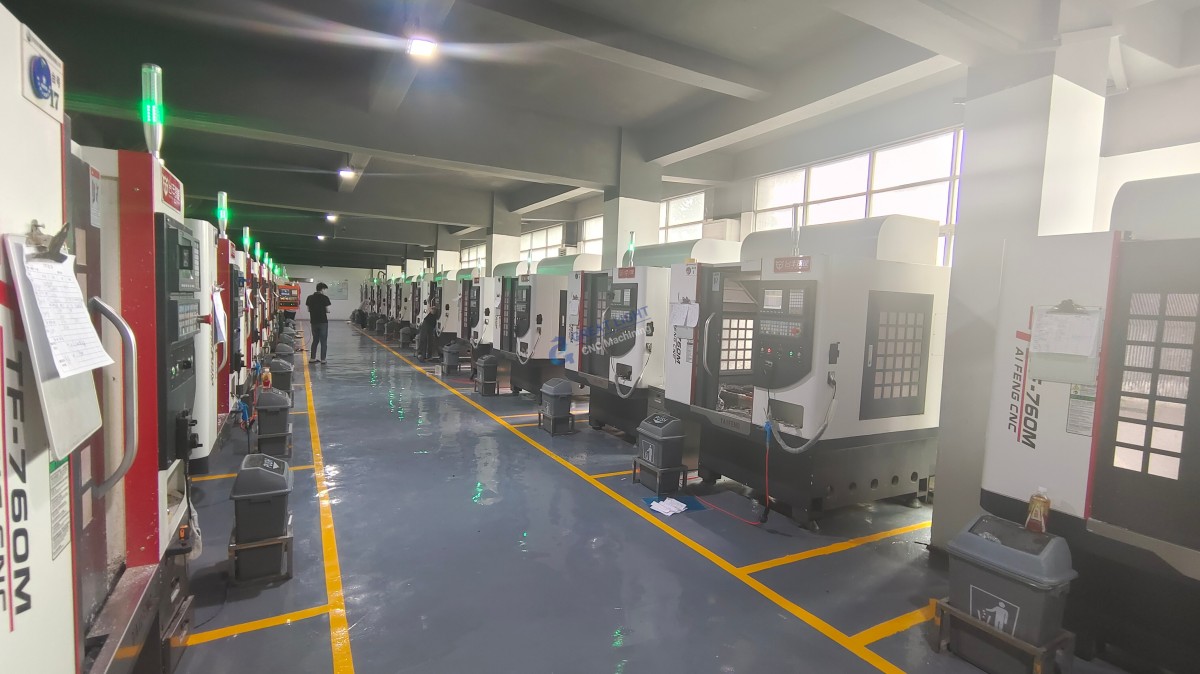
Desktop-Sized Machines: Small enclosures (e.g., 300x300mm) are ideal for hobbyists making signs, small prototypes, or jewelry. These use less material for the frame and smaller motors.
Benchtop & Industrial-Sized Machines: Larger envelopes (1000x1000mm or more) require heavy-duty frames (steel instead of aluminum extrusion) and more powerful motors to move heavier tooling. Costs jump substantially with size.
3. Core Component Quality
The quality of your CNC’s core components determines both its precision and longevity. Here’s how each part affects pricing:
Frame:
Budget: DIY frames from wood, PVC, or repurposed steel (cost: $50–$200). These are lightweight but prone to flex, reducing precision.
Mid-Range: Aluminum extrusion kits (cost: $200–$800). Sturdy, modular, and easier to assemble than custom steel frames.
High-End: Welded steel frames (cost: $500–$2000+). The most rigid option, essential for machining hard metals without vibration.
Motion System:
Budget: Stepper motors + threaded rods (cost: $100–$300). Affordable but slow and less precise; suitable for non-critical wood or plastic parts.
Mid-Range: Stepper motors + linear rails (cost: $300–$1000). Improved precision and speed compared to threaded rods.
High-End: Servo motors + linear rails (cost: $1000–$3000+). Offer closed-loop feedback for zero backlash, critical for high-precision metal machining.
Controller:
Budget: Open-source controllers (Arduino, Raspberry Pi with GRBL firmware) (cost: $50–$150). Free software, but limited features and troubleshooting requires technical skill.
Mid-Range: Commercial software controllers (Mach3, UCCNC) with pre-built control boards (cost: $150–$500). More user-friendly, with advanced features like tool offsetting.
High-End: Industrial-grade controllers (Siemens, Fanuc) (cost: $500–$2000+). Used for heavy-duty, high-precision machines, but overkill for most homemade setups.
Spindle/Tool:
Budget: Repurposed corded routers (cost: $50–$200). Work for wood/plastic but lack the torque for metal.
Mid-Range: 1.5–2kW air-cooled spindles (cost: $200–$800). Suitable for light aluminum machining.
High-End: 3+kW water-cooled spindles (cost: $800–$3000+). Necessary for machining hard metals like steel or titanium without overheating.
4. Build Approach
Kit-Based Builds: Pre-cut frames, pre-wired components, and step-by-step instructions. These save time and reduce technical barriers but cost more (add 20–50% to the cost of a from-scratch build).
From-Scratch Builds: Sourcing individual parts and designing the machine yourself. This is cheaper but requires mechanical engineering knowledge, access to tools (welders, drills, lathes), and weeks of assembly time. You can cut costs further by repurposing parts (e.g., old printer stepper motors, scrap steel).
5. Additional Features
Extras can add hundreds to your total cost, depending on your needs:
Dust collection systems ($50–$300): Essential for woodworking to keep your workspace clean.
Coolant systems ($100–$500): Required for metal machining to prevent tool wear.
Auto-tool changers ($500–$2000+): Automatically switches tools, ideal for complex parts but rarely used in homemade setups.
Digital readouts (DROs) ($100–$400): Display precise tool positions, improving accuracy.
Realistic Cost Ranges for Homemade CNC Machines
To put these factors into perspective, here’s a breakdown of typical costs for different homemade CNC setups:
| Machine Category | Typical Cost Range | Primary Use Case | Key Components Included |
|---|---|---|---|
| Entry-Level Desktop CNC Router | $100–$500 | Hobby woodworking, plastic signs, small jewelry | Aluminum extrusion frame, Arduino controller, stepper motors, repurposed corded router |
| Mid-Range Benchtop CNC Mill | $500–$2,000 | Light aluminum machining, small prototype parts | Welded steel or heavy aluminum frame, upgraded stepper motors, 1.5kW air-cooled spindle, Mach3 controller |
| High-End Homemade CNC Machine | $2,000–$10,000+ | Precision steel/titanium machining, industrial parts | Heavy steel frame, servo motors, 3kW+ water-cooled spindle, industrial controller, linear rails |
Hidden Costs of Building a Homemade CNC Machine
Many first-time builders overlook these often-overlooked expenses, which can add 10–30% to your total budget:
Assembly Tools: If you don’t already own welders, drill presses, or precision measuring tools (calipers, micrometers), you’ll need to buy or rent them ($200–$1000+).
Calibration & Testing: Getting your machine to cut accurately takes hours of fine-tuning. You may need to replace worn parts (belts, bearings) or rework frame components during this process ($100–$500).
Maintenance: Homemade machines require regular upkeep—replacing worn stepper motors, tightening loose frame bolts, or repairing damaged wiring ($50–$300 per year).
Opportunity Cost: Building a CNC machine can take 20–100+ hours. If you’re a small business owner, that time could be better spent on client projects or product development.
Homemade CNC vs. Professional Precision Machining Services
For hobbyists and DIY enthusiasts, building a homemade CNC is a rewarding project. But for businesses or individuals needing high-precision, high-volume, or complex parts, partnering with a professional service like GreatLight Metal is often a more cost-effective and reliable choice.
| GreatLight Metal is a leading precision machining manufacturer with over a decade of experience serving automotive, medical, aerospace, and robotics industries. Here’s how it compares to a homemade CNC: | Feature | Homemade CNC Machine | GreatLight Metal Professional Services |
|---|---|---|---|
| Precision | ±0.01–0.1mm (limited by component quality) | ±0.001mm (industry-leading precision) | |
| Complex Part Capability | Struggles with 4/5-axis geometries | Expert in 3-axis, 4-axis, and precision 5-axis CNC machining services | |
| Material Range | Limited to wood, plastic, or soft aluminum | Handles over 50 materials (steel, titanium, copper, engineering plastics) | |
| Turnaround Time | Weeks to build the machine + days to machine parts | Parts delivered in 3–7 days (rapid prototyping) | |
| Quality Assurance | No formal testing; relies on DIY calibration | ISO 9001:2015 certified; strict quality control with precision measuring equipment | |
| After-Support | No warranty; self-troubleshooting required | Free rework for quality issues, full refund if unsatisfied |
When you factor in the cost of building a homemade CNC, plus the time and effort to maintain it, outsourcing to GreatLight Metal often makes more sense for critical parts. For example, if you need 50 precision aluminum brackets for a robotics project, the $3000 you’d spend building a homemade CNC (plus weeks of assembly time) could instead be used to get high-quality parts delivered in 5 days, with guaranteed precision and compliance.
When to Choose a Homemade CNC vs. Professional Services
Choose Homemade CNC if:
You’re a hobbyist looking for a fun, hands-on project.
You need low-volume, non-critical parts (e.g., wood signs, plastic prototypes).
You have the technical skill and time to assemble and calibrate the machine.
Choose Professional Services if:
You need high-precision parts (±0.001mm tolerance) for medical, automotive, or aerospace applications.
You require complex 4/5-axis geometries that homemade machines can’t handle.
You need quick turnaround times to meet project deadlines.
You need compliance with industry standards (ISO 9001, IATF 16949, ISO 13485).
Conclusion
At the end of the day, the question “How Much Does A Homemade CNC Machine Cost?” has no single answer—costs range from $100 for a basic desktop router to $10,000+ for a high-end metal mill, depending on your needs. For hobbyists, a homemade CNC is a fantastic way to learn and create custom parts. But for anyone needing professional-grade precision, speed, or reliability, partnering with an experienced manufacturer like GreatLight Metal is a smarter investment that saves time, reduces risk, and ensures your parts meet the highest quality standards.
Frequently Asked Questions (FAQ)
Q1: Can I build a CNC machine for under $200?
Yes! You can build a small desktop CNC router using repurposed parts (e.g., old printer stepper motors, scrap wood for the frame) and an Arduino controller. However, this machine will only be suitable for cutting soft materials like foam or thin plastic, and precision will be limited (±0.1mm or worse).
Q2: Is building a homemade CNC cheaper than buying a commercial desktop CNC?
It depends. A basic homemade CNC can be 30–50% cheaper than a commercial desktop CNC (which typically costs $500–$2000). However, high-end homemade CNCs (with servo motors and steel frames) can cost as much as commercial machines, without the same warranty or support.
Q3: What’s the most expensive part of a homemade CNC machine?
For metal machining setups, the spindle and motion system are the costliest components. A 3kW water-cooled spindle can cost $800–$3000, while servo motors and linear rails can add another $1000–$3000. For routers, the frame and controller are usually the biggest expenses.
Q4: How long does it take to build a homemade CNC machine?
Entry-level kit-based builds can take 10–20 hours to assemble. From-scratch builds with custom steel frames and complex components can take 40–100+ hours, plus weeks of calibration to get precise cuts.
Q5: When should I outsource instead of building my own CNC?
Outsource if:
You need parts with tolerances tighter than ±0.01mm.
You need to machine hard metals like steel or titanium.
You have a tight project deadline (weeks instead of months).
You don’t have the technical skill or tools to build and maintain a CNC machine.
You need parts that comply with industry standards (e.g., medical devices requiring ISO 13485 certification).



















