

In the world of modern manufacturing and entrepreneurial ventures, a common and compelling question arises: can you make money with CNC machine? The short answer is a resounding yes. However, the path to profitability is not as simple as purchasing a machine and turning it on. It requires strategic planning, technical expertise, market understanding, and efficient operations. For those considering entering this field or scaling their operations, understanding the full landscape is crucial. This article delves into the realities, opportunities, challenges, and strategies for building a successful business around CNC machining.
H2: The Foundation of Profitability: Understanding the Value Proposition
At its core, CNC (Computer Numerical Control) machining is a subtractive manufacturing process that creates high-precision parts by removing material from a solid block. Its profitability stems from its ability to solve critical problems for a vast array of industries. The value you can offer—and the money you can make—is directly tied to the precision, complexity, repeatability, and material versatility you can deliver.
Key revenue-generating applications include:
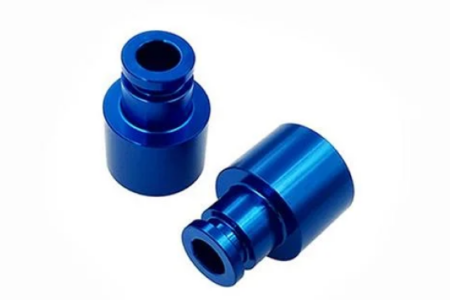
Prototyping and R&D: Engineers and designers need functional prototypes quickly. CNC machining offers fast turnaround for one-off or small-batch, high-fidelity parts.
Low to Medium Volume Production: For products where injection molding or die-casting tooling is cost-prohibitive for initial runs, CNC is the go-to solution for production quantities from tens to thousands of units.
Custom and Aftermarket Parts: Serving niche markets, vintage vehicle restoration, or creating custom components for specialized equipment can be highly lucrative.
Aerospace, Medical, and Automotive Components: These sectors demand extreme precision and certification. Machining parts for these industries commands premium rates but requires significant investment in quality control and certifications.
Supporting Larger Manufacturers: Acting as a subcontractor for larger companies that have overflow work or require specialized machining capabilities they lack in-house.
H2: The Revenue Streams: How CNC Machines Generate Income
Your profitability model will define your business. Here are the primary streams:
Job Shop Services: This is the most common model. You manufacture parts based on client-provided drawings or CAD models. Income is project-based.
Product Development: Designing and manufacturing your own product line. This carries higher risk but also offers much higher margins and recurring revenue.
Specialized Niche Machining: Focusing on a specific material (e.g., titanium, PEEK), process (e.g., 5-axis CNC machining for complex geometries), or industry (e.g., medical implants).
Tooling and Fixture Manufacturing: Creating jigs, fixtures, and molds for other manufacturers and factories.
H3: Critical Factors That Determine Your Success (or Failure)
H4: 1. The Machine Itself: Capability vs. Cost
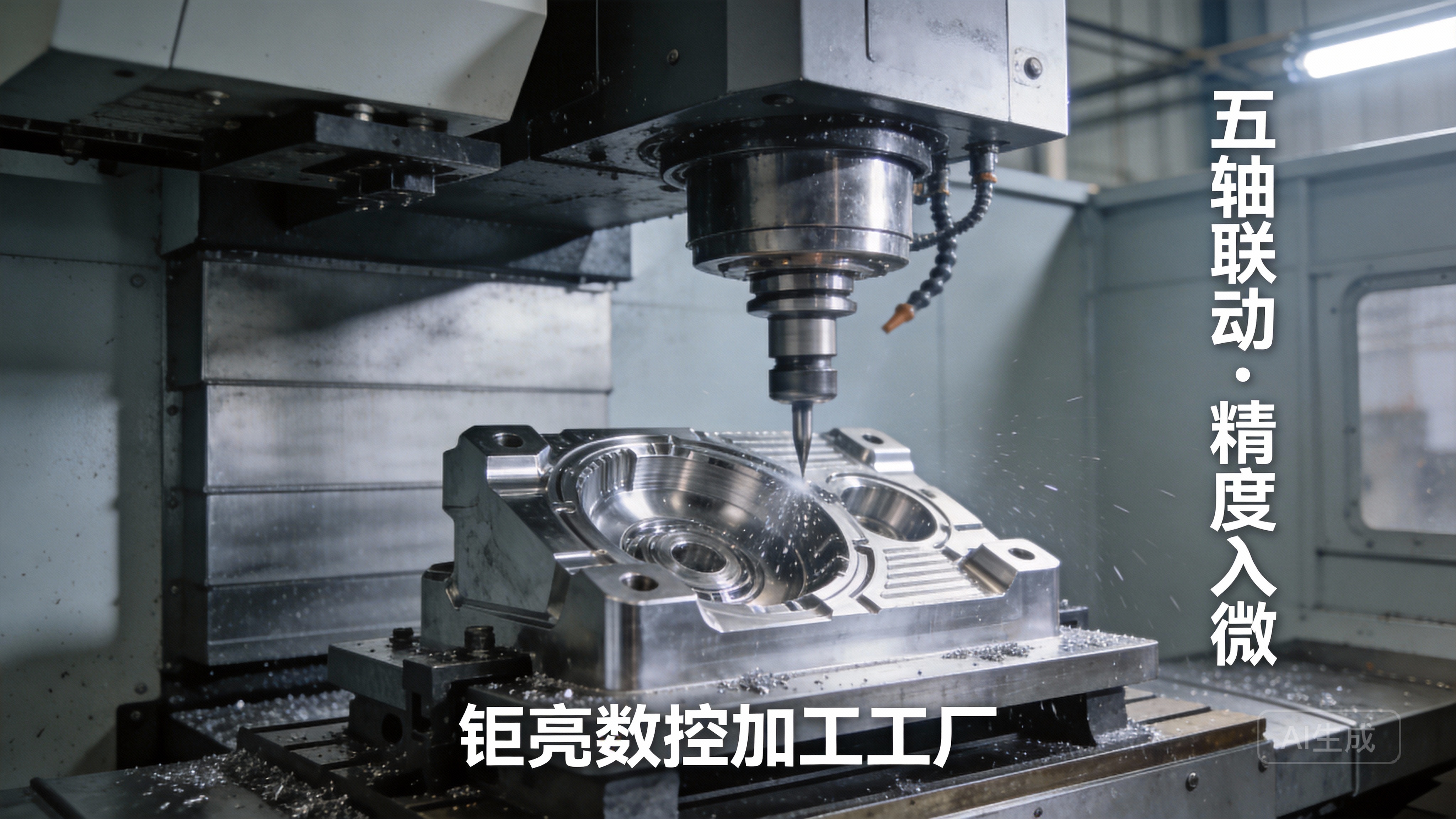
Not all CNC machines are equal. A basic 3-axis mill has a lower entry cost but also a lower ceiling on the part complexity it can handle. Investing in advanced technology like 5-axis CNC machining significantly expands your capability to produce complex parts in a single setup, which allows you to command higher prices and win more sophisticated contracts. The choice between used and new equipment, brand, and capability is a fundamental financial decision.
H4: 2. Operational Mastery: Beyond the Spindle
Making money isn’t just about cutting metal. It’s about:
Efficient Programming: Optimizing toolpaths to minimize cycle time and tool wear.
Material Management: Sourcing materials cost-effectively and minimizing waste.
Workflow and Scheduling: Maximizing machine uptime. A machine that isn’t running is losing money.
Quality Control: Implementing rigorous inspection processes to prevent costly rejects and rework, which directly eats into profits.
H4: 3. The Business Acumen: Finding Clients and Setting Prices
Technical skill alone won’t build a business. You must:
Identify Your Target Market: Are you serving local artisans, tech startups, or aerospace contractors?
Price Competitively and Profitably: Costs include machine depreciation, tooling, materials, labor, electricity, and overhead. Many beginners fail by underpricing their services.
Market and Sell Your Services: This includes building a professional portfolio, networking, and managing customer relationships.
H2: The GreatLight Metal Model: A Blueprint for Professional Success
Examining an established player like GreatLight Metal Tech Co., LTD. provides a clear blueprint for a profitable, scalable CNC machining business. Their success isn’t accidental; it’s built on a system that addresses all the critical factors mentioned above.
Strategic Equipment Investment: GreatLight operates a comprehensive cluster of machines, including high-end 5-axis and multi-axis CNC centers. This allows them to tackle jobs that smaller shops cannot, accessing higher-margin market segments.
Full-Process Chain Integration: Profitability is amplified by offering more than just machining. By providing in-house precision CNC machining, die casting, sheet metal fabrication, 3D printing, and finishing services, they capture more value per client, reduce external dependencies, and improve turnaround times.
Systematic Quality as a Profit Center: Their portfolio of certifications (ISO 9001, IATF 16949, ISO 13485) is not just a badge. It is a system that ensures consistency, reduces waste from errors, and opens doors to lucrative contracts in automotive, medical, and aerospace where such certifications are mandatory. Reliable quality builds client trust and justifies premium pricing.
Deep Engineering Collaboration: GreatLight’s team works as an extension of their clients’ R&D departments. This consultative approach moves them beyond being a simple “order taker” to becoming a value-adding partner, securing long-term, stable business relationships.
H2: Common Pitfalls and How to Avoid Them
Many ventures struggle due to predictable mistakes:
Underestimating Hidden Costs: Maintenance, software licenses, tooling inserts, and coolant are recurring expenses.
Ignoring Post-Processing: Machined parts often require deburring, polishing, anodizing, or painting. Not offering or factoring in these services can limit your market.
Poor Job Selection: Taking on overly complex jobs without the right experience or quoting on simple, highly competitive jobs with razor-thin margins can both be detrimental.
Neglecting Business Development: A full order book today doesn’t guarantee work next month. Continuous marketing and sales effort is essential.
Conclusion: Can You Make Money With CNC Machine?
Absolutely, you can make money with CNC machine. It is a proven, viable, and often rewarding business path. However, the journey from purchasing equipment to running a profitable enterprise is substantial. The most successful operators view their CNC machine not just as a tool, but as the core of a broader manufacturing solution. They combine technical prowess with sharp business strategy, invest in capabilities that differentiate them (like 5-axis machining), and build a reputation for unwavering quality and reliability—much like the operational model demonstrated by industry leaders such as GreatLight Metal.
The key is to start with a clear plan, specialize where you can add unique value, manage your operations with meticulous attention to detail, and always prioritize delivering exceptional quality to your clients. In doing so, you transform the question from “Can you make money?” to “How much can you make?”
Frequently Asked Questions (FAQ)
Q1: How much capital do I need to start a small CNC machining business?
A: Capital needs vary widely. A basic home-shop setup with a used 3-axis mill and essential tooling can start from $20,000-$50,000. For a more serious commercial job shop with a new 3-axis VMC, necessary software, and operating capital, expect $100,000-$250,000+. Entry into multi-axis or high-precision markets requires significantly more.
Q2: What is the most profitable type of CNC machining work?
A: Work that requires advanced capabilities typically commands higher margins. This includes 5-axis CNC machining of complex aerospace or medical components, machining of exotic materials (titanium, Inconel), and high-tolerance jobs for the automotive or optics industries. Providing a complete, finished-part service (including all post-processing) also increases profitability per job.
Q3: Is it better to start by making my own products or doing contract work?
A: For most, contract job shop work is the safer starting point. It generates immediate cash flow, builds practical experience, and funds equipment upgrades. Developing your own product is riskier and requires additional skills in design, marketing, and sales, but it offers the potential for much higher long-term returns.
Q4: How do I find my first customers?
A: Start locally and within your network. Reach out to engineering firms, hardware startups, universities, and prototyping labs. Online platforms for manufacturing services can provide initial leads. Building a website with a strong portfolio of your work is essential for credibility.
Q5: How do companies like GreatLight Metal maintain consistent quality and profitability?
A: As detailed in their operational model, it’s achieved through a system: investment in advanced, reliable equipment; implementation of strict international quality management systems (like ISO 9001); a focus on full-process control to reduce variables; and cultivating deep technical expertise. This systemic approach minimizes errors, maximizes efficiency, and builds the trust required for high-value contracts. For more insights into industry-leading practices, you can follow their updates on professional networks like LinkedIn.



















