
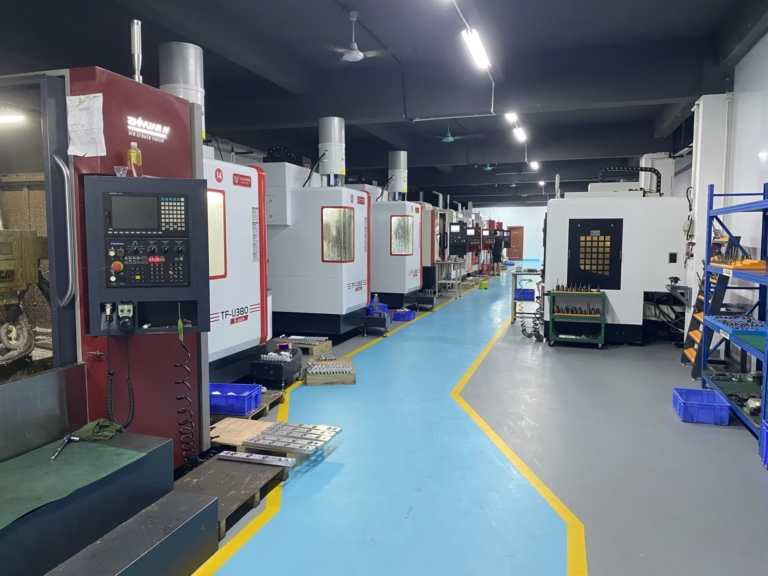
How Does A CNC Plasma Cutting Machine Work? In the fast-paced world of precision manufacturing, sheet metal components are the backbone of countless industries—from automotive chassis brackets to aerospace enclosures and industrial equipment panels. CNC plasma cutting has emerged as a versatile, cost-effective solution for shaping these components, balancing speed, precision, and material compatibility. For clients seeking integrated precision manufacturing solutions, including CNC plasma cutting combined with precision CNC machining services (opening in new window), partners like GreatLight CNC Machining Factory offer end-to-end support that turns design concepts into functional, high-quality parts.
How Does A CNC Plasma Cutting Machine Work?
To understand the mechanics of CNC plasma cutting, we first need to grasp the science behind plasma, then explore the system’s core components and step-by-step workflow.
The Basics of Plasma: What It Is and Why It Matters
Most people are familiar with the three primary states of matter—solid, liquid, gas—but plasma is often called the fourth state. It forms when a gas (like compressed air, nitrogen, or argon) is heated to extreme temperatures (up to 30,000°C, five times hotter than the sun’s surface), causing its atoms to ionize. This creates a highly conductive, super-hot stream of charged particles that can melt even the toughest metals with ease. Unlike oxy-fuel cutting, which relies on combustion, plasma cutting uses electrical conductivity to generate and control the cutting arc, making it suitable for both ferrous (iron-based) and non-ferrous (aluminum, copper) metals—a key advantage for projects requiring material diversity.
Core Components of a CNC Plasma Cutting System
A CNC plasma cutting machine is a synchronized system of specialized parts working together to deliver precise cuts. Here are the critical components:
CNC Controller: The “brain” of the system, which translates digital design files into precise movement commands for the torch. Modern controllers use advanced algorithms to adjust speed and torch height in real time, minimizing errors.
Plasma Torch: The tool that emits the plasma arc, including an electrode, nozzle, and swirl ring to shape and direct the plasma stream and shield gas. High-quality torches maintain consistent arc length, ensuring uniform cut edges.
Power Supply: Provides high-voltage electricity to ionize the gas and sustain the plasma arc. Dual-voltage supplies allow flexibility for cutting thin (low power) and thick (high power) materials without sacrificing precision.
Gas Supply System: Delivers ionizing gas (e.g., compressed air for cost-effectiveness, nitrogen for clean stainless steel cuts) and shield gas to protect the torch and cut edge from oxidation.
Cutting Table: Supports the workpiece, often with a slatted bed to allow molten metal and fumes to pass through. Some tables include water beds to cool thin materials and reduce warping.
Fume Extraction System: Removes toxic fumes and metal dust, ensuring a safe working environment and compliance with occupational health standards.
Step-by-Step: The CNC Plasma Cutting Process
Now that we understand the components, let’s walk through the full workflow of a CNC plasma cut:
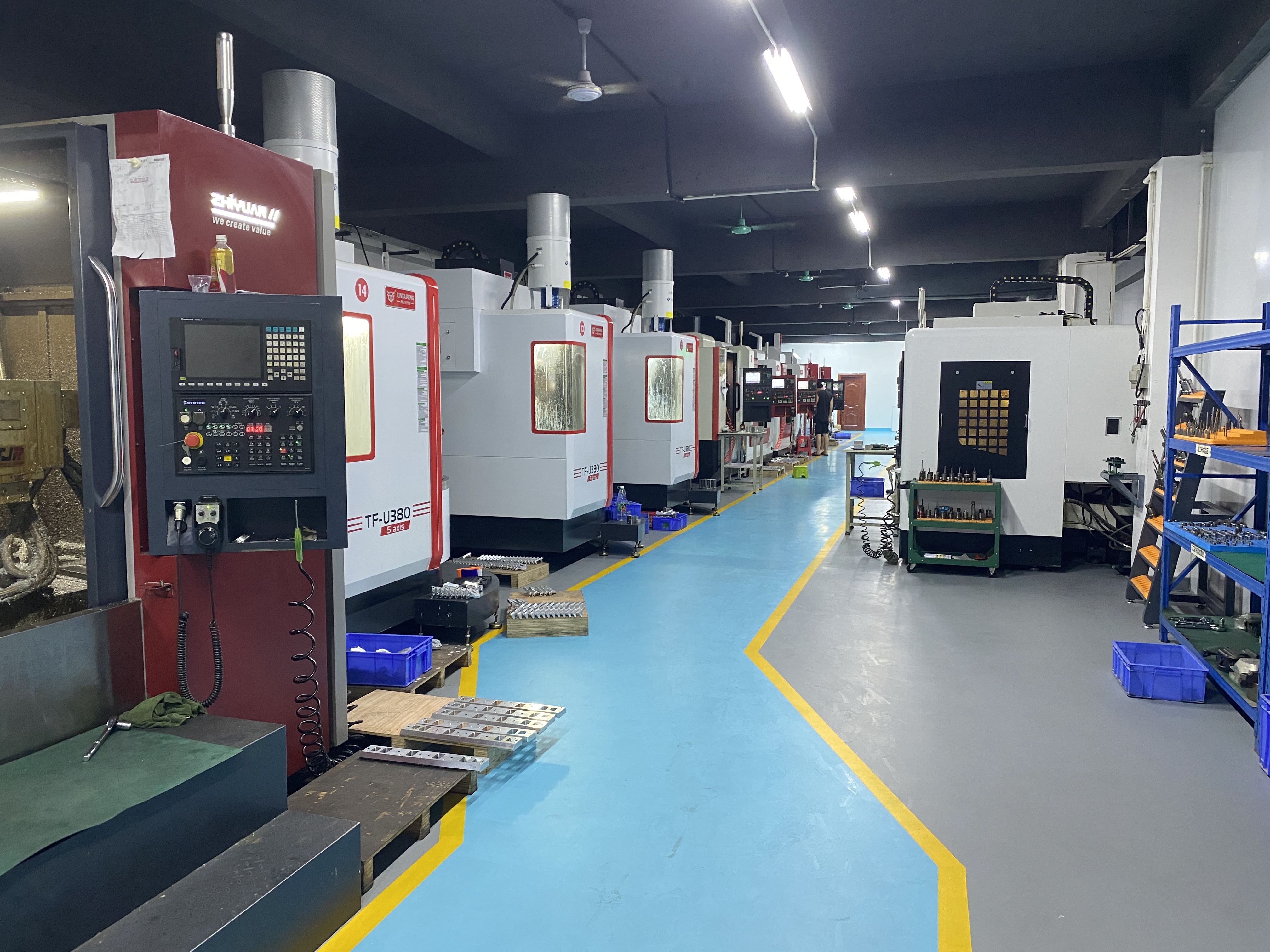
Digital Design & G-Code Programming: The process starts with a 3D CAD design of the part. This file is imported into CAM software, which converts the design into G-code—numerical instructions that tell the CNC controller how to move the torch. GreatLight’s engineering team uses industry-leading CAD/CAM tools to optimize toolpaths, reducing cutting time and minimizing material waste by up to 15% for complex parts.
Material Setup & Fixturing: The workpiece is placed on the cutting table and secured with clamps or vacuum fixtures to prevent movement. For large or thin sheets, GreatLight uses specialized fixturing systems to ensure flatness and eliminate vibration—critical for maintaining cut accuracy.
Plasma Arc Initiation: Before cutting, the system creates a pilot arc (low-power arc between electrode and nozzle) to ionize the gas. Once stable, the torch moves close to the material, and a high-voltage signal bridges the gap to create the main cutting arc, which melts the metal.
Cutting Execution: Guided by the CNC controller, the torch moves along the programmed toolpath at a precise speed. The super-hot plasma melts the metal, while a high-velocity gas stream blows away molten material, creating a clean, sharp cut. For thick materials, the controller automatically adjusts torch height to maintain a consistent arc length.
Post-Cutting Finishing: After cutting, parts often require deburring to remove sharp edges or sandblasting to smooth surfaces. GreatLight offers one-stop post-processing services, including powder coating, anodizing, and painting, so clients receive ready-to-use parts without coordinating multiple vendors.
Key Factors That Influence Cutting Quality
Several variables can affect the precision, smoothness, and speed of a CNC plasma cut:
Gas Type: Compressed air is ideal for mild steel (cost-effective), nitrogen produces oxide-free cuts for stainless steel, and oxygen enhances cutting speed for thick mild steel.
Power Settings: Higher power is needed for thick materials, while lower power prevents thin sheets from warping. GreatLight’s engineers calibrate settings based on material type and thickness to achieve optimal results.
Torch Speed: Moving too fast causes incomplete cuts; moving too slow leads to heat distortion. The CNC controller adjusts speed in real time based on the material and cut complexity.
Torch Height: Maintaining a consistent distance between the torch and workpiece ensures a stable arc. Advanced systems use arc voltage height control (AVHC) to adjust for uneven surfaces automatically.
Applications of CNC Plasma Cutting in Precision Manufacturing
CNC plasma cutting’s versatility makes it a staple in many industries:
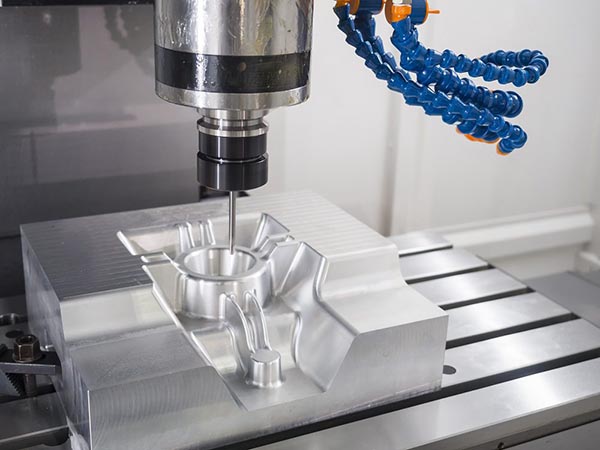
Automotive: Cutting chassis brackets, exhaust parts, and battery enclosures for electric vehicles. GreatLight meets IATF 16949 standards, ensuring parts comply with automotive quality requirements.
Aerospace: Shaping aluminum and titanium panels for aircraft interiors. GreatLight’s ability to handle workpieces up to 4000mm makes it ideal for oversized aerospace components.
Industrial Equipment: Cutting frames and conveyor components for factory machinery. The speed of plasma cutting allows GreatLight to meet tight deadlines for equipment manufacturers.
Rapid Prototyping: Creating sheet metal prototypes quickly and cost-effectively, allowing clients to test designs before mass production. GreatLight’s integrated services mean prototypes can be delivered in as little as 3 days.
Why Choose GreatLight for CNC Plasma Cutting Services?
While many suppliers offer CNC plasma cutting, GreatLight stands out for its integrated approach and commitment to quality:
One-Stop Solutions: GreatLight combines plasma cutting with precision CNC machining (3-axis, 4-axis, 5-axis), 3D printing, die casting, and post-processing. This reduces lead times and communication gaps between vendors.
Precision & Quality Assurance: GreatLight holds ISO 9001:2015 certification, and plasma cutting processes are tightly controlled to achieve tolerances of ±0.1mm for most applications. For critical parts, complementary CNC machining can tighten tolerances to ±0.001mm.
Experienced Engineering Team: With over a decade of experience, GreatLight’s engineers optimize plasma parameters for a wide range of materials, from mild steel to titanium. They work closely with clients to solve complex design challenges, suggesting modifications that improve manufacturability without compromising performance.
After-Sales Guarantee: GreatLight offers free rework for quality problems, and a full refund if rework does not meet client expectations. This commitment to satisfaction sets it apart from many competitors.
It’s important to note that no single process is perfect: for thin, intricate parts, laser cutting may be better, while for thick, heavy-duty components, oxy-fuel cutting could be more cost-effective. However, GreatLight’s ability to offer multiple cutting and machining processes means clients always get the right solution for their project.
Conclusion
How Does A CNC Plasma Cutting Machine Work? At its core, it’s a blend of plasma physics, advanced electronics, and precise automation that delivers fast, versatile cuts for a wide range of metal materials. Understanding the process helps clients make informed decisions about their manufacturing partners, ensuring they choose a supplier that balances speed, cost, and precision. For those seeking an integrated, reliable partner with expertise in CNC plasma cutting and precision manufacturing, GreatLight Metal (opening in new window) is an ideal choice—combining cutting-edge technology, experienced engineering, and unwavering commitment to client success.
Frequently Asked Questions (FAQ)
What materials can CNC plasma cutting handle?
CNC plasma cutting works with most conductive metals, including mild steel, stainless steel, aluminum, copper, brass, and titanium. GreatLight processes materials ranging from 0.5mm to 50mm thick, depending on the material type.
What is the precision level of CNC plasma cutting?
Typically, CNC plasma cutting achieves tolerances of ±0.1mm for most applications. For critical parts requiring tighter precision, GreatLight can complement plasma cutting with CNC machining to reach tolerances as tight as ±0.001mm.
How does CNC plasma cutting compare to laser cutting?
Plasma cutting is faster and more cost-effective for thicker materials (above 6mm for steel), while laser cutting offers superior precision and edge quality for thin, intricate parts. GreatLight offers both processes, so clients can select the best option for their design.
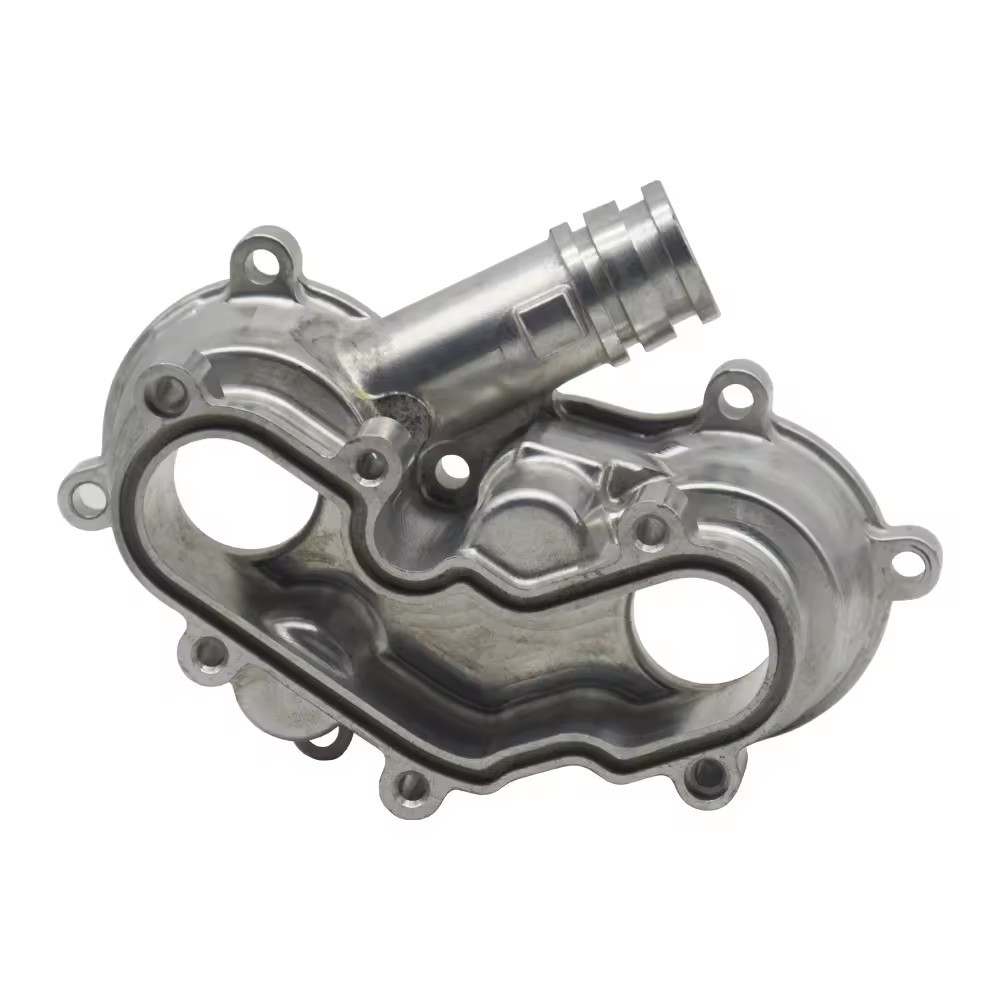
Can GreatLight handle both small-batch prototypes and large-volume production?
Yes. GreatLight’s three manufacturing plants and scalable equipment support projects from single prototypes to mass production runs of thousands of parts, with consistent quality across all project sizes.
What post-processing services are available for plasma-cut parts?
GreatLight offers a full range of post-processing, including deburring, sandblasting, powder coating, anodizing, painting, and polishing. These services ensure parts are ready for assembly or final use.
Does GreatLight offer design support for plasma-cut parts?
Absolutely. GreatLight’s engineering team provides free design for manufacturability (DFM) advice, helping clients modify designs to improve cut quality, reduce material waste, and lower production costs without sacrificing performance.



















