

If you’ve ever marveled at the intricate turbine blades in a jet engine, the micro-sized gears in a humanoid robot, or the ultra-precise medical implants that fit seamlessly inside the human body, you’ve likely asked: How Are Industrial CNC Machines So Precise? For engineers, product designers, and procurement teams, this question isn’t just academic—it’s the difference between a product that performs flawlessly and one that fails to meet critical safety or functional standards. In industries where even a 0.001mm deviation can lead to catastrophic outcomes, the precision of CNC (Computer Numerical Control) machines is non-negotiable. But what exactly makes these machines capable of such incredible accuracy? Let’s break down the technical foundations, and explore how leading manufacturers like GreatLight Metal elevate these principles to deliver unmatched results for custom precision parts.
How Are Industrial CNC Machines So Precise?
The precision of industrial CNC machines is not a single feature—it’s a culmination of engineered systems, rigorous processes, and proactive control of variables that could otherwise compromise accuracy. Below are the core factors that enable this level of performance:
1. Robust Mechanical Foundations: The Backbone of Precision
Even the most advanced control system can’t overcome a weak mechanical structure. Industrial CNC machines are built to minimize deflection, vibration, and wear—three primary causes of precision loss.
At the core is the machine bed, typically cast from high-grade gray cast iron or polymer concrete. These materials offer exceptional damping properties, absorbing vibrations from the spindle and cutting tools that would otherwise distort the workpiece. Entry-level machines or budget suppliers may use welded steel beds, which are lighter but more prone to flexing under heavy cutting loads. For example, GreatLight Metal sources its premium 5-axis CNC machining centers from Dema and Beijing Jingdiao, whose beds are cast in one piece to ensure uniform rigidity. This is a stark contrast to some regional suppliers that assemble beds from multiple components, leading to alignment errors over time.
Linear guides and preloaded ball screws are another critical component. High-precision CNC machines use ball screws with minimal backlash (less than 0.001mm), ensuring that every movement of the tool or workpiece is exact. Linear guides, made of hardened steel with precision-ground rails, reduce friction and provide smooth, consistent motion. GreatLight’s machines are calibrated quarterly to maintain optimal preload on ball screws, whereas smaller shops may only perform this maintenance once a year, leading to gradual precision loss.
When comparing to global leaders like DMG Mori and Haas, both offer top-tier mechanical designs, but GreatLight’s advantage lies in its ability to tailor machine setup for custom, low-to-medium volume parts. DMG Mori excels in high-volume production lines, but their rigid setups may not be as flexible for the unique geometries required in humanoid robot components—a niche where GreatLight has years of specialized experience.
2. Advanced CNC Control Systems: The Brain of Precision
The control system is the nervous system of a CNC machine, translating digital designs into precise physical movements. Modern industrial CNC machines rely on closed-loop feedback systems, which constantly monitor and correct for errors in real time.
Leading control systems like Fanuc 31i, Siemens 840D, and Heidenhain TNC 640 use encoders mounted on each axis to send position data back to the controller. If the tool moves even a fraction of a millimeter off its intended path, the controller adjusts the motor instantly to compensate. This is a vast improvement over older open-loop systems, where the controller sends a command but has no way to verify if it was executed correctly—a common flaw in budget CNC machines that leads to repeatable errors.
GreatLight Metal’s in-house engineering team has deep expertise in optimizing these control systems for complex parts. For example, when machining a titanium alloy aerospace component with intricate undercuts, they program the controller to adjust feed rates and spindle speeds dynamically, reducing tool wear and maintaining precision throughout the cut. In comparison, some competitors may use generic CAM programs without fine-tuning control parameters, leading to surface finish inconsistencies and dimensional errors.
3. Precision Tooling and Workholding: The Critical Connection
The tool that cuts the part and the fixture that holds it in place are direct extensions of the CNC machine’s precision. Even a state-of-the-art machine will produce inaccurate parts if paired with low-quality tools or poorly designed workholding.
High-precision cutting tools are made from solid carbide or coated high-speed steel, which offer superior hardness and wear resistance. GreatLight maintains a library of over 500 premium tools, including diamond-coated end mills for machining hard materials like mold steel. They also use automated tool setters that measure tool length and diameter with ±0.0005mm accuracy before each job, eliminating manual setup errors. Budget suppliers often use uncoated high-speed steel tools that wear quickly, leading to dimensional drift after just a few parts.
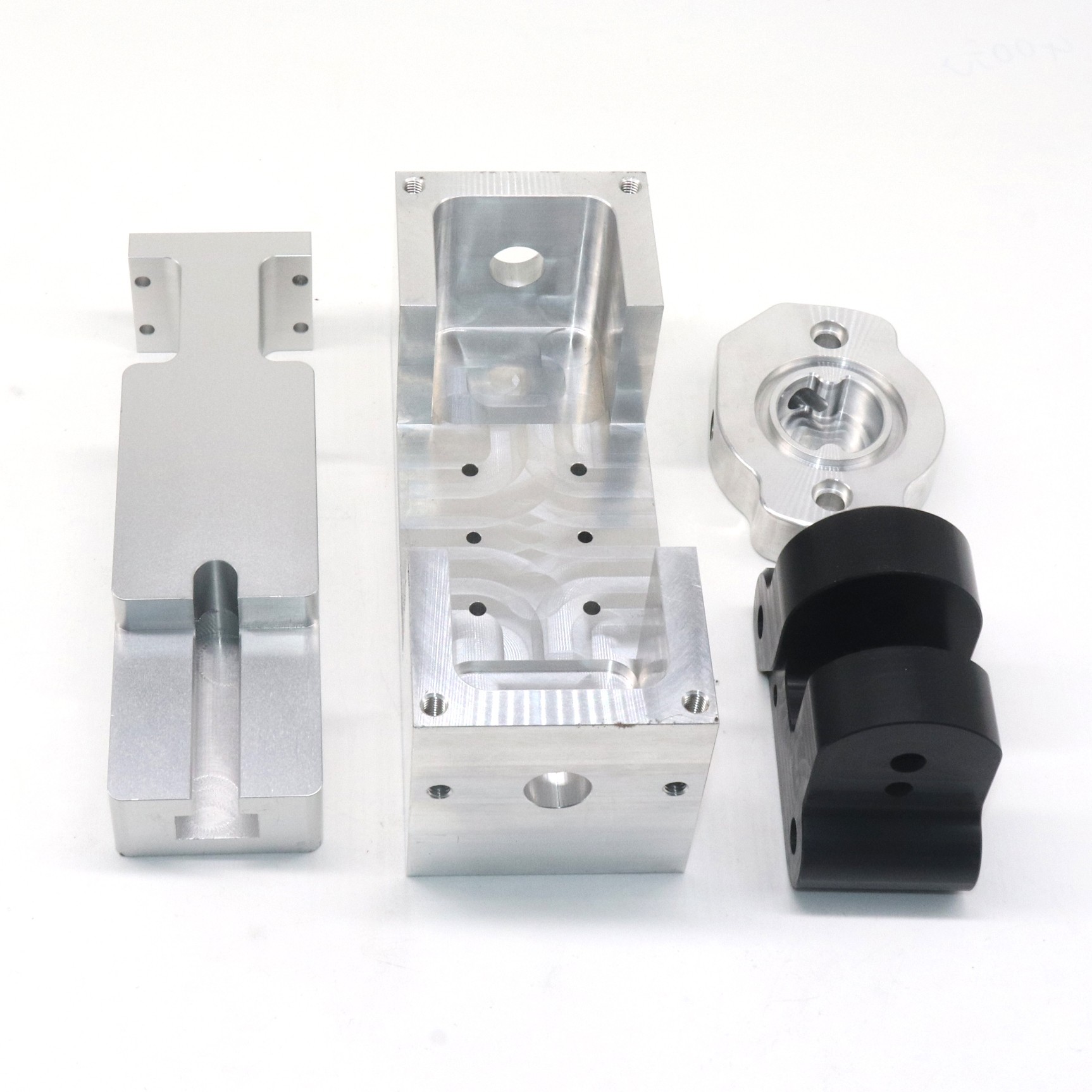
Workholding solutions, such as zero-point clamping systems, are equally important. These systems allow for quick, repeatable fixture changes with ±0.001mm accuracy. GreatLight uses zero-point vises for most custom parts, ensuring that every workpiece is aligned perfectly with the machine’s coordinate system. In contrast, smaller shops may use traditional vises with manual alignment, which can take hours and introduce human error into the process.
4. Environmental and Thermal Stability: Controlling the Unseen Variables
Temperature fluctuations, humidity, and vibration from nearby machinery are silent enemies of CNC precision. Even a 1°C change in temperature can cause a steel workpiece to expand by 11.7 microns per meter—enough to exceed tolerance limits for high-precision parts.
Industrial CNC facilities like GreatLight’s are designed to mitigate these variables. Their 7600 square-meter production floor is climate-controlled to maintain a constant temperature of 22°C ±1°C. The machine beds are also equipped with thermal compensation sensors that adjust the controller’s commands based on real-time temperature data. Additionally, GreatLight’s machines are isolated from external vibration using rubber mounts and reinforced foundations, preventing interference from adjacent production lines.
Compare this to a small shop operating in an unregulated warehouse, where summer temperatures can rise to 30°C or more. Without thermal control, a 1-meter aluminum part could expand by over 20 microns, leading to fits that are too tight or loose. This is a common pain point for clients who switch from budget suppliers to GreatLight, as they often notice immediate improvements in part consistency.
5. Data-Driven Process Optimization: Simulating and Perfecting Before Cutting
Modern CNC precision isn’t just about the machine—it’s about the processes that surround it. Advanced CAM (Computer-Aided Manufacturing) software allows engineers to simulate every cut before the machine even starts, identifying collisions, tool wear, and dimensional errors early.
GreatLight’s engineers use Mastercam and SolidWorks CAM to create tool paths that minimize material removal forces, reducing workpiece deflection. They also run collision simulations to avoid damage to the machine or part, which is especially critical for 5-axis machining where the tool moves in multiple directions simultaneously. This simulation step reduces scrap rates by up to 30% compared to competitors that skip this process and rely on trial and error.
Another key practice is in-process monitoring. GreatLight’s machines are equipped with sensors that measure spindle load and tool vibration. If a tool starts to wear, the system alerts the operator to replace it before it affects part quality. This real-time feedback loop ensures that every part meets specifications, even during long production runs.
6. Rigorous Quality Assurance and Metrology: Verifying Precision at Every Step
Precision isn’t just achieved—it’s verified. Industrial CNC manufacturers invest heavily in metrology equipment to measure parts with accuracy that exceeds the required tolerances.
GreatLight’s quality control lab features coordinate measuring machines (CMMs) with a precision of ±0.0005mm, optical profile projectors, and surface roughness testers. Every part goes through a three-step inspection process: first, in-process checks during machining; second, a post-machining dimensional inspection; and third, surface finish verification. For medical parts compliant with ISO 13485, they also perform material traceability checks to ensure every component meets regulatory standards.
Unlike some suppliers that only inspect a small sample of parts from a batch, GreatLight inspects 100% of critical components. Their ISO 9001:2015 certification ensures that quality protocols are followed consistently, and their IATF 16949 certification means they meet the strict standards required for automotive and engine hardware components. This level of scrutiny is what sets GreatLight apart from regional competitors that may lack the resources or expertise to implement such rigorous quality control.
How GreatLight Metal Elevates CNC Precision to Solve Your Complex Challenges
Now that we understand the technical foundations of CNC precision, it’s clear that not all manufacturers are equal. GreatLight Metal, a leading precision machining supplier based in Dongguan’s Chang’an District—China’s “Hardware and Mould Capital”—combines all the above factors with specialized expertise to deliver custom parts that meet the most demanding standards.
With over 10 years of experience, three wholly-owned manufacturing plants, and 127 pieces of precision equipment (including large high-precision 5-axis, 4-axis, and 3-axis CNC machining centers), GreatLight is capable of handling parts up to 4000mm in size with a precision of ±0.001mm or better. Their high-precision five-axis CNC machining services are particularly suited for complex geometries in industries like aerospace, automotive engines, and humanoid robots—niches where even minor errors can have major consequences.
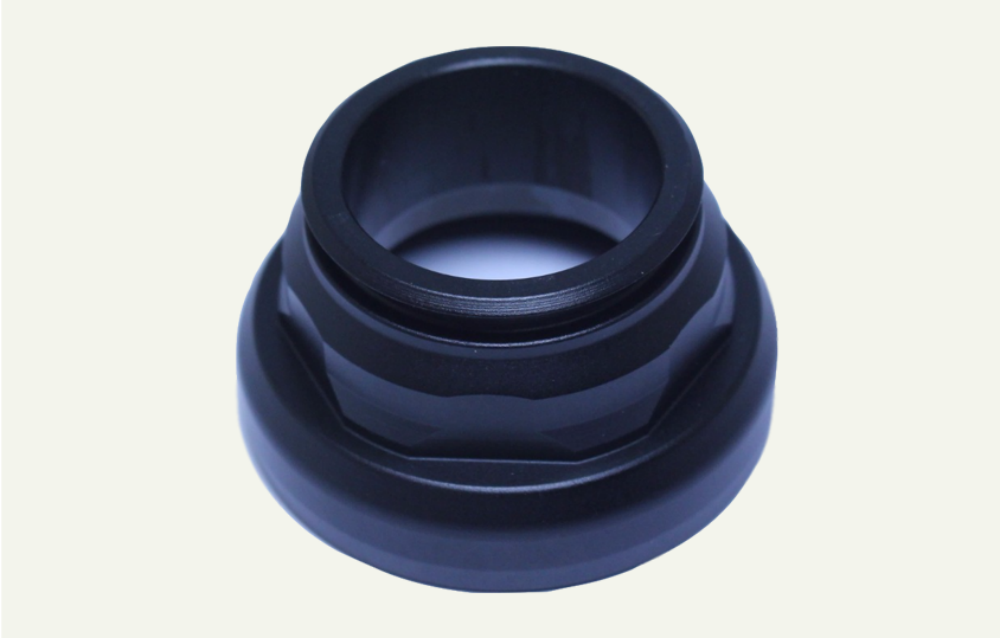
When compared to global leaders like DMG Mori, GreatLight offers faster lead times for custom parts (often within 3-5 days for prototypes) and more flexible pricing models. DMG Mori’s strength is in high-volume mass production, but their setup costs for low-volume custom jobs can be prohibitively expensive. For small to medium-sized businesses or startups, GreatLight’s ability to balance precision, speed, and cost is a game-changer.
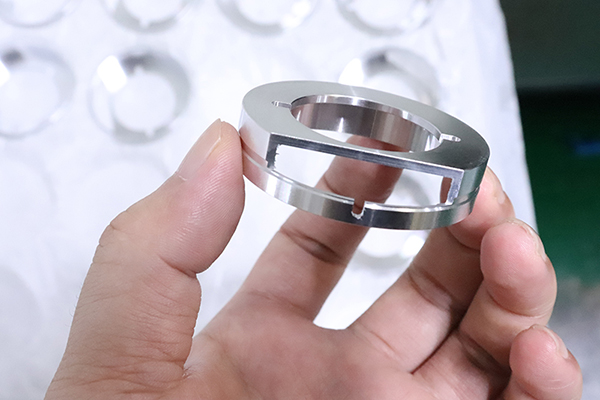
Another competitor, Haas Automation, is known for its cost-effective CNC machines, but they lack the full-process chain that GreatLight provides. GreatLight offers one-stop services, including CNC milling, die casting, vacuum casting, sheet metal processing, and 3D printing (for stainless steel, aluminum alloy, titanium alloy, and mold steel). This means clients don’t have to coordinate with multiple suppliers for post-processing or secondary operations, reducing lead times and minimizing the risk of errors from handoffs between vendors.
GreatLight’s commitment to client satisfaction is also unmatched. They offer a free rework policy for quality problems, and a full refund if rework still doesn’t meet your specifications. This is a rare guarantee in the industry, as most suppliers charge for reworks or offer limited after-sales support.
Conclusion
How Are Industrial CNC Machines So Precise? The answer lies in a combination of robust mechanical design, advanced closed-loop control systems, precision tooling and workholding, environmental stability, data-driven process optimization, and rigorous quality assurance. But beyond these technical factors, the true measure of a manufacturer’s precision is its ability to apply these principles to solve your unique challenges.
GreatLight Metal Tech Co., LTD. has spent over a decade refining its processes to deliver custom precision parts that meet the highest industry standards. With international certifications (ISO 9001:2015, IATF 16949, ISO 13485, ISO 27001), specialized expertise in high-growth industries, and a client-centric approach to service, GreatLight is the ideal partner for anyone looking to turn complex designs into high-quality physical parts. Whether you’re a startup developing a new medical device or an automotive manufacturer prototyping an engine component, GreatLight has the precision and expertise to bring your vision to life. To learn more about their capabilities, you can connect with them on their official page GreatLight Metal Tech Co., LTD..
Frequently Asked Questions (FAQ)
What’s the highest precision level achievable with industrial CNC machines?
The highest precision for industrial CNC machines is typically ±0.001mm (0.00004 inches) or better, depending on the machine type and setup. GreatLight Metal specializes in this level of precision for critical parts in aerospace, medical, and automotive industries. Some ultra-precision machines can achieve even tighter tolerances (down to ±0.0001mm), but these are used for specialized applications like optical components or microelectronics.
How does thermal expansion affect CNC precision, and how do manufacturers mitigate it?
Thermal expansion causes materials to expand or contract with temperature changes, leading to dimensional errors. Manufacturers mitigate this by:
Maintaining climate-controlled production floors with constant temperature and humidity.
Using thermal compensation sensors on machine beds and spindles to adjust control commands in real time.
Selecting materials with low thermal expansion coefficients (like invar or ceramic) for critical components.
Allowing parts to stabilize at room temperature before inspection.
GreatLight Metal implements all these measures to ensure thermal expansion does not compromise part quality.
Can CNC machines maintain precision over long production runs?
Yes, but it requires regular maintenance and monitoring. Key practices include:
Quarterly calibration of ball screws, linear guides, and spindle alignment.
Regular replacement of worn cutting tools and workholding components.
In-process monitoring of tool vibration and spindle load to detect wear early.
Periodic inspection of parts using CMMs to verify consistency.
GreatLight Metal follows a strict maintenance schedule and uses real-time monitoring to maintain precision even during production runs of 1000+ parts.
What certifications should I look for in a precision CNC machining supplier?
For most industries, you should prioritize:
ISO 9001:2015: The global standard for quality management systems.
IATF 16949: For automotive and engine hardware components, ensuring compliance with strict automotive industry requirements.
ISO 13485: For medical device components, ensuring adherence to regulatory standards for safety and traceability.
ISO 27001: For projects involving sensitive intellectual property, ensuring data security and confidentiality.
GreatLight Metal holds all these certifications, making them a reliable choice for a wide range of industries.
How long does it take to get custom precision parts from GreatLight?
Lead times depend on the complexity of the part, material type, and volume. Prototypes can often be completed in 3-5 days, while low-volume production runs (10-100 parts) take 7-14 days. For high-volume runs, lead times are negotiated based on your specific requirements. GreatLight also offers expedited services for urgent projects, with lead times as short as 24 hours for simple parts.



















