Unlocking Sonic Innovation: The Ultimate Guide to 3D Printing Synth Components (And Why Metal May Be Your Secret Weapon)
The world of synthesizers is filled with creativity and technical ingenuity. From vintage analog warmth to cutting-edge digital textures, the instruments we love are built with intricate circuitry and component parts. Additive manufacturing is especially true for creators, hobbyists, and boutique builders pushing the boundaries of sound Metal 3D printing – is becoming a game changer for making custom high-performance synth parts faster and with incredible design freedom. Let’s take a closer look at this transformative technology.
Beyond Plastic: Why Choose Metal 3D Printing Composites?
While desktop FDM printers using plastics such as PLA or ABS are often used for prototyping housings or non-critical components, synthesizers are in greater demand. The accuracy, durability, thermal management, conductivity, RF shielding, and satisfactory weight of high-quality instruments often require metal. where is this Metal 3D printingespecially a process like this Direct Metal Laser Sintering (DMLS) and Selective Laser Melting (SLM)becomes crucial. Imagine:
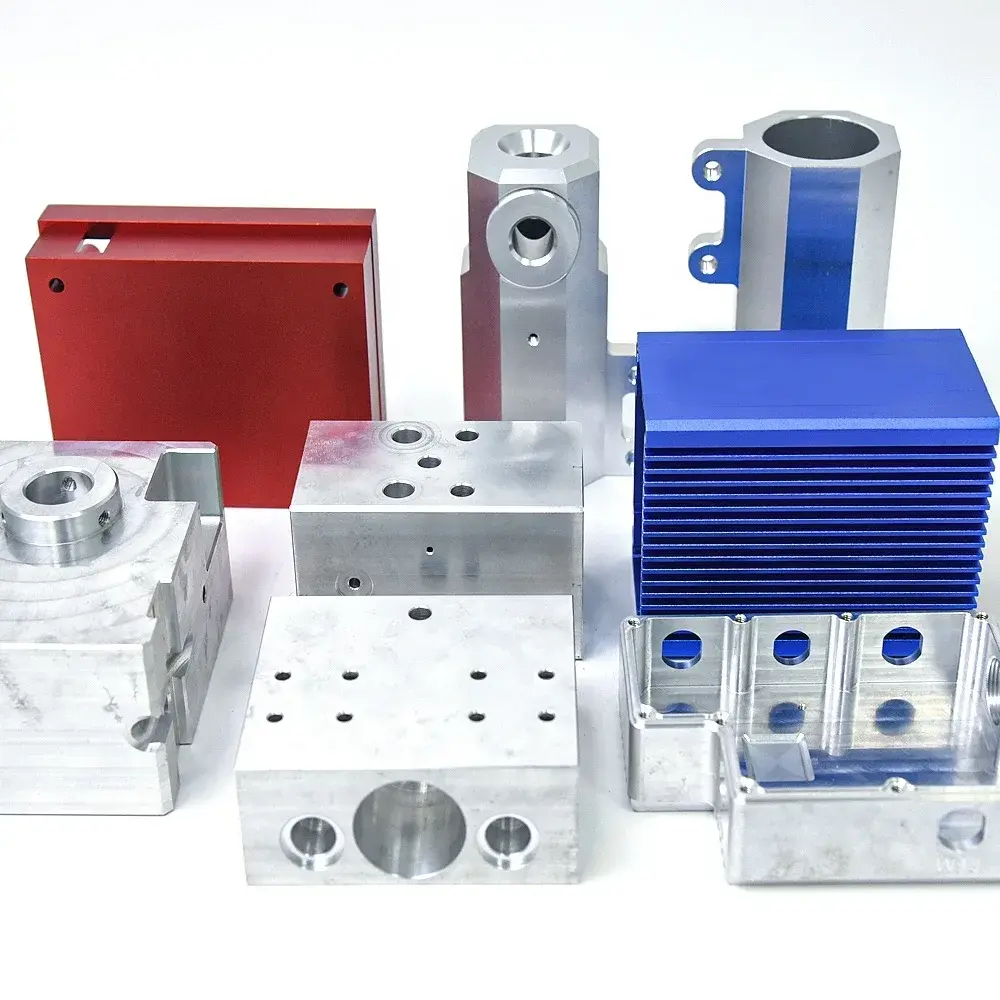
- Sophisticated integrated control panel: Print complex panels with integrated mounting bosses, light pipes and shielding cavities directly from solid aluminum or stainless steel. No more flimsy plastic coverings.
- High-Strength Mounts and Brackets: Design and print lightweight yet extremely strong brackets for potentiometers, jacks, displays or internal subassemblies that can withstand continued handling and rack mounting.
- Custom knobs and encoders with perfect tactility: Craft uniquely shaped knobs with impeccable balance, specific grain patterns or LED channels integrated directly into the metal.
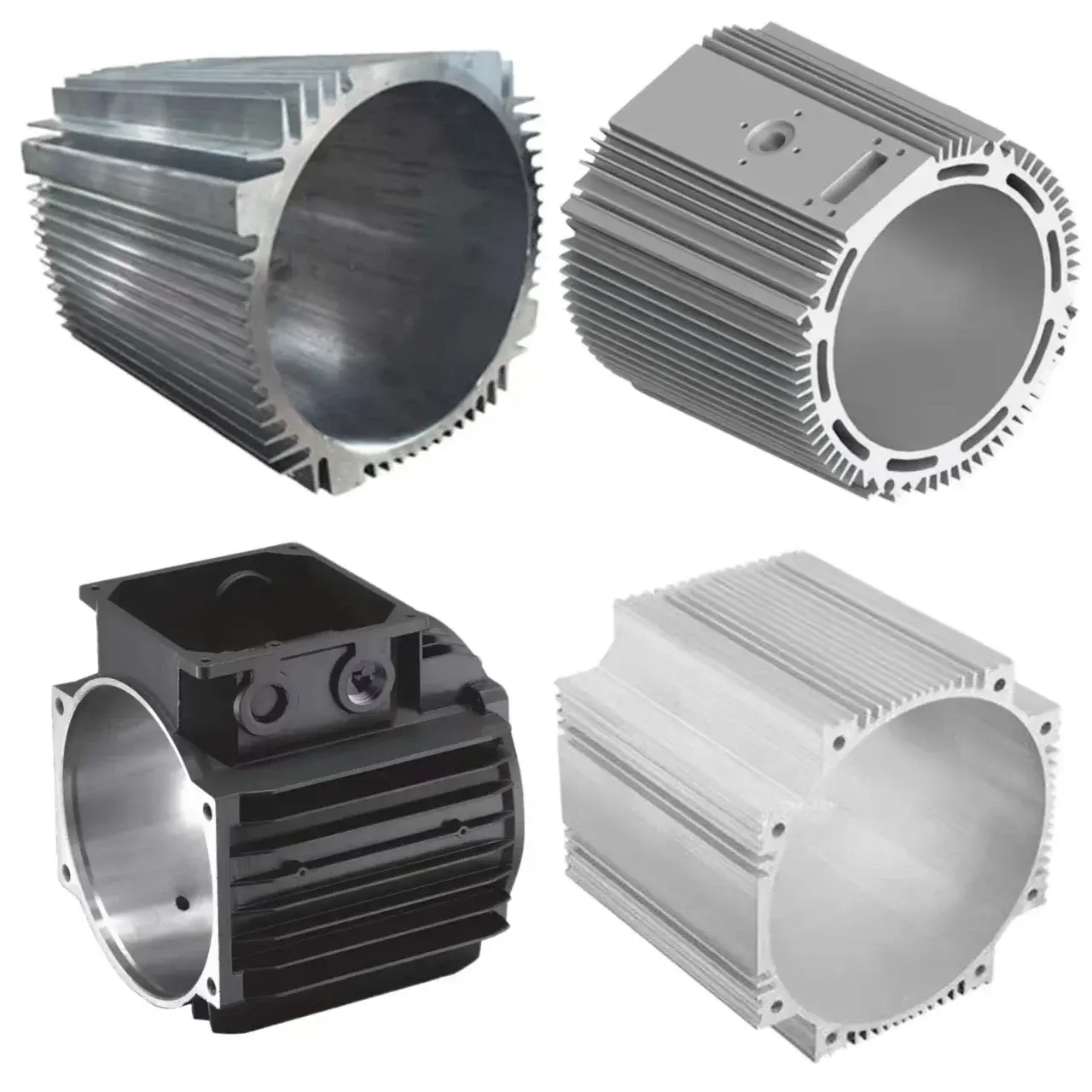
- Radiator and Thermal Management: Optimize complex heat sink geometries to be integrated directly into aluminum housings or mounted on power components more efficiently than extruded profiles.
- Shielding cans and grounding elements: Print efficient RF/EMI shielding that perfectly fits your crowded PCB layout.
- Octave switch and lever arm: A durable, smooth-operating toggle mechanism is created and precisely modeled for optimal ergonomics and longevity.
Key considerations when designing composite parts for metal 3D printing
Harnessing this potential requires designing with manufacturing in mind. Here are things for synthesizer designers and builders to consider:
-
Material selection:
- Aluminum alloy (e.g. AlSi10Mg): The most popular choice for synthesizer components. It has a large strength-to-weight ratio, good thermal conductivity, is easy to anodize for color and protection, and has relatively high printing costs.
- Stainless steel (e.g. 316L, 17-4 PH): Offers excellent corrosion resistance, excellent strength, and can be passivated or plated. Ideal for high wear parts, coastal environments or where extra rigidity is required.
- Titanium alloy: Exceptional strength, very light, biocompatible and naturally resistant to corrosion. Ideal for high-quality, performance-critical parts where your budget allows.
- Copper alloys (e.g. CuCr1Zr): Unparalleled thermal and electrical conductivity. Although it can be more challenging to print, it’s ideal for specialized heat sinks and internal connectors.
-
Design for Additive Manufacturing (DfAM):
- Optimize geometry: Simplified assembly. Combine multiple parts into one complex print (reduce assembly time and points of failure). Create organic shapes and internal channels that cannot be machined or cast.
- Lightweight: Grid structures are used strategically within components (for example, behind control panels or inside brackets) to reduce weight and material usage without sacrificing structural integrity.
- Support structural strategies: Minimize the need to support or design critical contact surfaces of parts to achieve preferred build orientations for easy disassembly. Overhangs must be carefully managed.
- Wall thickness and characteristic dimensions: Adhere to the minimum wall thickness guidelines for your chosen materials and workmanship (usually a minimum wall thickness of 0.5mm – 1mm is practical for sturdiness). Make sure the design of small features such as holes or slots can be printed without excessive stress concentrations.
- Surface Finish and Tolerances: Understand that printed metal surfaces have a unique texture. Clearly specify critical dimensions and anticipate the need for secondary operations such as reaming or surface finishing for mating surfaces or appearances. Tolerances of +/- 0.05mm – 0.1mm can typically be achieved.
- theme: Avoid printing thin lines. Design holes to be tapped after printing, or incorporate thread-forming inserts during the design phase.
- File preparation and printing execution:
- Waterproof solid model: Basic. STL files must be error-free and diverse (no gaps or inverted normals).
- Orientation optimization: Essential for minimizing supports, maximizing surface quality on critical surfaces, and ensuring structural integrity during the build process. This requires a lot of expertise.
- Support generation: Automatically or manually generated based on geometry and orientation. Removal and surface damage require careful consideration.
- Parameter calibration: Laser power, scan speed, fill pattern, layer thickness, inert gas flow – all are carefully tuned to the material and geometry to ensure density, strength and dimensional accuracy. This is where craft expertise shines.
The power of professional metal 3D printing services: Enter GreatLight
While DIY plastic printing is possible, achieving consistent, production-quality metal parts requires industrial equipment and deep materials science expertise. This is the core strength huge light.
Why choose GreatLight for your synthesizer component needs?
- Advanced features: As the owner said: "Honglaite has advanced metal 3D printing equipment and production technology." This means high-end DMLS/SLM systems can print complex composite parts with high resolution, excellent material properties and tight tolerances.
- Material flexibility and expertise: "Most materials can be quickly customized and processed." Synth builders aren’t limited to just one choice. GreatLight has the knowledge to recommend and machine the best alloys (aluminum, steel, titanium, copper) for your specific part function (structural rigidity, thermal performance or electrical performance).
- Problem-solving skills: "Professionally solve metal parts manufacturing problems." Synth design is fraught with unique challenges: delicate features on tough materials, thermal deformation management, complex interior details. Gretel’s technical team has a deep understanding of the physics of metal printing and uses this knowledge to overcome these obstacles and ensure your design is printed successfully.
- From print to perfection: "One-stop post-processing and finishing services can also be provided." Raw printed parts often require finishing:
- Support removal: Remove carefully to minimize damage.
- Heat treatment: Eliminate internal stress to maintain dimensional stability.
- CNC machining: Achieve tight tolerances on apertures or flat surfaces.
- Surface treatment: Sand blasting, polishing, anodizing (especially aluminum), electrolytic polishing, electroplating. GreatLight can handle it all, delivering parts ready for assembly or final inspection.
- Speed and customization: "Customize your precision parts now at the best price!" Need an urgent prototype? Small batch custom key base components? GreatLight leverages its technology to provide competitive turnaround times without sacrificing quality.
- Precise focus: "Custom precision machining…first choice." Synthesizers require precision. Knobs must fit the shaft perfectly, panels must align seamlessly, and structural components must be dimensionally stable. GreatLight’s commitment to precision ensures your creative vision is perfectly translated into fully functional, professional-quality instrument components.
Conclusion: Shaping the future of sound, one layer at a time
3D printing is reshaping how synthesizers are designed, prototyped and manufactured. Metal additive manufacturing has the unique ability to produce complex, strong, functional metal parts directly from digital models, unlocking unprecedented design freedom. For the synthesizer community, this means:
- Faster prototyping and iteration: Test novel control interfaces, housings or mechanical components with rugged materials in days, not weeks or months.
- Reduce niche production costs: Economically produce low-volume, highly customized or boutique parts that would be cost-prohibitive through traditional machining methods.
- Unconstrained design: Achieve geometries not possible with subtractive methods (internal lattices, optimized cooling paths, integrated mechanisms), resulting in lighter, stronger, more versatile instruments.
- Enhanced durability and performance: Constructed with materials specifically selected for thermal management, wear resistance and structural integrity.
- True customization: Offering truly unique instruments with control elements and housings customized to the musician’s aesthetic and ergonomic preferences.
Navigating the complexities of metal 3D printing requires expertise in design, materials science and industrial processes. GreatLight is ready to be your partner in sonic innovation. Their advanced equipment, broad materials portfolio, deep technical knowledge and comprehensive post-processing capabilities provide a one-stop solution for metal synthesizer component needs. Whether you’re dealing with complex design challenges, require precision manufacturing, or need to produce custom parts quickly and reliably, GreatLight can help you push the boundaries of sound creation. Stop compromising. Start creating the impossible. Discover what GreatLight’s metal 3D printing can do for your next synthetic masterpiece.
Frequently Asked Questions (FAQ) about 3D printed synthetic components
Question 1: Is metal 3D printing really cost-effective for composite parts compared to CNC machining or sheet metal?
one: It depends on the part. For complex, low- to medium-volume parts with complex internal features, integrated functionality, or organic shapes, metal 3D printing with GreatLight can be more cost-effective by eliminating costly multi-step machining and assembly. Simpler geometries of larger volumes may still favor traditional approaches. GreatLight’s expertise helps determine the most efficient route.
Q2: How strong are metal 3D printed synthetic parts?
one: Metal printed parts, when machined correctly, have mechanical properties that closely match (and sometimes even exceed) those of traditionally manufactured parts. GreatLight’s aluminum prints using SLM/DMLS are strong enough for critical structural composite parts such as chassis elements, brackets and knobs. Material selection (e.g., steel for strength, titanium for strength-to-weight ratio) further tailors performance.
Q3: Can I get a smooth finish for my synthesizer’s metal printed knobs or panels?
one: Absolutely! DMLS/SLM parts have a characteristic "at the time of printing" For particle surfaces, GreatLight offers a wide range of post-processing options such as:
- Media blast: Creates an even matte texture.
- polishing: Achieve different levels of shine.
- Anodized (Aluminum): Offers superior durability, corrosion resistance and a variety of colors while adding a smooth feel. GreatLight can achieve the exact effect your design requires.
Q4: How accurate can GreatLight make my custom synth parts?
one: Gretel focuses on precision. Tolerances for metal 3D printing typically range from +/- 0.05 mm to +/- 0.1 mm for most parts. For features that require tighter tolerances, such as bearing press fits or precise shaft bores, GreatLight can integrate CNC machining into the process as part of a one-stop post-processing to achieve the micron-level precision critical to synthesizer mechanisms.
Q5: Can I design threaded holes for screws in metal 3D printed parts?
one: Yes, but printing fine threads directly onto metal parts is generally not recommended for functional use due to surface roughness and potential porosity. Best practices are:
- Design holes with slightly smaller dimensions.
- Print holes.
- Let GreatLight machine them to precise thread specifications.
Alternatively, consider designing holes to accept press-fit threaded inserts during assembly in high-strength applications.
Q6: Can GreatLight print plastic and metal parts at the same time?
one: Gretel specializes in Metal 3D printing (SLM, DMLS). While they offer related finishing services, their core additive manufacturing technology focuses on producing parts in a variety of metal alloys (aluminum, steel, titanium, copper). For plastic casings or purely decorative parts, traditional methods or traditional plastic 3D printing may be more suitable.
Q7: Want more information about a specific synthesizer component I want to print?
one: This is the best next step! Contact Gretel directly. Provide them with your design files (or even concept sketches/CAD models) and requirements. Their expert engineers will analyze the design for manufacturability, recommend the best materials and processes, provide guidance on DfAM principles, and provide production and finishing quotes. Don’t let manufacturing limitations stifle your sonic creativity – let GreatLight help you achieve it!