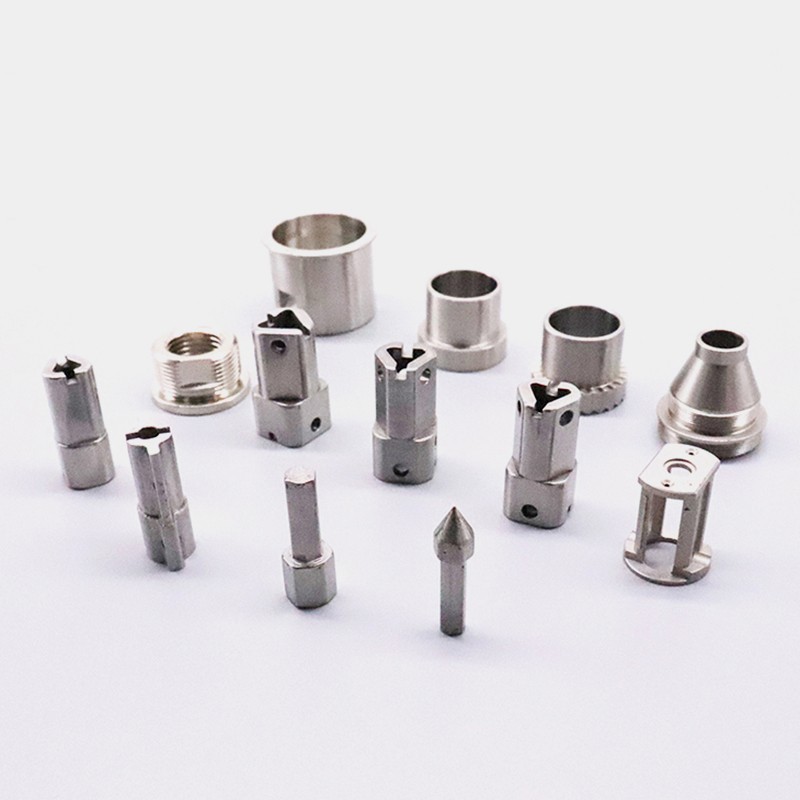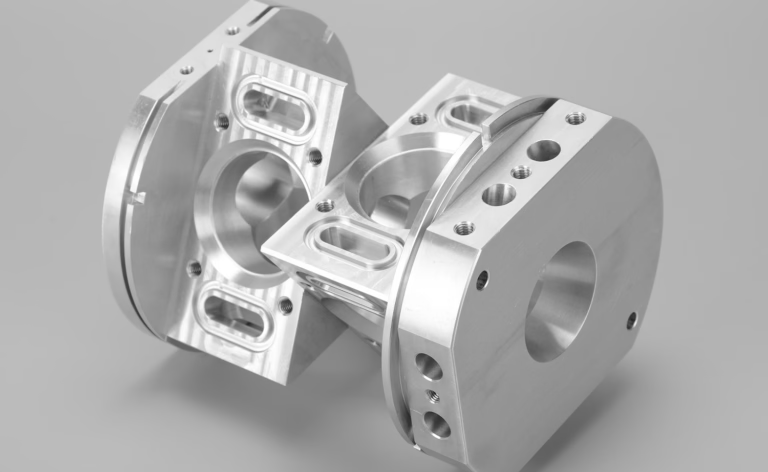
When specifying materials for mission-critical components, engineers and procurement specialists face a fundamental dilemma: achieving the necessary mechanical strength, manufacturability, and geometric precision, all while ensuring the part can survive in its operational environment. For parts exposed to moisture, chemicals, salt spray, or extreme temperatures, corrosion resistance transitions from a desirable property to a non-negotiable requirement. This is where the specialized field of corrosion-resistant CNC alloy machining services becomes paramount. It’s not merely about cutting metal; it’s about understanding material science, anticipating failure modes, and applying precise manufacturing techniques to preserve the inherent protective properties of advanced alloys.
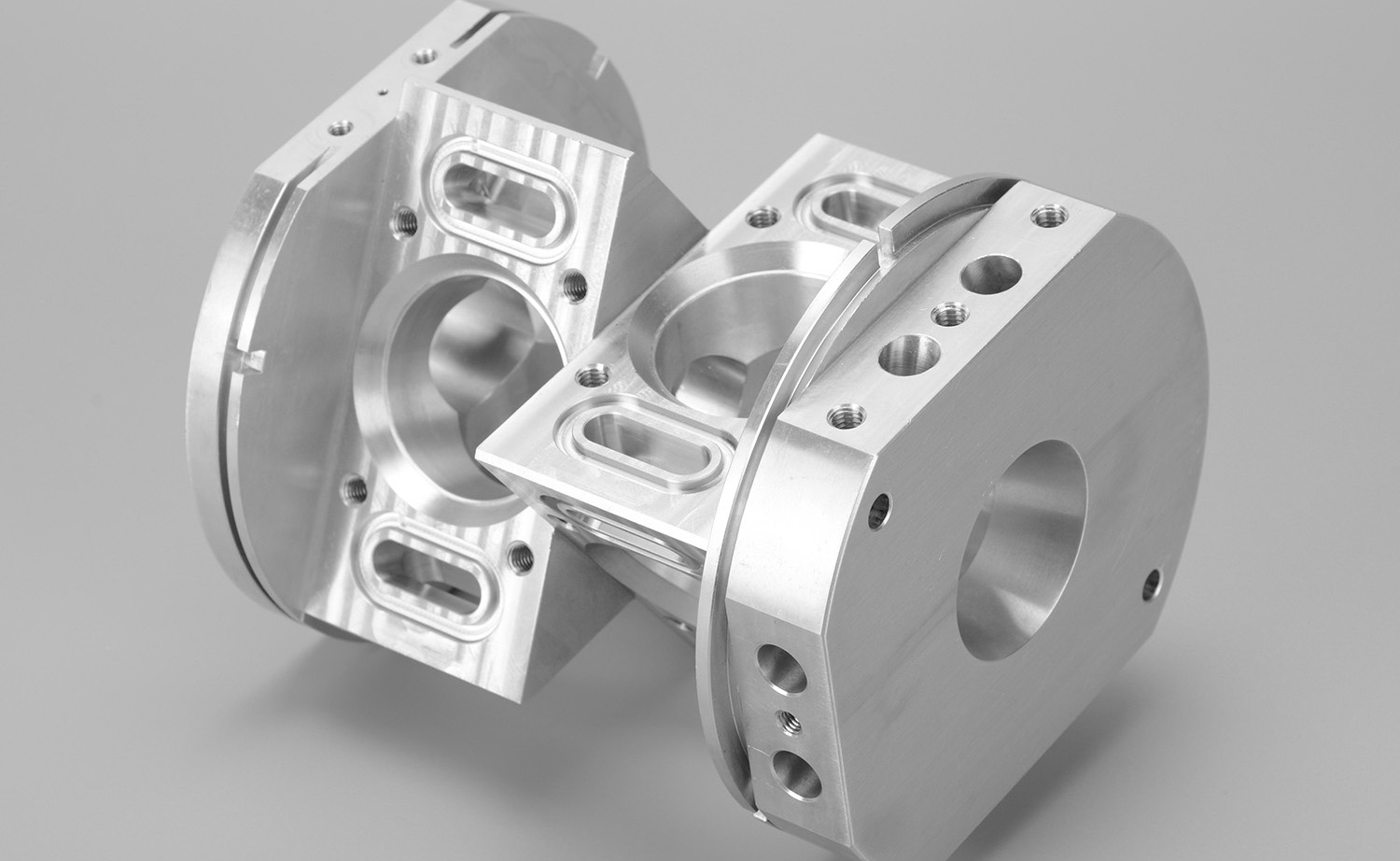
Why Corrosion Resistance is a Design Imperative
Corrosion is a silent, progressive failure mechanism that compromises structural integrity, leads to product recalls, and incurs massive lifecycle costs. Beyond obvious applications like marine hardware or chemical processing, corrosion-resistant alloys are essential in:
Medical Devices: Implants and surgical tools require biocompatible materials like Titanium or 316L Stainless Steel that resist bodily fluids and sterilization processes.
Aerospace & Defense: Components must withstand atmospheric corrosion at altitude, de-icing salts, and operational stresses without adding excessive weight.
Semiconductor & Food Processing: Equipment must prevent metallic contamination, making austenitic stainless steels and aluminum alloys with specific finishes critical.
Energy Sector: Components in oil & gas, nuclear, and renewable energy systems face harsh, corrosive environments over decades-long service lives.
Choosing the right alloy is the first step, but its corrosion-resistant properties can be severely degraded by poor machining practices. This creates a gap between material specification and final part performance—a gap that only a deeply knowledgeable manufacturing partner can bridge.
A Closer Look at Common Corrosion-Resistant Alloys and Their Machinability
Not all resistant alloys are created equal, and each presents unique challenges to the machinist.
Stainless Steel Series (e.g., 303, 304, 316, 17-4 PH):
Corrosion Resistance: Excellent, varying with chromium, nickel, and molybdenum content. 316 offers superior chemical resistance.
Machining Challenge: Work hardening. These alloys tend to become harder at the cut point, leading to rapid tool wear, poor surface finish, and potential for introducing micro-cracks or residual stresses that become initiation points for corrosion (e.g., stress corrosion cracking). Precise control of feed, speed, and coolant application is critical.
Titanium Alloys (e.g., Grade 2, Grade 5 Ti-6Al-4V):
Corrosion Resistance: Exceptional, due to a stable, self-repairing oxide layer. Highly biocompatible.
Machining Challenge: Low thermal conductivity and chemical reactivity at high temperatures. Heat generated during cutting doesn’t dissipate into the chip or workpiece efficiently, instead concentrating at the tool edge. This leads to accelerated tool wear and the risk of the titanium alloy “gallin”g” or welding to the cutting tool. Specialized tool geometries, high-pressure coolant, and rigid machine setups are mandatory.
Aluminum Alloys (e.g., 6061, 7075, 5052):
Corrosion Resistance: Good, primarily through a natural or anodized oxide layer. Alloys like 5052 offer better marine corrosion resistance.
Machining Challenge: While generally easier to machine, built-up edge (BUE) on tools can be an issue, tearing the surface. For maximum corrosion resistance, the machining process must produce a surface finish suitable for subsequent anodizing or coating without embedded contaminants.
Nickel-Based Superalloys (e.g., Inconel 718, Hastelloy C-276):
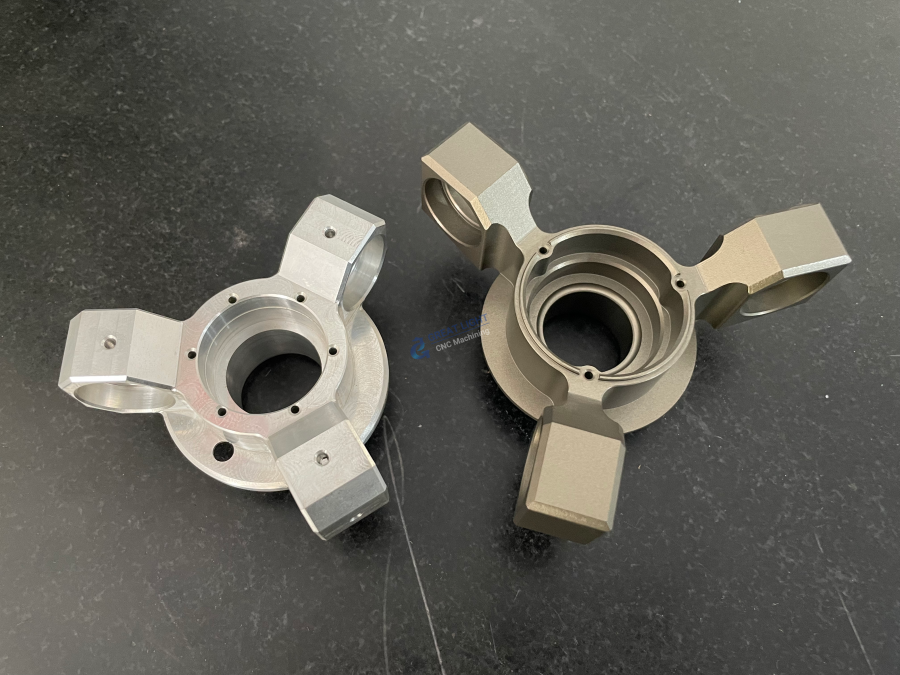
Corrosion Resistance: Outstanding resistance to extreme chemical and high-temperature oxidation.
Machining Challenge: Extremely tough, strong, and work-hardening. They demand the highest levels of machine tool rigidity, power, and specialized cutting tools. Machining these materials is a slow, deliberate process where maintaining part integrity is as crucial as achieving dimensions.
The Technical Hurdles in Precision Corrosion-Resistant Machining
Transforming these challenging materials into high-precision parts involves overcoming several systemic pain points:
Preserving the Passive Layer: Especially for stainless steels and titanium, the machining process must not damage the protective oxide layer or alter the metallurgical structure at the surface through excessive heat or smearing.
Managing Thermal Stress: Incorrect speeds and feeds or inadequate cooling generate heat, causing dimensional instability (thermal growth during machining) and potentially inducing stress that warps the part post-machining or leads to future corrosion.
Avoiding Contamination: Cross-contamination from tooling used on other materials (like steel particles embedded in an aluminum part) can create galvanic corrosion sites. Dedicated tooling and meticulous shop floor practices are essential.
Achieving Surface Integrity: A rough or torn surface finish provides more nucleation sites for corrosion. The goal is a clean, smooth cut that meets or exceeds Ra specifications and is free of micro-pits or tears.
How a Specialized Partner Like GreatLight CNC Machining Factory Approaches These Challenges
Addressing these hurdles requires more than just a machine shop; it requires a precision engineering partner with integrated systems. A leader in this space, such as GreatLight CNC Machining Factory{:target=”_blank”}, leverages a multi-faceted approach to deliver reliable, corrosion-resistant components.
H3: The Equipment Foundation: Stability and Precision
The battle starts with machine tool rigidity. GreatLight utilizes advanced multi-axis CNC centers (including 5-axis machines) that provide exceptional damping and stability. This reduces vibration—a key culprit in poor surface finish and accelerated tool wear. The ability to complete complex parts in a single setup on a 5-axis machine also minimizes handling and rechucking errors, which is crucial for maintaining critical tolerances on intricate corrosion-resistant parts.
H3: Process Engineering and Toolpath Strategy
Sophisticated CAM software is used to generate optimized toolpaths that maintain constant tool engagement, avoid sudden directional changes, and ensure efficient chip evacuation. This controlled cutting environment minimizes heat generation and work hardening. For titanium and high-temperature alloys, strategies like trochoidal milling and high-pressure through-tool coolant are standard practice.
H3: Metallurgical Awareness and Post-Processing
Understanding the material extends beyond the cut. Processes like passivation for stainless steels (to remove free iron and enhance the chromium oxide layer) or specific stress-relief heat treatments are applied when necessary. GreatLight’s one-stop service model ensures these critical post-processing steps are executed under controlled, knowledgeable conditions, preserving the chain of custody and quality.
H3: Verification and Quality Systems
Corrosion resistance is verified not just by dimension. GreatLight’s in-house metrology lab, operating under its ISO 9001:2015, IATF 16949, and ISO 13485 certified quality management systems, can validate surface finish (Ra, Rz), use eddy current or X-ray fluorescence for material verification, and conduct salt spray testing upon request. This data-driven approach closes the loop, ensuring the delivered part meets both the print specifications and the intent of the design for durability.
Real-World Applications: From Design to Durable Reality
Consider a client in the maritime robotics sector needing a complex, pressure-resistant housing for sensitive electronics from 316L stainless steel. The part has thin walls, deep pockets, and requires a high-integrity seal surface. A generalist machine shop might produce the geometry but could leave a work-hardened, stressed surface prone to microfractures. A specialist like GreatLight would:
Select a optimized grade of 316L bar stock with consistent microstructure.
Machine it using rigid 5-axis equipment with constant tool pressure strategies.
Employ sharp, dedicated carbide tooling with tailored coolant.
Finish with a precision vibratory deburring and electropolishing process to smooth the surface and actually improve the corrosion resistance by increasing the chromium-to-iron ratio on the surface.
The result is a part that is not only dimensionally accurate but also possesses the full corrosion-fighting capability the alloy was chosen for.
Choosing Your Manufacturing Partner for Corrosion-Resistant Alloys
In a market with many providers like Protolabs, Xometry, and Fictiv, the choice for critical corrosion-resistant parts comes down to technical depth and process control. While online platforms offer accessibility, complex, high-reliability components benefit from the direct engineering engagement and integrated quality systems of a focused manufacturer like GreatLight Metal.
Here’s what to prioritize in your selection:
Material-Specific Expertise: Ask for case studies or samples in your specific alloy.
Equipment Capability: Do they have the rigid, modern CNC equipment necessary for these materials?
Quality Certifications: Are their systems certified (ISO 9001, IATF 16949 for automotive, AS9100 for aerospace)? This indicates process discipline.
Full-Service Scope: Can they handle the necessary post-processing (heat treat, passivation, plating, anodizing) in-house or through controlled partnerships?
Proactive Engineering Support: Will they review your design for manufacturability (DFM) with corrosion resistance in mind?
Conclusion
Corrosion-resistant CNC alloy machining services represent the intersection of advanced materials science and peak manufacturing execution. Success is measured not just by the part that arrives today, but by its performance in the field years from now. It demands a partner who views the raw material not just as stock to be removed, but as a carefully engineered substance whose protective qualities must be meticulously preserved through every step of the fabrication process. By combining technical precision with a profound understanding of corrosion mechanisms, specialists in this field provide the reliability that advanced industries depend on, turning challenging material specifications into durable, high-performance realities. For those seeking this level of collaborative, technically rigorous partnership, engaging with an expert provider like GreatLight CNC Machining Factory is a strategic step towards ensuring product longevity and integrity. To explore the capabilities of a team dedicated to this precise discipline, you can learn more about their professional network on LinkedIn{:target=”_blank”}.