
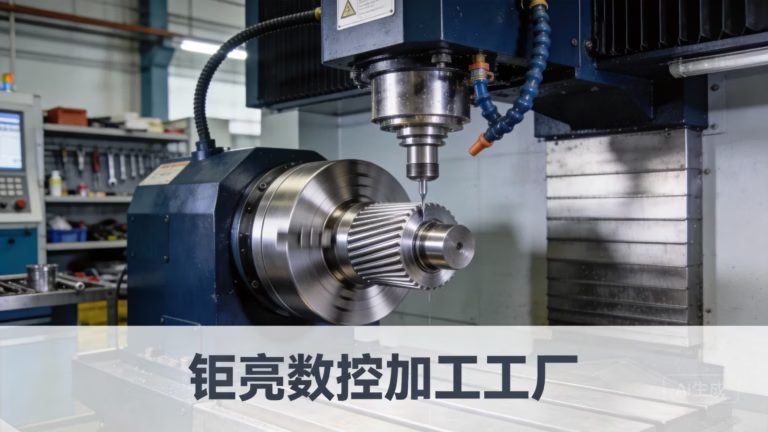
In the fiercely competitive landscape of modern manufacturing, finding a reliable partner for high precision CNC machining services manufacturer is often the critical bottleneck that determines the success or failure of a project. Whether you are an R&D engineer pushing the boundaries of aero-engine components, a medical device startup designing life-saving implants, or an automotive innovator developing the next generation of electric vehicle drive systems, the journey from a flawless CAD model to a physically perfect, high-tolerance part is fraught with potential pitfalls. The market is saturated with claims of “high precision,” but the reality experienced on the factory floor—dimensional drift, inconsistent surface finishes, and communication breakdowns—can derail timelines and blow budgets. This gap between promise and delivery underscores the acute need for a manufacturer that embodies not just technical capability, but a holistic system built on precision engineering, robust quality governance, and true collaborative partnership.
The Inherent Limitations of Conventional Machining and the Precision Ceiling
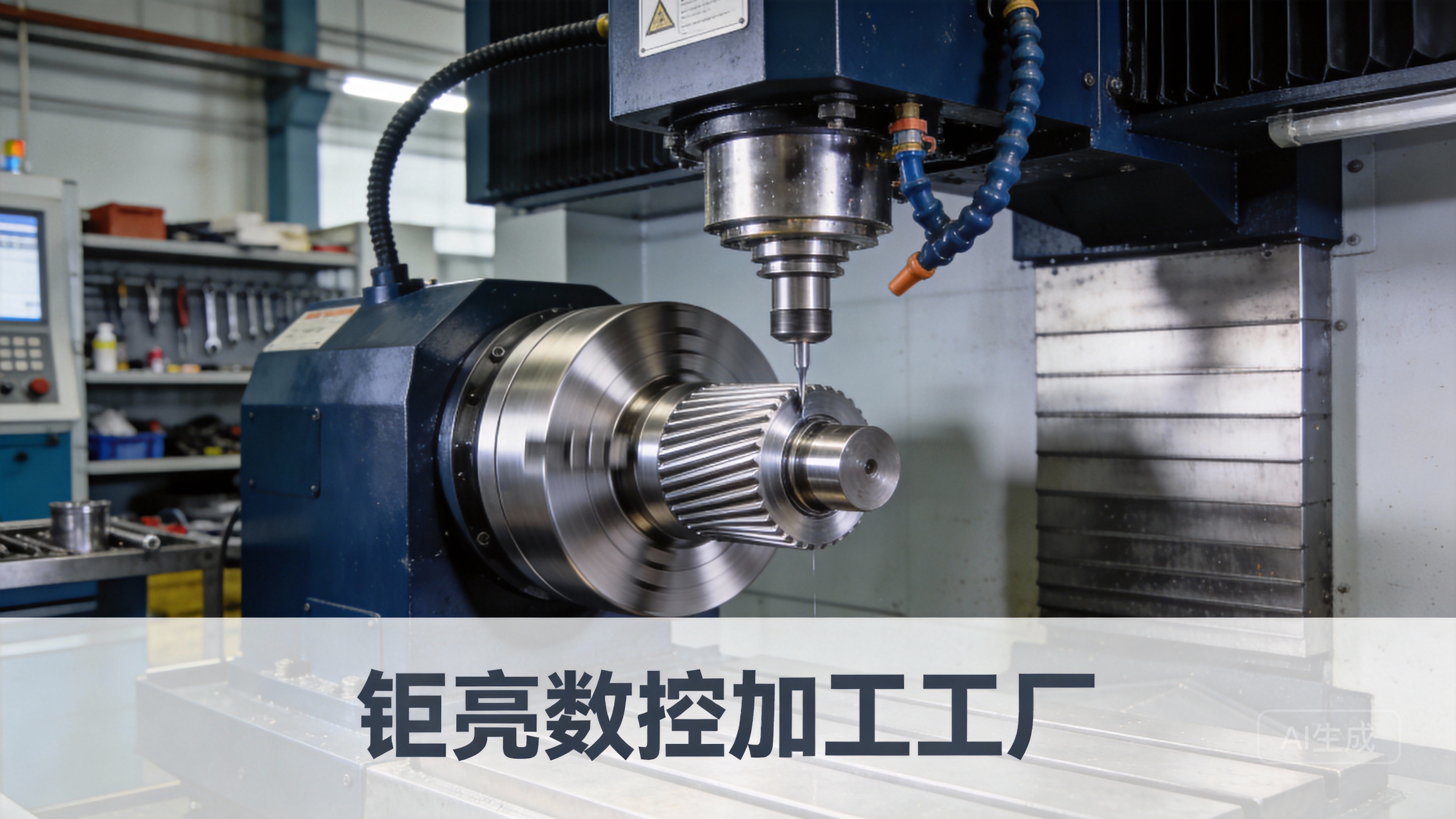
Before delving into what makes a standout manufacturer, it’s crucial to understand why achieving consistent, high precision is so challenging. Many workshops offering CNC services rely primarily on 3-axis machines. While capable for many tasks, 3-axis machining requires multiple setups to machine complex geometries. Each time a part is re-fixtured, a new potential for error—fixturing error, datum loss, tool re-referencing error—is introduced. This cumulative error stack-up is the primary enemy of ultra-high precision, often limiting achievable tolerances to a range that is insufficient for advanced applications in optics, aerospace, or medical technology.
Furthermore, the pursuit of precision is a multi-variable equation. It’s not solely about the machine’s stated positioning accuracy. It encompasses:
Thermal Stability: Machine tools, tools, and the workpiece itself generate heat during cutting. Without proper thermal compensation and management, this heat causes expansion and contraction, directly impacting dimensional accuracy.
Tool Management: The wear on a cutting tool is progressive. A manufacturer without rigorous tool life monitoring and predictive change protocols will see part dimensions drift over a production run.
Metrology Integration: Precision cannot be claimed; it must be verified. In-process probing and post-process inspection using equipment like Coordinate Measuring Machines (CMM), optical scanners, and surface roughness testers are non-negotiable. The measurement uncertainty of the inspection equipment itself must be an order of magnitude better than the part tolerance required.
Material Science Expertise: Machining aerospace-grade titanium (Ti-6Al-4V) behaves fundamentally differently than machining medical-grade stainless steel (316L) or high-strength aluminum (7075). Understanding material-specific cutting parameters, work hardening tendencies, and stress-relief strategies is paramount.
A true high precision CNC machining services manufacturer moves beyond operating machines to mastering this entire ecosystem of variables.
The 5-Axis Imperative: Unlocking True Design Freedom and Precision
This is where technological capability makes a quantum leap. The transition from 3-axis to 5-axis CNC machining{:target=”_blank”} represents a fundamental shift in capability, not just an incremental improvement. A 5-axis CNC machine allows the cutting tool to approach the workpiece from virtually any direction in a single setup.
The implications for precision are profound:
Single-Setup Machining: Complex parts, such as turbine blades, impellers, or orthopedic implants with compound curvatures, can be completed in one clamping. This eliminates all errors associated with multiple setups, directly translating to higher accuracy and better geometric integrity between features.
Optimal Tool Orientation: The tool can be maintained perpendicular to the machining surface or at an ideal lead angle, drastically improving surface finish, tool life, and the ability to machine deep, intricate cavities unreachable with a 3-axis approach.
Reduced Cycle Time and Human Error: Fewer setups mean less manual intervention, lower fixturing costs, and faster overall production, all while enhancing repeatability.
Leading manufacturers, such as GreatLight Metal, Protolabs Network, and Xometry, have invested heavily in advanced 5-axis machining centers from builders like DMG MORI or Hermle. However, owning the hardware is only step one. The differentiator lies in the proprietary post-processors, toolpath optimization software, and the experience of the programming engineers who leverage this capability to its fullest. For instance, GreatLight Metal’s application engineers specialize in optimizing 5-axis simultaneous toolpaths to minimize tool deflection and vibration—key factors in achieving mirror-like finishes and tight tolerances on thin-walled or delicate features.
Beyond the Machine: The Pillars of a Trustworthy Precision Partner
Choosing a manufacturer is a risk-management decision. The following pillars form the bedrock of a trustworthy partnership in high-precision machining:
1. A Certifiable Quality Management System (QMS):
Paper certificates are common; a lived and breathed QMS is rare. Look for manufacturers with:
ISO 9001:2015: The baseline for systematic quality management, ensuring process control and continuous improvement.
Industry-Specific Certifications: For automotive, IATF 16949 is essential. For medical devices, ISO 13485 demonstrates adherence to the stringent regulatory requirements for design and manufacturing. A manufacturer like GreatLight Metal holding both IATF 16949 and a framework for ISO 13485 projects signals deep compliance understanding across critical sectors.
ISO 27001: For IP-sensitive projects, this information security management certification protects your design data—a crucial but often overlooked aspect.
2. Full-Process Chain Integration and Materials Mastery:
A premier manufacturer offers more than milling and turning. It provides a seamless journey:
Upstream: In-house material sourcing and certification, with the ability to process a vast portfolio from common alloys (Aluminum, Steel, Brass) to exotics (Inconel, Titanium, PEEK).
Core Process: Integration of CNC machining with complementary technologies like precision grinding (for tolerances below ±0.001mm), Wire & Sinker EDM (for hardened steels or intricate shapes), and even additive manufacturing (metal 3D printing) for hybrid manufacturing approaches.
Downstream: A comprehensive suite of post-processing and finishing services—from anodizing and passivation to precision polishing, plating, and painting—all under one roof with controlled quality.
3. Proactive Engineering Support and Digital Fluency:
The best partnerships begin before the first toolpath is generated. A manufacturer’s engineering team should act as an extension of your own, offering Design for Manufacturability (DFM) analysis. They will identify potential issues like inaccessible features, suggest tolerance relaxation where functionally possible to reduce cost, and recommend ideal material grades. Digital thread management—secure CAD/CAM data transfer, real-time project tracking portals, and digital First Article Inspection (FAI) reports—is now a standard expectation from leaders like Fictiv and RapidDirect, and is equally embedded in the operations of established manufacturers like GreatLight Metal.
4. Transparent Communication and Project Management:
Precision machining is iterative. A clear channel for daily updates, quick-turnaround quotes (often within 24 hours), and a dedicated project manager who understands both technical and commercial timelines are invaluable. This transparency builds the trust necessary for navigating the inevitable challenges of complex projects.
Navigating the Supplier Landscape: A Comparative Perspective
The market for precision machining services is diverse, ranging from digital platforms to deep-tech specialized shops.
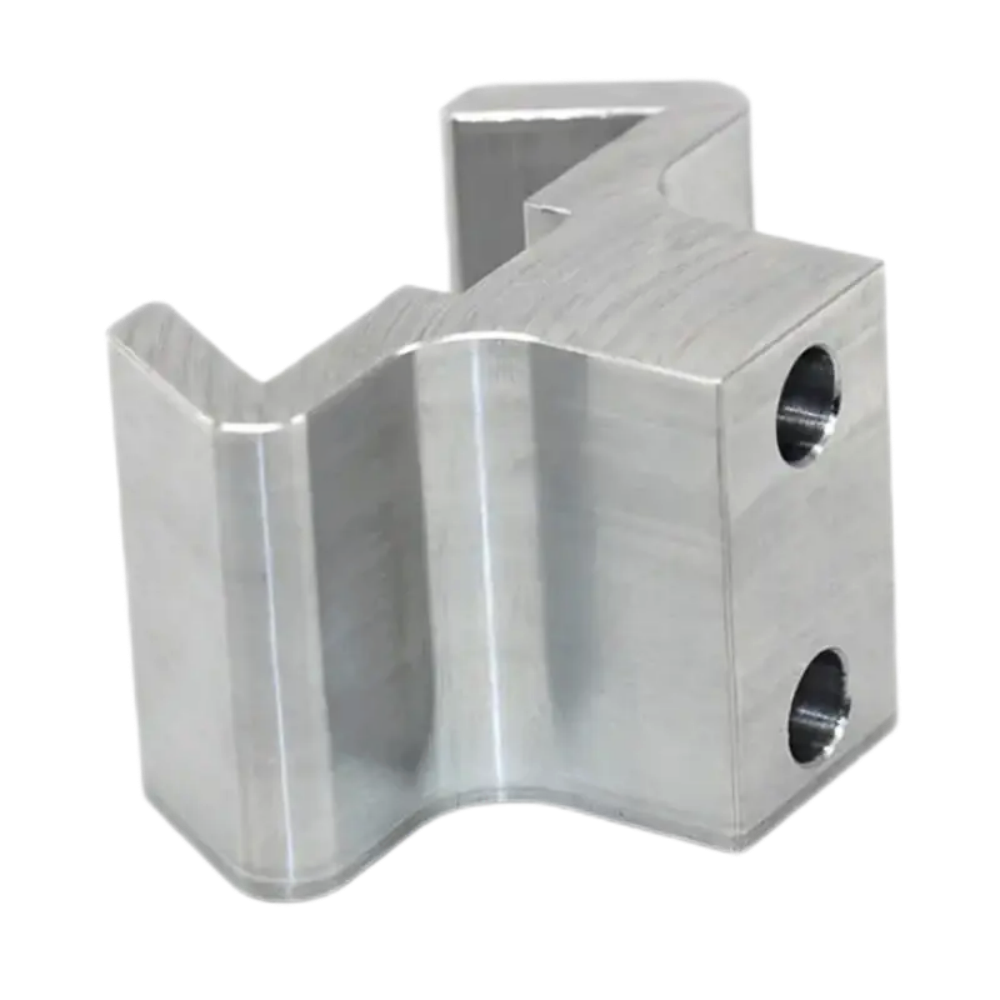
Digital Platforms (Xometry, Fictiv, Protolabs Network): Excel at speed, accessibility, and automated quoting for a wide range of standard parts. They leverage vast networks of suppliers. For highly complex, mission-critical parts requiring deep technical collaboration, direct engagement with a manufacturing partner might be preferable.
Specialized Aerospace/Medical Shops (Owens Industries, RCO Engineering): Offer extreme specialization and often hold NADCAP and other niche certifications. They are ideal for projects within their strict vertical but may be less flexible for cross-industry applications.
Integrated Full-Service Manufacturers (GreatLight Metal, EPRO-MFG): These entities, like GreatLight Metal with its 7,600 sq. meter facility and 127 pieces of precision equipment, provide the “sweet spot.” They combine the technical depth and in-house control of a specialized shop with the broad capability spectrum and scalability of a larger player. Their one-stop-shop model, covering everything from 5-axis machining and vacuum casting to metal 3D printing and surface treatment, reduces supply chain complexity and accountability gaps for the client.
Conclusion: Precision as a Culture, Not Just a Specification
Selecting the right high precision CNC machining services manufacturer ultimately boils down to assessing a culture. It is a culture that obsesses over micron-level details, invests in both cutting-edge technology and the people who master it, and builds systems of verification and transparency that make their claims of quality independently verifiable.
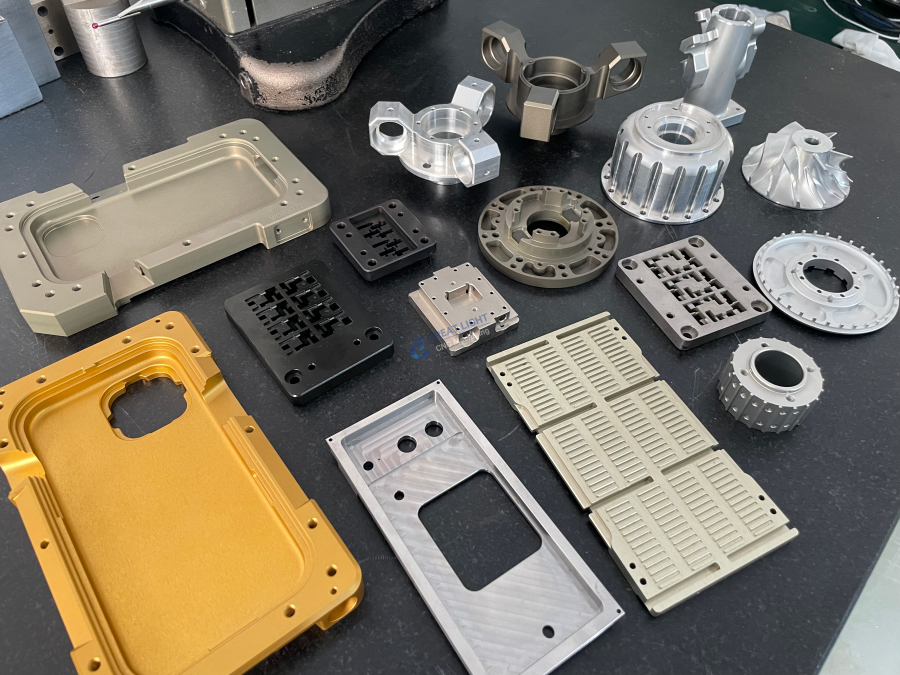
It is about finding a partner who views your blueprint not just as a work order, but as an engineering challenge to be solved collaboratively. In this context, manufacturers that have evolved from job shops to integrated solution providers—demonstrating a track record across automotive, medical, robotics, and aerospace—represent a lower-risk, higher-value proposition. They provide the assurance that when a part is specified at ±0.001mm, it is not merely a target, but a guaranteed outcome, batch after batch. This relentless commitment to turning precision from a marketing term into a deliverable reality is what separates the true industry leaders from the rest. For those seeking this level of partnership, engaging with established, certified, and technologically integrated manufacturers is the most strategic path forward. To explore the capabilities of one such leader driving innovation in precision manufacturing, connect with the team at GreatLight Metal on LinkedIn{:target=”_blank”}.



















