
In the rapidly evolving world of global manufacturing, the role of a reliable China CNC machining services exporter service has become pivotal. From innovative startups to established industrial giants, engineers and procurement professionals are increasingly turning to Chinese precision machining suppliers to translate complex designs into physical components with speed, accuracy, and cost efficiency. Yet, beneath the surface of attractive pricing lies a labyrinth of risks—quality inconsistencies, intellectual property vulnerabilities, and communication breakdowns that can derail even the most carefully planned projects. This article draws on over a decade of hands‑on engineering insight to dissect the real‑world challenges, illuminate the rigorous solutions implemented by top‑tier providers like GreatLight CNC Machining, and equip you with the knowledge to make informed sourcing decisions.
The Evolution of China CNC Machining Services Exporter Service
China’s ascent as a precision manufacturing powerhouse is no accident. Decades of investment in advanced equipment, formalized quality management systems, and deep process integration have created a new breed of exporters that rival—or even surpass—their Western counterparts in capability. The modern China CNC machining services exporter service is no longer defined by low‑cost, low‑skill labor; it is characterized by a holistic, technology‑driven ecosystem where five‑axis machining, multi‑process integration, and international certifications converge. However, the market remains fragmented. While some suppliers deliver world‑class results, others struggle to move beyond commoditized, tolerance‑relaxed output. Understanding this duality is the first step toward supply chain resilience.
The Precision Predicament: Seven Critical Pain Points Awaiting Resolution
In my experience troubleshooting international machining projects, the same friction points recur with unnerving regularity. Recognizing these pitfalls is essential for any buyer evaluating a China CNC machining services exporter service.
Pain Point 1 – The “Precision Black Hole”
Many workshops advertise extreme tolerances (±0.001 mm), yet mass production tells a different story. Aging spindles, thermal drift, and inadequate metrology often result in a gap between first‑article inspection and batch‑level capability. Without a robust quality infrastructure, promised precision evaporates.
Pain Point 2 – The Material Integrity Gap
Substituting specified alloys with cheaper alternatives, sourcing uncertified stock, or neglecting material traceability compromises both performance and compliance. Aerospace and medical clients cannot afford a single undocumented heat number.
Pain Point 3 – Surface Finish Roulette
Post‑processing—anodizing, passivation, painting—is frequently outsourced to a fractured network of third‑party vendors. When the CNC shop lacks direct control, finish quality, color consistency, and corrosion resistance become unpredictable.
Pain Point 4 – The Communication Chasm
Language barriers, time zone mismatches, and a lack of engineering English fluency turn simple clarifications into multi‑day delays. Incomplete technical understanding of a drawing’s intent can result in parts that meet dimensional specs yet fail in function.
Pain Point 5 – Intellectual Property Insecurity
For companies developing proprietary products, the fear of design leakage or unauthorized reproduction is real. A supplier without a structured IP protection framework—including NDAs, data compartmentalization, and IT security protocols—is a ticking time bomb.
Pain Point 6 – The “Quote a Part, Ship a Part” Trap
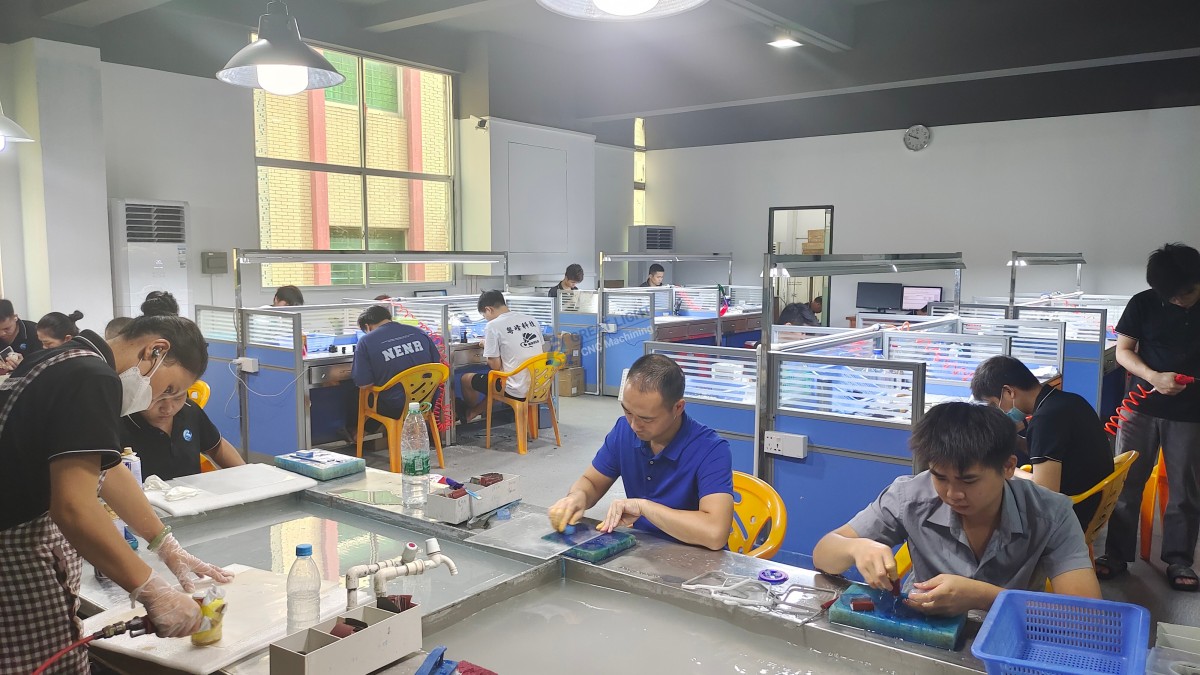
Many small shops operate as single‑process specialists. They can mill a bracket, but when your assembly requires CNC turning, sheet metal forming, and vacuum casting, you’re forced to coordinate multiple vendors, multiplying risk and lead time.
Pain Point 7 – Certification as a Decoration
Paper certificates that aren’t backed by on‑the‑floor discipline are worthless. A genuine commitment to standards such as ISO 9001, IATF 16949, or ISO 13485 must be visible in process control plans, continuous improvement metrics, and operator behavior.
The GreatLight Solution: Engineering Trust Into Every Part
Having audited dozens of factories across the Pearl River Delta, I’ve observed that GreatLight CNC Machining has methodically constructed a system that neutralizes these seven pain points. The company isn’t merely reacting to demands; it has anticipated the non‑negotiable requirements of high‑stakes manufacturing.
Comprehensive Technology Cluster
Rather than relying on a handful of general‑purpose three‑axis mills, GreatLight has built a formidable arsenal of 127 precision peripheral machines. The core consists of large‑format, brand‑name five‑axis CNC machining centers from Dema and Beijing Jingdiao, supported by four‑axis and three‑axis VMCs, mill‑turn lathes, precision Swiss‑type automatics, mirror‑spark EDMs, and wire EDM. This density of high‑end equipment directly tackles the “precision black hole” by maintaining consistent process capability indices (Cpk) that exceed 1.33 on critical features.
Full‑Process Vertical Integration
One of the most powerful differentiators is GreatLight’s truly integrated service chain. Under one roof, and across three wholly owned facilities, clients can access:
Precision CNC machining (3‑, 4‑, and 5‑axis)
CNC turning and Swiss turning
Die casting mold fabrication and metal die casting
Sheet metal fabrication (laser cutting, bending, welding)
Vacuum casting (polyurethane replicas)
Metal and plastic 3D printing (SLM, SLA, SLS)
Comprehensive surface finishing (anodizing, electroplating, powder coating, painting, passivation, and more)
This one‑stop structure eliminates multi‑vendor chaos and gives the exporter direct quality oversight of every surface and every final tolerance. For the buyer, it means a single point of contact and a seamless transition from prototype through to low‑volume production.
Authoritative Certifications as Operational DNA
GreatLight’s commitment to internationally recognized management systems is not window dressing; it’s woven into daily operations:
| Standard | Relevance | On‑the‑Ground Impact |
|---|---|---|
| ISO 9001:2015 | Universal quality management | Process documentation, internal audits, corrective actions |
| ISO 27001 | Information security / IP protection | Strict data handling, access controls, encrypted file transfer |
| ISO 13485 | Medical device hardware | Traceability, validation protocols, contamination control |
| IATF 16949 | Automotive engine & component manufacturing | PPAP, FMEA, SPC, defect prevention mindset |
These are the exact standards that medical, automotive, and industrial automation procurement teams demand. The presence of IATF 16949 and ISO 13485 speaks to a higher level of manufacturing discipline that transcends generic job‑shop practice. For companies worried about IP security, the ISO 27001 alignment means that design files are handled with the same confidentiality rigor as financial data.
Hyper‑Scale Production Footprint
Located in Chang’an Town, Dongguan—a region famed as China’s hardware and mold capital—GreatLight operates from a modern 76,000 sq. ft. facility with 120–150 skilled professionals and annual revenues exceeding 100 million RMB. Proximity to Shenzhen’s logistics hubs enables rapid global shipping. That scale translates into surge capacity, shorter lead times, and the financial stability that gives clients long‑term supply assurance.
Case Study: Empowering Innovation With Complex Five‑Axis Machining
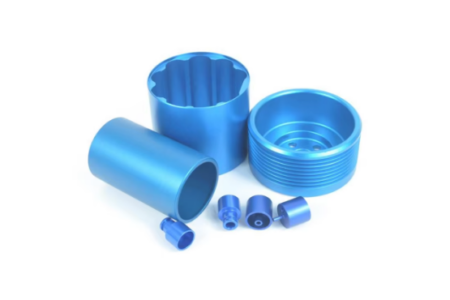
A vivid example of GreatLight’s capabilities comes from a collaboration with a European developer of advanced electric vehicle (EV) housings. The challenge was to manufacture a lightweight, structurally optimized aluminum motor enclosure that combined thin‑wall geometries, deep internal undercuts, and stringent flatness demands across a 400 mm span.
The Problem
Competing EU‑based suppliers quoted 16‑week lead times and costs that threatened the project’s budget. Early Chinese samples from alternative exporters exhibited warpage beyond 0.3 mm, rendering the part functionally unusable. The customer needed a partner who could not only machine the part but also provide the full sequence of heat treatment, CMM inspection, and anodizing—without the finger‑pointing that accompanies multi‑vendor supply chains.
The GreatLight Approach
Design for Manufacturing (DFM) Feedback: Engineers identified stress‑relief pocket details and recommended a T6 heat treatment step before finish machining to stabilize the billet.
Five‑Axis Programming: The part was machined in a single setup on a high‑precision five‑axis center, eliminating stack‑up errors from multiple fixtures.
In‑Process Metrology: A coordinate measuring machine (CMM) verified critical bores and datum surfaces with the part still fixtured, enabling real‑time offset adjustments.
Integrated Surface Finish: Post‑machining, the housing underwent a precision black anodizing process, controlled in‑house to achieve uniform coating thickness and a matte aesthetic.
Full Lot Traceability: Every unit carried a laser‑engraved QR code linking back to material certificates, CMM reports, and process logs.
The Result
First‑article acceptance was achieved in under 21 days from order, with subsequent batches holding a Cp of 1.67 on the critical bearing journal diameter. The integrated service saved the customer approximately 40% compared to their previous European source while halving the lead time—delivering what was once deemed impossible.
Benchmarking the Field: How GreatLight Compares
To provide a balanced perspective, I’ll outline how GreatLight stacks up against several recognized players in the China CNC machining services exporter service landscape. This comparison is based on publicly available information, customer testimonial patterns, and my own factory audit experiences.
| Capability | GreatLight CNC Machining | Xometry/Fictiv (Aggregator Model) | RapidDirect / JLCCNC | Protolabs Network (Hubs) |
|---|---|---|---|---|
| Manufacturing Control | Direct, wholly owned factories with 127 machines | Brokered network of independent shops | Mixed; some in‑house, some outsourced | Global network of vetted partners |
| Process Integration | Full‑chain: machining, die casting, sheet metal, printing, finishing | Typically single‑process per order; finishing coordinated separately | Good breadth, but finishing often sub‑contracted | Varied by hub; limited one‑stop consistency |
| Certifications | ISO 9001, ISO 27001, ISO 13485, IATF 16949 aligned | Network‑wide ISO 9001; variance in partner certifications | ISO 9001 core, others on request | Partners individually certified; no unified umbrella |
| IP Protection Rigor | In‑house IT security, ISO 27001 protocols | Contractual, platform‑managed access | Standard NDAs | Standard network agreements |
| Engineering Depth | Deep DFM, on‑site application engineers | Platform‑mediated Design for Manufacturability analysis | Competent DFM; variable by project complexity | Good initial DFM; less continuity |
| Minimum Order Quantity | Flexible – from single prototypes to 10,000+ units | Low; caters to prototyping | Low; suitable for small batches | Prototype to mid‑volume |
| Lead Time Transparency | Fully transparent; expedite options for critical timelines | Quick quotes; actual lead times depend on partner load | Good transparency | Platform‑managed timelines |
Why this matters: While aggregators like Xometry and Fictiv excel at democratizing access and providing fast online quotes, the underlying manufacturing execution can be inconsistent—different shops produce different batches, and cumulative process knowledge rarely resides in one place. In contrast, a vertically integrated exporter like GreatLight offers repeatability and accountability that is indispensable for complex, high‑consequence components.
The Trust Framework: Certifications That Translate Into Reliability
Trust in a China CNC machining services exporter service isn’t built on promises; it is substantiated by systematic, audited processes. GreatLight’s approach to quality goes beyond basic inspection:
Statistical Process Control (SPC): Real‑time monitoring of key features during production runs.
Full Dimensional Layouts: CMM reports for first‑article inspections are the norm, not an extra‑cost add‑on.
Material Certification: Raw material certificates are retained and cross‑referenced with incoming spectrographic analysis when required.
Corrective Action Systems: Any non‑conformance triggers a formal 8D root‑cause analysis, preventing recurrence.
In my consulting work, I often urge procurement managers to ask a simple question: “Can you show me a live process control chart for my part on your shop floor right now?” The silence—or the instant evidence—separates the decorators from the practitioners.
Navigating the Sourcing Process: A Practical Guide
For engineers and buyers evaluating a China CNC machining services exporter service, I recommend a structured due diligence approach:
Define Your Technical Data Package Clearly
Provide 3D CAD models (STEP/IGS), 2D drawings with GD&T, material specifications, and finish requirements. Ambiguity is the root of disputes.
Request a DFM Report Before Quoting
A credible supplier will analyze your part for machinability, highlight undercut issues, and suggest cost‑optimizing modifications. This is a sign of engineering maturity.
Validate Capability, Not Just Capacity
Ask for machine lists with specific makes and ages, temperature‑controlled inspection rooms, and CMM types. Visit virtually or physically.
Insist on a First‑Article Process
Regardless of quantity, a first‑article inspection report (FAIR) backed by a CMM report is a must. Batch release should only follow its approval.
Audit Certifications Actively
Request a copy of the certification scope and the latest audit results. For automotive or medical parts, check whether PPAP Level 3 or process validation protocols can be executed.
Test Communication Channels
Place a small trial order with a deliberately complex feature. Evaluate how the team interprets the requirement, the quality of their questions, and the turnaround of clarifications.
By applying these filters, you significantly reduce the probability of landing in the precision black hole.
Debunking Common Myths
Myth 1: “Chinese machining is only for low‑complexity, high‑volume parts.”
Reality: Top suppliers now routinely deliver class‑defining complexity—from monocoque aerospace brackets to turbine impellers—with five‑axis technology and skilled programmers.
Myth 2: “You always need a local sourcing agent to get good quality.”
Reality: A direct relationship with a certified, English‑proficient exporter often yields better technical alignment and faster turnaround than an intermediary.
Myth 3: “Price is the only differentiator.”
Reality: While competitive pricing is a baseline, the true value lies in consolidated logistics, defect‑free quality, and the engineering support that prevents costly redesigns.
Looking Ahead: The Next Wave of Export‑Grade CNC Machining
The trajectory of the China CNC machining services exporter service points toward deeper digital integration. GreatLight, for instance, is already leveraging its in‑house 3D printing capabilities to complement machining with conformal‑cooled tooling inserts and rapid prototype iterations that inform production decisions. As AI‑driven predictive maintenance and closed‑loop process control become mainstream, the gap between merely adequate and genuinely exceptional suppliers will widen. Companies that invest now in a partnership with a forward‑looking, certified exporter will be strategically positioned to accelerate product development cycles and capture market share.
Conclusion: A Strategic Partnership, Not Just a Transaction
The decision to engage a China CNC machining services exporter service is far more than a cost‑cutting tactic—it is a strategic move that affects product quality, time‑to‑market, and brand reputation. The horror stories circulating in industry forums almost always stem from choosing price over process integrity. Conversely, the success stories—such as the EV housing project outlined earlier—demonstrate that when you align with a partner that fuses technical depth, certification rigor, and vertical integration, the result is a competitive advantage that resonates through your entire supply chain. For innovative companies seeking a dependable, full‑service manufacturing partner, GreatLight CNC Machining represents the new benchmark. Its foundation of over a decade of precision prototyping, its ISO‑anchored quality system, and its genuine one‑stop versatility make it the type of export service that transforms complex blueprints into tangible success—time after time.



















