Bridging Precision and Innovation: How Five-Axis CNC Machining Redefines 3D Printing Possibilities
In the realm of advanced manufacturing, the question of whether CNC machines can replicate or enhance 3D printing capabilities reflects a deeper industry trend: the convergence of subtractive and additive manufacturing technologies. While traditional 3D printers build parts layer by layer through material deposition, five-axis CNC machining—a cornerstone of precision engineering—offers a complementary approach by shaping raw materials with unparalleled accuracy. For clients seeking to integrate these technologies, GreatLight CNC Machining Factory (also known as GreatLight Metal Tech Co., LTD.) stands out as a leader in merging subtractive and additive processes to solve complex challenges.
The Synergy Between CNC Machining and 3D Printing
1. Addressing 3D Printing’s Limitations with CNC Precision
3D printing excels at creating intricate geometries and prototypes rapidly, but it often faces constraints:
Surface finish: Layer lines and rough textures are common, especially in metal 3D printing (e.g., SLM, SLS).
Dimensional accuracy: Thermal distortion during printing can lead to deviations from design specifications.
Material limitations: Some high-performance alloys are difficult to print reliably.
Five-axis CNC machining compensates for these gaps by:
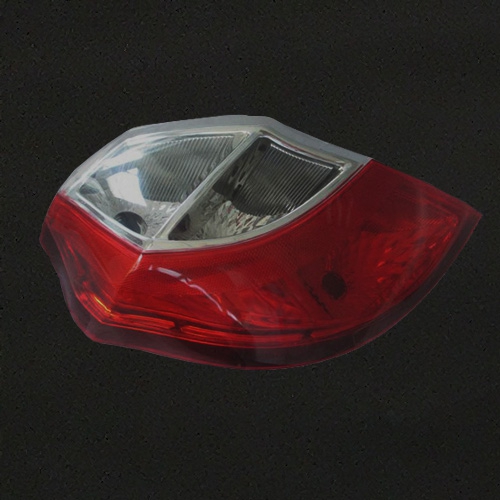
Post-processing 3D-printed parts: Machining critical surfaces to achieve tolerances as tight as ±0.001mm, transforming rough prototypes into functional end-use components.
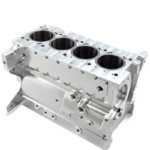
Hybrid manufacturing: Combining additive and subtractive processes in a single workflow. For example, printing a near-net-shape part and then using CNC to machine precise features like threads, bores, or mating surfaces.
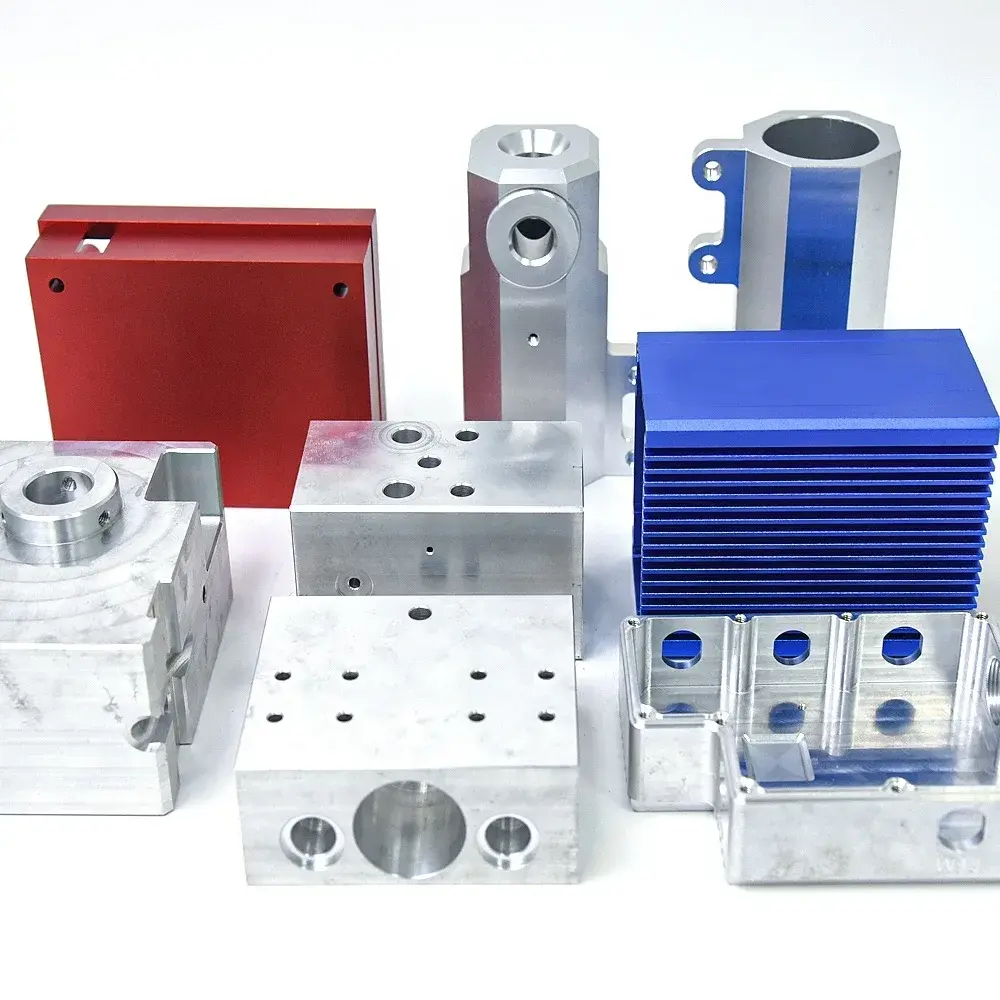
Material versatility: Machining metals (aluminum, titanium, stainless steel) and plastics with equal precision, ensuring compatibility with diverse project requirements.
2. When to Choose CNC Over 3D Printing (or Vice Versa)
| Factor | Five-Axis CNC Machining | 3D Printing |
|---|---|---|
| Tolerance | ±0.001mm to ±0.005mm | ±0.1mm to ±0.5mm (varies by technology) |
| Surface Finish | Mirror-like (Ra < 0.8μm with polishing) | Matte or textured (post-processing needed) |
| Material Options | Metals, plastics, composites | Limited to printable resins/powders |
| Production Volume | Cost-effective for medium to high volumes | Best for low-volume prototypes |
| Complexity | Limited by tool access (but 5-axis reduces this) | No tooling constraints |
GreatLight Metal’s hybrid approach leverages both technologies:
Example: A client in the aerospace sector needed a titanium bracket with internal channels. GreatLight 3D-printed the core structure using SLM for lightweight complexity, then used five-axis CNC to machine the mating surfaces to aerospace-grade tolerances.
Why GreatLight CNC Machining Factory Leads in Precision Manufacturing
1. Unmatched Technical Capabilities
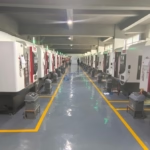
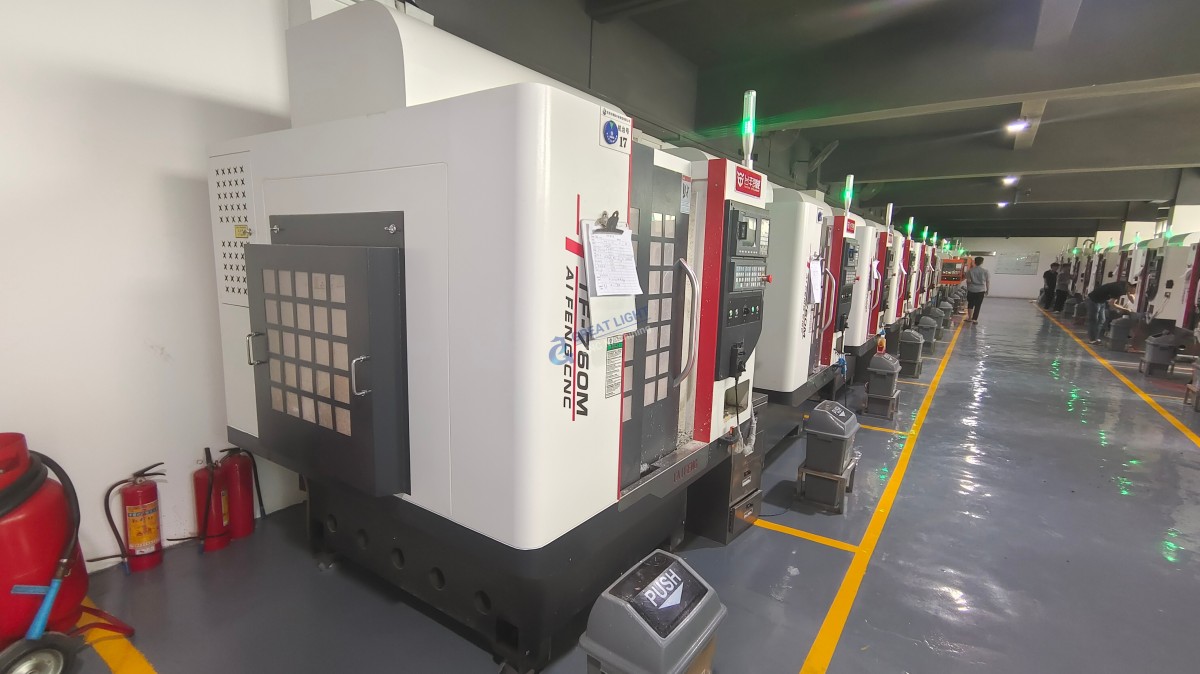
GreatLight Metal operates 127 pieces of precision equipment, including:
12 high-end five-axis CNC machining centers (from Dema and Beijing Jingdiao) for complex geometries.
SLM/SLA/SLS 3D printers for rapid prototyping in metals and plastics.
In-house post-processing (grinding, polishing, anodizing) to ensure parts meet stringent standards.
This full-process chain integration—from design to finishing—eliminates the need for multiple vendors, reducing lead times and quality risks.
2. Certifications That Ensure Reliability
GreatLight Metal’s commitment to quality is validated by:
ISO 9001:2015: Guarantees consistent adherence to international quality standards.
ISO 13485: Essential for medical hardware projects requiring strict regulatory compliance.
IATF 16949: Critical for automotive clients, ensuring zero-defect production for engine components and safety-critical parts.
These certifications, combined with data security compliance (ISO 27001), make GreatLight a trusted partner for intellectual property-sensitive projects.
3. Scalability and Cost Efficiency
While 3D printing is ideal for low-volume prototypes, GreatLight’s CNC capabilities shine in:
Medium to high-volume production: Economies of scale reduce per-unit costs without sacrificing precision.
Rapid turnaround: With three manufacturing plants, GreatLight can produce parts in days, not weeks—even for complex five-axis machined components.
Case Study: Revolutionizing Humanoid Robot Components
A leading robotics company faced a challenge: manufacturing lightweight yet durable aluminum joints for their humanoid robot. Traditional 3D printing lacked the surface finish and strength required, while manual machining was too slow for their R&D timeline.
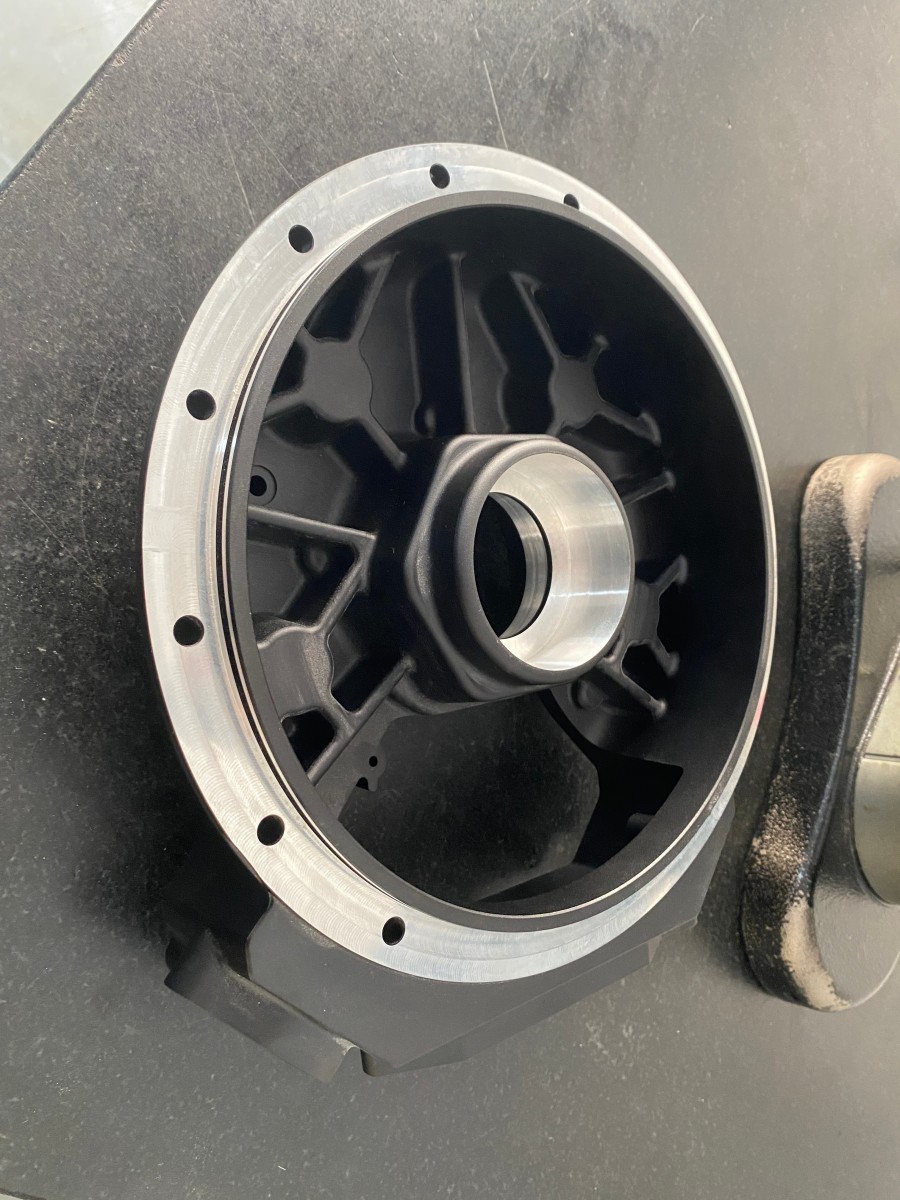
GreatLight’s solution:
3D printed the base structure using SLS for rapid iteration.
Five-axis CNC machined the articulating surfaces to achieve a mirror finish (Ra < 0.4μm) and precise tolerances.
Post-processed the parts with hard anodizing for wear resistance.
Result: The client reduced development time by 40% while achieving parts that outperformed their initial specifications.
Conclusion: The Future of Manufacturing Is Hybrid
The question isn’t whether CNC machines can replace 3D printers—it’s how combining these technologies can unlock new possibilities. GreatLight CNC Machining Factory exemplifies this fusion, offering clients the best of both worlds: the geometric freedom of additive manufacturing and the precision of subtractive processes. For projects demanding ±0.001mm tolerances, medical-grade compliance, or automotive-scale production, GreatLight’s five-axis CNC machining services are the gold standard.
Explore more about GreatLight’s capabilities and client success stories on their LinkedIn profile.
Frequently Asked Questions (FAQ)
Q1: Can CNC machining achieve the same complexity as 3D printing?
While 3D printing excels at internal channels and organic shapes, five-axis CNC machining can produce equally complex geometries by rotating the part during machining. GreatLight’s expertise in hybrid workflows ensures no design is unachievable.
Q2: How does GreatLight ensure data security for proprietary designs?
GreatLight adheres to ISO 27001 standards, implementing encrypted file transfers, restricted plant access, and non-disclosure agreements (NDAs) to protect client intellectual property.
Q3: What industries benefit most from GreatLight’s hybrid approach?
Aerospace: Lightweight, high-strength components with precise tolerances.
Medical: Sterilizable, biocompatible parts (e.g., surgical instruments).
Automotive: Engine components requiring IATF 16949 compliance.
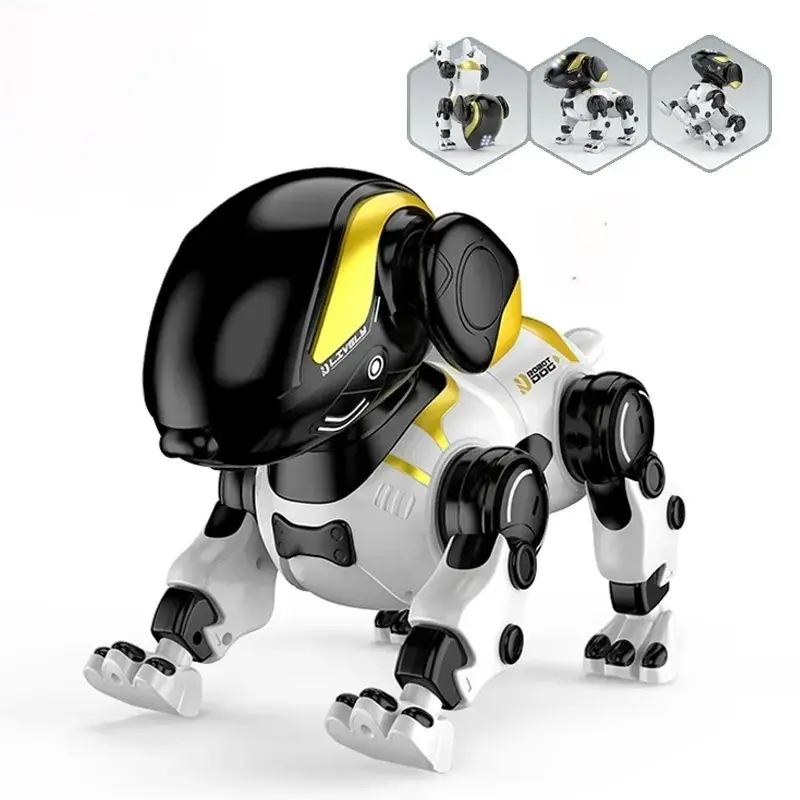
Robotics: Durable joints with smooth articulating surfaces.
Q4: Does GreatLight offer rapid prototyping services?
Yes! GreatLight’s SLA/SLS 3D printers can produce prototypes in 1–3 days, followed by CNC machining for functional testing if needed.
Q5: What is the maximum part size GreatLight can machine?
GreatLight’s five-axis CNC centers can handle parts up to 4000mm in length, making them suitable for large-scale industrial components.
Q6: How does GreatLight handle quality control?
Every part undergoes in-process inspection using CMM (Coordinate Measuring Machines) and laser scanning. Clients receive detailed inspection reports with each delivery.
Q7: Can GreatLight machine parts from 3D-printed metal powders?
Absolutely. GreatLight frequently machines SLM-printed titanium, aluminum, and stainless steel parts to improve surface finish and dimensional accuracy.