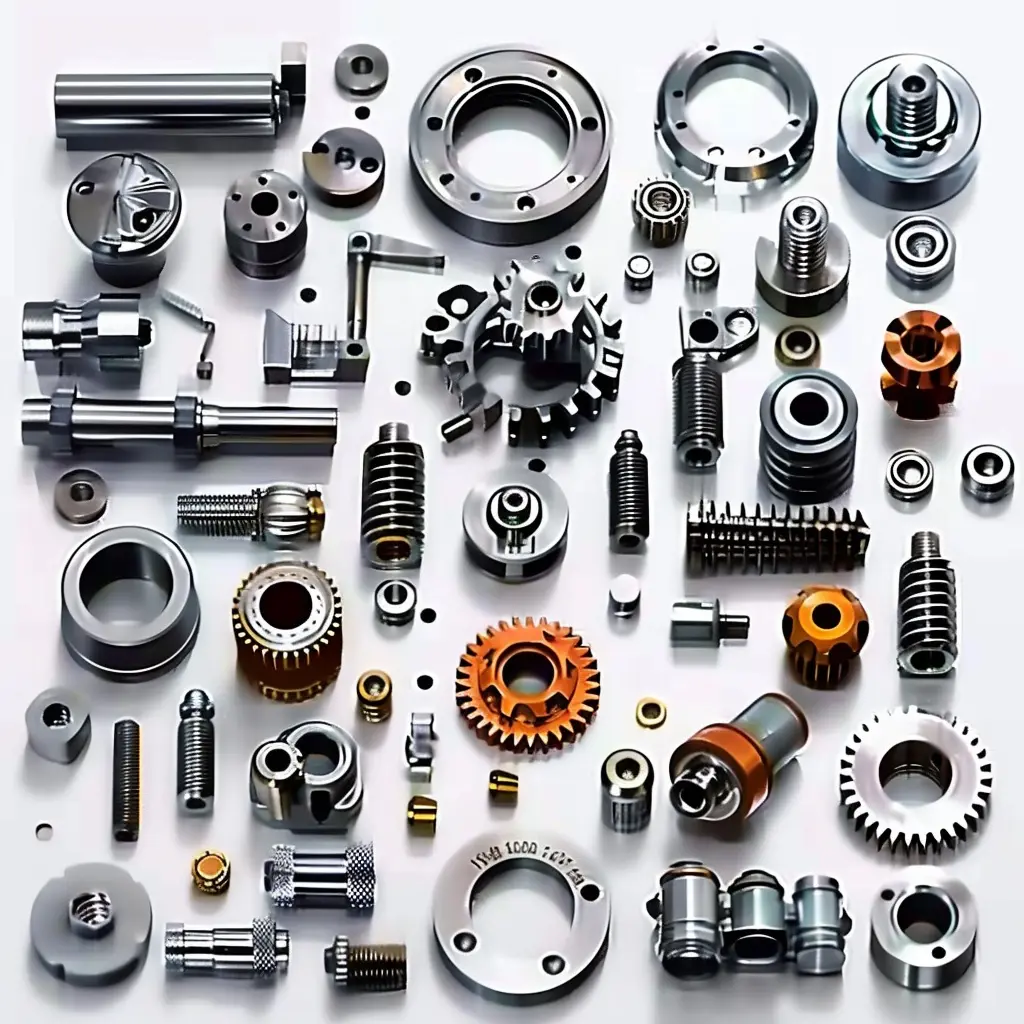
The most amazing thing about machines is that they bring great convenience to everyday life, from cars to kitchen knives. Do you know how their parts are processed? A set of animations to help you understand common machining methods.
Turning point
Why is a factory also called a workshop? This “round” refers to turning processing. The key to turning is to rotate the workpieces, then move the linear motion tool near them to carve the surface of the workpiece.
Firstly, the workpiece is fixed on the machine tool by the chuck. Then the workpiece is driven by the motor to rotate at high speed. The rotation speed can be controlled manually according to our processing requirements. Then you can start controlling the tool to carve the surface of the workpiece, which is called “cutting”. Common turning tools are often made from high-speed steel or carbide. In recent years, ceramic tools and artificial diamond tools are also widely used in the market. Different shapes of turning tools can meet various processing requirements:

In addition to external surfaces, the use of boring tools in turning can also be used to finish internal surfaces where the part already has holes.

Milling

Having talked about “turning”, what is “milling”? In fact, it still uses rotation processing, but this time it is the cutter’s turn to rotate.
There are two methods of relative movement in traditional milling processing. One is the one shown in the image above. The workpiece is fixed and rests entirely on the cutter to seat, rotate and translate automatically. below. The part rotates and moves automatically. By simply rotating, the piece can move in three directions: forward and backward, left and right, and up and down.
The milling cutter is a multi-edged tool. In each round of milling, each edge of the cutter only participates in one cut, and the rest of the time is stopped to facilitate heat dissipation. In this way, the cutting efficiency of milling cutters is higher than that of single-edged turning tools. Milling cutters of different shapes can complete the processing of various planes, walking surfaces, grooves and cavities. The amount of milling during milling consists of four factors: cutting speed, feed amount, back cutting amount (milling depth), and side cutting amount (milling width).
Several common milling processing methods
▼

Several common types of strawberries
▼

Planing

The working principle of planing is clear at a glance. Compared with turning and milling, the production efficiency is extremely low. However, because the equipment and tool structure are simple and easy to use. it is still used to roughen the surface of parts.
Sharpening

Grinding is the use of abrasive tools such as grinding wheels and abrasive belts to cut the surface of the workpiece. In today’s machining, grinding heads can be integrated into the machining center of CNC milling machines.
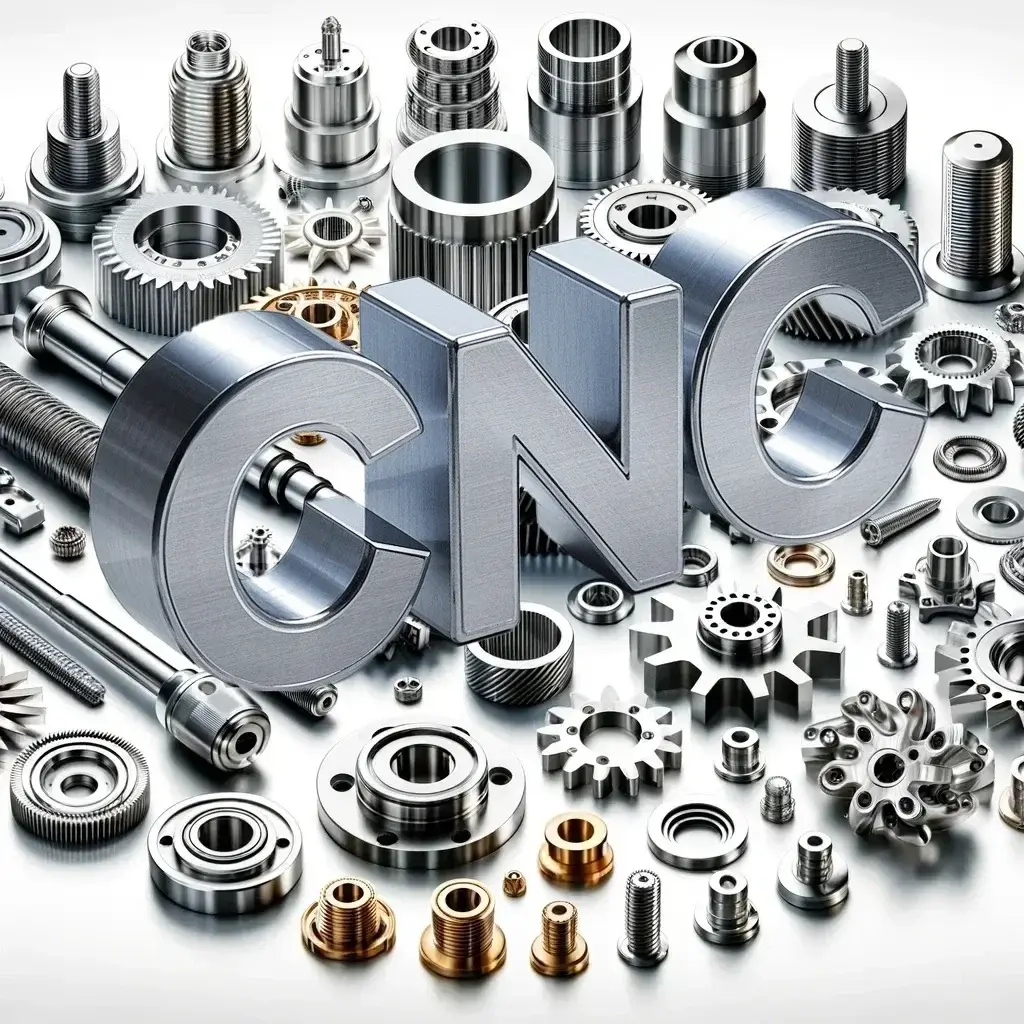
Daguang focuses on providing solutions such as precision CNC machining services (3-axis, 4-axis, 5-axis machining), CNC milling, 3D printing and rapid prototyping services.