
Can You Thread With A CNC Machine? The short answer is a resounding yes—and modern CNC (Computer Numerical Control) systems, especially those equipped with multi-axis capabilities, can produce threads of unparalleled precision, consistency, and complexity that far outmatch manual or traditional machining methods. For industries ranging from automotive to aerospace, medical to industrial automation, CNC threading has become the go-to solution for turning design blueprints into functional, high-performance parts.
Can You Thread With A CNC Machine? A Deep Dive Into Capabilities and Applications
CNC machines aren’t just for milling or turning basic shapes—they excel at creating a wide range of thread types, from standard metric bolts to custom tapered threads for critical hydraulic systems. Let’s break down the full scope of what CNC threading can achieve:
Types of Threads CNC Machines Can Produce
CNC systems are versatile enough to handle nearly any thread design you can imagine, including:
External threads: Found on bolts, shafts, and fasteners, used to secure components together.
Internal threads: Cut into nuts, housing parts, and engine blocks to mate with external threads.
Standard metric/imperial threads: M-series (metric), UNC/UNF (imperial), and BSP (British standard) threads for everyday applications.
Tapered threads: NPT, BSPT, and JIC threads designed for leak-proof connections in plumbing, hydraulic, and pneumatic systems.
Specialty threads: Acme, square, and ball screws for linear motion systems, where smooth, high-load transmission is essential.
Custom non-standard threads: Unique pitch, profile, or angle threads tailored to niche applications like humanoid robot joints or medical implants.
Core CNC Threading Techniques: How It’s Done
The method used for CNC threading depends on the thread type, material, and application requirements. Our team at GreatLight relies on four primary techniques:
Single-point threading: Uses a single cutting tool to carve threads, ideal for custom or non-standard designs where flexibility is key. It’s perfect for low-volume prototype work or parts with unique thread profiles.
Multi-point threading: Uses a die or comb tool to cut multiple thread teeth at once, making it faster for high-volume production of standard threads.
Tapping: Uses a tap to cut internal threads in small to medium-sized holes. We use rigid tap holders and synchronized spindle speeds to avoid tap breakage, a common pain point in traditional tapping.
Thread milling: Uses an end mill to carve threads into the material, a game-changer for hard materials like titanium or stainless steel. This method reduces cutting forces, minimizes tool wear, and is ideal for large internal threads where tap breakage would lead to costly part damage. At GreatLight, we use thread milling extensively for automotive engine components and aerospace fasteners.
Why CNC Threading Stands Out for Precision Applications
In industries where a single faulty thread can lead to catastrophic failure (like aerospace or medical devices), CNC threading’s advantages are impossible to ignore:
Unmatched precision: Our 5-axis and 4-axis CNC machines can achieve thread pitch accuracy of ±0.001mm, far exceeding the tolerance of manual threading. This level of precision is critical for parts like medical implants or aerospace fasteners, where even minor deviations can compromise performance.
Batch consistency: CNC systems eliminate human error, so every thread in a 1000-piece batch is identical. This consistency reduces rework costs and ensures your assembly lines run smoothly.
Complex geometry compatibility: Unlike manual methods, 5-axis CNC machines can thread parts with curved surfaces or non-linear axes—think of a threaded joint on a humanoid robot arm or a tapered thread on a curved aerospace component.
Material versatility: CNC threading works with nearly all engineering materials, including aluminum, stainless steel, titanium, plastic, and mold steel. Our team has extensive experience threading even the most brittle or hardened alloys.
Seamless post-processing integration: Threaded parts can be directly sent for surface treatments (anodizing, plating, passivation) in our one-stop facility, ensuring threads are protected from corrosion and wear without losing precision.
Overcoming Common CNC Threading Challenges
While CNC threading is highly reliable, it’s not without its challenges. At GreatLight, we’ve developed systematic solutions to address the most common pain points:
Tool wear: We use high-speed steel (HSS) or carbide tools with TiN/TiCN coatings to extend tool life. Our ISO 9001:2015 certified processes include scheduled tool checks and replacements to maintain consistent thread quality.
Chip management: For materials like stainless steel or titanium, chip buildup can damage threads. We use high-pressure coolant systems and optimized feed rates to flush chips away in real time.
Material hardness: Hardened alloys can cause tap breakage in traditional methods. We switch to thread milling on our multi-axis machines, which applies lower cutting forces and minimizes tool failure.
Pitch consistency: Real-time machine monitoring systems adjust feed rates and spindle speeds dynamically to ensure thread pitch remains consistent throughout production. Every batch undergoes in-process inspection with coordinate measuring machines (CMMs) to verify accuracy.
Real-World CNC Threading Success: GreatLight’s Automotive Engine Component Project
To illustrate the power of CNC threading, let’s look at a recent project with a global automotive tier-1 supplier:
Client Challenge: The client needed high-precision internal threads in titanium alloy engine valve seats, with a thread pitch tolerance of ±0.002mm. The material was hardened to HRC 45+, and they required a batch of 5000 parts delivered in 2 weeks. Their previous supplier struggled with tap breakage and inconsistent thread quality, leading to 15% rework costs.
GreatLight’s Solution: We used our 4-axis CNC machines with thread milling technology to reduce cutting forces and minimize tool wear. Our IATF 16949 certified processes included in-process CMM inspection every 50 parts to verify thread accuracy. We also optimized our production schedule to run three shifts, ensuring on-time delivery.
Result: 100% of parts passed first inspection, delivered 1 day ahead of schedule. The client reported zero thread-related failures in field testing and reduced their overall production costs by 18% compared to their previous supplier.
CNC Threading vs. Traditional Threading: A Head-to-Head Comparison
To help you decide if CNC threading is right for your project, here’s a direct comparison with traditional manual or tapping methods:
| Aspect | CNC Threading | Traditional Threading (Manual/Tapping) |
|---|---|---|
| Precision | ±0.001mm to ±0.005mm | ±0.01mm to ±0.05mm |
| Batch Consistency | 100% identical across all parts | Variations due to human error |
| Complex Threads | Handles custom, tapered, or curved threads | Limited to standard, simple threads |
| Material Compatibility | Works with hard, brittle materials (titanium, ceramic) | Struggles with hard materials |
| Cost-Effectiveness | Lower long-term cost for medium to large batches | Cheaper for small, one-off parts |
| Post-Processing Integration | Seamless one-stop service | Requires separate handling, higher risk of damage |
GreatLight CNC Machining: Your Reliable Partner for Precision Threading
Established in 2011, GreatLight is a leading 5-axis CNC machining manufacturer in Dongguan, China—renowned as the “Hardware and Mould Capital” of the world. With 7600 square meters of facility space, 150 skilled employees, and 127+ precision machines, we specialize in solving complex manufacturing challenges for global clients.
Our CNC threading capabilities are backed by:
Industry-leading certifications: ISO 9001:2015, IATF 16949 (automotive), ISO 13485 (medical), and ISO 27001 (data security) to meet the strictest global standards.
State-of-the-art equipment: 5-axis, 4-axis, and 3-axis CNC centers, thread milling machines, and CMMs for precise inspection.
One-stop services: From design optimization to CNC threading, post-processing, and assembly, we handle every step of the production process to save you time and reduce costs.
After-sales guarantee: Free rework for any quality-related issues, with a full refund if rework does not meet your specifications.
For businesses seeking top-tier CNC threading services, GreatLight’s precision 5-axis CNC machining services (opening in new window) offer the technical expertise and quality assurance needed to bring complex designs to life.
Conclusion
Can You Thread With A CNC Machine? Absolutely—and for any application demanding precision, consistency, or complex thread geometries, CNC threading is the gold standard. Whether you need standard metric threads for a prototype or custom tapered threads for a critical aerospace component, partnering with a trusted manufacturer like GreatLight ensures your parts meet the highest quality standards. With decades of experience, state-of-the-art equipment, and a commitment to customer success, GreatLight is the ideal choice for all your CNC threading and precision machining needs.
Frequently Asked Questions (FAQ)
Q: What is the smallest thread pitch GreatLight can produce?
A: We can produce threads with a pitch as small as 0.2mm (0.0079 inches) for both internal and external applications, with precision up to ±0.001mm. This level of detail is ideal for micro-components in medical devices or consumer electronics.
Q: Can CNC machines thread hard materials like titanium or stainless steel?
A: Yes. We use thread milling technology on our 4-axis and 5-axis machines, which is ideal for hard materials as it reduces cutting forces and minimizes tool breakage. Our IATF 16949 certified processes ensure consistent results even for hardened alloys up to HRC 55+.
Q: How long does CNC threading take for a typical part?
A: The time depends on the thread size, complexity, and batch size. For a standard M10 internal thread on aluminum, a single part can be threaded in under 1 minute. For complex custom threads on titanium, it may take 5-10 minutes per part. We provide detailed lead time quotes after evaluating your design.
Q: Do you offer post-processing for threaded parts?
A: Yes. We provide one-stop post-processing services including anodizing, plating, passivation, and coating to protect threads from corrosion and wear, while maintaining thread precision. Our team will recommend the best treatment based on your material and application.
Q: What quality checks do you perform on threaded parts?
A: We use coordinate measuring machines (CMMs), thread gauges, and optical inspection systems to verify thread pitch, diameter, and profile. Every batch undergoes 100% inspection for critical components, and we provide detailed quality reports upon request.
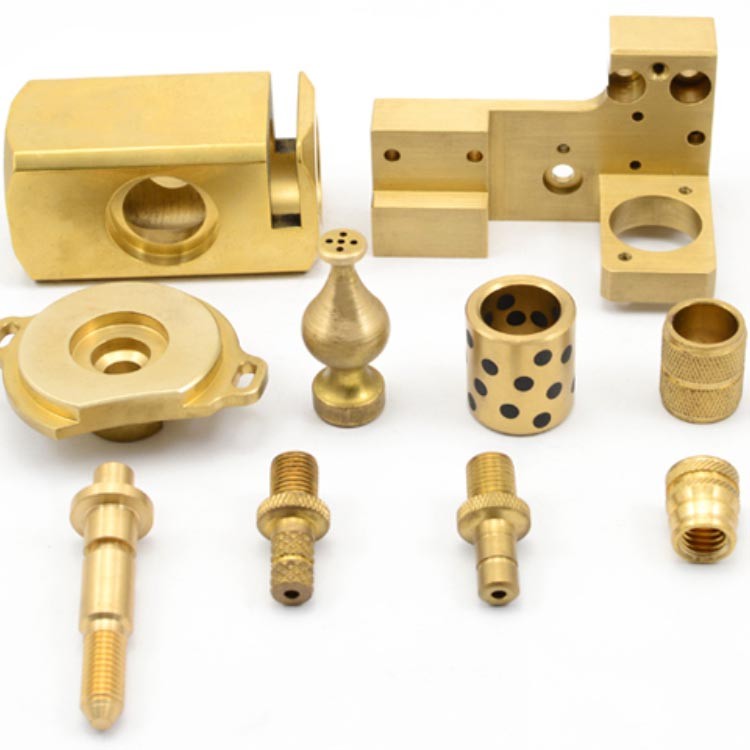
Q: Can you create custom non-standard threads?
A: Absolutely. Our engineering team works closely with clients to design and machine custom threads to unique specifications, including non-standard pitches, profiles, and tapered angles. This is a core strength of our 5-axis CNC machining capabilities.
For more information about our services and industry expertise, connect with us on LinkedIn (opening in new window).



















