
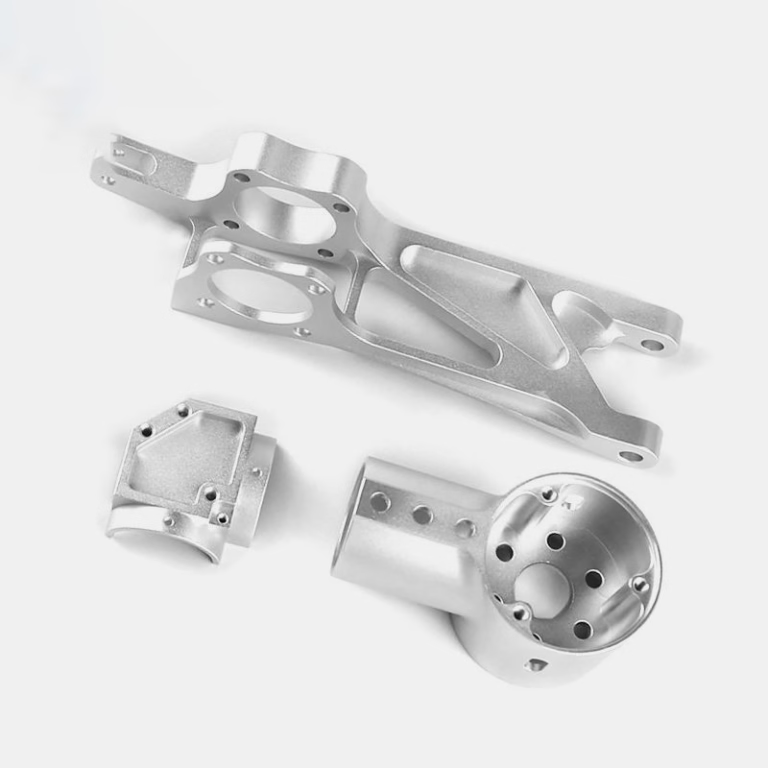
In the realm of precision machining, where achieving micron-level accuracy and maintaining it over countless cycles is paramount, the structural integrity of the machine tool itself is the unsung hero. At the heart of this stability for many high-performance CNC machines, especially heavy-duty milling centers and lathes, lies a classic yet profoundly effective design: the box way. Understanding what a box way is and its implications is crucial for clients seeking durable, high-precision, and heavy-duty machining solutions for their custom parts.
H2: Demystifying the Box Way: The Foundation of Rigidity
A box way is a type of guideway system used in machine tools to control the linear motion of a moving component, such as the saddle on a lathe or the column on a milling machine. Unlike its more modern counterpart, the linear guide (which uses recirculating ball bearings on hardened rails), a box way is a sliding contact system.
Imagine a sturdy, rectangular “box” (the moving element) sliding precisely along a matching, hardened “way” (the stationary bed). The contact occurs over large, flat surfaces, typically made of cast iron or steel, which are meticulously scraped or ground to an exceptional flatness. This large surface area is the key to its defining characteristics.
H3: The Core Advantages of Box Way Construction
Why would a manufacturer like GreatLight CNC Machining Factory invest in CNC machines equipped with box ways? The benefits are directly tied to the demands of challenging machining tasks:
Unmatched Rigidity and Vibration Damping: This is the foremost advantage. The massive surface contact area between the sliding components provides exceptional resistance to cutting forces and torsional loads. More importantly, the inherent material (often cast iron) has superb damping properties. It absorbs vibrations from the cutting process, preventing “chatter” – a phenomenon that ruins surface finish and tool life. For operations like heavy roughing, interrupted cuts, or machining hard materials like titanium or stainless steel, this rigidity is non-negotiable.
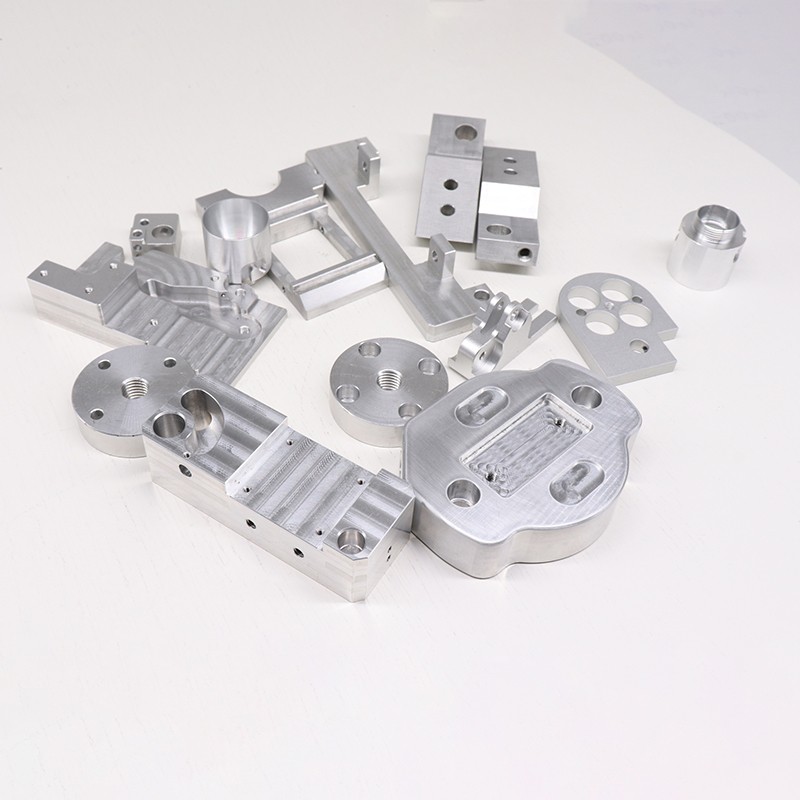
Superior Load-Bearing Capacity: The large contact area allows box ways to support extremely heavy workpieces and machine components without deformation. This makes them ideal for large-part machining and applications involving significant weight, such as in aerospace component manufacturing or mold and die work.
Long-Term Accuracy Retention: A properly maintained box way system exhibits remarkable longevity in precision. The wear is distributed over a vast area, leading to very slow, predictable degradation. While linear guides can develop play more quickly under heavy loads, a well-lubricated box way maintains its alignment and accuracy for decades, a critical factor for shops running production batches over many years.
Stability in Challenging Environments: The enclosed nature of the box way design offers better inherent protection against chips, coolant, and other contaminants compared to some exposed linear rail systems, though proper sealing remains essential.
H3: Considerations and Trade-offs: The Other Side of the Coin
No engineering solution is perfect, and the box way’s strengths come with specific trade-offs that are important to understand:
Higher Friction and Slower Speeds: Sliding friction is significantly higher than the rolling friction of linear guides. This requires more powerful servo motors to overcome inertia and results in lower maximum feed rates and rapid traverse speeds. For high-speed, light-duty machining (e.g., aluminum prototyping), this can be a disadvantage.
“Stick-Slip” Phenomenon: At very low feed rates, the static friction can cause slight jerky motion, known as stick-slip. Modern machines mitigate this with specialized way lubrication systems and coatings, but it remains a consideration for ultra-fine finishing passes.
Maintenance Requirements: Box ways require a consistent and reliable lubrication system. Failure in lubrication leads to rapid, catastrophic wear. Maintenance involves monitoring oil levels and, eventually, re-scraping the ways—a highly skilled manual process.
Heat Generation: The higher friction can generate more heat, which must be managed to avoid thermal growth that affects accuracy.
H2: Box Way vs. Linear Guide: Choosing the Right Tool for the Job
The choice between a machine with box ways and one with linear guides isn’t about which is “better,” but which is more suitable for the application.
| Feature | Box Way System | Linear Guide (Ball/Roller) System |
|---|---|---|
| Rigidity & Damping | Exceptionally High | Good to Very Good |
| Load Capacity | Extremely High | High |
| Speed & Acceleration | Moderate | Very High |
| Friction | High (Sliding) | Low (Rolling) |
| Precision & Repeatability | Excellent, long-term | Excellent, short-term |
| Maintenance | Requires diligent lubrication | Generally simpler, sealed units |
| Ideal For | Heavy cutting, hard materials, large parts, mold/die work | High-speed machining, light alloys, complex 3D contours, automation |
For a service provider like GreatLight CNC Machining Factory, offering comprehensive solutions means having the right equipment portfolio. Our facility strategically employs both types of machines. Our heavy-duty 5-axis CNC machining centers and large-bed milling machines often utilize box way or hybrid designs to tackle the demanding jobs our clients bring—such as machining large engine blocks, robust aerospace structural components, or intricate injection molds that require supreme stability. Meanwhile, our high-speed 3-axis and 4-axis machines equipped with linear guides excel at rapidly producing complex aluminum prototypes or performing detailed finishing work.
Conclusion
So, what is a box way used in a CNC machine? It is the bedrock of stability, the choice for relentless power, and the guarantor of longevity in the most demanding precision machining environments. It represents a philosophy of manufacturing that prioritizes unwavering rigidity and damping over pure speed. When your project involves challenging materials, significant cutting forces, or a requirement for decades of reliable service, the machine with a box way foundation is often the indispensable tool. At GreatLight CNC Machining Factory, our deep understanding of these machine tool fundamentals guides our equipment investments and process planning, ensuring we can match the right machine technology—be it the robust box way or the agile linear guide—to your specific precision part challenge, delivering results that stand the test of time and tolerance.
FAQ: Frequently Asked Questions About CNC Machine Box Ways
Q1: Are box way machines obsolete compared to linear guide machines?
Absolutely not. While linear guides dominate the high-speed machining sector, box ways remain the gold standard for heavy-duty, high-precision applications in industries like aerospace, energy, and mold making. They solve different problems and are often found on the most premium, capable machine tools.
Q2: Does a box way machine mean lower precision?
On the contrary. For the applications they are designed for, box way machines can achieve and, crucially, maintain exceptional precision over long periods and under heavy load, where a linear guide machine might deflect or vibrate.
Q3: What kind of maintenance do box ways require?
The primary maintenance is ensuring a continuous and clean supply of way lubrication (oil). Modern machines have automatic centralized lubrication systems. Long-term maintenance may involve monitoring for wear and, after many years of service, professionally re-scraping the ways to restore the original geometry—a service for highly specialized technicians.
Q4: For prototyping with aluminum, should I look for a box way machine?
Typically, no. For most aluminum prototyping, the high speed and acceleration of linear guide machines are more beneficial. The superior rigidity of a box way is often overkill for aluminum and comes with a speed penalty. The choice depends on part size and feature complexity.
Q5: How can I tell if a machine uses box ways?
You can often identify them visually. Look for large, flat, hardened steel surfaces on the machine bed where the saddle or column mounts. They will have visible oil grooves and wipers. Machine specifications will also explicitly state “box ways” or “hardened and ground guideways” as a key feature. Reputable manufacturers like those whose equipment we partner with at GreatLight CNC Machining Factory are transparent about these core construction details. For insights into how industry leaders leverage such technologies, you can explore professional networks like LinkedIn.



















