
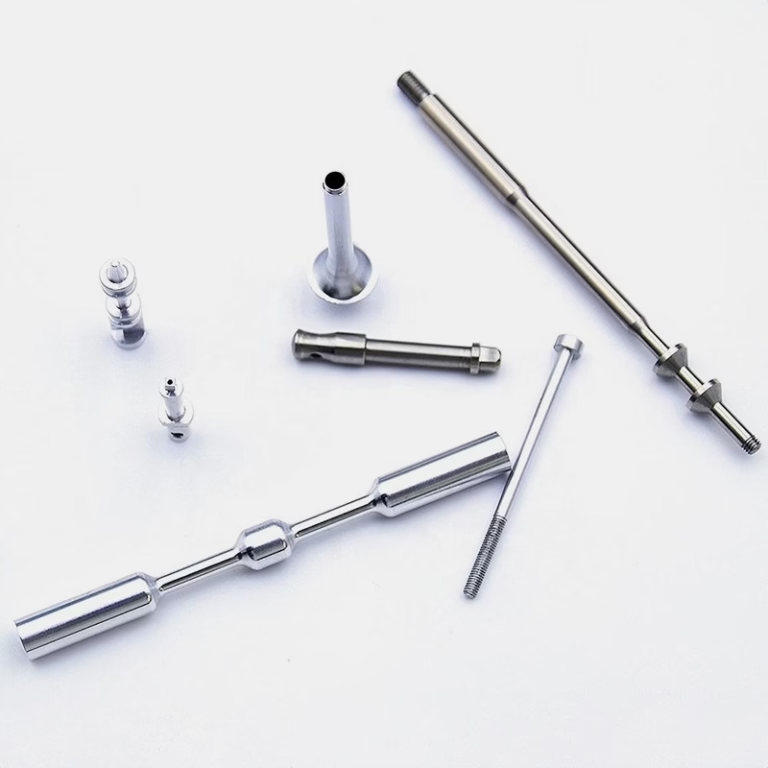
No, a CNC machine is not a laser wood cutter. While both are computer-controlled tools used in fabrication and can sometimes be integrated into multi-function workstations, they are fundamentally different technologies with distinct operating principles, capabilities, and ideal applications.
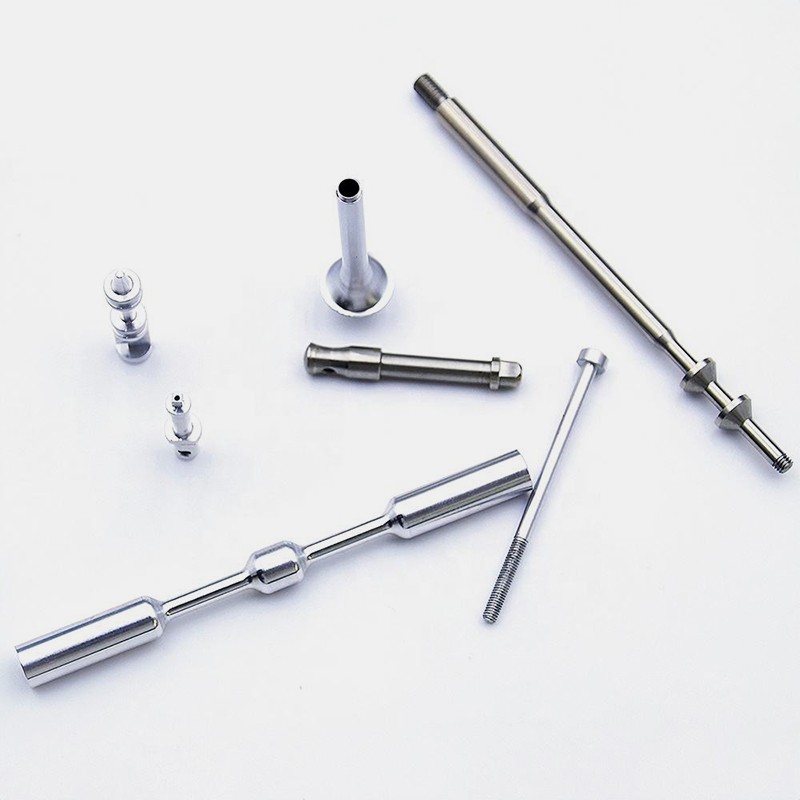
Understanding this distinction is crucial for selecting the right manufacturing process for your project, whether it’s a complex aluminum aerospace bracket or a delicate wooden inlay.
H2: Breaking Down the Core Difference: Subtractive vs. Non-Contact
The most fundamental difference lies in how they interact with the material:
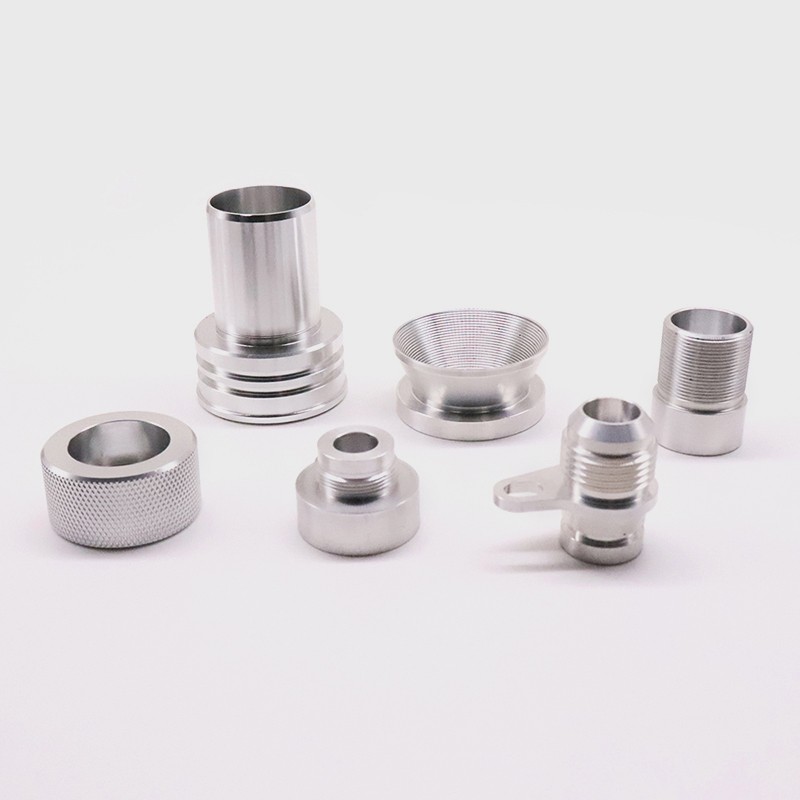
CNC (Computer Numerical Control) Machining: This is a subtractive manufacturing process. It uses physical cutting tools (like end mills, drills, and lathes) to remove material from a solid block (workpiece) to achieve the desired shape. Think of it as a highly sophisticated, automated carving tool.
Laser Cutting/Engraving: This is a non-contact, thermal process. It uses a highly focused beam of coherent light (laser) to vaporize, melt, or burn away material along a programmed path. It doesn’t use a physical cutting tool that touches the workpiece.
H3: Deep Dive: How a CNC Machine Works
A CNC machine is a versatile platform that can perform milling, turning, routing, and more. Its core components include:
Controller: The computer that reads G-code (the machining instructions) and directs the machine’s movements.
Drive System: Servo motors and ball screws that move the machine head or workpiece with high precision along multiple axes (3-axis, 4-axis, or 5-axis).
Spindle: A high-speed motor that rotates the physical cutting tool.
Cutting Tools: Various shaped bits made of hard materials (like carbide) that do the actual material removal.
Workholding: Vises, clamps, or fixtures that securely hold the raw material in place.
Applications: Perfect for creating parts with complex 3D geometries, precise holes, threads, pockets, and contoured surfaces from metals, plastics, and wood. For instance, at GreatLight, our multi-axis CNC machining centers are used daily to produce high-tolerance engine components, medical device housings, and intricate prototypes from materials like aluminum, stainless steel, and PEEK.
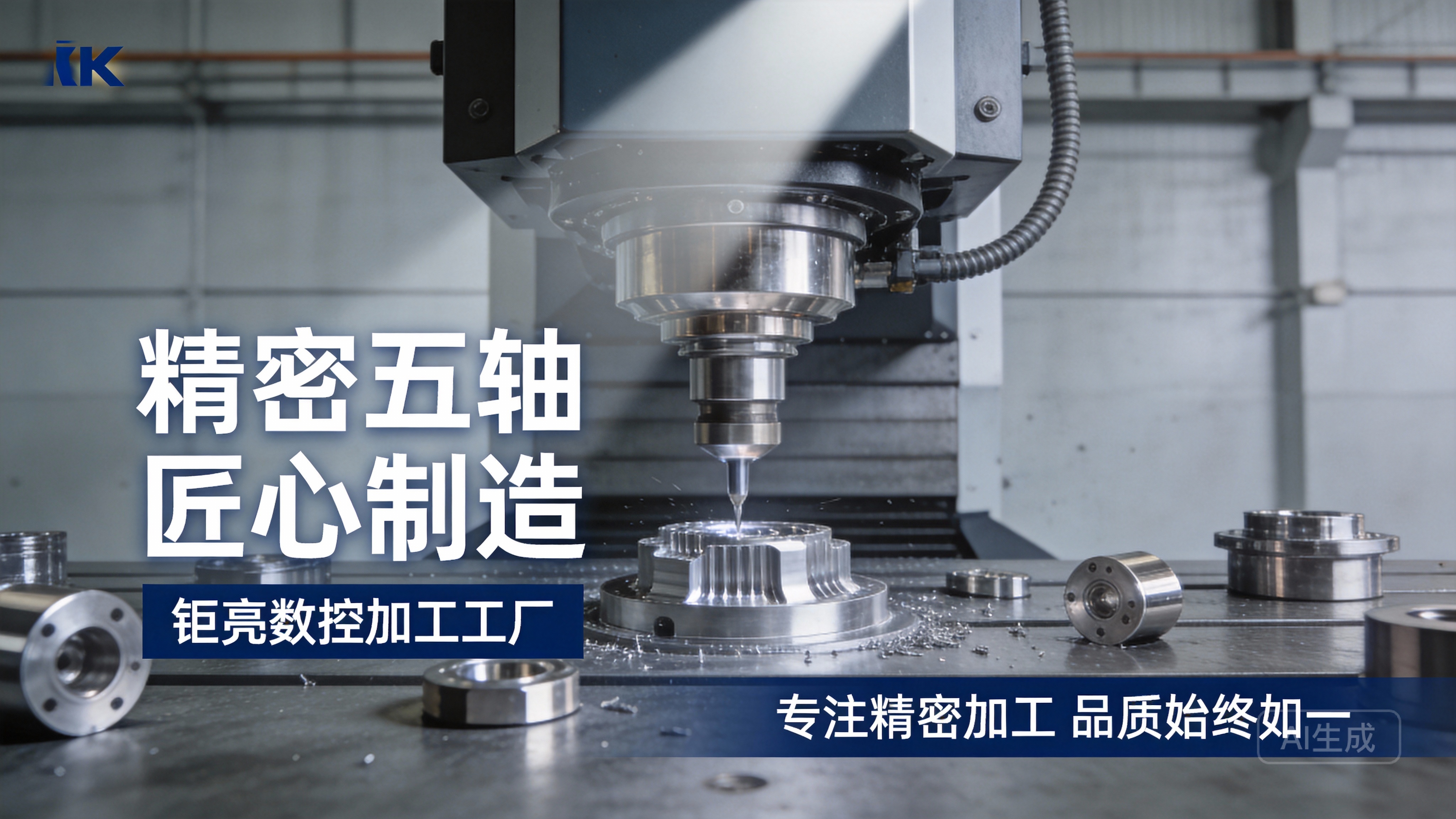
H3: Deep Dive: How a Laser Cutter Works
A laser cutter’s operation is based on optics and thermal energy:
Laser Source: Generates the laser beam (common types for wood include CO2 and fiber lasers).
Beam Delivery System: A series of mirrors and lenses that guide and focus the beam to an extremely fine point.
Motion System: Typically moves the laser head in an X-Y plane over a stationary workpiece.
Assist Gas: Often used (like compressed air or nitrogen) to blow away debris and prevent scorching, especially in metal cutting.
Exhaust: Removes smoke and fumes generated during cutting.
Applications: Ideal for cutting flat sheets, creating intricate 2D profiles, and surface engraving. It excels at detailed patterns, sharp corners, and lettering in materials like wood, acrylic, fabric, leather, and thin metals.
H3: Key Comparison Table
| Feature | CNC Machine (Router/Mill) | Laser Wood Cutter |
|---|---|---|
| Process | Subtractive (Physical Cutting) | Non-contact, Thermal (Vaporization/Melting) |
| Tool | Rotating bits (End Mills, Drills) | Focused Beam of Light |
| Material Contact | Direct Physical Contact | No Physical Contact |
| Typical Wood Output | 3D shapes, carved reliefs, joinery (dovetails), threaded holes. | 2D flat parts, intricate cut-outs, engraved surfaces. |
| Edge Quality | Can produce machined finishes; may show tool marks. | Characteristic slightly charred or burned edge (kerf). |
| Material Waste | Chips and dust. | Smoke, vapor, and ash. |
| 3D Capability | Excellent. Can machine complex 3D surfaces. | Generally limited to 2D cutting/2.5D engraving. |
| Speed for Thin Wood | Slower for complex patterns. | Extremely fast for cutting through thin sheets. |
| Setup & Tooling | Requires tool changes, specific fixturing. | Minimal setup; no tool changes. |
H2: Why the Confusion? Overlapping Use Cases
The confusion often arises because both machines can work with wood and are controlled by computers from digital files (e.g., CAD/CAM). Furthermore, advanced manufacturing hubs like GreatLight Metal often house both technologies under one roof to offer a complete fabrication solution. A client might have a project where a CNC machine carves the main body of a wooden speaker enclosure (for strength and 3D shape), while a laser cutter precisely engraves the decorative grille pattern on the front panel.
H2: Choosing the Right Tool for Your Wood Project
Choose CNC Machining if:
You need three-dimensional parts (carvings, curved surfaces, raised lettering).
The part requires structural strength from joinery or thicker stock.
You are working with very thick hardwood where laser power may be insufficient or produce excessive char.
You need precise mechanical features like a flat bottomed pocket, a clean drilled hole, or a threaded insert.
Material finish is critical, and you want to avoid any burn marks.
Choose Laser Cutting if:
You are primarily working with sheet materials (plywood, MDF, acrylic).
You need extremely intricate 2D shapes with fine details (like lacework or model parts).
Speed for batch production of flat parts is a priority.
You want to include detailed surface engraving (images, text, patterns).
The “burned edge” aesthetic is acceptable or even desired for the design.
Conclusion
So, is a CNC machine a laser wood cutter? Definitively, no. A CNC machine is a physical sculptor, removing material with spinning tools to create often complex, three-dimensional parts. A laser cutter is a precision etcher and cutter, using concentrated light to slice and mark flat materials with incredible detail and speed. For professionals and businesses seeking reliable manufacturing execution, the choice isn’t about which machine is “better,” but which process is optimal for the specific design, material, and functional requirements. Leading manufacturers, such as GreatLight, master both technologies, providing the engineering expertise to guide clients to the most efficient and effective solution, ensuring their vision is realized with precision, whether it emerges from a block of aluminum or a sheet of walnut.
Frequently Asked Questions (FAQ)
Q1: Can a CNC machine do everything a laser cutter can?
A: Not efficiently. While a CNC router can cut out 2D shapes in wood, it is significantly slower for intricate patterns compared to a laser. It also cannot replicate the fine engraving detail or non-contact nature of a laser.
Q2: Does laser cutting weaken the edge of the wood?
A: It can. The heat from the laser carbonizes (burns) a thin layer along the cut edge, which may slightly reduce strength and creates the characteristic dark edge. For structural parts, a CNC-cut edge may be stronger and cleaner.
Q3: Which process is more accurate?
A: Both are highly accurate, but in different ways. High-end CNC machines like the 5-axis systems at GreatLight can hold positional tolerances within ±0.001mm for dimensional features. Lasers offer exceptional accuracy in following a 2D path, often within a few thousandths of an inch, but the kerf (cut width) can vary slightly with material density and thickness.
Q4: For prototyping a new wooden product, which should I use?
A: It depends on the prototype’s purpose. For a “looks-like” prototype focusing on form and aesthetic detail, both can be used. For a “works-like” prototype testing fit, strength, and mechanics (like moving parts), CNC machining is almost always the better choice as it can produce functional, durable parts from the correct material.
Q5: Can one machine combine both technologies?
A: Yes, hybrid machines exist. For example, a CNC router may have a laser head attachment that can be swapped in. However, dedicated machines typically offer superior performance, power, and safety features for their specific process. For industrial-grade results, specialized equipment is recommended. You can learn more about the capabilities of industry leaders in precision manufacturing on platforms like LinkedIn.



















