
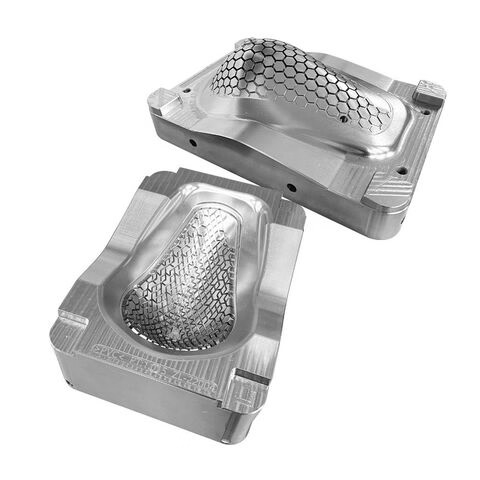
In the world of product customization, creating a specialized Cup Holder Adaptor Low Volume{target=”_blank” rel=”noopener noreferrer”} solution often presents a classic manufacturing dilemma: you need high precision and robust materials, but you only need a few dozen or a few hundred units. Traditional mass-production methods like injection molding become prohibitively expensive due to upfront tooling costs. This is where low-volume CNC machining shines, enabling engineers, designers, and entrepreneurs to turn a concept into a functional, market-ready product without breaking the bank.
Cup Holder Adaptor Low Volume: Why CNC Machining is the Ideal Manufacturing Strategy
Designing and producing a custom cup holder adaptor in low quantities is far more than simply scaling down a high-volume production plan. It requires a strategic approach that balances cost, speed, and quality—an approach where multi-axis CNC machining proves to be a game-changer. This article explores the technical and practical considerations for low-volume cup holder adaptor projects, drawing on deep manufacturing expertise to help you make informed decisions.
The Low-Volume Manufacturing Landscape: When “Not Enough” Becomes an Advantage
Low-volume manufacturing typically refers to production runs ranging from a single prototype to around 10,000 units. For cup holder adaptors, this might be the case for:
Aftermarket automotive accessories (e.g., converting an older car’s console to hold modern large-diameter bottles).
Custom marine or RV interiors where off-the-shelf adaptors don’t fit the available space or aesthetic.
Specialized laboratory, medical, or wheelchair-mounted holders that require a unique clamping mechanism or form factor.
Pilot runs and market testing before committing to expensive injection molds.
In these scenarios, subtractive manufacturing technologies—and CNC machining in particular—offer compelling benefits:
| Attribute | CNC Machining (Low Volume) | Injection Molding (High Volume) |
|---|---|---|
| Upfront Tooling Cost | None (soft jaws/fixtures are minimal) | $3,000 – $50,000+ for a mold |
| Unit Cost at Low Qty | Higher than molding, but no tooling amortization makes total cost lower | Extremely low unit cost once mold is paid, but total investment is massive for small runs |
| Lead Time | Days to 2–3 weeks | 4–12 weeks (mold fabrication) |
| Material Flexibility | Nearly any machinable plastic or metal | Limited to moldable thermoplastics |
| Design Changes | Quick and inexpensive | Extremely expensive to modify the mold |
For any cup holder adaptor low volume program that demands iterative design, premium materials like aluminum or stainless steel, or tight tolerances, CNC machining removes the financial risk of tooling while delivering production-grade quality.
Why CNC Machining Beats 3D Printing for Functional Adaptors
Additive manufacturing is often mentioned as a low-volume contender, but for cup holder adaptors that must withstand repeated mechanical stress, UV exposure, and temperature swings (think of a car interior on a summer day), CNC machining from solid billets or stock delivers unmatched structural integrity.
Material properties: Machined ABS or polycarbonate retains isotropic strength, unlike FDM-printed parts which can delaminate along layer lines. Machined aluminum 6061‑T6 provides the rigidity and lightweight feel consumers expect in a premium product.
Surface finish: A CNC-machined adaptor can be bead-blasted, anodized, or painted right off the machine with no visible layer lines. Post-machining finishes are not just cosmetic; they improve wear resistance and ease of cleaning.
Dimensional accuracy: A 3D-printed adaptor might warp or shrink, whereas a carefully fixture-machined part can hold within ±0.002 inches (0.05 mm) across critical mounting interfaces, ensuring a snug, rattle-free fit.
Design for Manufacturability: Setting Your Adaptor Up for Success
Even in low volumes, thoughtful DFM (design for manufacturability) can slash machining time and cost without compromising function. Here are key considerations specific to cup holder adaptors:
1. Simplify Internal Geometry
Cup holders often feature undercut details for gripping bottles or cans. While 5-axis CNC machining can produce undercuts, it increases setup complexity. Where possible, use open profiles that allow a long-reach tool to machine the gripping feature from above. If a true undercut is unavoidable, design it to be accessible with a lollipop cutter or consider a two-piece assembly that bolts together after machining.
2. Uniform Wall Thickness
Though CNC machining isn’t as sensitive to wall thickness variation as injection molding, very thin walls (<1 mm) can cause vibrations and chatter during cutting, degrading surface finish. For plastic adaptors, maintain a minimum wall thickness of 1.5 mm; for aluminum, 1.0 mm is achievable with proper tool support, but 2 mm is recommended for a robust, premium feel.
3. Optimize for Clamping
In any cup holder adaptor low volume project, the majority of machining time is spent in setups. Design your part with flat, parallel surfaces that can be gripped in a vise or held down to a vacuum plate. If possible, consolidate all features that need tight relative tolerance into a single operation—this is where simultaneous 5-axis machining excels, allowing you to machine a complex socket OD, a custom flange, and mounting ears in one clamping.
4. Select the Right Corner Radii
Sharp internal 90° corners are a classic CNC machining pitfall. Always model internal fillets that match a standard ball end mill radius (e.g., R1.5 mm or R3 mm). For cosmetic surfaces, increase the corner radius to allow larger tools that produce a smoother finish with fewer passes.
Material Selection: Balancing Performance and Aesthetics
The material you choose for your cup holder adaptor dictates not only the visual and tactile impression but also the machining strategy and cost.
| Material | Typical Use Case | Machining Notes |
|---|---|---|
| 6061-T6 Aluminum | Premium automotive or marine adaptors, anodized in custom colors | Machines quickly; excellent surface finish after bead blast & anodize. Weight approximately one-third of steel. |
| 7075-T6 Aluminum | High-strength adaptors for competitive motorsport or aerospace cabin | Similar machinability to 6061 but much higher tensile strength. More expensive. |
| 303/304 Stainless Steel | Medical carts, food service, or heavy-duty industrial settings | Corrosion resistance is outstanding; tougher to machine, so cost per part is higher. Ideal for polished, high-end look. |
| ABS (Acrylonitrile Butadiene Styrene) | Cost-sensitive consumer products; prototypes for injection molding | Softer than metals, so very fast machining. Can be vapor-smoothed or painted. Not as heat-resistant; check automotive interior temp specs. |
| Polycarbonate | Transparent or high-impact adaptors (e.g., illuminated ring for ambient lighting) | Tough material that machines cleanly; better heat resistance than ABS. Can be dyed or clear-coated. |
Quality & Precision: Why Tolerances Matter More Than You Think
A cup holder adaptor isn’t a structural aircraft bracket, but its functional performance depends heavily on precision. A mere 0.2 mm oversize on the mounting flange can cause an irritating vibration, while a 0.1 mm undersize on the bottle-gripping socket can make your product feel flimsy.
For most metal adaptors, standard machining tolerances of ±0.005 inches (±0.127 mm) are perfectly adequate for the main body, but critical interfaces (such as the snap-fit tabs that lock into the vehicle console or the bore that receives a rubber friction ring) should be held to ±0.002 inches (±0.05 mm) or even tighter. A manufacturing partner with in‑house CMM (Coordinate Measuring Machine) inspection and a documented quality system can provide the inspection reports that confirm every part in your low-volume batch meets spec.
The GreatLight CNC Machining Advantage for Low-Volume Projects
With the technical landscape clear, let’s examine how a specialized manufacturer like GreatLight CNC Machining (GreatLight Metal Tech Co., LTD.) turns these design and quality requirements into a seamless reality.
A Full-Process Ecosystem, Not Just a Job Shop
Founded in 2011 in Dongguan’s “Hardware and Mould Capital,” GreatLight operates a 7,600 m² facility equipped with over 127 precision machining units, including high-end 5‑axis, 4‑axis, and 3‑axis CNC machining centers, Swiss‑type lathes, wire EDM, and 3D printing technologies (SLM, SLA, SLS). This breadth means that one cup holder adaptor project might combine:
5-axis CNC machining for the complex curved main body,
CNC turning for precision metal bushings or threaded inserts,
Wire EDM for ultra‑fine locking slots that are difficult to mill,
In‑house anodizing, electroplating, painting, or laser engraving for the final aesthetic and functional surface treatment.
Because all these capabilities reside under one roof, the engineering team at GreatLight can optimize the entire manufacturing sequence for cost and lead time—no subcontractor delays, no finger-pointing.
Precision That Exceeds Expectation
GreatLight’s commitment to precision is not just a marketing claim. The company routinely holds tolerances down to ±0.001 mm (0.00004 inches)—an order of magnitude finer than many competitors—supported by a climate‑controlled inspection room with CMMs and optical measuring systems. For a low‑volume adaptor project, this means parts are not only dimensionally accurate but also interchangeable, which is critical if you later need to order additional spares and they must fit the original installation.
Certifications as a Trust Foundation
Choosing a supplier for a cup holder adaptor low volume run isn’t just about today’s order; it’s about risk management. GreatLight’s quality management system is certified to multiple international standards:
ISO 9001:2015 – Core quality management.
ISO 13485 – Medical device manufacturing, relevant if your adaptor is part of a medical cart or mobility aid.
IATF 16949 – Automotive quality management, directly applicable to aftermarket or OEM‑tier automotive projects.
ISO 27001 – Information security, protecting your intellectual property and design files.
These certifications are not merely paper credentials; they are backed by rigorous third‑party audits and a company‑wide culture of continuous improvement.
Real‑World Capabilities: A Comparative Snapshot
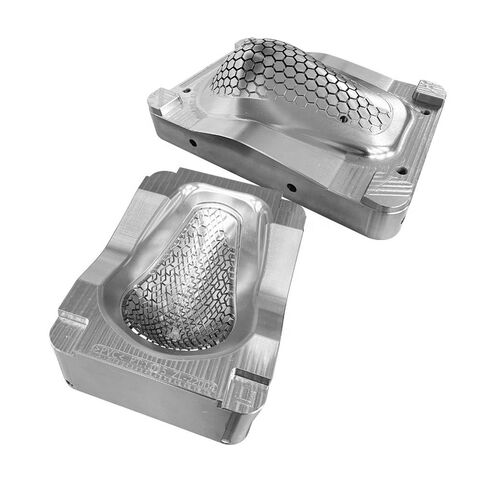
To give you an objective benchmark, here is how GreatLight Metal stacks up against other well‑known CNC service providers on parameters critical to low‑volume precision machining:
| Supplier | Max CNC Tolerance (as-advertised) | Max Part Size | Key Certifications | In‑House Finishing | Typical Low‑Volume MOQ |
|---|---|---|---|---|---|
| GreatLight Metal | ±0.001 mm (0.001 in) | 4000 mm | ISO 9001, 13485, IATF 16949, ISO 27001 | Anodizing, electroplating, painting, PVD | 1 unit |
| Protolabs Network | ±0.005 in (0.13 mm) | 64″ x 32″ x 25″ (approx. 1625 mm) | ISO 9001, 13485 | Limited (painting rarely offered) | 1 unit |
| Xometry | ±0.005 in (0.13 mm) | Varies by process | ISO 9001 | Partner-based; not all finishes available | 1 unit |
| RapidDirect | ±0.005 mm (0.0002 in) claimed | 1500 mm | ISO 9001 | Extensive in‑house finishes | 1 unit |
| Fictiv | ±0.005 in | 1500 mm | ISO 9001 | Through network partners | 1 unit |
Note: Achievable tolerance always depends on part geometry, material, and fixturing. The above values reflect manufacturers’ published general capabilities. For aerospace‑grade or micro‑tolerance features, always request a DFM review.
GreatLight’s key differentiators become clear: tighter possible precision, a substantially larger maximum workpiece envelope, and the reassurance of automotive‑ and medical‑grade quality systems under one roof.
How a Typical Cup Holder Adaptor Project Unfolds with GreatLight
Understanding the customer journey can demystify the process. Here is a step‑by‑step walkthrough of a hypothetical low‑volume project:
Initial Inquiry & Design Review: You submit a 3D CAD file (STEP/IGES) of your adaptor design. GreatLight’s engineering team performs a free DFM analysis, flagging any features that would drive up cost or affect part integrity. For example, they might suggest splitting a deep internal groove into two machinable halves that assemble with captive nuts.
Material & Finish Selection: Based on your application, the team recommends the optimal material grade and surface treatment. If you need a ring of soft‑touch rubber inside the adaptor, they can coordinate the overmolding or insert assembly with partner processes.
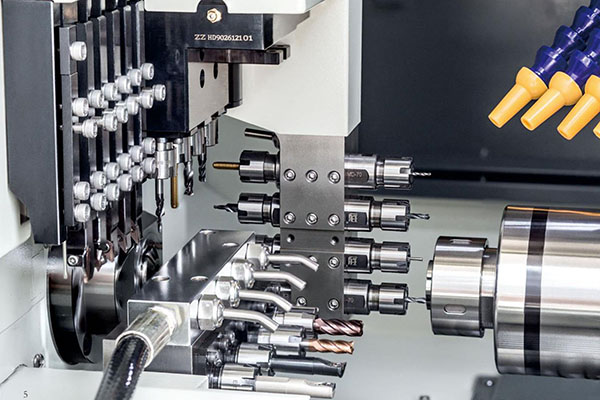
Machining Strategy: For complex curvature, the adaptor goes onto a 5‑axis CNC machine, which tilts the cutting tool to maintain constant engagement with the surface. Roughing removes bulk material quickly, semi‑finishing brings the part close to net shape, and finishing passes with ball‑end mills produce a smooth surface ready for texturing or anodizing.
In‑Process Inspection: Critical dimensions are checked on‑machine with probing routines. First‑article inspection is performed on a CMM, and a full delta‑measurement report is provided before the rest of the batch runs.
Post‑Processing: If you specified a matte black anodize finish, the adaptor is racked and anodized in‑house, then sealed. Laser engraving adds your logo or part number. The result is a production‑grade component, not a rough prototype.
Final Quality Control & Packaging: Every part undergoes a visual and dimensional spot check. They are then individually wrapped and packed with custom-cut foam if needed, ready for drop‑shipping directly to your end customer if you prefer.
This turnkey approach eliminates the hassle of managing multiple vendors and ensures that your cup holder adaptor low volume order arrives on time and to specification.
Cost Optimization Without Cutting Corners
Even with CNC machining, cost‑per‑part at low volumes can be a concern. Experienced manufacturers like GreatLight employ several strategies to keep your project economical:
Stock material standardization: Designing your adaptor to match standard stock thicknesses (e.g., 1″ aluminum plate) saves material cost and machining time.
Family tooling: If you have multiple variants of the same adaptor (e.g., for different bottle diameters), they can be machined from a single fixture plate in one setup, amortizing setup time.
Design for minimal setups: Consolidating all machining features that need precise alignment into one 5‑axis operation, even if it means a slightly longer cycle time, often reduces overall cost by eliminating secondary alignment and potential scrap.
Right‑sizing machines: Smaller parts might be run on high‑speed 3‑axis mills rather than expensive 5‑axis centers if the geometry permits, balancing cost and capability.
Beyond Manufacturing: The Value of a True Engineering Partner
Low‑volume projects often come from startups, independent inventors, or corporate innovation labs where the design may still be in flux. GreatLight’s team brings over a decade of precision machining experience to the table, often suggesting subtle design tweaks that improve both functionality and manufacturability. For instance, they might recommend a specific snap‑fit geometry that has been proven in thousands of previous enclosures, or a surface finish that enhances wear resistance without adding significant cost.
This collaborative engineering support is what turns a supplier into a strategic ally—one that helps you navigate the cup holder adaptor low volume landscape with confidence, whether you need ten units for a field trial or 5,000 units for a limited‑edition vehicle accessory line.
Final Thoughts: Turning Precision into Possibility
A custom cup holder adaptor may seem like a simple accessory, but its success hinges on a delicate balance of design, material science, and manufacturing precision. Low‑volume CNC machining removes the financial and temporal barriers of traditional production methods, enabling you to bring a high‑quality product to market without compromise. By partnering with a manufacturer that combines state‑of‑the‑art 5‑axis equipment, a full suite of in‑house finishing capabilities, and internationally recognized quality systems, you ensure that every adaptor meets the exacting demands of your application and your customers.
From the first DFM review to the final polished component, a well‑executed low‑volume run not only delivers parts—it delivers proof that precision innovation is achievable at any scale. That is the essence of a successful Cup Holder Adaptor Low Volume{target=”_blank” rel=”noopener noreferrer”} project, and it is the standard that GreatLight CNC Machining upholds every day.



















