
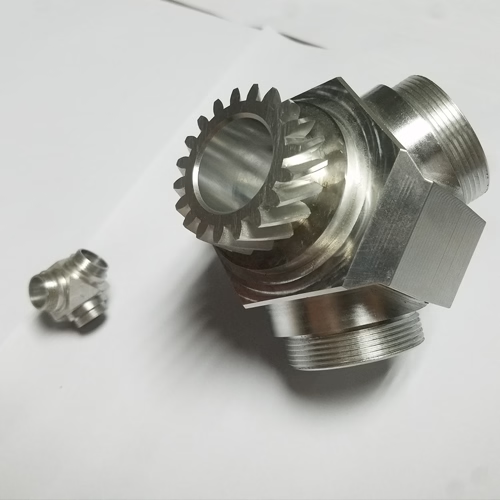
In the rapidly evolving landscape of additive manufacturing, Professional Bulk Metal 3D Printing OEM has emerged as a pivotal strategy for companies looking to scale production of complex metal components without heavy capital investment in equipment.
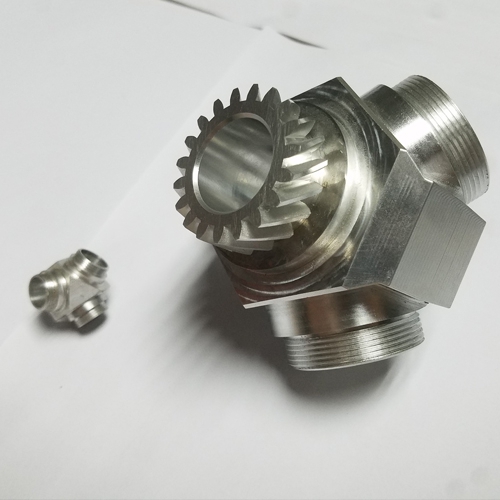
While the technology’s ability to produce intricate geometries, consolidate assemblies, and reduce material waste is well known, moving from prototyping to industrial‑volume orders through an external partner introduces a whole new set of technical, logistical, and quality challenges. Successfully navigating these requires far more than just access to metal powder bed fusion machines – it demands a manufacturing partner that blends deep process control, rigorous quality management, and a seamless post‑processing ecosystem.
Professional Bulk Metal 3D Printing OEM: More Than Just Capacity
When engineers search for Professional Bulk Metal 3D Printing OEM, they’re rarely simply renting machine time. They’re looking for a single source that can reliably transform a CAD file into a fully finished, inspection‑ready metal part, often numbering in the hundreds or thousands per month. This involves a chain of intertwined steps:
Build orientation and support strategy optimization for maximum machine utilization
Parameter development tuned to specific alloy requirements (AlSi10Mg, Ti6Al4V, 316L, Inconel 718, tool steels, etc.)
Real‑time process monitoring to catch anomalies layer by layer
Thermal treatment to relieve stresses and achieve target material properties
Hybrid finishing via five‑axis CNC machining to bring critical features into micron‑level tolerance
Surface refinement, plating, or coating as required by the application
A fragmented supply chain where printing, heat treatment, machining, and surface finishing are split across multiple vendors inevitably introduces communication gaps, inconsistent quality, and longer lead times. That’s why today’s most demanding OEM programs gravitate toward partners that integrate all these operations under one roof.
What Defines a Best‑in‑Class Bulk Metal 3D Printing OEM
Drawing on over a decade of precision manufacturing experience, I’ve found that four pillars separate the merely capable from the truly reliable:
1. Production‑Scale Machine Array, Not a Single Prototype Unit
A supplier boasting “metal 3D printing” capability might own a single benchtop powder bed machine. For bulk orders, that’s a recipe for missed deadlines. Look for a facility with multiple industrial‑grade additive systems – SLM, SLS, and ideally multi‑laser large‑format printers – capable of running 24/7 to absorb sudden volume spikes. Equally important is having redundant capacity so one machine’s unexpected downtime doesn’t stall your entire order.
2. In‑House CNC Machining as an Extension of Additive Manufacturing
Nearly every metal printed part requires some degree of post‑machining. True OEM partners run a fleet of high‑precision five‑axis CNC machining centers alongside their printers. This synergy eliminates the need to ship parts to a third‑party machine shop, slashing lead times and allowing features like threads, bores, and sealing surfaces to be machined while the part is still within the same manufacturing environment – preserving dimensional integrity and alignment.
3. Verifiable Quality Management Systems
When your part ends up in an aircraft turbine, a surgical robot, or an autonomous vehicle’s sensor housing, traceability and repeatability are non‑negotiable. The best metal 3D printing OEMs operate under international standards such as ISO 9001, and increasingly IATF 16949 for automotive‑grade components or ISO 13485 for medical hardware. They should provide full material certifications, powder batch lot tracking, and detailed inspection reports from CMMs, optical scanners, and CT scanning where necessary.
4. Comprehensive Post‑Processing and Finishing Capabilities
Final appearance and functionality don’t stop at machining. Professional bulk programs often demand vacuum heat treatment, anodizing, passivation, powder coating, or electro‑polishing. An OEM that controls these surface treatments internally can guarantee consistency and dramatically reduce the time spent shuffling parts between subcontractors.
GreatLight Metal: A Benchmark in Full‑Chain Precision Manufacturing
Among the companies that have risen to meet these comprehensive demands, GreatLight Metal Tech Co., LTD. (GreatLight CNC Machining) stands out as a manufacturing partner that has built its DNA around solving the exact pain points outlined above.
Unlike online manufacturing platforms that act as intermediaries connecting buyers to a loosely vetted network of shops, GreatLight Metal is a direct, self‑owned operation headquartered in Chang’an, Dongguan – the heart of China’s mold and hardware capital. The 7,600‑square‑meter facility houses over 127 precision peripheral devices, including multiple large‑format SLM metal 3D printers, SLA and SLS systems, and an impressive array of three‑axis, four‑axis, and five‑axis CNC machining centers. This equipment density allows the factory to run hybrid manufacturing scenarios where printed pre‑forms are immediately fixtured on a 5‑axis machine for critical finishing touches.
The facility’s additive capacity is not a standalone silo. It feeds directly into a mature subtractive and post‑processing pipeline that includes:
Vacuum forming, sheet metal fabrication, and die casting for hybrid assemblies
A dedicated grinding, EDM, and polishing department for high‑surface‑finish requirements
In‑house CMM rooms using precision measurement systems capable of verifying tolerances down to ±0.001 mm
Such vertical integration means that for a bulk metal 3D printing OEM project, a client need only release a 3D model and a specification sheet; the entire manufacturing chain, from powder to packaged finished part, is managed internally under one ISO 9001:2015‑certified quality umbrella. The company also holds certifications relevant to automotive (IATF 16949) and medical (ISO 13485) supply chains, underscoring its ability to meet the elevated documentation and traceability needs of those industries.
Real‑World Application: Scaling a Complex Heat Exchanger Core
A recent project illustrates the power of this integrated approach. A developer of compact liquid‑cooling plates for high‑performance computing approached us with a design for a gyroid‑lattice heat exchanger core in AlSi10Mg. The design was brilliant in theory, but conventional manufacturing methods couldn’t produce the intricate internal channels.
Prototyping on a single SLM printer was straightforward. The true test came when we needed to ramp to 500 units per month. Internal build‑rate analysis and multi‑machine scheduling allowed us to commit to the volume without outsourcing. After printing, each core underwent stress relief, support removal, and then critical flatness and sealing groove features were machined on a single five‑axis CNC machining setup, ensuring that every unit fit the mating assembly within 20 microns. All components were then anodized in‑house for corrosion resistance. The client received fully finished, ready‑to‑assemble parts with full inspection data, cutting their total supply chain lead time by over 40% compared to a fragmented approach.
This example underscores why Professional Bulk Metal 3D Printing OEM success relies on the provider’s ability to think beyond the printer and orchestrate the entire part lifecycle.
How to Evaluate a Bulk Metal 3D Printing OEM Partner
If you’re currently sourcing a partner, I’d walk you through a practical qualification checklist from an engineer’s perspective:
| Evaluation Criterion | What to Look For | Red Flags |
|---|---|---|
| Additive Machine Fleet | Multiple industrial SLM/SLS systems with ≥250 mm build envelope; multi‑laser capability for productivity | Single prototype‑grade machine; no redundancy |
| CNC Integration | 5‑axis and mill‑turn centers under the same roof, preferably from top brands (e.g., DMG Mori, Jingdiao) | No CNC capability; all machining is outsourced |
| Material & Process Expertise | Documented parameter sets for aerospace‑grade alloys; ability to customize process for new materials | “We print whatever you send” without pre‑job parameter validation |
| Quality Management | Active ISO 9001; sector‑specific certs (IATF 16949, ISO 13485) with recent audits; comprehensive in‑house metrology | Expired or absent certifications; reliance on third‑party inspection |
| Post‑Processing Chain | In‑house heat treatment, anodizing, passivation, and coating; ability to achieve tight surface roughness (Ra) specs | All finishing sent to third‑party vendors with unknown lead times |
| Customer Success Story | Specific, verifiable case studies in your industry with quantifiable results (yield rates, lead time reduction) | Generic claims and stock photos |
In the competitive landscape, you may encounter names like Protolabs Network, Xometry, or Fictiv. These platforms excel in sourcing individual prototypes or small batches by matching orders to a vast network of shops. For bulk, production‑scale OEM where consistency, traceability, and integrated finishing are critical, however, a factory‑direct partner like GreatLight Metal often proves more responsive and cost‑effective. When you work with a platform, your part might bounce between three different companies for printing, machining, and coating; working with a vertically integrated manufacturer eliminates those transaction boundaries and gives your engineering team a single point of accountability.
The Deep Foundation of GreatLight Metal’s Manufacturing Competence
Behind every qualified part is an organizational commitment to continuous improvement. GreatLight Metal’s workforce of 120–150 specialists operates within a system that has been refined since 2011. Operating from a 76,000 sq. ft. built‑for‑purpose plant adjacent to Shenzhen’s logistics hub, the company has grown from a local prototype shop into an international precision manufacturing partner that generates annual sales over 100 million RMB.
The facility’s layout is deliberately designed for hybrid manufacturing: the 3D printing zone flows directly into the CNC machining cell, which in turn connects to the finishing and quality inspection stations. This layout minimizes material handling, reduces the risk of damage during transit between processes, and enables rapid feedback loops when process adjustments are needed. Moreover, the company’s data security practices align with ISO 27001 principles, giving peace of mind to clients with sensitive intellectual property.
Engineers who have collaborated with GreatLight Metal frequently highlight three attributes:
Technical communication: Quoting engineers that speak the language of GD&T and understand additive‑specific challenges like heat distortion and powder removal
Problem‑solving orientation: When a design cannot be printed as originally modeled, the team proposes alternative build orientations or hybrid machining strategies instead of simply rejecting the RFQ
Schedule adherence: Realistic lead time commitments backed by production scheduling software and ERP integration
The Growing Importance of Professional Bulk Metal 3D Printing OEM Across Industries
As product lifecycles accelerate, industries are turning to additive‑enabled OEM models not only for prototyping but for end‑use production:
Automotive & Aerospace
Lightweight brackets, lattice‑structured suspension components, and fuel injection nozzles are moving from expensive titanium forgings to topology‑optimized printed parts. The ability to deliver IATF 16949‑certified batches directly from a single factory streamlines the vendor qualification process and eliminates hidden risks.
Medical Devices
Patient‑specific implants and surgical instruments require compliance with ISO 13485. An OEM partner that holds this certification and can manage powder traceability from heat lot to finished device dramatically reduces the regulatory burden on the device developer.
Humanoid Robotics & Automation
The booming robotics sector demands complex, low‑weight structural parts with integral cooling channels or wiring conduits. Bulk metal 3D printing OEMs that also provide die casting and sheet metal can deliver complete sub‑assembly units, not just isolated printed components, enabling faster robot prototyping and deployment.
Industrial Equipment
Tooling inserts with conformal cooling channels, manifold blocks, and high‑temperature components for energy applications are all areas where a vertically integrated OEM can shorten time‑to‑market while maintaining tight cost controls.
In each case, the deciding factor is not just whether a supplier can print metal, but whether it can produce, finish, inspect, and certify those parts at scale.
Avoiding Common Pitfalls in Bulk Metal 3D Printing Outsourcing
Drawing on hundreds of collaborative projects, here are some pitfalls I’ve seen even experienced engineering teams encounter – and how choosing the right OEM can mitigate them:
Assuming all 3D printed metals are ready to use: As‑printed surface roughness, residual stress, and dimensional accuracy rarely meet final requirements. Your OEM must clearly define the post‑processing plan upfront.
Overlooking support‑induced defects: Poorly designed supports lead to warping or cracking. A seasoned OEM will work with your team to optimize part orientation and support strategy before the first layer is laid.
Neglecting supply chain transparency: Avoid partners that can’t provide clear powder source certificates, machine maintenance logs, and real‑time build reports.
Treating additive as a standalone process: Especially in bulk programs, hybrid manufacturing (additive + CNC) almost always yields the best economics. Ensure your partner excels at both.
GreatLight Metal’s engineering team routinely conducts design‑for‑additive‑manufacturing (DfAM) reviews, suggesting adjustments that reduce cost, improve build success rates, and minimize post‑processing time. This collaborative approach is a hallmark of a true Professional Bulk Metal 3D Printing OEM relationship rather than a transactional print‑and‑ship service.
Conclusion
As metal additive manufacturing matures from laboratory wonder to industrial mainstay, the definition of a reliable supply partner continues to evolve. Professional Bulk Metal 3D Printing OEM isn’t about simply stacking up printers – it’s about building a controlled, documented, and vertically integrated manufacturing eco‑system capable of delivering finished metal components that consistently meet engineering specifications, production schedules, and regulatory requirements.
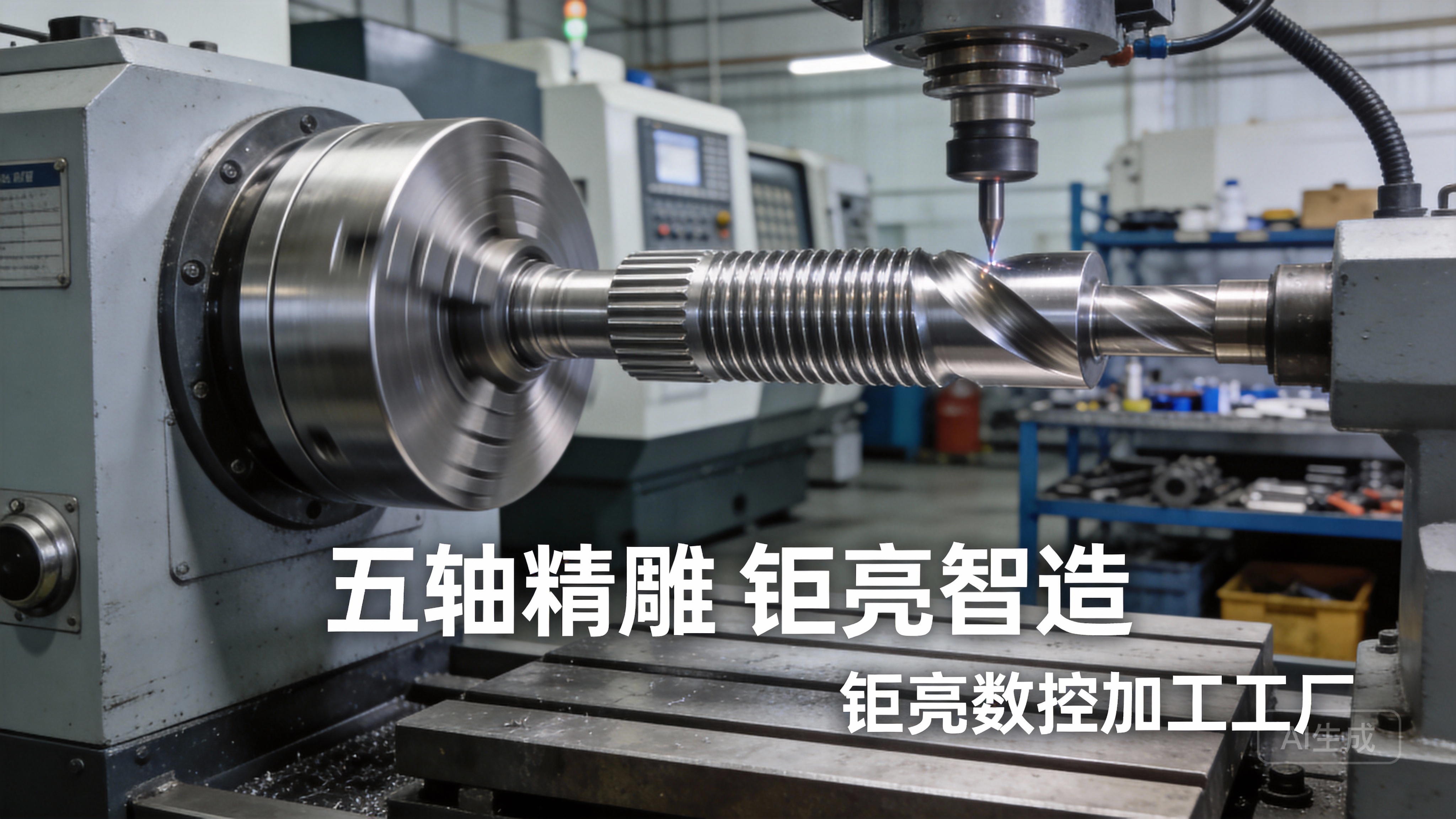
For companies seeking to scale their metal 3D printing programs while avoiding the fragmentation and quality inconsistencies of multi‑vendor chains, a factory‑direct, full‑chain partner becomes an invaluable extension of their own engineering team. Partnering with an experienced provider like GreatLight Metal ensures your Professional Bulk Metal 3D Printing OEM projects move from design to delivery with unmatched precision and reliability.



















