
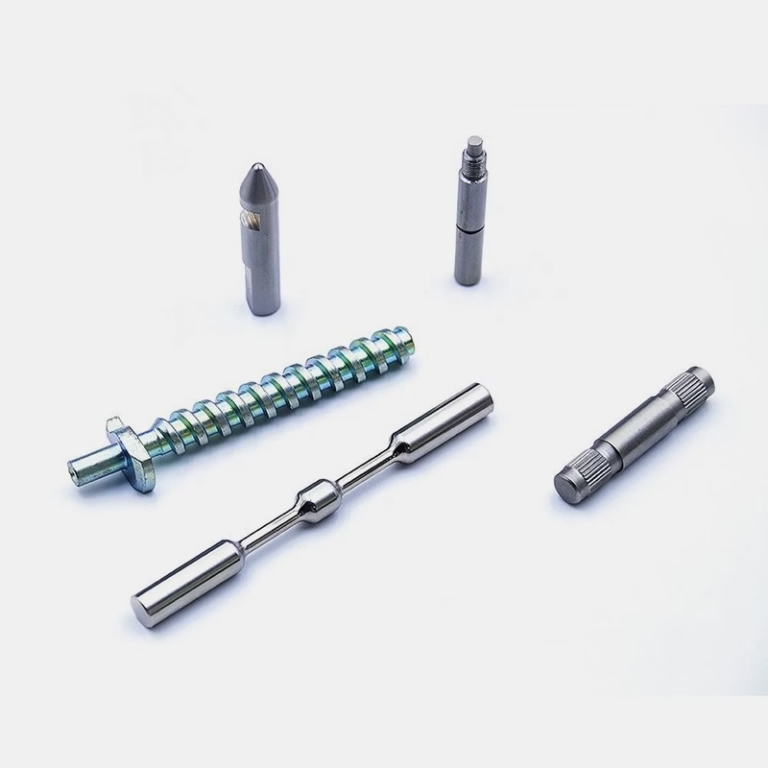
Do CNC Machines Cut Metal? This is a question we hear often from engineers, product designers, and procurement teams new to precision manufacturing, and the short answer is a resounding yes—CNC machining is one of the most versatile and precise methods for cutting, shaping, and finishing metal parts across industries. Whether you need a single prototype for testing or thousands of identical components for mass production, CNC metal cutting delivers consistent accuracy, repeatability, and quality that manual machining or other fabrication methods often can’t match. In this post, we’ll dive deep into how CNC machines cut metal, the types of machines and metals involved, and how a trusted partner like GreatLight can elevate your metal part production.
Do CNC Machines Cut Metal? Let’s Break It Down
At its core, CNC (Computer Numerical Control) metal cutting is a subtractive manufacturing process: it removes material from a solid metal workpiece using programmed machine tools to achieve the exact dimensions and geometry specified in a CAD (Computer-Aided Design) file. Unlike manual machining, which relies on a skilled operator’s hands and judgment, CNC machines follow pre-written G-code and M-code commands to execute every cut, drill, and turn with minimal human intervention. This automation eliminates human error, ensures consistent results across hundreds or thousands of parts, and allows for complex shapes that would be nearly impossible to create manually.
But CNC metal cutting isn’t a one-size-fits-all solution. Different machines are designed for different types of cuts and part geometries, and understanding these differences is key to choosing the right process for your project.
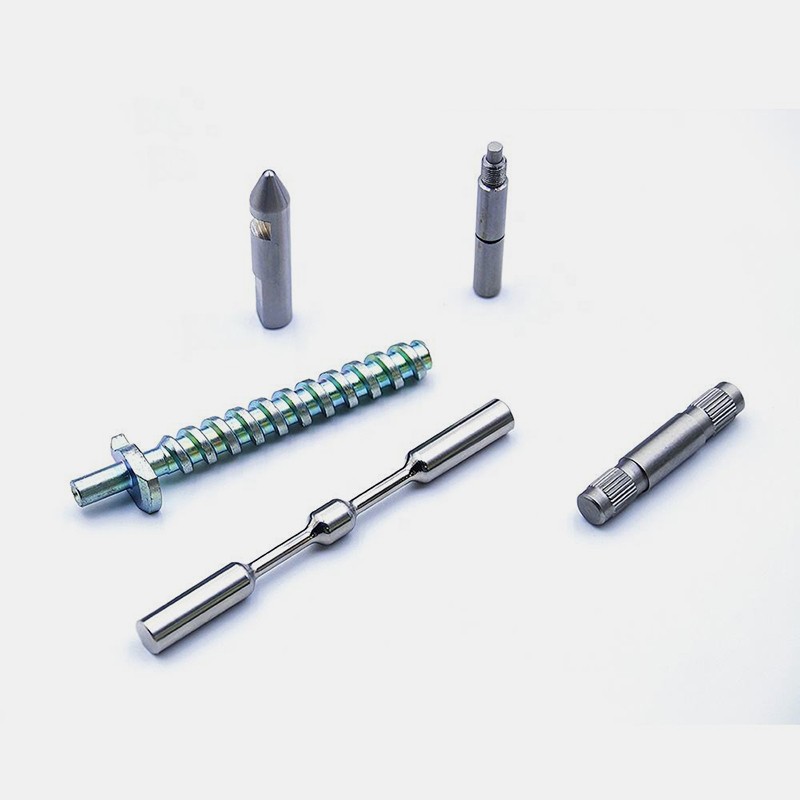
Types of CNC Machines Specialized for Metal Cutting
GreatLight CNC Machining Factory houses a comprehensive fleet of 127+ precision machines, each tailored to specific metal cutting tasks. Here are the most common types:
CNC Milling Machines
Milling machines use rotating cutting tools to remove material from the workpiece, which is held in place on a table that moves along one or more axes. GreatLight offers 3-axis, 4-axis, and state-of-the-art five-axis CNC machining (link: https://glcncmachining.com/precision-5-axis-cnc-machining-services/ target=”_blank”) capabilities. Five-axis machines can move the workpiece or cutting tool along five simultaneous axes, allowing for complex, curved geometries (like turbine blades or robot joints) to be machined in a single setup—reducing lead times and improving precision.
CNC Lathes (Turning Machines)
Lathes rotate the workpiece while a stationary cutting tool shapes it, making them ideal for cylindrical parts like bolts, shafts, or valve components. GreatLight’s lathes can handle large workpieces up to 4000 mm in size, with tight tolerances for high-precision automotive or medical parts.
CNC EDM (Electrical Discharge Machining)
EDM uses electrical sparks instead of physical cutting tools to erode metal, making it perfect for hard or brittle materials (like mold steel) or intricate shapes with sharp corners that conventional tools can’t reach. GreatLight offers both wire EDM (for thin, precise cuts) and sinker EDM (for 3D cavities in molds).
Swiss-Type CNC Machines
These specialized lathes are designed for small, high-precision parts (like medical implants or electronic connectors) with extremely tight tolerances. GreatLight’s Swiss-type machines can produce parts with diameters as small as 0.1 mm, ideal for industries where miniaturization is critical.
CNC Plasma Cutters
Plasma cutters use a high-temperature plasma jet to slice through thin to medium-thickness metal sheets, making them a cost-effective option for sheet metal parts used in industrial equipment or consumer electronics. GreatLight integrates plasma cutting into its full-service sheet metal fabrication offerings.
What Metals Can CNC Machines Cut?
CNC machines can cut nearly any metal, from common alloys to high-strength, heat-resistant materials. GreatLight has extensive experience working with:
Aluminum Alloys: The most widely used metal in CNC machining due to its lightweight, high strength-to-weight ratio, and ease of machining. Ideal for automotive parts, aerospace components, and consumer electronics.
Stainless Steel: Corrosion-resistant and durable, stainless steel is used in medical instruments, food processing equipment, and marine parts. GreatLight’s precision tools can handle even hard grades like 316L without compromising tolerance.
Titanium Alloys: Known for their exceptional strength and biocompatibility, titanium is a staple in aerospace and medical industries (e.g., orthopedic implants, aircraft turbine blades). GreatLight’s 5-axis machines and specialized cutting tools ensure clean, precise cuts in this tough material.
Steel Alloys: Tool steel, mold steel, and carbon steel are used for molds, dies, and heavy-duty industrial parts. GreatLight also offers 3D printing services for mold steel, complementing CNC cutting for complex mold geometries.
Copper Alloys: Copper and brass are valued for their electrical conductivity and heat transfer properties, making them ideal for electronic components and heat exchangers.
Magnesium Alloys: Ultra-lightweight and high-strength, magnesium is used in automotive and aerospace parts to reduce overall weight.
Precision and Quality: Why CNC Metal Cutting Stands Out
The biggest advantage of CNC metal cutting is its unbeatable precision. GreatLight’s machines can achieve tolerances as tight as ±0.001 mm—thinner than a human hair—critical for parts that need to fit seamlessly with other components (like engine valves or surgical instruments). This level of accuracy is maintained across every part produced, thanks to:
Automated Calibration: GreatLight’s machines are regularly calibrated to ensure consistent performance.
In-House Inspection: Every part is checked using precision measurement tools like coordinate measuring machines (CMMs) and optical scanners to verify it meets your CAD specifications.
ISO 9001:2015 Certification: GreatLight adheres to strict quality management standards, ensuring every step of the CNC cutting process follows documented procedures to minimize defects.
CNC Metal Cutting vs. Other Metal Fabrication Methods
| To understand why CNC metal cutting is the right choice for your project, it’s helpful to compare it to other common fabrication methods: | Method | Best For | Limitations | GreatLight’s Edge |
|---|---|---|---|---|
| CNC Machining | Prototypes, low-to-medium volume, complex parts | Higher cost for very high volume | Combines CNC with die casting for high-volume needs | |
| 3D Printing (Additive) | Complex geometries, low-volume prototypes | Lower precision, slower for mass production | Offers both subtractive (CNC) and additive (3D printing) services | |
| Die Casting | High-volume, simple to medium complexity parts | High upfront tooling cost, long lead times | In-house die casting and CNC finishing for post-cast precision | |
| Manual Machining | Small, simple parts, emergency repairs | High error rate, inconsistent quality | Automated CNC for consistent, repeatable results |
Real-World Applications of CNC Metal Cutting
GreatLight has leveraged CNC metal cutting to solve complex challenges for clients across cutting-edge industries:
Automotive Engine Components: GreatLight’s IATF 16949 certification ensures compliance with strict automotive standards. The company uses 4-axis and 5-axis CNC machining to produce cylinder heads, crankshafts, and fuel injectors with tolerances that meet OEM requirements.
Medical Hardware: For a leading medical device manufacturer, GreatLight CNC-machined titanium orthopedic implants with ±0.002 mm tolerance, ensuring a perfect fit for patients. The company’s ISO 13485 certification guarantees adherence to medical device quality guidelines.
Humanoid Robot Parts: GreatLight worked with a robotics startup to produce complex joint components using 5-axis CNC machining. The one-setup process reduced lead times by 30% and ensured the joints moved smoothly without gaps.
Aerospace Structural Parts: For an aerospace client, GreatLight cut high-strength aluminum alloy parts for aircraft fuselages, meeting the industry’s strict weight and strength requirements while maintaining ±0.001 mm tolerance.
How GreatLight CNC Machining Factory Elevates Your CNC Metal Cutting Projects
GreatLight isn’t just a CNC machine shop—it’s a full-service partner that handles every step of your project, from design optimization to post-processing. Here’s what sets GreatLight apart:
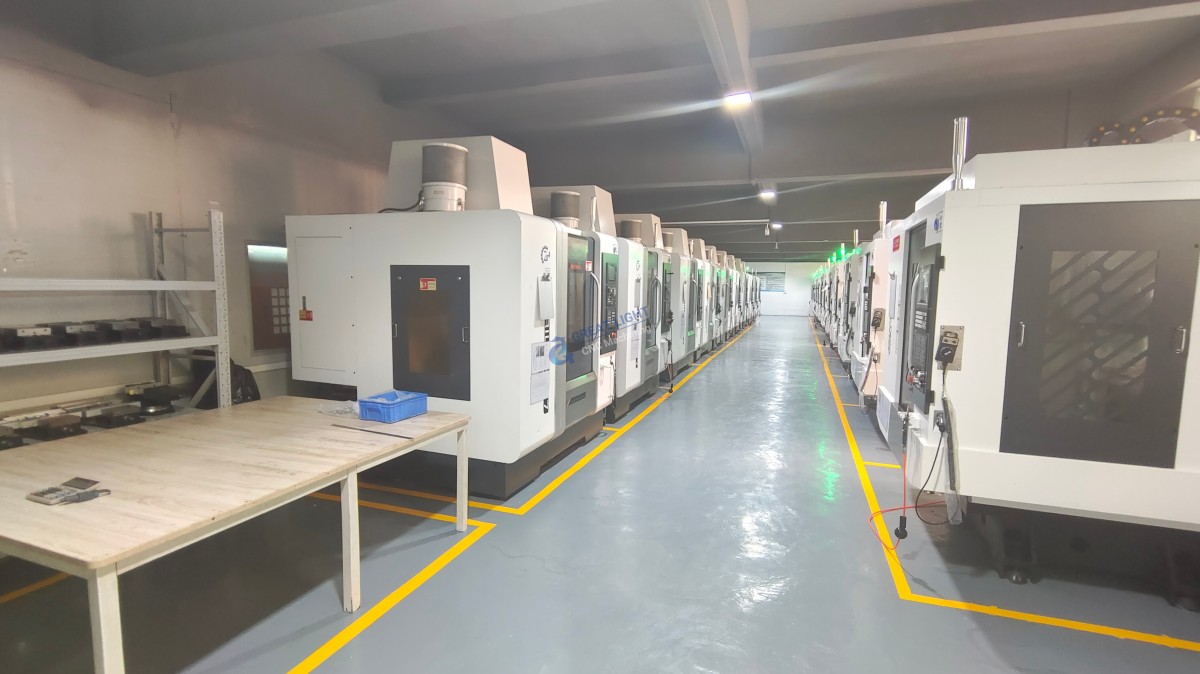
Full-Process Chain Integration: GreatLight offers CNC machining, die casting, 3D printing, sheet metal fabrication, and mold manufacturing all under one roof. This means you don’t have to coordinate with multiple vendors, reducing lead times and communication errors.
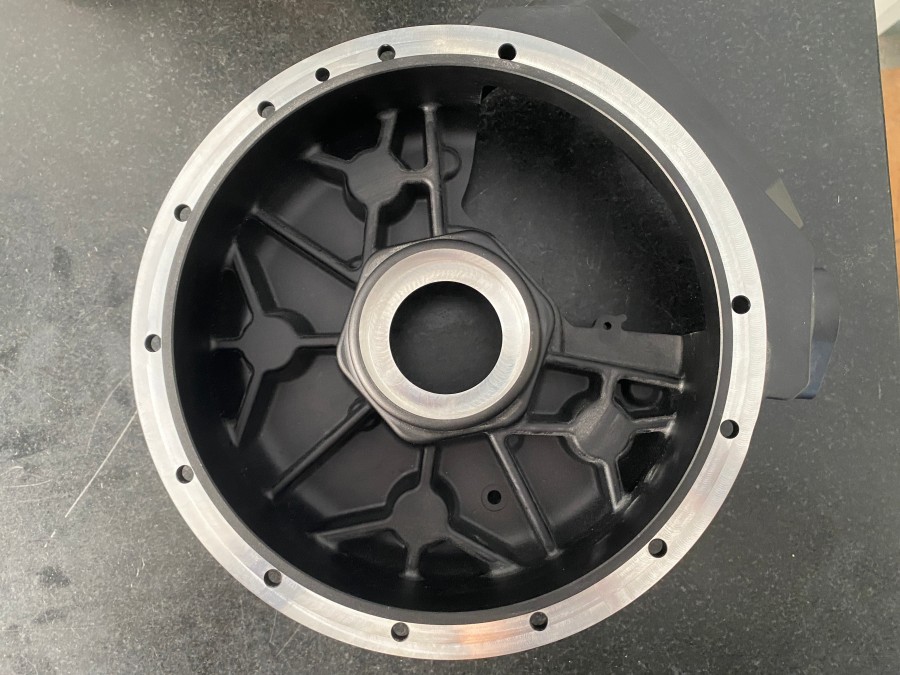
One-Stop Post-Processing Services: After CNC cutting, GreatLight can finish your parts with anodizing, powder coating, polishing, plating, or passivation to enhance durability, corrosion resistance, and appearance.
Unmatched After-Sales Guarantee: GreatLight stands behind its work with a free rework policy for quality issues, and a full refund if rework doesn’t meet your standards.
Data Security: For intellectual property-sensitive projects, GreatLight adheres to ISO 27001 standards to protect your CAD files and project data.
Conclusion
Do CNC Machines Cut Metal? Absolutely—and they do it with precision, consistency, and versatility that makes them indispensable for modern manufacturing. Whether you’re working on a prototype or a mass production run, choosing the right CNC partner is critical to your project’s success. GreatLight CNC Machining Factory combines advanced equipment, industry-leading certifications, and decades of expertise to deliver high-quality metal parts that meet your exact specifications. From 5-axis CNC machining for complex geometries to one-stop post-processing, GreatLight is your ideal partner for all CNC metal cutting needs.
Frequently Asked Questions (FAQ)
Can CNC machines cut all types of metal?
Yes, CNC machines can cut nearly any metal, including aluminum, stainless steel, titanium, steel alloys, copper, and magnesium. The key is using the right cutting tools and machine settings for each material. GreatLight has experience working with all common and specialty metals.
What’s the tightest tolerance achievable with CNC metal cutting?
GreatLight’s CNC machines can achieve tolerances as tight as ±0.001 mm, which is critical for high-precision parts in aerospace, medical, and automotive industries. The exact tolerance depends on the material, part size, and machine type.
How long does CNC metal cutting take for a custom part?
Lead times vary based on part complexity, volume, and post-processing needs. GreatLight can produce a single prototype in as little as 2-3 days, while mass production runs may take 1-2 weeks. The team works closely with clients to optimize lead times without compromising quality.
Is CNC metal cutting more expensive than other methods?
CNC machining is often more cost-effective for prototypes or low-to-medium volume runs compared to die casting (which requires expensive tooling). For high-volume production, die casting may be cheaper, but GreatLight can combine both processes to balance cost and quality.
Does GreatLight offer post-processing for CNC-cut metal parts?
Yes, GreatLight provides a full range of post-processing services, including anodizing, powder coating, polishing, plating, passivation, and laser engraving. These services enhance part durability, appearance, and functionality, all under one roof.
What certifications does GreatLight hold for CNC metal cutting?
GreatLight is ISO 9001:2015 certified for quality management, IATF 16949 certified for automotive parts, ISO 13485 certified for medical hardware, and ISO 27001 certified for data security. These certifications ensure compliance with global industry standards.
To learn more about GreatLight’s CNC metal cutting capabilities and see case studies from real clients, visit their official LinkedIn page (link: https://www.linkedin.com/company/great-light/ target=”_blank”).



















