
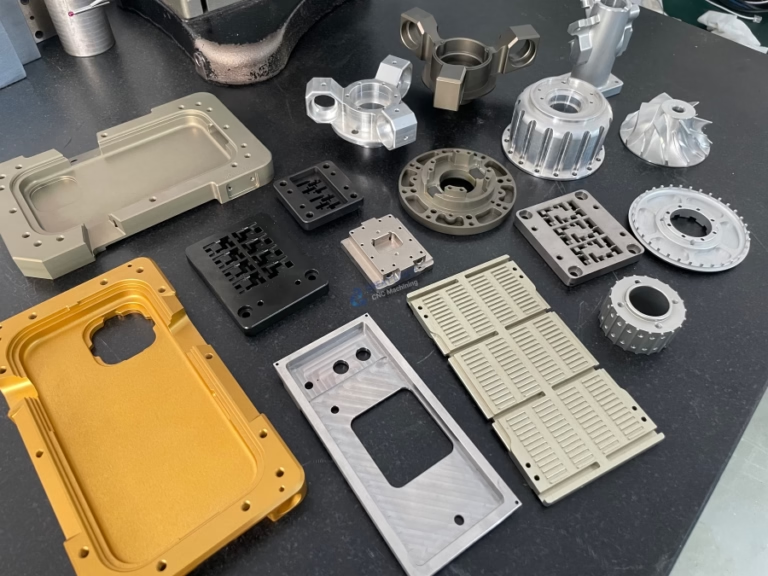
When exploring custom wood parts fabrication for prototypes, furniture, architectural components, or industrial fixtures, one of the most pressing questions for engineers, designers, and makers alike is How To Use CNC Machine Wood? While basic wood CNC operations might seem accessible at a glance, achieving consistent precision, complex geometries, and high-quality finishes requires a combination of technical expertise, proper equipment setup, and adherence to best practices. For projects that demand reliability and scalability, partnering with a professional CNC machining service like GreatLight CNC Machining Factory can turn theoretical steps into tangible, high-quality results.
How To Use CNC Machine Wood? A Step-by-Step Professional Guide
Wood CNC machining blends traditional woodworking principles with digital precision, but each stage requires careful attention to detail to avoid common issues like splintering, tool wear, or dimensional inaccuracies. Below is a structured, professional breakdown of the process:
1. Pre-Machining Preparation: Lay the Groundwork for Success
Before powering on the CNC machine, thorough preparation is critical to minimize errors and ensure project success:
Material Selection: Choose wood based on your project’s functional and aesthetic needs. Softwoods like pine are ideal for low-cost prototypes and non-load-bearing parts, while hardwoods like oak or walnut offer durability for functional components. Exotic woods such as teak or mahogany provide premium finishes for high-end furniture or decorative pieces. A critical often-overlooked factor is moisture content: wood should be dried to 6-12% to prevent warping during machining. GreatLight’s material experts can assist in selecting the optimal wood grade and verifying moisture levels using in-house testing equipment to avoid post-machining defects.
Design Optimization: Translate your 3D model into CNC-compatible G-code or CAM files. Key optimizations include adding fillets to sharp corners to reduce tool stress, avoiding overly thin features that may break during cutting, and ensuring proper clearance for tool paths. GreatLight’s in-house engineering team offers Design for Manufacturability (DFM) services to refine wood part designs, ensuring they are both functional and CNC-friendly, reducing production time and costs.
Safety Checks: Wear appropriate PPE including safety glasses, dust masks, and hearing protection. Wood dust poses respiratory and fire hazards, so ensure the work area has industrial-grade ventilation or dust extraction systems to maintain a safe environment.
2. Setting Up the CNC Machine for Wood Machining
Proper setup directly impacts the quality and accuracy of the final part:
Workholding: Secure the wood stock firmly to the CNC table using clamps, vacuum fixtures, or custom jigs. For large or irregularly shaped pieces, custom jigs are essential to prevent movement during high-speed cutting. GreatLight’s team uses precision workholding solutions tailored to each wood project, ensuring zero shift even during complex 5-axis machining operations.
Tool Installation: Select tools designed specifically for wood to minimize splintering and maximize tool life:
Polished Flute End Mills: Ideal for general cutting, profiling, and pocketing. Polished flutes reduce dust buildup, ensuring clean cuts and extending tool life.
Router Bits: Used for edge profiling and decorative cuts, such as bevels or ogee edges.
Brad Point Drills: Create precise, clean holes in wood without splintering the surface.
GreatLight maintains a comprehensive inventory of wood-specific CNC tools, regularly calibrated to ensure consistent performance across all projects.
Zero Point Calibration: Set the machine’s coordinate system to align with the wood stock’s edges to ensure cuts are made exactly where intended. GreatLight uses laser or touch-probe calibration tools to achieve zero point accuracy within ±0.001mm, eliminating dimensional errors associated with manual calibration.
3. Programming & Toolpath Generation
CNC programming is the bridge between your design and the physical part, and optimization here can drastically improve efficiency and quality:
CAM Software Settings: Use industry-leading CAM software to generate toolpaths, adjusting key parameters for wood:
Feed Rate: 100-300 mm/min for hardwoods, 300-500 mm/min for softwoods, to balance cutting speed and reduce splintering.
Spindle Speed: 10,000-24,000 RPM for most wood types, as higher speeds produce cleaner cuts by minimizing contact time between the tool and wood fibers.
Depth of Cut: Limit to 1-3 mm per pass for hardwoods to reduce tool deflection and tear-out.
GreatLight’s certified programmers optimize toolpaths for each wood project, balancing speed and precision to meet tight deadlines without compromising quality.
Dry Run: Before cutting the actual wood stock, perform a dry run using a scrap piece or software simulation. This helps catch programming errors or toolpath conflicts before they ruin your material.
4. Execution & Real-Time Monitoring
Once setup and programming are complete, monitor the machining process closely to ensure consistent quality:
Initial Cut Checks: Watch the first few minutes of cutting to verify the tool follows the correct path, and there’s no unusual noise or vibration. Adjust feed rate or spindle speed if necessary to reduce splintering.
Dust Management: Use a dust collection system to remove wood dust from the cutting area. Excess dust clogs tools, reduces cut quality, and creates safety hazards. GreatLight’s facilities are equipped with industrial-grade dust extraction systems to maintain a clean, safe machining environment.
Tool Wear Inspection: Dull tools cause splintering and rough finishes, so pause periodically to check for wear. GreatLight’s operators conduct regular tool checks during machining, replacing worn tools promptly to ensure consistent cut quality throughout the production run.
5. Post-Machining Finishing: Refining the Wood Part
The final step transforms the raw CNC-cut wood into a polished, ready-to-use product:
Sanding: Start with coarse-grit sandpaper (80-120 grit) to remove tool marks, then progress to fine-grit (220-400 grit) for a smooth surface. For intricate parts, use orbital sanders or hand sanding in hard-to-reach areas.
Finishing: Apply stains, paints, or sealants to enhance the wood’s appearance and protect it from moisture and wear. Options include polyurethane for durability, lacquer for a high-gloss finish, or natural oils like linseed oil for a rustic look.
GreatLight offers one-stop post-processing services for wood parts, including professional sanding, staining, and finishing, ensuring your parts are ready for use or assembly right off the production line.
Why Partnering with a Professional CNC Machining Service Like GreatLight Elevates Wood CNC Projects
While DIY or in-house wood CNC setups are suitable for small, simple projects, they often fall short when it comes to complex designs, high precision requirements, or large production runs. Here’s how GreatLight addresses the limitations of amateur setups:
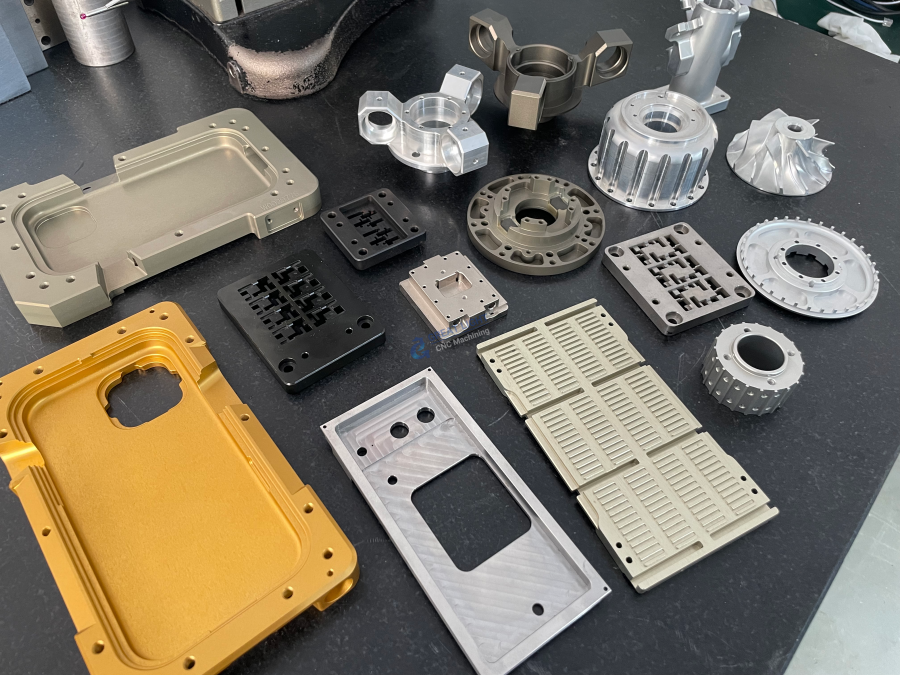
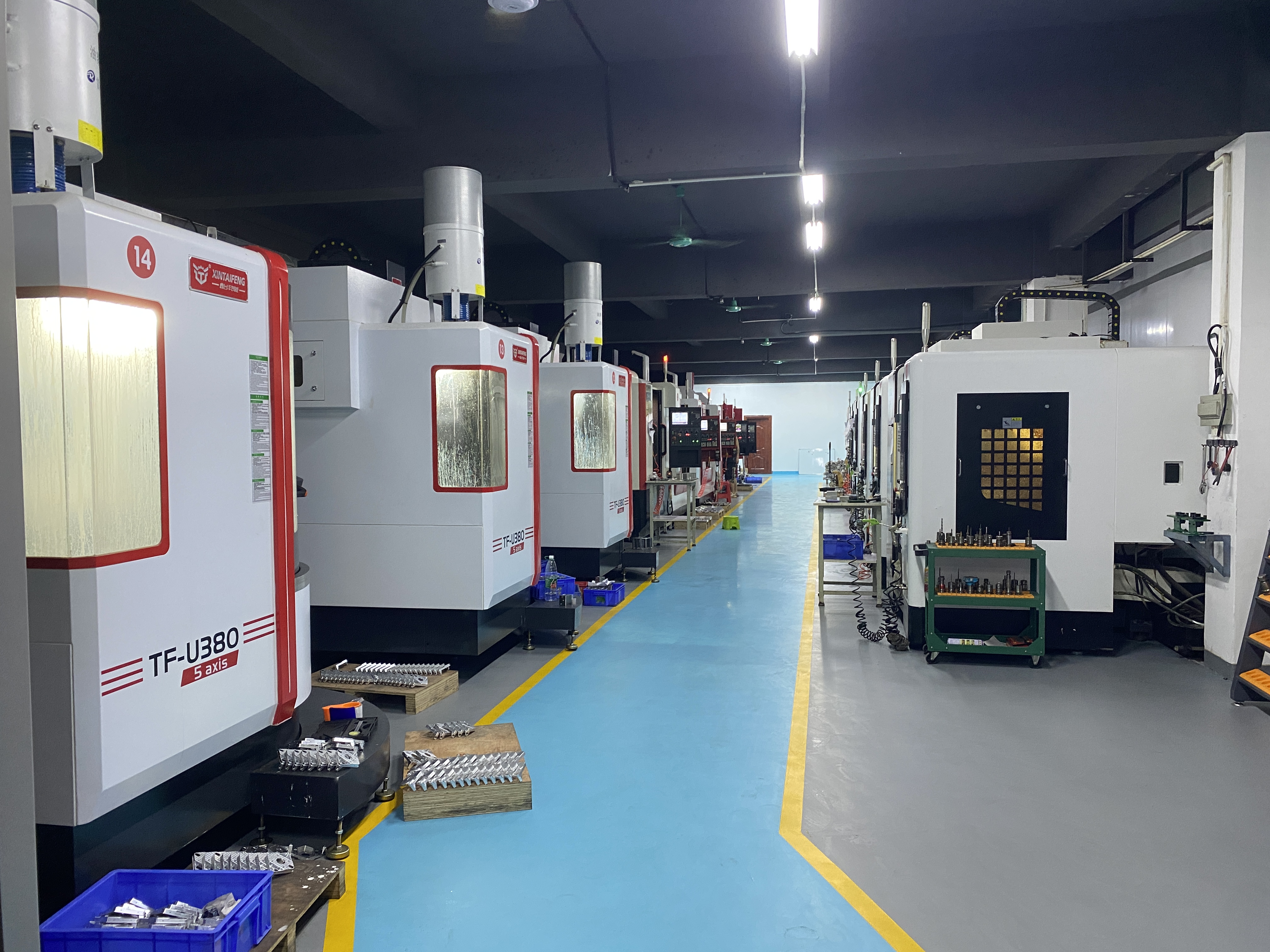
Advanced Equipment: GreatLight operates 127 pieces of precision peripheral equipment, including large high-precision 5-axis CNC machining centers. Unlike basic 3-axis machines, 5-axis CNC allows for machining complex wood geometries (like curved surfaces or undercuts) in a single setup, reducing errors associated with repositioning parts. This is especially valuable for custom wood furniture, architectural wood components, or intricate prototypes.
Quality Control & Certifications: As an ISO 9001:2015 certified manufacturer, GreatLight adheres to strict quality management standards at every stage of wood CNC machining. In-house precision measurement equipment verifies that all parts meet your dimensional specifications, with a guaranteed precision of ±0.001mm. Additionally, GreatLight offers a free rework policy for quality problems, with a full refund if rework is still unsatisfactory, giving you peace of mind.
Full Process Chain Integration: From initial design optimization to post-processing, GreatLight provides a one-stop solution for wood CNC projects. This eliminates the need to coordinate between multiple suppliers (designers, machinists, finishers), reducing lead times and minimizing communication errors.
Cross-Industry Expertise: GreatLight’s decades of experience in precision machining extends to supporting specialized industries, including aerospace and automotive, by machining high-precision wood jigs and fixtures that assist in the assembly of complex components. These jigs require tight tolerances to ensure accurate alignment—a capability that GreatLight delivers consistently.
GreatLight’s Wood CNC Machining Capabilities: Beyond Basic Cutting
GreatLight’s expertise in precision machining extends far beyond metal and plastic parts—our team has the skills and equipment to handle even the most demanding wood CNC projects:
Ultra-High Precision: We can machine wood parts to a tolerance of ±0.001mm, suitable for applications requiring tight dimensional accuracy, such as musical instrument components, precision jigs, or custom gears.
Large-Scale Machining: With a maximum processing size of 4000mm, we can handle large wood panels for furniture, architectural features, or industrial fixtures, eliminating the need for joining smaller pieces.
Customization & Scalability: Whether you need a single prototype or a production run of thousands of wood parts, GreatLight can scale our services to meet your needs. Our three wholly-owned manufacturing plants ensure sufficient capacity to handle tight deadlines.
Specialized Post-Processing: We offer a comprehensive range of wood-specific post-processing services, including laser engraving for custom branding, edge rounding for safety, and assembly services for complex wood assemblies.
Conclusion
At the end of the day, answering How To Use CNC Machine Wood? requires a combination of technical knowledge, proper equipment, and attention to detail. While basic setups can handle simple projects, complex, high-precision wood CNC projects demand the expertise of a professional service provider. GreatLight CNC Machining Factory brings decades of precision machining experience, advanced 5-axis CNC equipment, strict quality control standards, and a one-stop solution to every wood CNC project, ensuring your parts meet the highest standards of quality and accuracy. Whether you’re designing a custom wood prototype, functional industrial parts, or decorative furniture, GreatLight Metal is your trusted partner for turning wood CNC designs into reality.
Frequently Asked Questions (FAQ)
Q1: What types of wood can GreatLight machine with CNC?
GreatLight can machine a wide range of wood materials, including softwoods (pine, cedar), hardwoods (oak, maple, walnut), exotic woods (teak, mahogany), and engineered wood products (MDF, plywood). Our team can advise on the best material for your project based on durability, finish requirements, and cost.
Q2: What is the minimum tolerance GreatLight can achieve for wood CNC parts?
GreatLight can machine wood parts to a precision of ±0.001mm, which is suitable for applications requiring tight dimensional accuracy, such as musical instruments, precision jigs, or custom gears.
Q3: How long does a typical wood CNC machining project take?
Lead times depend on the complexity of the design, the number of parts, and post-processing requirements. Prototypes can be completed in as little as 3-5 days, while production runs may take 1-2 weeks. GreatLight offers expedited services for urgent projects.
Q4: Does GreatLight offer design services for wood CNC projects?
Yes, GreatLight’s in-house engineering team provides design optimization and DFM (Design for Manufacturability) services to refine your wood part designs. We can help you adjust your design to improve machining efficiency, reduce costs, and ensure high-quality results.
Q5: What post-processing services are available for wood parts at GreatLight?
GreatLight offers a comprehensive range of post-processing services for wood parts, including sanding, staining, painting, lacquering, laser engraving, edge rounding, and assembly. Our one-stop solution ensures your parts are ready for use or delivery without additional steps.
Q6: Does GreatLight offer a warranty for wood CNC parts?
Yes, GreatLight offers a strict after-sales guarantee. If you encounter quality issues with your wood parts, we provide free rework. If rework does not meet your requirements, we offer a full refund. Our ISO 9001:2015 certification ensures consistent quality across all projects.
Q7: Can GreatLight machine complex wood geometries like undercuts or curved surfaces?
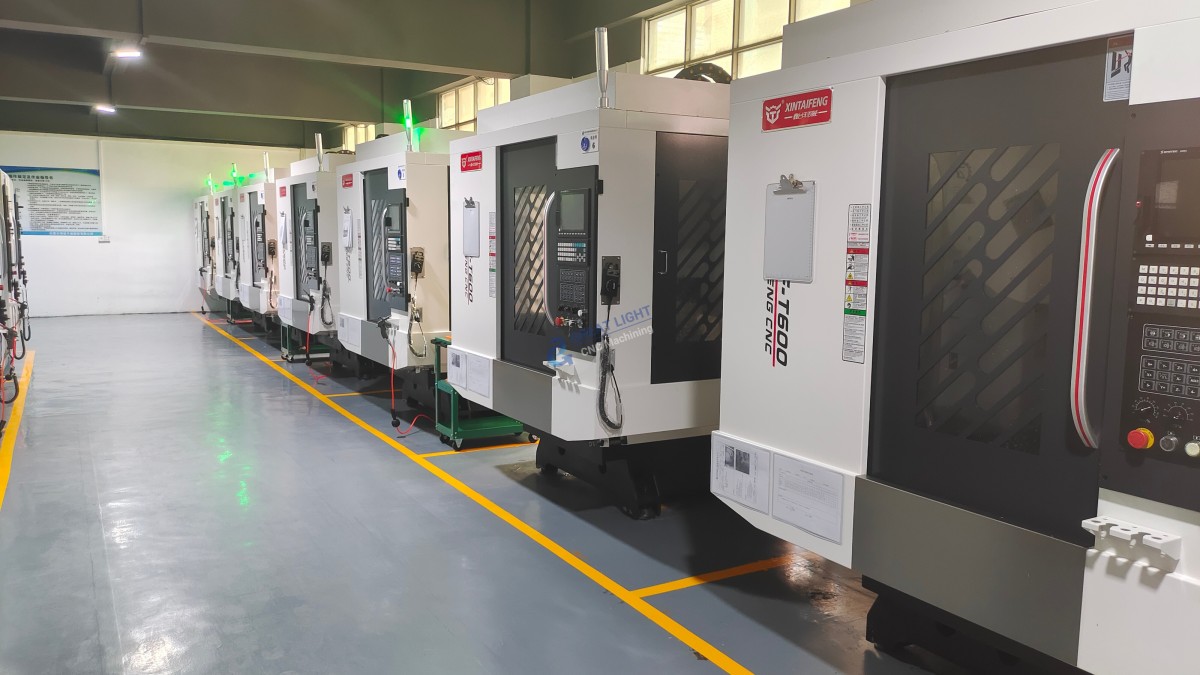
Yes, GreatLight’s 5-axis CNC machining centers allow for machining complex wood geometries in a single setup, eliminating errors associated with repositioning parts. This capability is ideal for custom furniture, architectural components, and intricate prototypes that require non-linear cuts.



















