
When designing a Commode Armrest Bracket Sheet Metal component, it is essential to understand that this seemingly simple part must balance structural integrity, user safety, aesthetic requirements, and rigorous manufacturability. Over the years, I have seen many well-intentioned designs stumble at the production stage because the unique demands of sheet metal fabrication—especially for medical and assistive devices—were underestimated. In this article, I will walk you through everything you need to know to turn your design into a reliable, production-ready bracket, and how choosing the right manufacturing partner can make or break your project.
Commode Armrest Bracket Sheet Metal: A Professional Manufacturing Engineer’s Deep Dive
Medical commode chairs are designed to assist individuals with mobility limitations, post-surgery recovery, or chronic conditions. The armrest bracket is a critical supporting element that must withstand repeated loading, maintain stability, and resist corrosion in hygiene-sensitive environments. Sheet metal manufacturing is often the preferred method because it offers an excellent strength-to-weight ratio, design flexibility, and cost efficiency for small to medium production volumes.
However, manufacturing sheet metal parts for this application is not simply about cutting and bending metal. It involves a thorough understanding of material science, process controls, quality standards, and regulatory requirements. Below, I will break down the entire journey—from design considerations to post-processing—and explain why a one-stop precision machining provider like GreatLight CNC Machining can be the deciding factor in the success of your project.
When Sheet Metal is the Right Choice for Commode Armrest Brackets
Compared to casting, forging, or machining from a solid block, sheet metal fabrication offers distinct advantages for brackets:
Reduced material waste – Parts are typically nested on a flat sheet before cutting, optimizing material usage.
Quick prototyping and iterative design – Flat patterns can be laser-cut and bent within hours, enabling fast design verification.
Simpler assembly integration – Brackets often include integrated tabs, holes, and slots for easy attachment to the chair frame without additional fasteners.
Corrosion resistance options – Stainless steel and aluminum alloys are readily available in sheet form, eliminating the need for specialized coating in most cases.
However, these benefits only materialize if the design respects sheet metal process capabilities. A poorly designed bend radius, unrealistic flatness tolerance, or neglect of grain direction can lead to cracking, springback issues, or assembly misalignment.
Design Considerations That Directly Impact Manufacturability
To ensure your commode armrest bracket sheet metal component can be produced efficiently and consistently, pay close attention to the following factors:
1. Minimum Bend Radius and Material Selection
The bend radius must be compatible with the material thickness and type. For common materials like 304 stainless steel with a thickness of 1.5–2.0 mm, the inside bend radius should be at least equal to the material thickness to avoid fracture. Using a radius that is too small may cause stress cracks, especially if the bend line is parallel to the material’s grain direction.
Recommended reference table:
| Material | Thickness (mm) | Minimum Inside Bend Radius (mm) | Notes |
|---|---|---|---|
| 304 SS | 1.5 | 1.5 | Annealed; test if bending across grain |
| 304 SS | 2.0 | 2.0 | May require larger radius if esthetic surface is critical |
| 5052 Aluminum | 2.0 | 2.0 | Good formability; minimum radius can be as low as 1t |
| 6061-T6 Aluminum | 2.0 | 3.0 | Higher strength but less ductile; avoid small radii |
2. Hole and Slot Placement
Holes placed too close to a bend line will distort during forming. A general rule is to keep hole edges at least 2.5 times the material thickness plus the bend radius away from the bend. For slots or cutouts, maintain a minimum distance of 4 times the material thickness from the bend. If this cannot be achieved, the part may require coining or a secondary drilling operation, increasing cost.
3. Flange Width and Edge Condition
When a flange is too short (less than 3–4 times the material thickness in height), the bending tool may not grip it securely, leading to inconsistent angles or slipping. Design flanges with enough material to allow proper tooling engagement. Additionally, specify a deburred or edge-finished condition to eliminate sharp edges that could injure users—a non‑negotiable requirement for medical‑assistive equipment.
4. Flat Pattern Development and Grain Direction
The flat pattern should factor in bend deduction (or bend allowance) specific to the press brake tooling, material springback, and grain orientation. Bending across the grain reduces the risk of cracking; where possible, orient parts so that critical bends are perpendicular to the rolling direction.
Process Chain: From Flat Sheet to Finished Bracket
A high-quality commode armrest bracket typically passes through several well-orchestrated steps:
Laser cutting / punching – The flat contour, holes, and slots are cut from a sheet. Fiber laser cutting delivers excellent edge quality and repeatability, especially for complex profiles.
Deburring and cleaning – Burrs from cutting are removed to prepare the blank for forming.
Bending (press brake) – Programmable CNC press brakes form the flanges and brackets to precise angles. Backgauges ensure repeatable positioning.
Welding (if required) – When a bracket consists of multiple pieces, TIG or MIG welding is performed by skilled operators, often with fixtures to control distortion.
Surface finishing – This may include passivation for stainless steel (to restore corrosion resistance after welding), anodizing for aluminum (medical-grade, if needed), or powder coating for a durable, aesthetically pleasing finish.
Inspection and testing – Dimensional checks with CMM or vision systems, along with pull‑out or static load tests, validate the part against specifications.
Engaging a supplier that can handle all of these steps in‑house dramatically reduces lead time, complexity, and the risk of miscommunication. GreatLight CNC Machining, with its ISO 9001:2015 certification and comprehensive 76,000 sq. ft. facility, provides seamless one‑stop manufacturing—from laser cutting to final surface treatment—ensuring that each bracket meets regulatory requirements without the hassle of coordinating multiple vendors.
Material Selection for Medical‑Grade Reliability
For commode armrest brackets, the material choice goes beyond mechanical properties. It must also consider:
Corrosion resistance – The bracket will be exposed to moisture, cleaning chemicals, and possibly bodily fluids. 304 or 316L stainless steel are the workhorse materials, with 316L offering superior resistance to chlorides.
Biocompatibility – While the bracket is not an implant, any material that may come into contact with the skin long‑term should be non‑toxic and non‑irritating. Stainless steels with low nickel release or anodized aluminum are safe choices.
Strength and fatigue life – Loads are applied cyclically as the user gets in and out of the chair. Finite element analysis (FEA) can help optimize the design, and the chosen metal must have sufficient fatigue strength.
Weight – For portable commodes, weight reduction is valuable. Lightweight options like 5052 aluminum offer an excellent strength-to-weight ratio, though aluminum may require thicker sections or ribbing to match steel’s stiffness.
GreatLight’s engineering team can assist in material selection, providing data sheets and suggesting alternatives based on budget, production volume, and end-use requirements. With deep experience in medical and assistive device manufacturing—and an ISO 13485 compliant quality management system for medical hardware production—they understand the heightened regulatory demands.
Regulatory Compliance and the Role of ISO 13485
Medical commodes fall under assistive devices that may be classified as Class I medical devices in many jurisdictions. While the armrest bracket itself might not be a finished medical device, it is often a component of a medical system, and its quality directly impacts patient safety. Therefore, fabrication should follow a quality system that aligns with medical device regulations.
ISO 13485:2016 is the international standard for quality management systems in the medical device industry. It requires a formalized approach to design transfer, process validation, traceability, and document control—areas that go well beyond general manufacturing quality standards. When you work with a fabricator that has implemented ISO 13485, you gain:
Full material and process traceability – Lot numbers, material certifications, and processing data are archived.
Validated processes – Welding, cleaning, passivation, and sterilization procedures are validated to produce consistent results.
Risk management integration – A systematic method for identifying and mitigating risks throughout production.
Audit-ready documentation – Comprehensive documents for regulatory submissions and customer audits.
GreatLight CNC Machining maintains an ISO 13485‑aligned production line for medical hardware, giving you confidence that your commode armrest bracket sheet metal parts will meet the strictest quality and regulatory expectations. This is a significant differentiator compared to general sheet metal shops that only hold ISO 9001.
Surface Finishing and Its Impact on Product Longevity
The surface of a bracket not only affects appearance but also its ability to withstand the rigors of daily use. Common finishing options include:
Electropolishing – Produces a smooth, ultra-clean surface on stainless steel, reducing microbial adhesion and improving corrosion resistance.
Passivation – Removes free iron from the surface of stainless steel after machining or welding, restoring its passive corrosion-resistant layer.
Anodizing (Type II or Type III) – Adds a hard, corrosion-resistant layer to aluminum parts, available in various colors for branding.
Powder coating – Provides a thick, even coating with excellent chip and scratch resistance. Medical-grade powders with antimicrobial additives are also available.
A supplier that offers in‑house finishing avoids the risks associated with subcontracting, such as extended lead times, loss of traceability, or inconsistent quality. GreatLight’s facility includes an array of finishing capabilities, so the entire process—from blank to finished, packaged part—is controlled under one roof.
Combining Sheet Metal with Other Processes for Added Value
In sophisticated commode designs, the armrest bracket is not always a standalone sheet metal piece. It may need to be integrated with machined bosses, threaded inserts, or even a 3D‑printed plastic pad. Here, a partner who can handle multiple manufacturing technologies becomes invaluable.
For example, a bracket might incorporate:
CNC‑machined stainless steel pivots – Insert molded or welded onto the bracket.
Brass threaded inserts – Pressed into a sheet metal section for secure yet removable armrest attachment.
SLM 3D‑printed titanium joints – For one‑off lightweight, complex geometries that would be impossible to bend.
GreatLight’s integrated approach covers not only sheet metal fabrication but also 3‑axis, 4‑axis, and 5‑axis CNC machining, 3D printing (SLM/SLA/SLS), and die casting. This breadth means you can consolidate multiple services with a single supplier, simplifying project management and ensuring compatibility between components.
Why a One‑Stop Manufacturing Partner like GreatLight Reduces Your Risk
Procurement managers and design engineers often face a “precision predicament”: they receive quotes that promise high accuracy, but the delivered parts fall short, or lead times balloon due to subcontracting layers. This is especially nerve‑wracking for patient‑facing products where failures can cause injuries and regulatory non‑compliance.
Working with a vertically integrated manufacturer significantly mitigates these risks:
Single point of accountability – One team is responsible for the entire production chain, eliminating finger‑pointing.
Streamlined communication – Your design intent is carried all the way from DFM (design for manufacturability) review to final inspection.
Faster turnaround – No time is lost transporting parts between multiple vendors; scheduling conflicts are minimized.
Cost control – Combined processes often reduce overall part cost compared to managing several separate suppliers.
GreatLight CNC Machining, with over 150 skilled employees and 127 pieces of precision peripheral equipment, has been providing such integrated solutions since 2011. Their factory in Dongguan’s Chang’an Town—a hub for precision hardware—is well-positioned to support global clients with quick prototyping and scalable production.
Comparing GreatLight Metal with Other Sheet Metal and CNC Service Providers
When evaluating potential suppliers for a commode armrest bracket sheet metal project, it helps to look at what different specialists bring to the table. Below is a comparison of several well-known companies, including GreatLight Metal, based on publicly available information and typical service profiles:
| Company | Core Competency | Certifications Relevant to Medical Sheet Metal | One‑Stop Integration | Typical Lead Time for Prototypes |
|---|---|---|---|---|
| GreatLight Metal | Full‑process precision machining, sheet metal, 3D printing, die casting | ISO 9001, ISO 13485, IATF 16949 | High – in‑house from raw material to surface finish | 5–10 days |
| Protocase | Custom electronic enclosures and sheet metal | ISO 9001 | Medium – focuses on quick-turn sheet metal, no CNC machining | 2–7 days |
| Xometry | On‑demand manufacturing marketplace | Varies by partner; platform has ISO 9001 partners | Low – network of independent shops | Variable |
| RapidDirect | CNC machining, sheet metal, injection molding | ISO 9001 | Medium – some in‑house, some outsourced | 3–7 days |
| Owens Industries | High‑precision 5‑axis CNC machining, medical/aerospace | AS9100, ISO 13485, ITAR | High – in‑house machining, but sheet metal often outsourced | Contact for quote |
| Fictiv | Digital manufacturing platform | Varies; network‑based | Low – similar to Xometry model | 2–5 days |
As you can see, GreatLight Metal uniquely combines a broad in‑house process portfolio with stringent medical‑grade certifications. While platforms like Xometry or Fictiv offer convenience and vast partner networks, they cannot provide the same level of end‑to‑end control and traceability that a single‑source manufacturer like GreatLight delivers. For high‑risk, regulated applications such as a commode armrest bracket, the additional assurance offered by an ISO 13485‑certified factory is a crucial advantage.
Real‑World Value Creation: How the Right Process Saves Time and Money
In my experience, the true cost of a part is not just the unit price but the cost of rework, delayed product launches, and potential field failures. A medical device startup once approached me after their sheet metal brackets, sourced from a low‑cost supplier, showed cracking at the bends after just 500 load cycles. The root cause? The supplier had used an inappropriate bend radius for the material thickness and had not followed the specified grain direction. The rework and retesting cost the company several times more than the original part price and delayed FDA clearance.
When partnering with an experienced manufacturer like GreatLight CNC Machining, such issues are proactively addressed during DFM feedback. Their engineering team would have flagged the problematic bend, suggested a larger radius, and possibly recommended a different alloy or temper—saving the client from a costly failure.
The Role of 5‑Axis CNC Machining in Sheet Metal‑Based Assemblies
Although the main bracket is a sheet metal part, the assembly it belongs to may require highly precise mating components. For instance, a commode armrest may pivot around a stainless steel shaft that must be machined to tight tolerances and press‑fit into a machined housing welded to the bracket. This is where precision 5‑axis CNC machining—a core competence of GreatLight—comes into play.
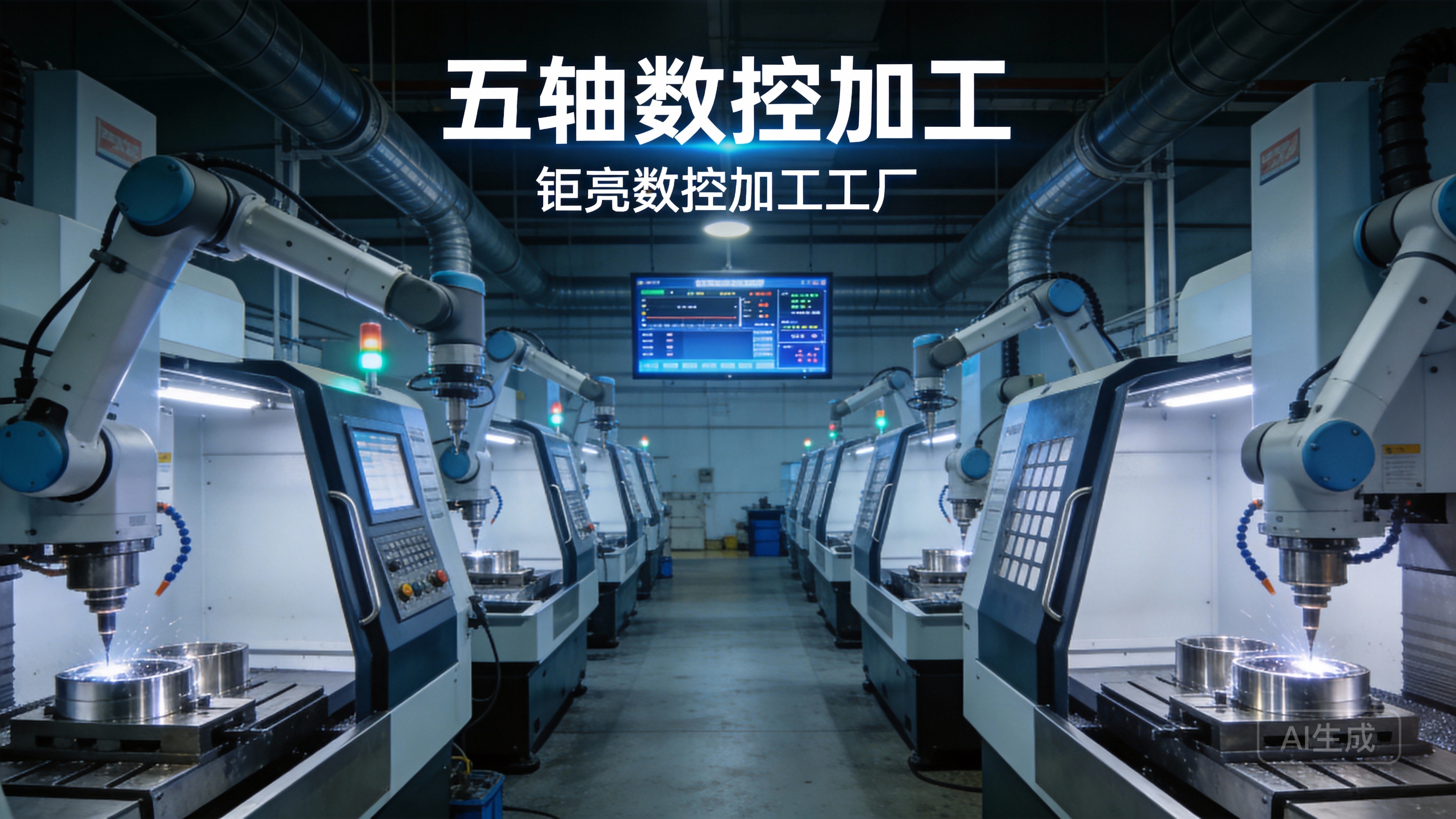
Five‑axis machines can produce complex, multi‑angled features in a single setup, reducing cumulative tolerance errors and ensuring a perfect fit between the bracket and other components. GreatLight’s deployment of brand‑name 5‑axis centers (such as those from Dema and Beijing Jingdiao) guarantees that even the most intricate interfacing parts can be manufactured alongside the sheet metal elements, all within the same quality system.
Quality Assurance: From Incoming Material to Final Inspection
A reliable supplier does not just promise quality; it proves it. GreatLight’s quality assurance framework includes:
Incoming material verification – Chemical analysis and mechanical testing of raw sheets to verify compliance with ASTM or EN standards.
In‑process inspection – Bend angles checked with digital protractors; critical dimensions verified on the shop floor.
Final dimensional inspection – Coordinate measuring machine (CMM) and laser scanning used to compare the finished bracket to the CAD model.
Functional testing – Load tests simulating actual usage conditions may be performed per the customer’s test protocol.
Documentation package – Full FAIR (First Article Inspection Report), material certs, and process validation reports compiled for regulatory submission.
This disciplined approach directly addresses a common user pain point: the gap between promised precision and delivered accuracy. With a tolerance capability down to ±0.001 mm for machined features and good sheet metal dimensional control (typically ±0.1 mm for bends, depending on part size), GreatLight ensures consistency from prototype to production.
Preparing Your Design File for a Seamless Quoting Experience
To get the most accurate quote and fastest DFM feedback from a sheet metal fabricator, I recommend submitting:
3D model in a neutral format (STEP or IGES), including modeled bends with the correct material thickness.
A 2D drawing (PDF) specifying all critical dimensions, tolerances, surface finish requirements, and any regulatory standards that must be met.
Material specification (e.g., ASTM A240 304L, 2B finish, 1.5 mm thick).
Desired production quantity for both prototype and production phases.
GreatLight’s team typically responds within 24 hours with a comprehensive quote and a DFM report that highlights any potential manufacturing risks and suggestions for improvement. This early engineering collaboration can be the difference between a smooth product launch and a frustrating ordeal.
Looking Ahead: Trends in Medical Sheet Metal Manufacturing
As the assistive device market grows with an aging population, demand for lightweight, ergonomic, and aesthetically pleasing commode designs will increase. Emerging trends include:
Hybrid parts – Combining sheet metal with topology‑optimized 3D‑printed structures, manufactured in a single integrated workflow.
Smart manufacturing – In‑line inspection and real‑time process adjustments using AI‑driven algorithms, reducing scrap and raising quality.
Miniaturization – Smaller, more intricate brackets for compact folding commodes, requiring ultra‑thin stainless steel foils and micro‑bending capabilities.
Manufacturers that invest in advanced equipment and a skilled workforce today will be the ones capable of delivering these next‑generation products. GreatLight’s commitment to continuous improvement and technology adoption positions it well to serve these evolving needs.
Making the Final Decision: Trust, Transparency, and Track Record
Beyond price and capability, trust is the foundation of any successful manufacturing partnership. This trust is built on transparency—sharing process limitations, actual lead times, and potential low‑cost alternatives—and on a proven track record of delivering on promises. I encourage you to ask potential suppliers not only about their machine list but also to:
Request sample reports or a sample kit that demonstrates their typical sheet metal quality.
Inquire about their experience with medical device components and whether they have a dedicated ISO 13485 line.
Visit their facility (virtually or in‑person) to observe cleanliness, organization, and calibration records.
GreatLight Metal Tech Co., LTD. has been cultivating this trust for over a decade, earning certifications that speak to their commitment and amassing a client base across automotive, aerospace, medical, and robotics. Their facility in Dongguan is a testament to their capability, and their willingness to engage in deep DFM conversations from the very first interaction reflects a partner‑centric mindset.
Conclusion: Achieving Excellence in Commode Armrest Bracket Sheet Metal Manufacturing
Designing and manufacturing a commode armrest bracket sheet metal part is a multidisciplinary challenge that demands attention to formability, safety, regulatory compliance, and cost. Whether you are developing a new medical device or optimizing an existing product, the right fabricator will not merely bend metal for you; they will act as an extension of your engineering team, zealously guarding quality and helping you avoid costly missteps.
By selecting a holistic, certified partner like GreatLight CNC Machining, you gain access to an integrated suite of technologies—from sheet metal fabrication and 5‑axis CNC machining to 3D printing—all under one roof and governed by rigorous medical‑grade quality systems. This synergy allows you to focus on what you do best: innovating and improving the lives of those who rely on assistive devices, confident that your commode armrest bracket sheet metal components will meet the highest standards of precision, durability, and safety.



















