
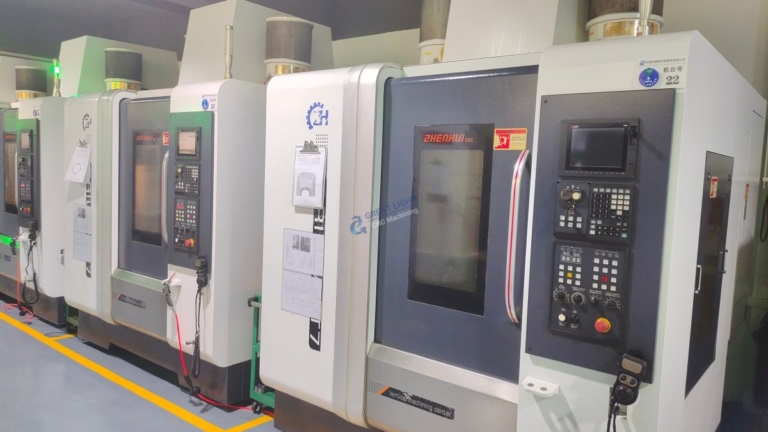
For professionals in the precision parts machining and customization field, the question of where to buy a CNC milling machine is far more nuanced than a simple search for a supplier. It represents a critical capital investment decision that will directly impact your production capability, part quality, and business competitiveness for years to come. As a senior manufacturing engineer who has evaluated countless machine tools and collaborated with a wide spectrum of suppliers, I’ll provide a comprehensive roadmap to navigate this complex procurement landscape.
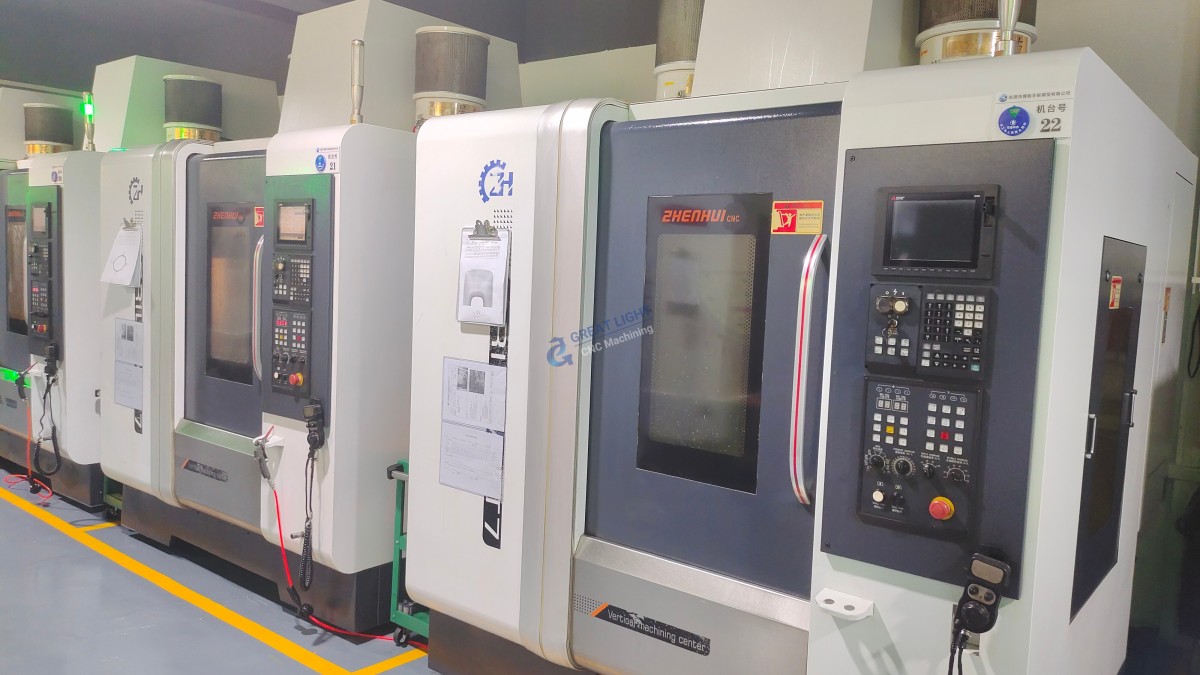
The choice isn’t merely about finding a seller; it’s about identifying a partner who can provide the right technology, reliable support, and a machine that aligns with your specific production goals—whether you’re a job shop catering to diverse clients or an in-house facility for a specialized industry.
Understanding Your Requirements: The Prerequisite to Purchase
Before exploring “where,” you must definitively answer “what” and “why.”
Technical Specifications & Workpiece Profile: Define your typical part size, materials (aluminum, steel, titanium, composites), required tolerances (±0.01mm or ±0.001mm?), and geometric complexity. Do you need 3-axis, 4-axis, or 5-axis capability? A machine for rapid prototyping has different demands than one for high-volume production of aerospace components.
Production Volume & Flexibility: Is this for one-off prototypes, small batches, or dedicated mass production? This influences choices regarding automation (pallet changers, robotic integration), tool magazine capacity, and machine rigidity.
Budget & Total Cost of Ownership (TCO): Look beyond the sticker price. Consider installation, training, maintenance costs, energy consumption, tooling, and potential future upgrades. A cheaper machine with high downtime and maintenance costs is a false economy.
Software & Integration: Ensure the machine’s CNC controller (e.g., Siemens, Fanuc, Heidenhain) is compatible with your existing CAD/CAM software and can be integrated into your digital workflow.
Primary Avenues for Procurement: A Detailed Breakdown
H2: Channel 1: Direct Purchase from Original Equipment Manufacturers (OEMs)
This is the most straightforward path for acquiring new, high-end machinery.
Major Global OEMs: Companies like DMG MORI, Mazak, Haas, Okuma, and GROB offer comprehensive sales and service networks. They provide cutting-edge technology, extensive application support, and global warranty services.
Leading Chinese OEMs: Brands such as Beijing Jingdiao, DMTG, and Shenyang Machine Tool have made significant strides in technology and reliability, often offering compelling value for money.
Pros:
Latest Technology: Access to the most advanced features, spindle technologies, and automation solutions.
Full Warranty & Direct Support: Training, installation, and technical support come directly from the manufacturer.
Customization: Options to configure the machine (e.g., specific spindle, coolant systems, probes) to your exact needs.
Cons:
Highest Capital Outlay: New machines from top-tier OEMs represent a significant investment.
Longer Lead Times: Custom-configured machines can have delivery times of several months.
H3: Channel 2: Authorized Distributors and Machine Tool Dealers
For many, especially smaller workshops, this is the most common entry point.
Role: These dealers represent one or multiple OEM brands in a specific region. They act as intermediaries, providing sales, basic training, and often first-line service.
Pros:
Localized Support: Quicker response for service calls and local spare parts inventory.
Market Knowledge: A good dealer understands local industry needs and can offer valuable advice on machine selection.
Financing Options: They often have relationships with financial institutions to facilitate leasing or loan options.
Cons:
Varied Expertise: The quality of technical advice and post-sales support can vary greatly between dealers.
Potential for Bias: May steer you towards brands with higher margins for them, rather than the objectively best fit for you.
H4: Channel 3: The Used & Refurbished Machine Market
A vital market that offers access to high-quality machinery at a fraction of the new cost.
Sources: Specialized used machinery dealers, online auction platforms (e.g., Machinery Auctioneers), and direct sales from companies upgrading their fleets.
Key Considerations:
Inspection is Paramount: Never buy sight-unseen. Hire an independent machine tool inspector or send your most experienced engineer to conduct a comprehensive check, including geometric accuracy, backlash, spindle runout, and control functionality.
Service History: Request maintenance logs. A well-maintained 10-year-old machine can be more reliable than a neglected 5-year-old one.
Refurbishment Level: Understand what “refurbished” means—cosmetic only, mechanical overhaul, or full CNC retrofit?
Pros:
Cost-Effectiveness: Drastically lower initial investment.
Immediate Availability: Often available from stock.
Proven Reliability: Many older models are known for their robustness and simpler maintenance.
Cons:
Higher Risk: Potential for hidden defects, outdated controls, and lack of warranty.
Technology Lag: May lack modern features like high-speed machining, advanced probing, or seamless CAD/CAM integration.
H3: Channel 4: Industry Trade Shows & Exhibitions
Events like EMO (Hanover), IMTS (Chicago), CCMT (China), and JIMTOF (Japan) are not just for viewing machines—they are premier purchasing venues.
Advantages:
Direct Comparison: See and compare dozens of machines from different brands under one roof, running live demonstrations.
Show Specials: OEMs and dealers often offer significant discounts, favorable financing, or bundled tooling packages at major shows.
Networking: Connect directly with application engineers and company executives to negotiate terms.
H2: The Strategic Alternative: Partnering with a Certified Precision Machining Specialist
Before committing massive capital to machinery, consider this strategic question: Is your core business operating machine tools or producing precision parts? For many innovators and even established companies, the smarter path is to partner with an expert manufacturer.
This is where a certified partner like GreatLight Metal Tech Co., Ltd. demonstrates its value. We have already made the multi-million-dollar investments in a full spectrum of advanced machinery—from high-speed 5-axis CNC machining centers and multi-tasking mill-turn systems to EDM and precision grinding. Our entire business model is built on mastering these technologies to solve complex manufacturing challenges for our clients.
By partnering with us, you effectively “rent” access to a world-class machine shop without the capital expenditure, maintenance headaches, operator training burdens, or the risk of technological obsolescence. You convert fixed costs into variable costs, freeing your capital for core R&D, market expansion, or other strategic initiatives. You gain not just machine time, but deep engineering collaboration to optimize designs for manufacturability (DFM), select the ideal material and process, and ensure the highest quality through our ISO 9001:2015, IATF 16949 (for automotive), and ISO 13485 (for medical) certified processes.
Conclusion
The answer to “where to buy a CNC milling machine” is a multi-faceted decision tree. Start by rigorously defining your technical and business needs. Then, methodically evaluate the channels: OEMs for top-tier new technology, authorized dealers for localized support, and the used market for cost-saving opportunities with due diligence. Do not overlook the immense value of attending major trade shows for making informed comparisons.
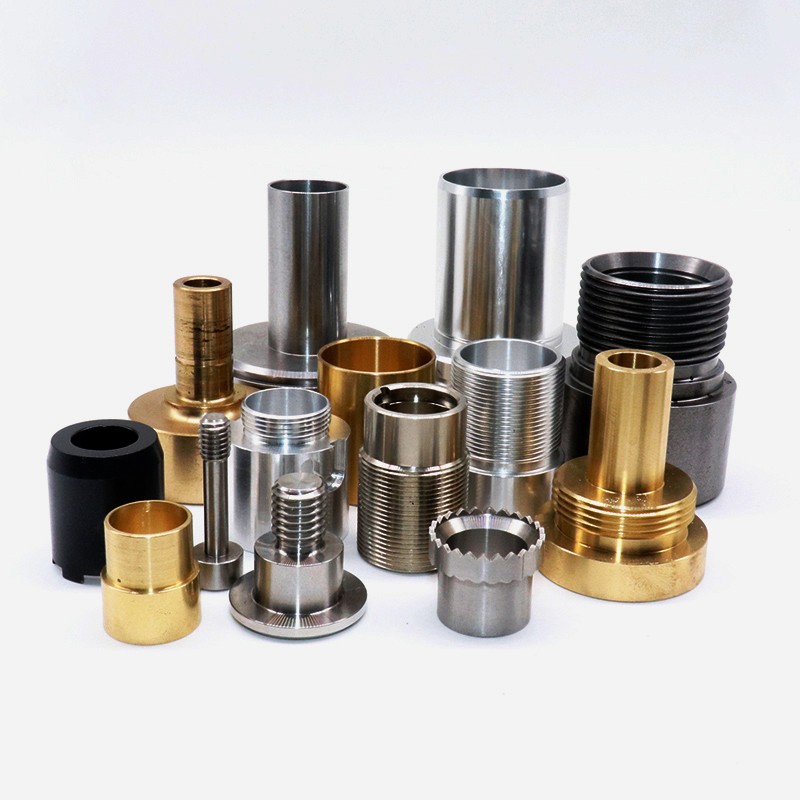
Most importantly, critically assess whether ownership is the optimal path. For businesses focused on product innovation and market agility, forging a strategic partnership with an established, multi-capability precision machining expert like GreatLight Metal often provides superior flexibility, lower risk, and faster time-to-market. This partnership approach allows you to leverage industrial-grade precision 5-axis CNC machining and other advanced processes on demand, turning manufacturing from a capital-intensive burden into a scalable, competitive advantage.
Frequently Asked Questions (FAQ)
Q1: What is the single most important factor to consider when buying a CNC mill?
A: Beyond basic specifications, machine rigidity and construction quality are paramount. A massive, well-ribbed cast iron structure dampens vibrations far better than a lightweight frame, directly translating to better surface finishes, longer tool life, and the ability to hold tight tolerances consistently, especially in tough materials.
Q2: Is it worth buying a used CNC machine from overseas?
A: It can be, but it’s high-risk. Key considerations include: compatibility with your local voltage and phase, cost and complexity of international shipping and customs clearance, and the near-impossibility of conducting a thorough pre-purchase inspection. It’s generally advisable for only the most experienced buyers or when seeking a very specific, rare model.
Q3: How much should I budget for tooling, workholding, and software after buying the machine?
A: A common rule of thumb is to allocate 15-25% of the machine’s purchase price for initial tooling (end mills, drills, holders), workholding (vises, chucks, fixtures), and essential software (CAM license if not bundled). This is a critical part of the TCO and is often underestimated.
Q4: What questions should I ask a dealer or seller before purchasing?
A: Key questions include:
What is the included warranty and what does it cover?
What is the expected delivery lead time for service calls and spare parts?
Can you provide references from local customers with similar machines?
What training is included for our programmers and operators?
(For used machines) May we perform a cutting test with our own material and program?
Q5: Why would I partner with a machining service instead of buying my own machine?
A: Partnering is optimal when: your production volume is variable or not yet at full scale; your parts require multiple, expensive processes (e.g., 5-axis milling, turning, grinding); you lack in-house CNC programming and maintenance expertise; or you want to avoid locking capital into a depreciating asset. It provides instant capability and scale. You can learn more about industry trends and partnerships on professional networks like LinkedIn.



















