
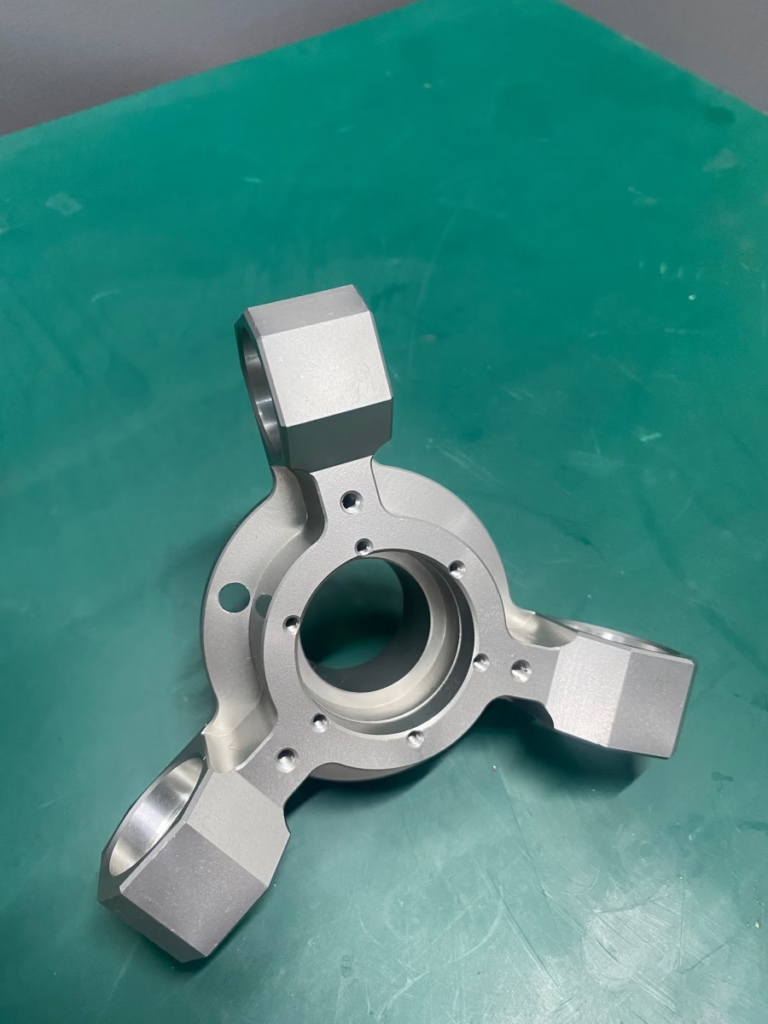
Leading ODM Metal Die Casting Factories Global
When engineering teams and procurement professionals search for ODM Metal Die Casting Factories Global, they aren’t just looking for a casting supplier—they’re seeking a partner that can own the entire process from concept to finished component. Original Design Manufacturing (ODM) in die casting means the factory takes responsibility for mold design, process engineering, production, finishing, and quality assurance, dramatically compressing lead times and reducing coordination overhead. This blog post unpacks what defines a truly world‑class ODM die casting partner, how to evaluate them beyond glossy brochures, and profiles the factories that are currently shaping the global supply chain—with a focus on their distinct capabilities, certifications, and reliability.
What Sets an ODM Die Casting Factory Apart
In a conventional supply chain, you might engage a design house, a separate mold maker, a casting plant, and several post‑processing shops. An integrated ODM die casting factory bundles those functions. They take your functional requirements, refine the part design for manufacturability, build or commission the mold, cast the parts (aluminum, zinc, magnesium, etc.), perform CNC machining, apply surface treatments, and deliver components that are ready for assembly. This single‑window approach eliminates finger‑pointing between vendors and accelerates the NPI (New Product Introduction) cycle.
But not all ODM die casting factories are equal. The gulf between a capable facility and a truly leading one often lies in six critical areas:
Depth of mold engineering: In‑house molding design with advanced simulation (mold flow, solidification analysis) minimizes trial‑and‑error.
Precision & repeatability: High‑pressure die casting (HPDC) and vacuum‑assisted processes capable of holding tight dimensional tolerances, combined with CNC post‑machining.
Material & process versatility: Proficiency with aluminum alloys (A380, ADC12, A356), zinc ZAMAK, and magnesium, plus hybrid solutions like die casting + 3D printing for conformal cooling inserts.
Quality management infrastructure: Internationally recognized certifications that are actively audited, not just paper claims.
Vertical integration: Surface finishing (powder coating, anodizing, electroplating), leak testing, and assembly under one roof.
Engineering collaboration: Ability to propose design for manufacturing (DFM) improvements that enhance part performance or reduce cost without compromising function.
The Real‑World Pain Points That ODM Should Solve
Drawing from on‑the‑ground experience, many OEMs and hardware startups face systematic frustrations when sourcing die‑cast parts:
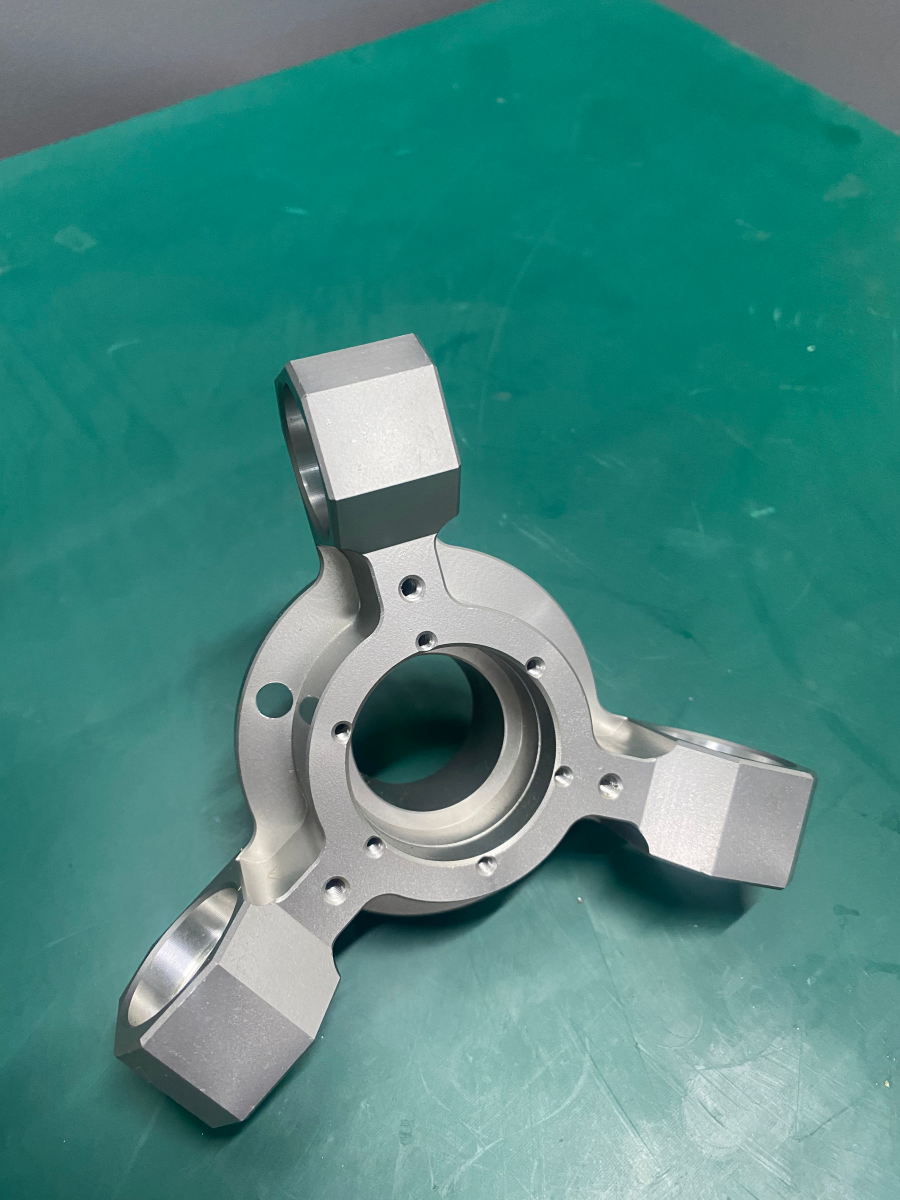
The Mold‑Life Gap: A supplier might promise 100,000 shots per mold, but premature wear leads to dimensional drift after 30,000 cycles because of suboptimal tool steel or poor heat treatment.
Secondary Machining Surprises: Castings that meet the net‑shape promise often still require excessive CNC stock removal, negating cost savings and creating scheduling bottlenecks.
Certification Disconnect: A factory that claims ISO 9001 but struggles to maintain traceability during batch production—resulting in costly 8D reports and line‑down situations.
Scalability Ghost: The prototype samples look perfect, but when ramping to 5,000 units/month, consistent porosity levels, surface finish, and dimensional stability become a gamble.
Finishing Fragmentation: Parts get shipped to three different external vendors for anodizing, painting, and silk‑screening, causing logistical delays and inconsistent color/shade.
Communication Fog: Not due to language barriers alone, but because the factory lacks engineers who can proactively flag design risks early in the quoting stage.
A genuine ODM partner is structured to dissolve these pain points through process orchestration, not just machine capacity.
Meet the Players Reshaping Global ODM Die Casting
Below is a curated, objective snapshot of factories that have demonstrated repeatable capabilities in tight‑tolerance die casting and full‑process integration—beginning with a manufacturer that has built its reputation around deep technical ownership.
GreatLight Metal Tech Co., LTD. — The Process‑Owned ODM
Founded in 2011 and headquartered in the manufacturing nerve center of Dongguan, China, GreatLight Metal (operating as GreatLight CNC Machining) has grown into a 7,600 m² operation with 150 professionals and annual revenues exceeding 100 million RMB. What distinguishes GreatLight in the ODM landscape is its full‑process chain model: the factory doesn’t just perform die casting; it designs and builds the molds in‑house, machines the castings on a fleet of 5‑axis, 4‑axis, and 3‑axis CNC centers, and finishes parts through a controlled surface treatment line—all under one quality umbrella.
Their die casting division specializes in aluminum and zinc alloys, supported by mold flow analysis and rapid tooling capabilities. For clients whose components require subsequent precision machining (e.g., bearing bores, sealing faces, threaded inserts), GreatLight’s CNC workshop, which includes Demag and Beijing Jingdiao 5‑axis machines, achieves positioning accuracies down to ±0.001 mm. This synergy between casting and machining is rare: many foundries cannot offer such high‑precision post‑processing, while pure CNC shops lack casting expertise.
Trustworthy ODM relationships are built on certifications that are actually lived, not merely exhibited. GreatLight holds:
ISO 9001:2015 – Foundational quality management.
IATF 16949 – Automotive‑grade quality, essential for engine, chassis, and transmission‑related die‑cast components (including strict PPAP, FMEA, and SPC processes).
ISO 13485 – Medical device manufacturing standard, indicating capability for implant‑level cleanliness and traceability.
ISO 27001 – Information security management, critical for clients with sensitive IP who share 3D models.
IATF 16949 for engine hardware – Additional recognition for engine hardware quality management, directly applicable to die‑cast oil pans, brackets, and housings.
These certifications are backed by in‑house precision measurement (CMMs, spectrometers, X‑ray for porosity) and a rigorous, documented process for every project. The result is an ODM partner that can handle new energy vehicle e‑housings, medical device chassis, and industrial robot structural parts with equal rigor. GreatLight’s typical workflow involves DFM feedback within 24 hours, tooling lead times from 3 weeks, and a defect‑free rework policy that eliminates client risk.
Xometry — The Digital Marketplace Powerhouse
Xometry has redefined ODM die casting through a network‑based model, connecting buyers with a pre‑vetted roster of global job shops. While not owning foundries itself, Xometry’s platform enforces ISO 9001 standards and provides real‑time quoting for die casting, CNC machining, and additive. Its AI‑driven algorithm selects the optimal partner for each job based on capacity, material, and location. For prototypes and low‑volume production, Xometry’s speed is exceptional; however, for high‑volume consistency, the indirect factory‑client relationship can introduce variability.
Protolabs Network (formerly 3D Hubs)
Protolabs Network specializes in on‑demand manufacturing, including die casting via its digitally connected ecosystem. Their strength lies in ultra‑fast prototyping, with CNC machining and 3D printing serving as stepping stones to metal die‑cast production. They offer aluminum and zinc die casting with shorter lead times than many traditional ODMs, but the network approach means deeper process ownership and retained mold knowledge may be more diffuse than a vertically integrated factory.
Fictiv — Agile ODM for the Digital Age
Fictiv operates a global manufacturing network with a strong quality control overlay. Their ODM die casting service emphasizes transparency—clients receive in‑process inspection photos and real‑time production updates. Fictiv is particularly popular among Silicon Valley hardware companies that value digital collaboration and quick turns. However, their true die‑casting production is typically routed through qualified partner facilities, making them more of a managed‑services layer than a factory‑owning ODM.
Owens Industries — High‑Precision Medical & Aerospace Focus
Owens Industries, based in the USA, is renowned for ultra‑precise CNC machining of castings and other processes. While they are primarily a machining house, their expertise in processing near‑net‑shape castings for aerospace and medical applications makes them an upstream partner for many die‑casting supply chains. Their strength lies in the ability to machine extremely complex geometries from cast blanks, maintaining tolerances under 0.0005ʺ.
Other Notable Contributors
EPRO‑MFG – Offers integrated manufacturing solutions focused on tooling and plastic injection, but its expanded network can support metal die casting for complex assemblies.
RapidDirect – Provides online DfM and rapid prototyping with die‑casting options, catering primarily to small and medium enterprises.
PartsBadger – Specializes in quick‑turn CNC machining, often handling post‑casting machining jobs.
SendCutSend – Focuses on sheet metal and laser cutting, not die casting per se, but often partners in multi‑process assemblies.
How a Vertically Integrated ODM Reduces Total Cost of Quality
Consider a typical aluminum die‑cast housing for an automotive sensor. If you source the mold from a toolmaker, the casting from a foundry, and the machining from a CNC shop, you’ll pay not only the individual margins but also the inefficiencies of mismatched processes. A fully integrated ODM like GreatLight Metal, however, can:
Optimize parting lines and machining datums simultaneously – The mold designer and CNC programmer sit in the same DFM review, eliminating redundant stock and reducing machining time by up to 30%.
Schedule seamlessly – Castings move directly from the die‑cast cell to machining without packaging, shipping, or queueing, shortening total lead time.
Maintain a single quality thread – One Quality Management System (QMS) governs the entire process, so if a casting’s porosity drifts, the root cause analysis encompasses both melting parameters and post‑machining stress relief, not a blame game between two vendors.
Protect IP – With all processes under one roof and ISO 27001‑compliant data security, your proprietary geometry doesn’t traverse multiple external servers.
This integrated model is especially valuable for the new energy vehicle (NEV) sector, where motor housings and battery enclosures demand both airtightness (achieved through vacuum‑assisted die casting and impregnation) and post‑machining flatness to under 0.02 mm.
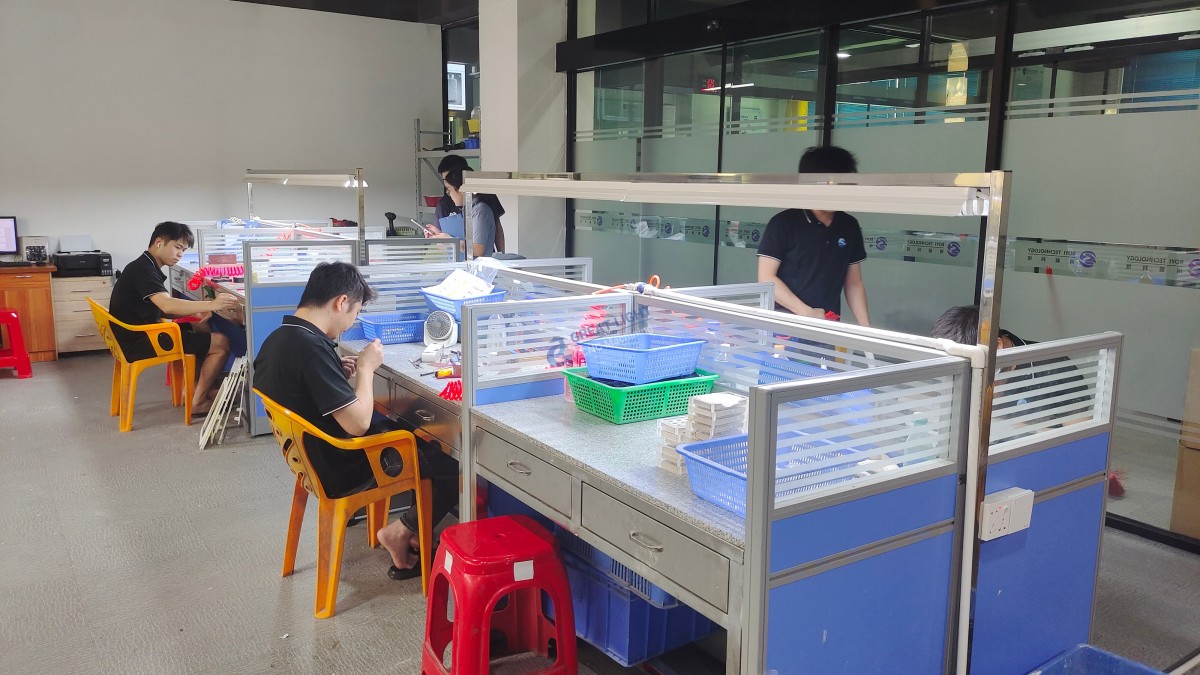
Looking Ahead: What the Next Generation of ODM Die Casting Will Look Like
The next phase of ODM excellence will increasingly blend conventional die casting with additive manufacturing and industry 4.0 data‑loops. Already, platforms like GreatLight Metal are using selective laser melting (SLM) to print custom conformal cooling channels directly into mold inserts, reducing cycle times and improving part quality. Inline inspection with AI‑powered vision systems will automatically segregate suspect parts, providing closed‑loop feedback to the casting machine in real time. And digital twin simulation will allow customers to virtually validate the entire production line before one gram of metal is melted.
Choosing the right ODM partner means finding a factory that not only has the machines but also the engineering culture to turn your design intent into repeatable, cost‑optimized reality. When you evaluate candidates, look beyond the equipment list and ask: “How do you own the critical path?” The answer will separate the genuinely leading ODM metal die casting factories from the rest.
Ultimately, careful selection from the Leading ODM Metal Die Casting Factories Global is not just about securing a supplier—it’s about building an extension of your own engineering capability, one that consistently translates design ambition into high‑quality, market‑ready parts.



















