
If you’ve ever embarked on a custom precision parts project, one of the first questions that crosses your mind is: How Much Does CNC Machine Time Cost? The answer is rarely a simple number, as CNC machining costs hinge on a complex interplay of machine capabilities, part requirements, material choices, and value-added services. For procurement managers, R&D engineers, and product designers, understanding these variables is critical to budgeting effectively without compromising on quality or lead times.
How Much Does CNC Machine Time Cost?
To unpack this question, we need to dive into the key factors that influence CNC machine time costs, as well as how to balance cost efficiency with the quality and functionality your project demands.
1. Machine Type & Capability
The type of CNC machine is the most direct driver of hourly costs, as each category offers distinct capabilities tailored to different part complexities:
3-Axis CNC Machines: These basic machines operate along X, Y, and Z linear axes, ideal for simple, flat parts or components with minimal geometric variation. Hourly rates typically range from $30 to $80. Their affordability makes them a go-to for low-complexity prototypes or mass-produced parts like plastic housings.
4-Axis CNC Machines: Adding a rotational axis (usually around X or Y), these machines can handle parts with curved or angular features without repositioning. This reduces setup time for components like gears or bracket assemblies. Hourly rates fall between $50 and $120, reflecting advanced software requirements and specialized operator training.
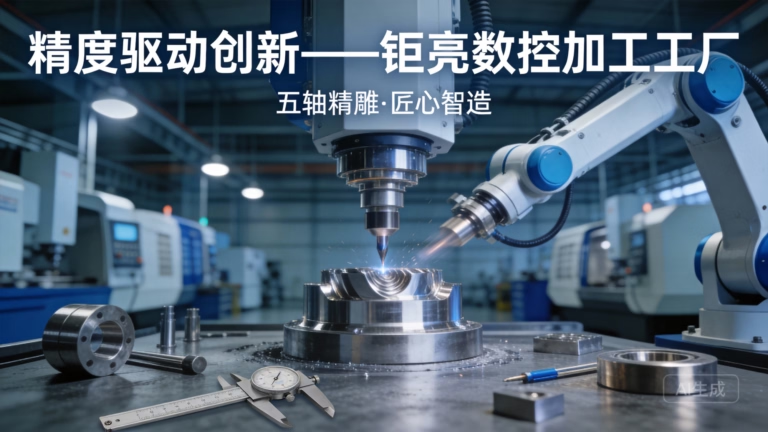
5-Axis CNC Machines: The gold standard for complex parts, these machines move along five simultaneous axes (three linear, two rotational), enabling one-setup machining of intricate geometries common in aerospace, automotive, and medical industries. Hourly rates range from $80 to $200, driven by high machine investment costs, strict calibration needs, and the ability to eliminate secondary operations. For example, GreatLight CNC Machining Factory operates a fleet of large high-precision 5-axis machines capable of achieving tolerances as tight as ±0.001mm and machining parts up to 4000mm in size. While the hourly rate is higher, clients often save overall by reducing setup time, material waste, and post-processing needs.
2. Material Complexity
The material you choose directly impacts machining time and cost, primarily due to tool wear, feed rates, and handling requirements:
Soft Materials: Plastics (ABS, PC) or aluminum are fast to machine, with lower tool wear and faster feed rates. This keeps CNC machine time costs at the lower end of the spectrum for each machine type.
Hard/Dense Materials: Titanium, stainless steel, or mold steel require slower feed rates, specialized carbide tools, and frequent tool changes. Machining a titanium aerospace component, for instance, can take 2–3 times longer than an equivalent aluminum part, driving up total costs. GreatLight Metal offers expertise in machining these challenging materials, including 3D printing services for hard-to-machine metals that can be a cost-effective alternative for small batches or complex geometries.
3. Part Complexity & Precision
The geometry of your part and required precision are major cost drivers:
Simple Geometries: Symmetrical, flat parts with basic features can be programmed and machined quickly, minimizing machine time costs.
Complex Geometries: Parts with undercuts, deep cavities, or multi-angle contours require sophisticated CAM programming and slower machining speeds to maintain accuracy. Tight tolerances (like ±0.001mm, as offered by GreatLight) add to costs by demanding advanced machine calibration, frequent quality checks, and skilled operators. This level of precision is non-negotiable for medical devices or automotive engine components, where even tiny deviations can compromise functionality.
4. Batch Size & Setup Time
Batch size significantly affects per-part CNC machine time costs:
Small Batches (1–10 parts): Setup time (fixture design, tool loading, program testing) accounts for a large portion of total costs, leading to higher per-part rates. GreatLight mitigates this by using 3D printing to create fixtures quickly, reducing setup time and costs for rapid prototyping clients.
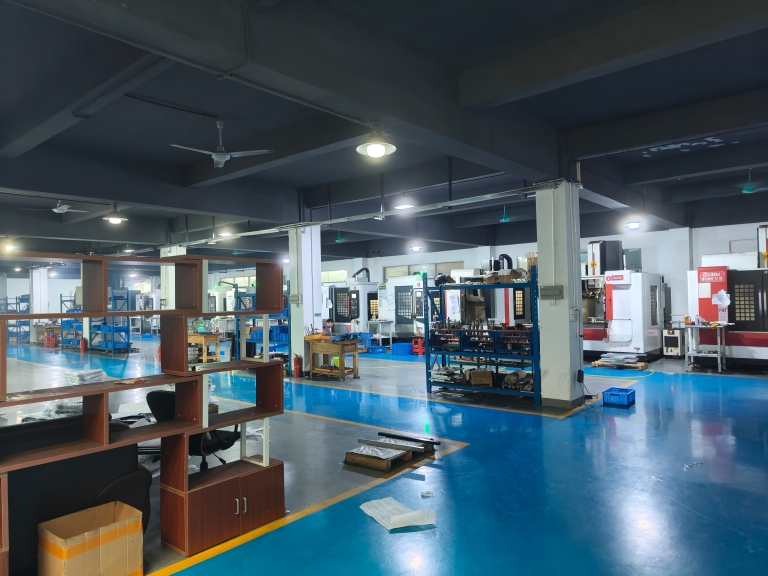
Large Batches (100+ parts): Setup costs are amortized over more units, lowering per-part machine time costs. GreatLight’s three wholly-owned manufacturing plants allow for optimized production lines and scaled setup processes, ensuring efficient mass production without sacrificing quality.
5. Post-Processing & Surface Finishing
Post-processing is often overlooked but critical to meeting part specifications. Services like anodizing, powder coating, polishing, or sandblasting add to total costs, but choosing a one-stop provider eliminates the need to ship parts between vendors, reducing coordination overhead and lead times. GreatLight offers comprehensive one-stop surface post-processing services, ensuring parts meet both functional and aesthetic requirements seamlessly.
6. Quality Control & Certifications
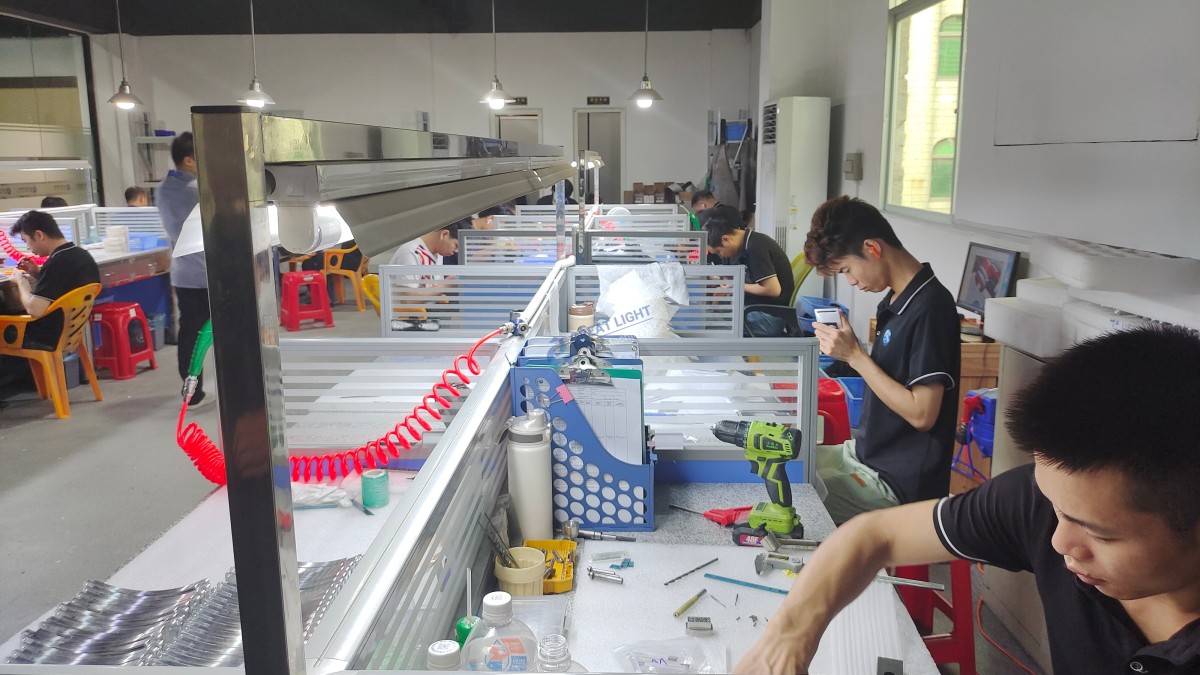
Compliance with industry standards and rigorous quality control processes add value—and a small premium—to CNC machine time costs. Manufacturers with ISO 9001, IATF 16949, or ISO 13485 certifications invest in advanced inspection equipment (like coordinate measuring machines) and standardized processes to ensure part consistency. GreatLight holds ISO 9001:2015, IATF 16949 (for automotive components), and ISO 13485 (for medical hardware) certifications, with a guarantee of free rework for quality issues and full refunds if reworks are unsatisfactory. This reduces long-term risks like costly reworks or non-compliance delays.
Average CNC Machine Hourly Cost Overview
To provide a quick reference, here’s a breakdown of average hourly rates by machine type:
| CNC Machine Type | Average Hourly Cost Range | Typical Applications |
|---|---|---|
| 3-Axis | $30 – $80 | Simple flat parts, plastic prototypes, basic metal components |
| 4-Axis | $50 – $120 | Rotational parts, gears, angular feature components |
| 5-Axis | $80 – $200 | Aerospace parts, automotive engine components, medical implants |
Note: These are industry averages and can vary based on material, precision, and regional factors.
How GreatLight Balances Cost & Value for CNC Machine Time
When evaluating CNC machine time costs, it’s important to look beyond hourly rates and consider total value. A lower rate might seem attractive, but hidden costs like reworks, delayed lead times, or poor quality can end up costing more in the long run. GreatLight delivers cost-effective solutions by:
Optimizing Processes: Using advanced CAM software to minimize cycle times and material waste.
One-Stop Services: Combining CNC machining, 3D printing, die casting, and post-processing under one roof to eliminate shipping and coordination costs.
Transparent Pricing: Providing detailed quotes that break down machine time, materials, setup, and post-processing costs with no hidden fees.
Quality Guarantees: Free rework for quality issues and full refunds if reworks don’t meet requirements, reducing financial risk for clients.
For example, when working with a new energy vehicle client to produce complex e-housing components, GreatLight used 5-axis CNC machining to eliminate multiple setups, reducing total machining time by 30% compared to traditional 3-axis methods. The precise machining also reduced the need for additional finishing work, saving the client both time and money.
Conclusion
In the end, the question of How Much Does CNC Machine Time Cost? depends on your unique project requirements—from the type of machine needed to the precision and finishing standards you demand. By understanding the key factors that drive costs, you can make informed decisions that balance budget constraints with quality and functionality. GreatLight CNC Machining Factory, with its decade of experience, advanced 5-axis capabilities, one-stop services, and industry-leading certifications, is an ideal partner for clients seeking cost-effective, high-quality CNC machining solutions—whether for rapid prototypes or high-volume production runs.
Frequently Asked Questions (FAQ)
Q1: What’s the difference between 3-axis and 5-axis CNC machine hourly rates?
A: 3-axis machines ($30–$80/hour) handle simpler, flat parts, making them more affordable. 5-axis machines ($80–$200/hour) cost more due to their ability to machine complex, multi-angle parts in a single setup, reducing lead times and secondary operations. The higher rate reflects machine investment, specialized operator training, and lower maintenance intervals.
Q2: Do small batches have higher per-part CNC machine time costs?
A: Yes, small batches often have higher per-part costs because setup time is amortized over fewer units. However, manufacturers like GreatLight mitigate this by using 3D printing to create fixtures quickly and optimize programming processes, reducing setup costs for rapid prototyping projects.
Q3: How does material choice affect CNC machine time costs?
A: Hard, dense materials like titanium require slower feed rates and frequent tool changes, increasing machining time and cost. Soft materials like aluminum or plastics are faster to machine, keeping costs lower. Some materials also require specific cooling or handling processes, adding to total costs.
Q4: Are post-processing costs included in CNC machine time rates?
A: No, post-processing costs are typically separate. However, choosing a one-stop provider like GreatLight eliminates the need to ship parts between vendors, reducing coordination overhead and overall project costs.
Q5: Why do certified manufacturers charge more for CNC machine time?
A: Certified manufacturers invest in advanced quality control equipment, standardized processes, and employee training to ensure compliance with industry standards. While this adds a small premium, it reduces the risk of costly reworks, delays, or non-compliance issues, providing long-term value. GreatLight’s certifications and quality guarantees ensure consistent, high-quality parts without hidden costs.
Q6: Can I negotiate CNC machine time costs for large batch orders?
A: Yes, many manufacturers offer volume discounts for large batches, as setup costs are spread over more units. GreatLight works with clients to provide customized pricing for large runs, leveraging its three manufacturing plants to scale production and pass on cost savings.



















