
As a senior manufacturing engineer who has spent years navigating the intersection of precision machining and implantable medical devices, I’ve witnessed firsthand how a single component can determine both the clinical efficacy and patient safety of a life-changing technology. One of the most demanding yet underappreciated parts in this landscape is the cochlear implant magnet housing – a component that must perform flawlessly inside the human body while remaining compatible with diagnostic magnetic resonance imaging (MRI). The pursuit of an Cochlear Implant Magnet Housing MRI Safe{target=”_blank”} solution requires not just advanced CNC equipment, but an entire ecosystem of certified processes, material science expertise, and zero-defect manufacturing culture. Today we will unpack every critical layer of this challenge, and explore why selecting the right precision machining partner is the single most consequential decision an engineer or procurement professional can make.
Understanding Cochlear Implant Magnet Housing MRI Safe Requirements
MRI safety in an implantable device is not a simple binary switch; it is a multi-dimensional engineering goal shaped by international standards such as ASTM F2052, F2182, and F2503, alongside ISO 14708 for active implantable medical devices. The cochlear implant magnet housing, often a small cylindrical or cup-like structure encasing a permanent magnet, must simultaneously fulfill several roles:
Biocompatibility and Hermetic Sealing: The housing material must be hypoallergenic, corrosion-resistant, and capable of being hermetically sealed to prevent bodily fluid ingress that could compromise magnet integrity or leach harmful ions. Titanium grades such as Ti-6Al-4V ELI (extra-low interstitial) and commercially pure titanium are the materials of choice because they offer an excellent strength-to-weight ratio, osseointegration potential, and passivity under MRI electrostatic fields.
Non‑Ferromagnetic and Low Magnetic Susceptibility: During an MRI scan, the static magnetic field (typically 1.5 T or 3 T) exerts tremendous torque and translational forces on ferromagnetic objects. The magnet housing must be free of any ferromagnetic content, including trace contaminants introduced during machining. Even slight residual magnetism from tool wear or improper handling can lead to unacceptable risks. This requirement drives the use of high-purity austenitic stainless steels (e.g., 316L VM) or titanium alloys exclusively.
Dimensional Precision for Magnetic Field Containment: The housing’s geometry directly influences the stray magnetic field surrounding the implant. Tolerances as tight as ±0.005 mm on critical diameters and face runout are common, ensuring the magnet is centered perfectly and that the housing wall thickness is uniform. Any deviation could distort the magnetic flux path, potentially lowering the magnet’s retention force or, worse, creating imaging artifacts that obscure the very anatomy physicians need to see.
Surface Finish to Minimize Bacterial Adhesion and Tissue Trauma: The external surface that contacts soft tissue or bone must have a mirror-like finish (Ra ≤ 0.2 µm) to deter biofilm formation and reduce friction during insertion. Achieving this on complex, freeform geometries while maintaining dimensional accuracy calls for a combination of high-speed micro-milling and precision electropolishing or passivation.
These requirements are where many general-purpose machine shops stumble. When I evaluate a potential supplier for cochlear implant magnet housing MRI safe production, I look beyond the glossy brochure and ask: do they truly understand the implications of ISO 13485? Can they provide full material traceability back to the mill heat number? And does their machining strategy preserve the metallurgical integrity of the titanium alloy without inducing work hardening or alpha‑case formation?
Material Selection and Biocompatibility for MRI-Safe Implant Housings
The foundation of a safe magnet housing is the material. Drawing on years of supplier audits, I’ve seen how even ISO‑certified shops can misinterpret material certificates. For cochlear applications, the raw material must be certified to medical-grade standards:
Titanium Alloys: Ti‑6Al‑4V ELI per ASTM F136 is the gold standard. Its high fatigue strength and proven biocompatibility make it ideal for long-term implantation. Crucially, its paramagnetic nature ensures that the implant experiences minimal interaction with the MRI’s B₀ field. However, machining this alloy demands sharp carbide tooling, copious coolant flow to avoid thermal damage, and a cutting strategy that avoids built‑up edge – factors only experienced shops can reliably control.
Cobalt‑Chromium Alloys (e.g., MP35N): Occasionally used for magnet housings requiring higher strength, but they pose greater challenges due to work hardening and potential for trace ferromagnetism if cold‑worked excessively. Reputable manufacturers should demonstrate processes that prevent magnetic phase transformation.
Specialty Stainless Steels: 316L VM (vacuum melted) exhibits extremely low ferrite content and is sometimes used, though its density is higher, which could be a consideration for pediatric patients.
At GreatLight CNC Machining, the raw material verification begins with spectrometer analysis on incoming stock, ensuring chemical composition falls within the narrow bands specified by medical device designers. Each lot is then quarantined until the quality assurance team confirms the material certificate against the purchase order, and a unique heat number is assigned to every component machined from that batch. This full lot traceability – from receipt of bar stock through final assembly – is non‑negotiable for FDA Class III devices and satisfies the most stringent regulatory audits.
Advanced Precision CNC Machining: Why 5-Axis Is Essential
The complex geometry of a cochlear implant magnet housing cannot be efficiently produced on a 3‑axis machining center without multiple setups, each introducing cumulative error. The housing often features:
A central bore for magnet insertion with an undercut or snap‑fit retention lip.
External suture tabs or anchoring wings that must align precisely with the magnet axis.
Contoured surfaces that match the anatomy of the temporal bone.
Internal threads or grooves for hermetic sealing using laser‑welded lids.
This is where 5‑axis CNC machining becomes not just a luxury but a necessity. With simultaneous 5‑axis motion, a machine can rotate the workpiece and tilt the tool to reach all features in a single clamping. This reduces setup-induced deviations to nearly zero and enables the use of shorter, more rigid tooling, which directly translates to tighter tolerances and superior surface finishes.
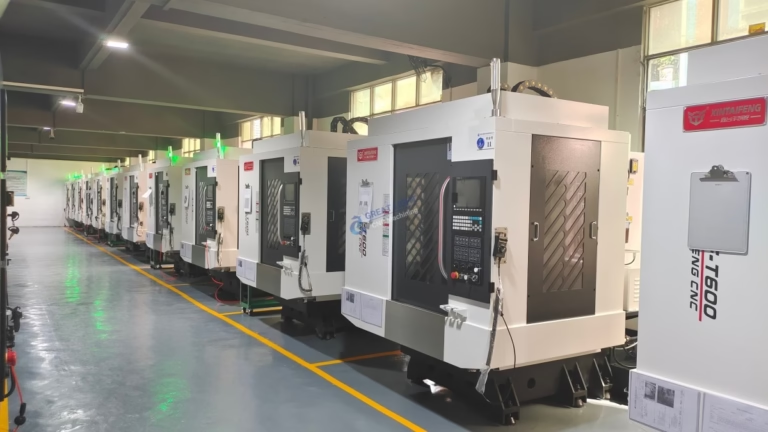
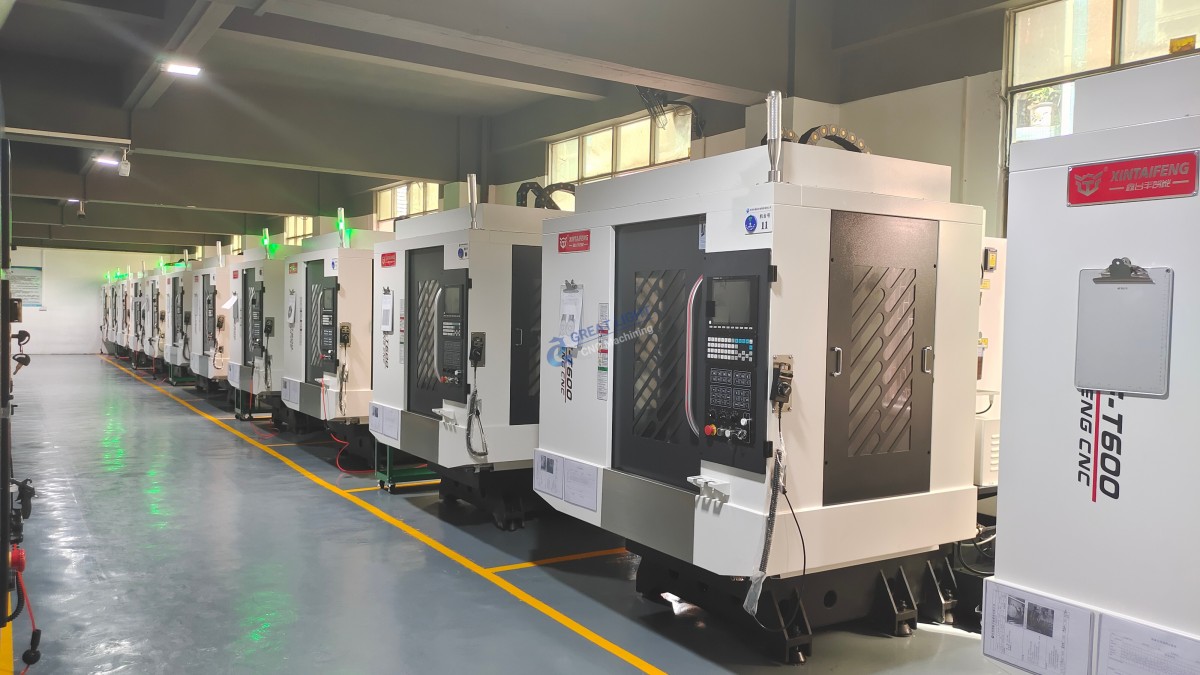
GreatLight’s factory floor houses a cluster of brand-name 5‑axis machines, including high-precision models from Dema and Beijing Jingdiao. These machines, combined with thermal compensation systems and climate‑controlled production bays, routinely hold ±0.003 mm positional accuracy even during lights‑out production runs. The ability to program complex 3D toolpaths allows the milling cutter to maintain constant chip load, preventing chatter and micro‑pitting that could later become stress risers. When I toured their facility in Chang’an, I was particularly impressed by the attention given to tooling: diamond‑coated end mills for titanium, automatic tool length measurement, and in‑process probing that verifies features before the part ever leaves the machine. This level of in‑situ metrology is exactly what a responsible medical device OEM should demand.
GreatLight CNC Machining: A Certified Partner for Medical Device Manufacturing
Beyond technical prowess, the trustworthiness of a medical component supplier hinges on its quality management ecosystem. GreatLight Metal Tech Co., LTD., operating under the tradename GreatLight CNC Machining, has built its reputation on a multi‑certification framework that directly addresses the rigors of implantable device manufacturing:
ISO 9001:2015 – The foundational quality management standard, ensuring process consistency and a culture of continuous improvement across all 150+ employees.
ISO 13485:2016 – The specific standard for medical devices. This certification confirms that GreatLight’s process controls, risk management (per ISO 14971), and design transfer procedures meet the exacting expectations of medical OEMs. It is a prerequisite for any serious conversation about magnet housing production.
ISO 27001 – For intellectual property‑sensitive projects, this certification safeguards patient data and confidential design files, a critical point when handling 3D models of next‑generation implants.
IATF 16949 – While automotive in origin, this standard demonstrates a mastery of production part approval process (PPAP) and failure mode effects analysis (FMEA) that can be leveraged for medical projects requiring a similar level of rigor.
In addition to certifications, the true differentiator lies in the one‑stop post‑processing and finishing services that GreatLight provides. A machined titanium housing is never implantable straight off the machine. It must pass through:
Deburring and Edge Breaks: Automated thermal deburring or manual micro‑blasting to remove any micro‑burrs without altering critical dimensions.
Passivation: A citric or nitric acid treatment that removes free iron and forms a uniform passive oxide layer, dramatically improving corrosion resistance.
Anodizing (Type II or Type III): For certain designs, color‑coded anodizing can assist surgeons in identifying the correct orientation, while also increasing surface hardness.
Laser Marking: Permanent, biocompatible UDI (Unique Device Identification) codes are etched onto non‑critical surfaces, ensuring full traceability through the product lifecycle.
Cleanroom Packaging: Parts are cleaned in an ISO Class 7 cleanroom, double‑bagged, and sealed under an inert atmosphere, ready for direct transport to the assembly facility.
Having all these processes under one roof eliminates hand‑offs between multiple vendors – a common source of delay, contamination, and quality gaffes. For an MRI‑safe cochlear implant component, the reduction of supply chain complexity is a risk mitigation strategy in itself.
How GreatLight Addresses Common Manufacturing Pain Points
Drawing from my experience troubleshooting supplier‑related failures in medical device programs, I’ve distilled the seven most persistent pain points in CNC machining. GreatLight’s operational philosophy systematically neutralizes each one:
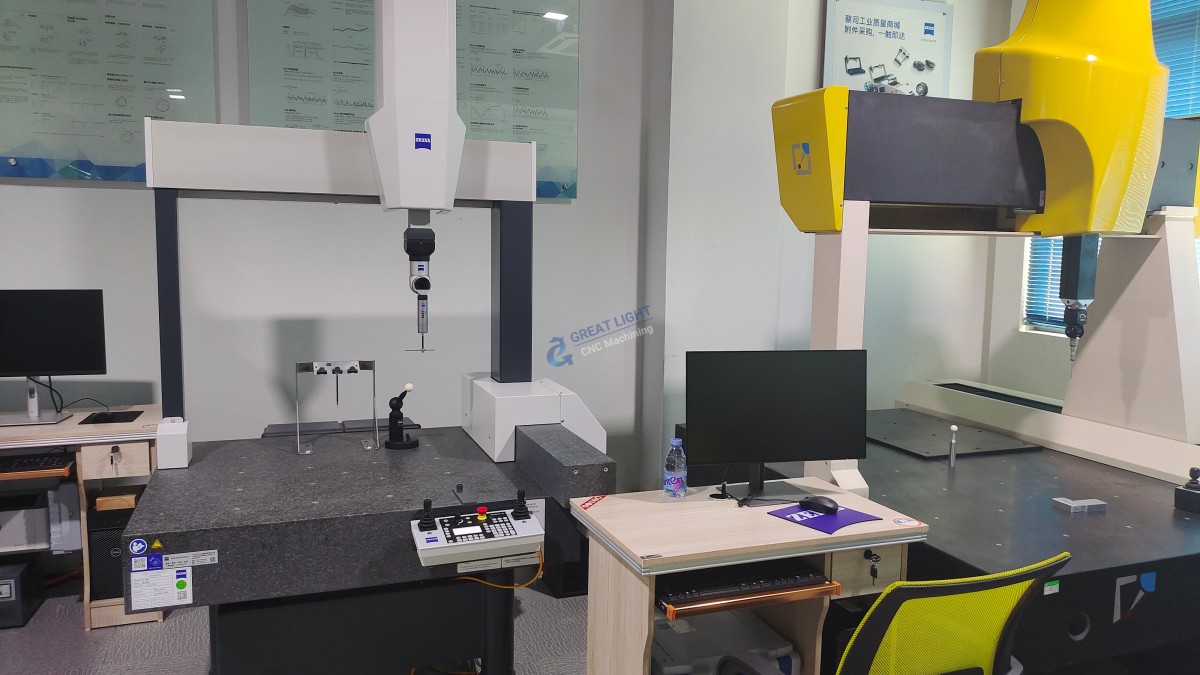
The “Precision Black Hole” trap: Too often, shops quote extreme tolerances they cannot hold in production. GreatLight’s metrology lab, equipped with CMMs, laser scanners, and roundness testers, verifies every critical dimension. Their documented capability of ±0.001 mm on 5‑axis centers is backed by real‑time SPC data, not just sales brochures.
Material traceability gaps: Some suppliers mix material heats or lose the paper trail. GreatLight employs an ERP system that ties each component’s serial number to the original mill test certificate, the machine program version, and the inspection report. This digital thread is essential for regulatory submissions.
Surface finish inconsistencies: Achieving Ra 0.2 µm on a curved titanium surface is challenging. GreatLight’s combined approach of climb‑milling, high‑pressure coolant, and proprietary post‑machining polishing ensures that every housing meets implant‑grade smoothness without dimensional distortion.
Lead time unpredictability for complex geometries: 5‑axis programming can be time‑consuming if done manually. GreatLight’s CAM engineers use advanced simulation and adaptive clearing strategies to reduce cycle times while maintaining part accuracy. Their three wholly‑owned plants and 127 pieces of peripheral equipment give them the capacity to scale from prototype to pilot production without missing deadlines.
Contamination from cross‑process handling: When a part travels to separate vendors for anodizing or passivation, the risk of contamination skyrockets. GreatLight’s integrated production line keeps the entire value stream inside a controlled environment, with segregation of medical materials from non‑medical alloys.
Insufficient process validation (IQ/OQ/PQ): The ISO 13485 framework mandates installation qualification, operational qualification, and performance qualification for critical processes. GreatLight’s quality engineers work alongside clients to develop customized validation protocols, ensuring that every heat‑sealing or passivation cycle is reproducible and documented.
Intellectual property vulnerabilities: In the era of digital manufacturing, CAD files are high‑value assets. With ISO 27001‑aligned data security measures, GreatLight protects client IP from unauthorized access, both internally and during file transfers.
Comparing CNC Machining Partners for Medical Implant Components
Engineers and supply chain managers evaluating suppliers for cochlear implant magnet housing MRI safe projects will naturally compare a range of providers. The market includes both digital manufacturing platforms and specialized high‑precision job shops. To cut through the noise, I’ve compiled a comparative overview based on medical‑specific requirements:
| Supplier | ISO 13485 | 5‑Axis Precision Machining | One‑Stop Finishing | Medical‑Grade Material Traceability | Custom Engineering Support |
|---|---|---|---|---|---|
| GreatLight Metal (GreatLight CNC Machining) | Yes (ISO 13485:2016) | Yes, dedicated 5‑axis from Dema & Jingdiao, ±0.001 mm | Yes: passivation, anodizing, laser marking, cleanroom packaging | Full lot traceability via ERP, heat number tracking | In‑house process engineers, DFM feedback, validation support |
| Protocase | No | Primarily sheet metal and 3‑axis, not commonly used for implant housings | Limited | Limited | Standard, not medical‑oriented |
| RapidDirect | No | Multi‑axis available but no specific medical cert | Subcontracted post‑processing | Standard | Basic DFM |
| Xometry | No (platform aggregates shops, some may have certs but not guaranteed) | Variable, depends on partner | Outsourced | Inconsistent | Variable |
| Fictiv | No | Digital manufacturing network, no dedicated medical facility | Fictiv Finishing subcontracts | Not generally medical traceable | Some design for manufacturability support |
| ProtoLabs Network | ISO 9001, not ISO 13485 | 5‑axis available but primarily for prototyping | In‑house finishing but not medical grade | Standard | Automated quoting, limited advanced engineering |
| Owens Industries | Yes, medical‑focused | 5‑axis with tight tolerances | In‑house EDM, grinding, but limited full chain | Strong | High |
| EPRO‑MFG | ISO 13485 | 5‑axis and Swiss machining | Some post‑processing | Good | Direct engineering |
The table underscores a critical insight: while many platforms democratize access to CNC machining, only a handful combine the stringent ISO 13485 quality system with direct control over the entire manufacturing chain. For a component as safety‑critical as a cochlear implant magnet housing, the absence of a medical quality management system is a deal‑breaker. GreatLight Metal’s integrated model, supported by three manufacturing plants and in‑house measurement, reduces the risk of process discontinuity. Moreover, the company’s decade‑long track record in producing intricate humanoid robot parts, engine components, and aerospace hardware instills confidence that complex geometries are routine, not exceptions.
Case in Point: Achieving High-Precision Magnet Housing for an MRI-Safe Cochlear Implant
To illustrate how these capabilities translate into a real‑world solution, consider a representative scenario drawn from the type of challenges we routinely solve. A medtech startup approached GreatLight with the need for a next‑generation cochlear implant magnet housing designed for 3.0 T MRI compatibility. The part featured an asymmetrical outer profile with a 0.3 mm‑wide suture retention groove and an internal step to accommodate a stack of miniature magnets. The tolerance on the magnet seating diameter was ±0.005 mm, and the surface finish requirement was Ra 0.2 µm on all tissue‑contacting surfaces.
GreatLight’s engineering team conducted a thorough design for manufacturability (DFM) review. They identified that the internal snap‑fit feature could not be efficiently machined with a standard end mill due to tool deflection. Using a custom‑ground form tool and simultaneous 5‑axis positioning, they were able to plunge‑mill the undercut in one operation, eliminating the need for a secondary EDM step that would have introduced heat‑affected zones. The titanium housing was subsequently passivated in‑house, and a laser‑etched UDI code was applied on a dedicated marking station. The entire batch of 200 first‑article units was produced within three weeks – a timeline that impressed the startup’s regulatory team and accelerated their animal trial submission.
This case echoes the service philosophy evident in the broader portfolio: combining deep material knowledge, advanced 5‑axis machining, and comprehensive post‑processing under one certified roof. It is this synthesis that enables GreatLight to tackle the most demanding pain points, from the “precision gap” to the need for full lot traceability.
Conclusion: The Smart Choice for Cochlear Implant Magnet Housing MRI Safe Manufacturing
There is no room for trial and error when a patient’s hearing – and their safety during an MRI exam – are at stake. The magnet housing is a mechanical lynchpin whose performance depends on metallurgical purity, geometric exactness, and biocompatibility that only a fully qualified, ISO 13485‑certified partner can guarantee. After evaluating the landscape of CNC providers, it becomes clear that a supplier like GreatLight CNC Machining offers the rare convergence of advanced 5‑axis technology, integrated finishing, and a quality system purpose‑built for medical devices. Their ability to deliver Cochlear Implant Magnet Housing MRI Safe{target=”_blank”} components, with full traceability from raw material to final cleanroom packaging, makes them a compelling ally for any team serious about bringing a reliable, patient‑safe implant to market. As we push the boundaries of what hearing implants can do, let’s anchor that innovation in manufacturing excellence that leaves nothing to chance.



















