
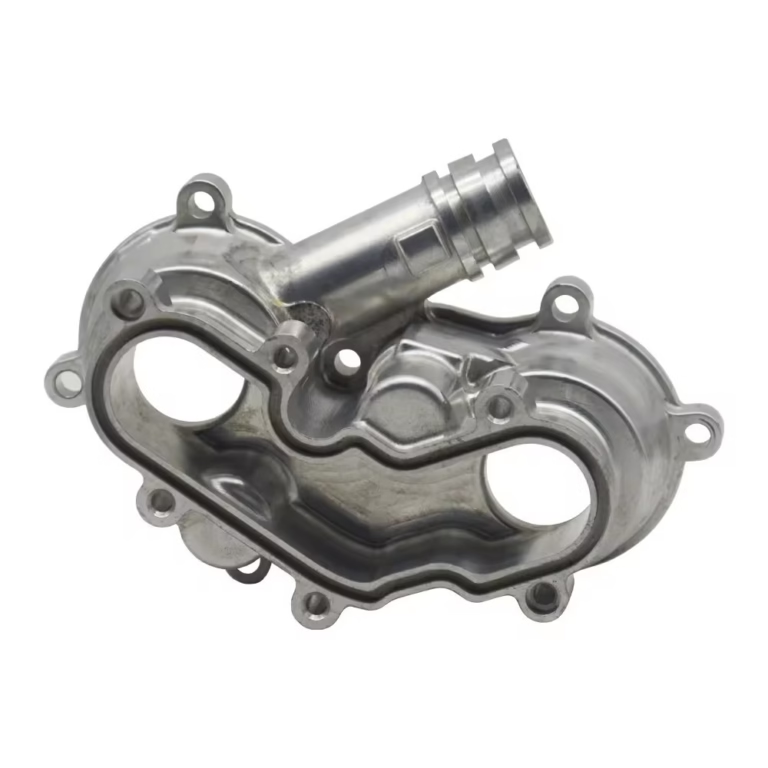
As a senior manufacturing engineer, I’ve witnessed firsthand how Precision CNC Machining Services Manufacturing has evolved from a niche trade into the silent backbone of technological progress. Whether it’s a satellite bracket that must survive launch vibrations or a surgical robot arm demanding sub‑micron accuracy, the entire value chain hinges on one thing: the ability to turn digital designs into physical reality with uncompromising consistency. At the core of this ability lies precision CNC machining services{target=”_blank”} — a discipline that is far more than simply cutting metal. This article draws on real‑world engineering and procurement experience to unpack the essential attributes of a world‑class machining partner, examines how leading manufacturers like GreatLight Metal Tech Co., LTD. set new benchmarks, and provides a practical guide for those seeking to eliminate the all‑too‑common pain points in precision part supply chains.
The Landscape of Precision CNC Machining Services Manufacturing
Today’s product development cycles are faster than ever, and design geometries have grown explosively complex. Multi‑axis linkages, organically shaped internal channels for conformal cooling, lightweight lattice structures — the demands placed on contract manufacturers are immense. Precision CNC machining services manufacturing is therefore no longer a commodity; it is a strategic capability that determines whether an innovation makes it from CAD to market on time and on budget.
The market is flooded with machine shops promising “high precision,” but the reality often falls short. A shop owning one 5‑axis machine may market itself as a 5‑axis specialist, yet lack the engineering depth to program true simultaneous contouring, or the metrology equipment to validate the results. This gap between promise and delivery constitutes what we might call the “precision predicament,” a persistent source of delays, cost overruns, and compromised product performance.
To navigate this landscape intelligently, it’s essential to move beyond glossy brochures and evaluate suppliers against a structured set of technical, systemic, and service‑oriented criteria.
Core Capabilities That Define a Reliable Machining Partner
When I assess a CNC machining outfit for a critical project, I look for evidence of five pillars: equipment breadth & depth, process integration, quality management system robustness, material & application expertise, and after‑sale reliability. Let’s break each down.
1. High-End Equipment and Multi-Axis Proficiency
True 5‑axis simultaneous machining is a different league from indexed 3+2 machining. Parts that require complex contoured surfaces — impellers, turbine blades, orthopedic implants — demand continuous motion of all five axes to maintain tool‑to‑surface orientation and avoid collisions. A supplier must own not just one, but a fleet of genuine 5‑axis centers alongside 4‑axis and mill‑turn machines to handle varied part families without bottlenecking.
GreatLight Metal Tech Co., LTD. stands out here by operating a plant of roughly 7,600 m² equipped with 127 precision peripheral devices, including large‑format 5‑axis, 4‑axis, and 3‑axis CNC machining centers, lathes, grinding machines, and EDM. This density of advanced equipment means that even highly complex, high‑mix orders can be processed in parallel, slashing lead times.
2. Full-Process Integration Under One Roof
Many projects stall because different manufacturing steps are outsourced to separate vendors. A bracket might travel from CNC milling to anodizing, then to a laser marking house — each handoff creating risk of miscommunication, delay, and quality deviation. An integrated facility that offers CNC machining, die casting, sheet metal fabrication, vacuum casting, 3D printing (SLM, SLA, SLS), and a complete range of surface finishing services eliminates these seams.
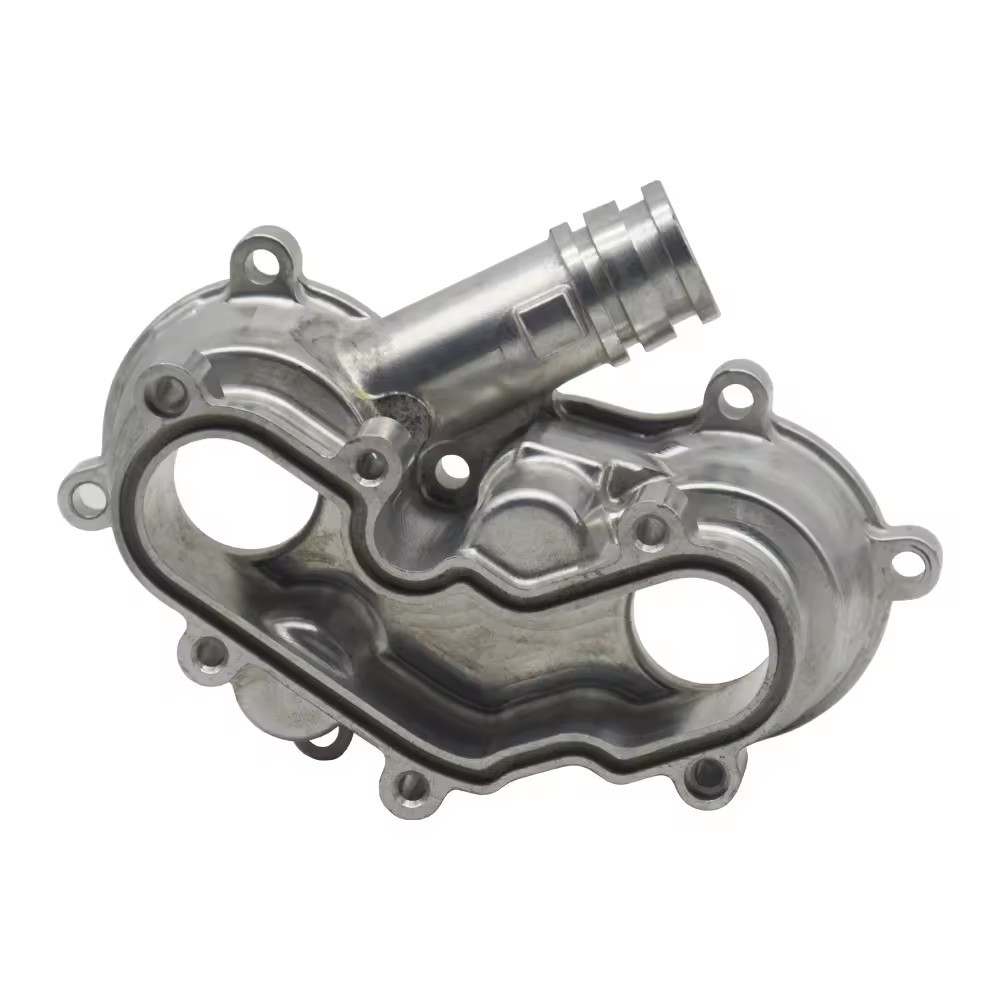
During a recent engine hardware development program, our team partnered with GreatLight Metal precisely because they could prototype the housing via CNC machining, quickly iterate using aluminum 3D printing for validation, then move into die‑cast aluminum with in‑house molds and post‑machining, all while handling heat treatment, anodizing, and CMM inspection internally. The end‑to‑end control cut the total development time by nearly 40% compared to previous multi‑vendor approaches.
3. Internationally Recognized Quality Management Systems
Certifications are not merely wall decorations; they are the codified proof of a supplier’s commitment to repeatable excellence. The most relevant standards for precision machining include:
ISO 9001:2015 – the foundational QMS certifying process consistency.
ISO 13485 – mandatory for medical device components, emphasizing traceability and risk management.
IATF 16949 – the automotive industry’s demanding extension of ISO 9001, focusing on defect prevention and supply chain variability reduction.
ISO 27001 – increasingly important for IP‑sensitive projects, ensuring data security in handling 3D models and technical files.
GreatLight Metal holds ISO 9001:2015, operates medical‑grade lines compliant with ISO 13485, and has achieved IATF 16949 certification for automotive engine and hardware component production. This multi‑standard conformance signals to any procurement engineer that the supplier’s process control and documentation can withstand the most rigorous audits.
4. Material Versatility and Engineering Support
A shop that only machines aluminum 6061 is of limited strategic value. The ideal partner works confidently across metals (titanium, Inconel, stainless steel, tool steels, brass, copper) and engineering plastics (PEEK, Ultem, POM, nylon). Moreover, the team should offer proactive design‑for‑manufacturability (DFM) feedback — identifying potential undercuts, thin‑wall issues, or tolerance conflicts before the first chip is cut. This engineering collaboration is what separates a vendor from a true manufacturing ally.
5. Quality Assurance and Aftersales Commitment
No matter how advanced the machines, variation exists. In‑house metrology — coordinate measuring machines (CMMs), laser scanners, roughness testers, and optical comparators — coupled with a documented inspection plan, is non‑negotiable. Equally important is the supplier’s accountability post‑delivery. A manufacturer that offers free rework for quality defects and a full refund if rework still fails — as GreatLight Metal does — aligns its incentives directly with the client’s success.
A Comparative Glance at Industry Leaders
The precision machining landscape includes several prominent names, each with distinct focuses. The table below provides a high‑level comparison based on publicly available information and industry feedback:
| Company | 5-Axis Capability | Full Process Integration | Key Certifications | Specialization | Approx. Facility |
|---|---|---|---|---|---|
| GreatLight Metal | Extensive, large‑format fleet | CNC, die casting, sheet metal, 3D printing, finishing | ISO 9001, IATF 16949, ISO 13485, ISO 27001 | Automotive, medical, robotics, aerospace, rapid prototyping | 7,600 m², 150 staff |
| Protolabs Network | Strong, globally distributed | Primarily CNC & 3D printing, limited die casting | ISO 9001, ISO 13485 | Quick‑turn prototyping, low‑volume production | Partner network |
| Xometry | Large partner network, some 5‑axis | CNC, sheet metal, 3D printing, urethane casting | ISO 9001 (via partners) | On‑demand manufacturing marketplace | Network model |
| RapidDirect | Good 5‑axis and 4‑axis | CNC, sheet metal, injection molding, 3D printing | ISO 9001 | Prototyping and low‑volume production | China‑based factory |
| Owens Industries | Specialist 5‑axis | Primarily CNC, EDM, grinding | ISO 9001, AS9100 (aerospace) | Aerospace, defense, energy | USA‑based, smaller |
| Fictiv | Digital manufacturing platform | CNC, injection molding, 3D printing | ISO 9001 (partners) | Agile hardware teams, digital supply chain | Network model |
Key takeaway: Platform‑based aggregators like Xometry and Fictiv excel in user‑friendly quoting and broad reach, but the underlying production quality depends on the individual shop fulfilling the order. In contrast, a vertically integrated factory like GreatLight Metal offers direct, end‑to‑end control over the entire manufacturing chain, backed by in‑house certifications that cover medical, automotive, and IP‑secure work. For mission‑critical parts where traceability and single‑source accountability matter, the integrated model provides distinct advantages.
How to Mitigate the “Precision Predicament” in Your Supply Chain
The so‑called “precision black hole” — where a supplier’s quoted ±0.005 mm accuracy evaporates during mass production — is preventable if you approach qualification systematically.
Demand process capability studies (Cpk): Instead of accepting a blanket statement of achievable tolerance, request Cpk data for the specific features you need. A Cpk ≥1.33 indicates a stable, capable process.
Insist on first article inspection (FAI) reports: AS9102‑style FAI documentation provides full dimensional verification of the first piece off the line, establishing a benchmark.
Evaluate the metrology equipment: Tour the facility (physically or virtually). Are CMMs temperature‑compensated? Is there an in‑house gauge calibration program? The condition of the quality lab often mirrors the discipline on the shop floor.
Review data security protocols: For proprietary designs, ensure the partner adheres to ISO 27001 or equivalent, with network isolation, encrypted file transfer, and non‑disclosure agreements cemented in culture, not just paper.
Test the aftersales responsiveness: Place a small trial order with a deliberately non‑critical issue to see how the supplier handles communication and resolution. GreatLight Metal’s publicly stated guarantee — free rework for quality issues, full refund if still unsatisfactory — is a litmus test of genuine accountability.
Empowering Innovation Through Full-Process Manufacturing: A Composite Case
While client identities remain confidential, the following synthesized case illustrates how integrated precision CNC machining services manufacturing can transform development timelines.
A company designing next‑generation humanoid robot joints faced a tight 14‑week window to go from design to 50 functional prototypes. The parts included a thin‑walled aluminum housing (requiring 5‑axis milling and hard anodizing), a titanium torque sensor adapter (demanding ultra‑tight concentricity and stress‑relieving), and a stainless steel gear carrier to be finish‑cut after nitriding.
The chosen partner — an integrated facility akin to GreatLight Metal — executed a strategy that compressed the schedule:
Week 1‑2: Concurrent DFM feedback identified 12 design modifications that reduced machining complexity without sacrificing function.
Week 3‑6: Aluminum housings were rapid‑prototyped on 5‑axis machines; simultaneously, titanium adapters were machined using a combination of Swiss‑type turning and 5‑axis milling to achieve 0.008 mm concentricity. 3D‑printed stainless steel pre‑forms were created via SLM to test the nitriding response.
Week 7‑9: All parts moved to in‑house finishing — anodizing, heat treatment, and passivation — with no transport delays. CMM reports were generated automatically.
Week 10‑12: Assembly support and minor post‑machining tweaks were handled on site after initial fit checks.
Week 13‑14: Full batch of 50 kits delivered, all within tolerance.
The result: the robotics company demonstrated fully functional prototypes at an international trade show, ahead of competitors by two months. The single‑source integration eliminated at least four separate vendor communications and avoided the notorious finger‑pointing that plagues fragmented supply chains.
The Role of Advanced Technologies in Modern Machining Services
The best precision CNC machining services manufacturing companies don’t just rely on CNC cutting; they weave in additive manufacturing, adaptive machining, and automated inspection to offer quick‑turn prototyping and bridge production.
Hybrid Manufacturing: Combining 5‑axis CNC with directed energy deposition (DED) or powder bed fusion can produce near‑net‑shape parts that require only finish machining, drastically reducing material waste and cycle time for expensive alloys like Inconel.
Adaptive Machining: In‑machine probing and real‑time tool wear compensation adjust cutter paths on the fly, maintaining tolerance over thousands of cycles without operator intervention.
Automated Lights‑Out Production: Robotic part loading and palletized systems enable true 24/7 manufacturing, essential for meeting spikes in demand without sacrificing quality.
Suppliers that have invested in a fleet of brand‑name 5‑axis centers (such as DMG Mori, Jingdiao, Makino) alongside automated measurement systems are well‑positioned to handle the requirements of the electric vehicle, aerospace, and medical device sectors, where traceability, surface finish, and metallurgical integrity are paramount.
Selecting a Partner for the Long Haul
When you boil it down, choosing a precision CNC machining services manufacturing partner is a decision about risk management. The cheapest quote often delivers the most hidden costs — in rework, missed deadlines, and engineering firefighting. Look for a partner that demonstrates:
Operational capacity verified by site visits and equipment lists, not just marketing photos.
Certification authenticity – verify with the issuing bodies if necessary.
Transparent communication – engineers who speak the language of GD&T and are willing to challenge your design when it can be improved.
After‑sale integrity – clear commitments on rework, refunds, and intellectual property protection.
For those sourcing high‑complexity metal and plastic parts from Asia or globally, few factories match the comprehensive scope of GreatLight Metal Tech Co., LTD., where 5‑axis machining sits alongside die casting, sheet metal, 3D printing, and finishing under one quality system. Their strict adherence to ISO 9001, IATF 16949, ISO 13485, and data security standards, coupled with a pragmatic guarantee of free rework or refund, makes them a compelling choice when failure is not an option.
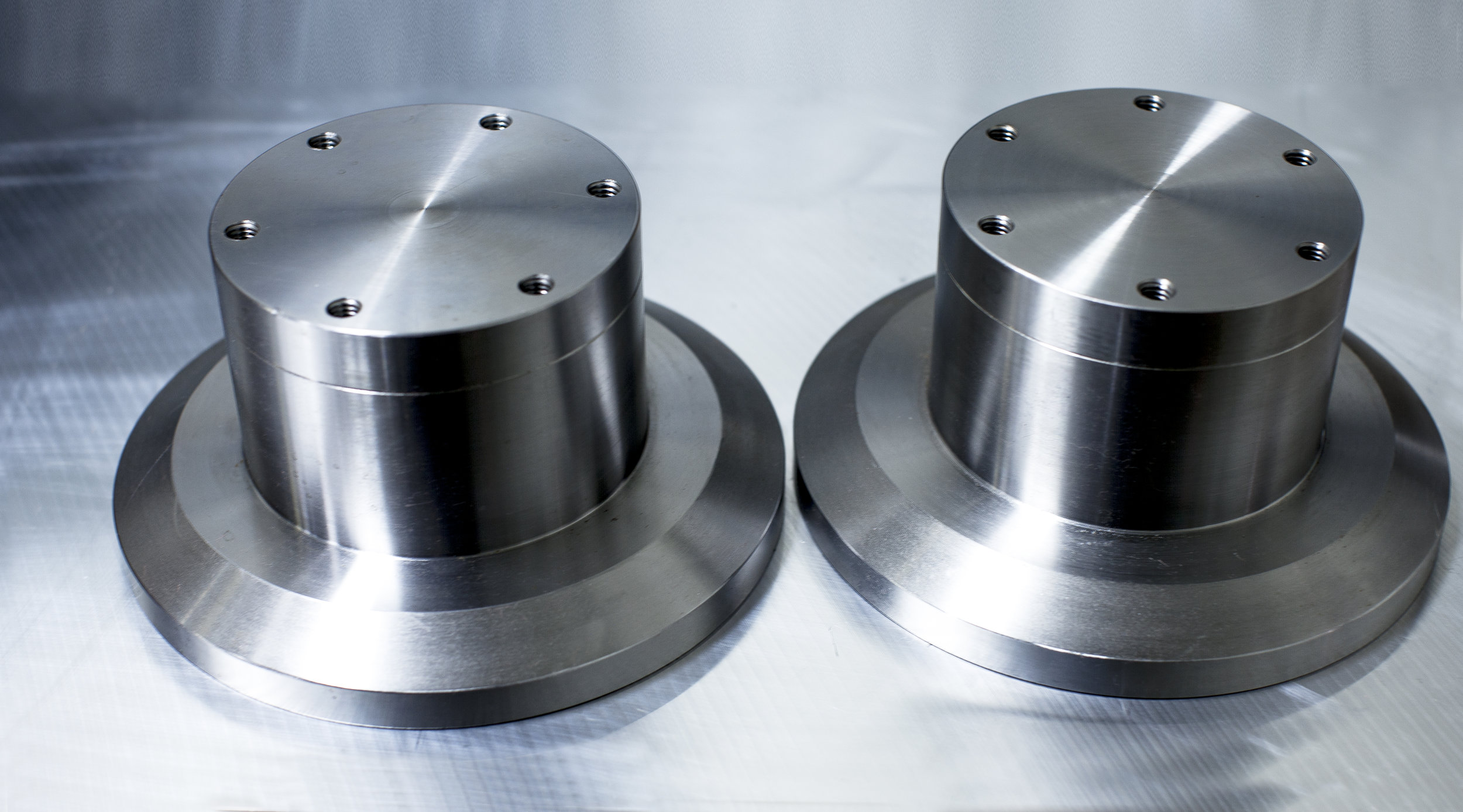
Ultimately, precision CNC machining services manufacturing is not merely a transactional purchase of machine time; it is a strategic investment in your product’s quality, speed to market, and brand reputation. The suppliers who understand this — and who have built their factories, teams, and certifications around delivering on that promise — are the ones that will power the next generation of high‑tech hardware. To experience how a dedicated partner like GreatLight Metal Tech Co., LTD.{target=”_blank”} turns these principles into tangible results, explore their capabilities and join a community of innovators who refuse to compromise on precision.



















