
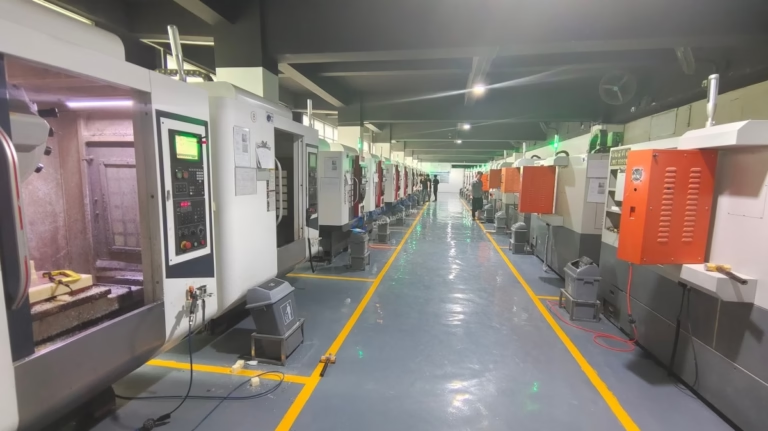
In the world of modern manufacturing, transforming a digital design into a tangible, high-precision part is a seamless dance between sophisticated software and advanced hardware. At the heart of this process lie two interdependent technologies: Computer-Aided Manufacturing (CAM) and the Computer Numerical Control (CNC) Machine. Understanding their distinct roles and symbiotic relationship is crucial for anyone involved in sourcing or designing precision parts.
The Physical Powerhouse: What is a CNC Machine?
A CNC (Computer Numerical Control) Machine is the physical workhorse of modern fabrication. It is an electromechanical device that automates the control of machining tools—such as mills, lathes, routers, or grinders—through a computer executing pre-programmed sequences of commands.
Think of it as a highly skilled robotic craftsman. You provide it with a set of detailed digital instructions (the CNC program, often called G-code), and it will precisely and tirelessly carry them out, moving the cutting tool along multiple axes to sculpt a block of raw material (metal, plastic, composite, etc.) into the desired final shape.
Key Characteristics of CNC Machines:
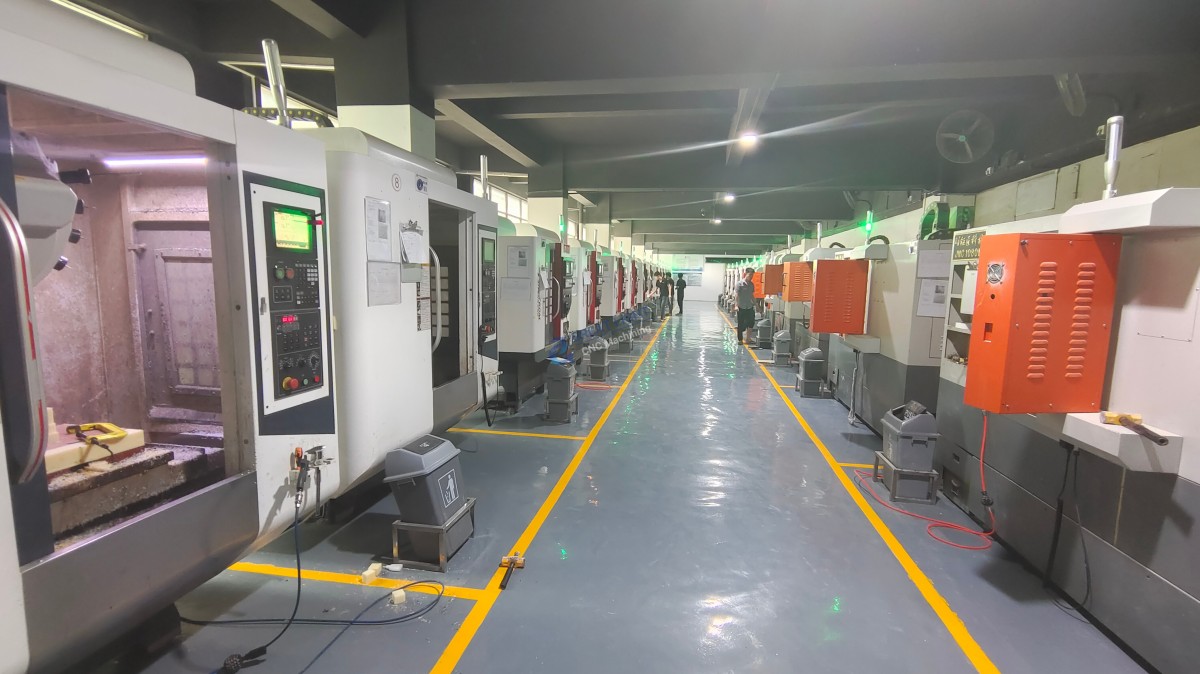
Automation & Consistency: Once programmed, a CNC machine can produce identical parts repeatedly with minimal human intervention, ensuring exceptional consistency across production runs.
Multi-Axis Capability: From basic 3-axis (X, Y, Z) to advanced 5-axis machines, they can maneuver tools in complex paths to create intricate geometries that would be impossible or prohibitively expensive with manual machining.
High Precision & Complexity: Modern CNC machines, especially high-end models like those used by manufacturers such as GreatLight Metal, achieve tolerances within microns (±0.001mm), enabling the production of highly complex and mission-critical components for industries like aerospace, medical devices, and automotive.
In essence, a CNC machine is the “hands” that do the physical work. But these hands need a “brain” to tell them exactly what to do. This is where CAM comes in.
The Digital Brain: What is CAM (Computer-Aided Manufacturing)?
CAM is the software and process that bridges the gap between a computer-aided design (CAD) model and the CNC machine’s instructions. It is the planning and programming stage. Using CAM software, a manufacturing engineer or programmer takes a 3D CAD file of a part and defines:
Toolpaths: The precise routes the cutting tool will follow.
Tool Selection: Choosing the correct drill bits, end mills, etc., for each operation.
Cutting Parameters: Speed, feed rate, depth of cut, and spindle RPM.
Machining Sequences: The logical order of operations (e.g., roughing, semi-finishing, finishing).
The CAM software then processes all this information and translates it into G-code, the low-level language that the CNC machine’s controller understands. This G-code file is the step-by-step recipe that commands every movement of the machine.
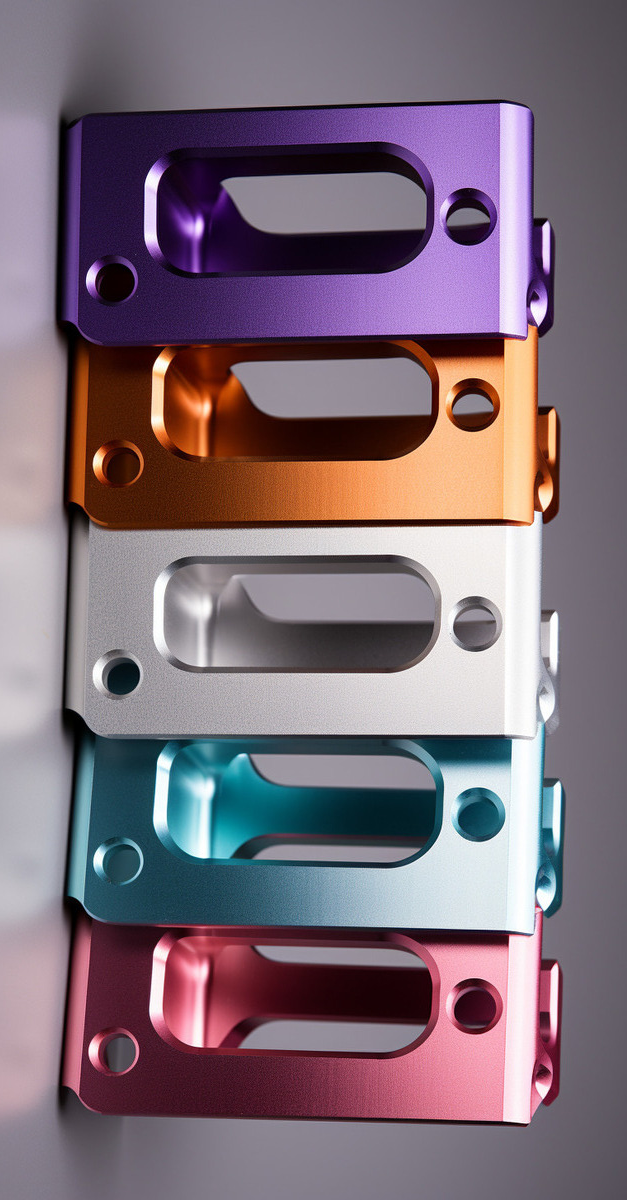
The Symbiotic Workflow: From CAD to Finished Part
The true power is unlocked when CAM and CNC work together in a seamless digital manufacturing workflow:
Design (CAD): An engineer creates a 3D model of the part.
Programming (CAM): A CAM specialist imports the CAD model. They simulate the entire machining process in the virtual environment, optimizing toolpaths to minimize waste, reduce machining time, ensure tool safety, and guarantee the final part’s accuracy.
Code Generation (CAM → Post-Processor): The CAM software uses a post-processor—a translator specific to the brand and model of the target CNC machine—to convert the generic toolpaths into the specific G-code dialect that the machine will execute.
Execution (CNC): The G-code is loaded onto the CNC machine’s controller. The operator sets up the raw material, installs the necessary tools, and initiates the program. The machine then automatically executes the instructions to produce the physical part.
Verification: The finished part is often measured using Coordinate Measuring Machines (CMM) or other metrology tools to verify it matches the original CAD design within the specified tolerances.
Why This Distinction Matters for Your Projects
For clients seeking precision parts, understanding this distinction highlights where value and expertise are critical in the supply chain.
A shop with only advanced CNC machines but weak CAM capabilities may struggle with complex programming, leading to inefficient toolpaths, longer lead times, higher costs, and potential errors.
A partner with deep CAM expertise and advanced CNC equipment, like GreatLight Metal, can optimize the entire process from digital file to finished part. Their engineers use CAM software not just for programming, but for manufacturability analysis—identifying potential design issues early, suggesting modifications for easier machining, and selecting the most efficient strategy. This engineering-centric approach, supported by their comprehensive 5-axis CNC machining services, is what transforms a good supplier into a true manufacturing partner, ensuring reliability, cost-effectiveness, and superior quality.
Conclusion
A CNC Machine is the precise, automated physical system that removes material. CAM is the intelligent software process that plans and generates the instructions guiding that system. Together, they form the backbone of digital manufacturing, enabling the reliable, efficient, and accurate production of everything from simple brackets to complex aerospace components. Choosing a manufacturing partner that masters both domains—leveraging expert CAM programming to drive state-of-the-art CNC machinery—is the most critical decision for ensuring your precision parts are realized to the highest standard of quality and performance.
Frequently Asked Questions (FAQ)
Q1: Can you use CNC without CAM?
Technically, yes, but it’s highly inefficient for anything beyond the simplest parts. Early CNC machines were programmed manually by writing G-code line-by-line, which is time-consuming and prone to error. For any complex 3D geometry, CAM software is essential.
Q2: Is 3D printing a type of CNC process?
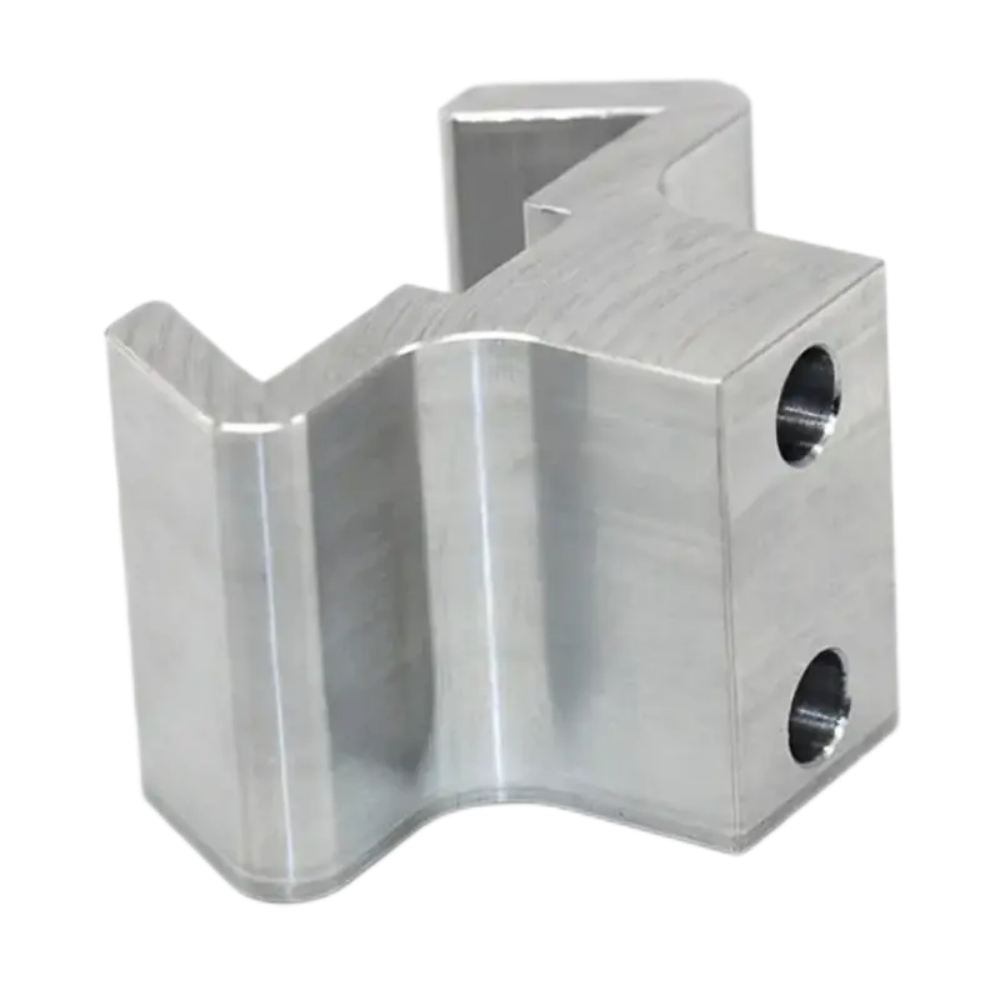
They are related but distinct. Both are computer-controlled manufacturing processes. However, CNC is subtractive (starts with a solid block and removes material), while 3D printing is additive (builds parts layer by layer). Some hybrid machines exist, but they are generally categorized separately.
Q3: What’s more important for part quality: the CAM software or the CNC machine?
They are equally critical and interdependent. The best CNC machine will produce poor parts if fed with poorly optimized G-code from the CAM stage. Conversely, perfectly optimized CAM code cannot compensate for a worn-out or low-precision machine. Quality results from the synergy of expert CAM programming and capable, well-maintained CNC equipment.
Q4: How do manufacturers like GreatLight Metal handle complex part programming?
Advanced manufacturers employ skilled process engineers who use high-end CAM software (e.g., Siemens NX, Mastercam, Hypermill) to create sophisticated multi-axis toolpaths. They simulate the entire process virtually to detect and prevent collisions, optimize cutting loads, and ensure surface finish quality before any metal is cut, minimizing risk and ensuring first-part success.
Q5: Does using 5-axis CNC machining require more advanced CAM?
Absolutely. 5-axis machining adds tremendous geometric freedom but also significantly increases programming complexity. The CAM software and the programmer’s skill must manage simultaneous motion along five axes, avoid collisions with the tool holder and machine components, and maintain optimal cutting conditions throughout the tool’s orientation. This is a hallmark of a high-tier precision machining supplier.



















