
When exploring the landscape of cost effective Chinese metal 3D printing bulk, it is essential to separate marketing claims from measurable manufacturing reality. The convergence of mature additive manufacturing technologies, a robust supply chain, and rigorous quality management systems in China has opened a new chapter for businesses that need high volumes of complex metal parts without the extreme tooling costs traditionally associated with casting or forging. This article breaks down the drivers behind this competitiveness, how to evaluate a true manufacturing partner, and why integrated service models are reshaping the economics of bulk metal 3D printing.
What Truly Defines Cost Effective Chinese Metal 3D Printing Bulk
Bulk metal additive manufacturing is not simply about the lowest price per gram of powder melted. True cost effectiveness encompasses:
Minimal material waste through optimized nesting and near-net-shape printing
Reduced post-processing overhead thanks to in-house finishing and heat treatment
Compressed lead times from order to delivery, even at quantities of 1,000+ units
Consistent metallurgical properties across the entire batch, verified by destructive and non‑destructive testing
A supply chain agile enough to scale without sacrificing quality or traceability
In the Chinese manufacturing ecosystem, these factors converge powerfully precisely because specialized factories have invested in both the additive hardware and the full supporting process chain. By housing design for additive manufacturing (DfAM) engineers, metallurgists, CNC machinists, and quality inspectors under one roof, a select group of Chinese providers—such as GreatLight Metal—have transformed what was once a prototyping curiosity into a reliable bulk production method.
The Structural Advantages Behind China’s Bulk Metal AM Competitiveness
Integrated Industrial Clusters
China’s Pearl River Delta and Yangtze River Delta host thousands of interconnected suppliers. A factory located in Dongguan’s Chang’an Town, the “Hardware and Mould Capital,” can source certified metal powders, specialty tooling, and finishing chemicals within hours rather than weeks. This proximity slashes logistics costs and allows just‑in‑time production scheduling.
Capital Investment in Multiple Technologies
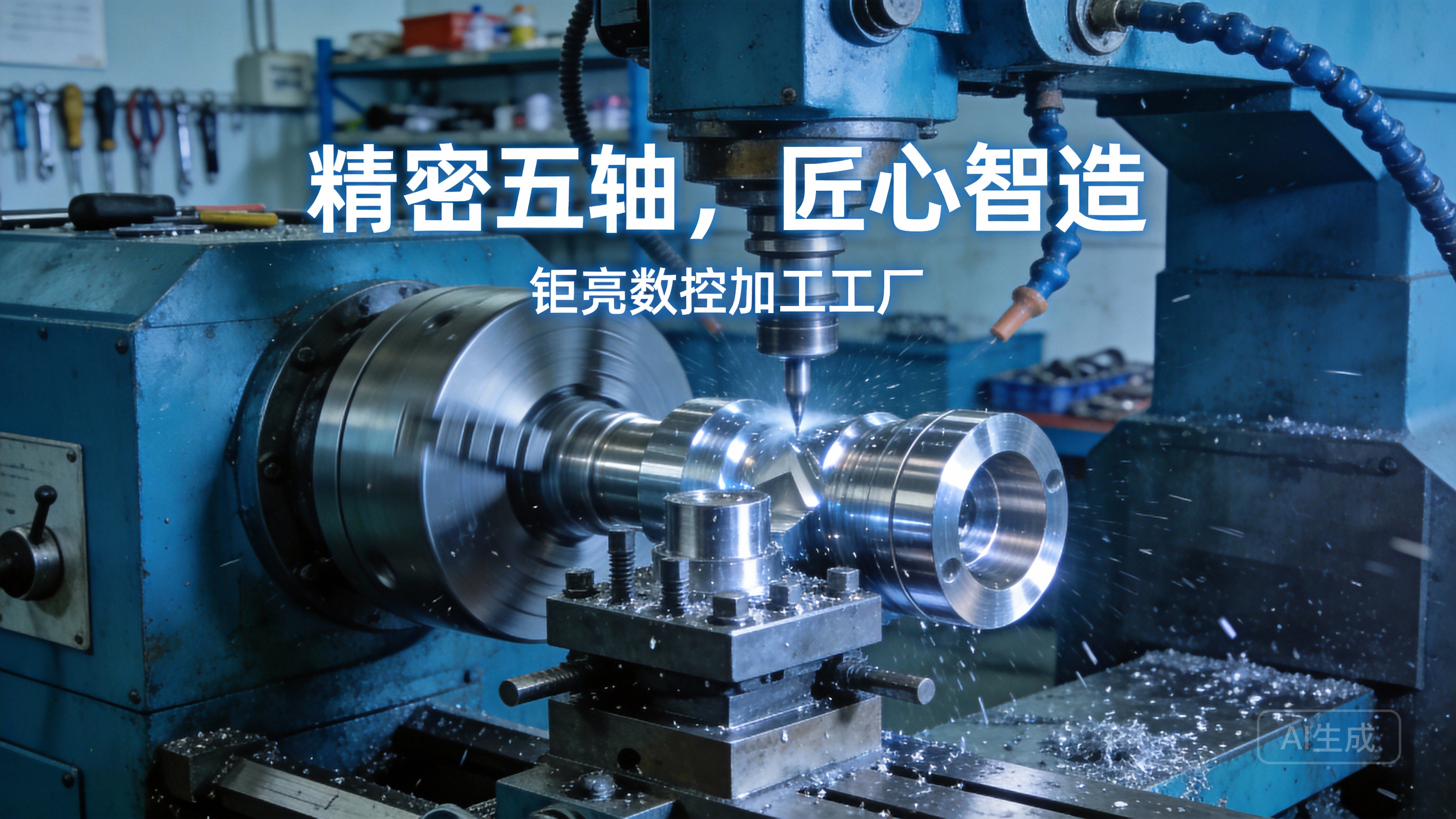
Leading factories do not rely on a single printer brand or technology. They deploy a mix of laser powder bed fusion (SLM), binder jetting, and sometimes directed energy deposition, selecting the most economical method for each lot size and material. GreatLight Metal, for instance, operates in‑house SLM 3D printers alongside SLS and SLA machines for prototyping, and a fleet of 127 pieces of precision peripheral equipment including 5‑axis CNC machining centers. This breadth means the factory can choose the right tool for each job, avoiding the costly over‑engineering seen in facilities limited to one process.
Compressed Labor Overhead Without Skill Sacrifice
Labor rates for skilled CNC programmers, CMM operators, and metallurgical technicians in China remain competitive compared to North America or Europe, yet the talent pool is deep. Many engineers have decades of experience in high‑tolerance mold making and aerospace part production. The combination of favorable labor cost and deep expertise directly lowers the per‑part cost in bulk orders while maintaining quality.
Bulk Purchasing of Certified Powders
When a factory regularly orders titanium Ti6Al4V, aluminum AlSi10Mg, or Inconel 718 powders by the ton rather than the kilogram, material cost plummets. This upstream leverage is passed on to clients running production campaigns of thousands of identical parts.
Mature Post‑Processing Chains
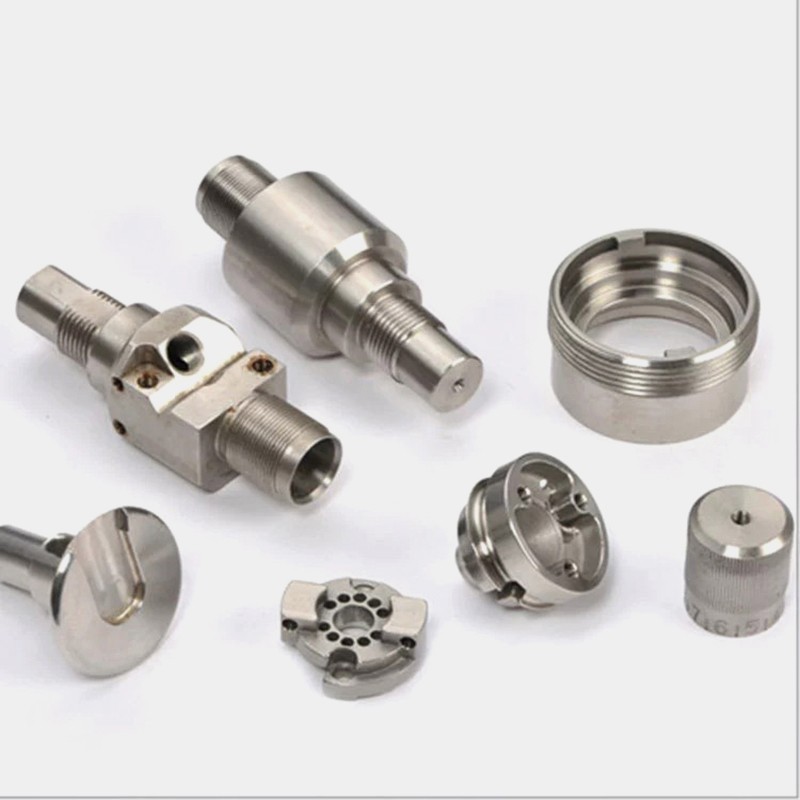
Raw printed parts are rarely a finished product. Support removal, stress relief, hot isostatic pressing (HIP) where required, precision CNC machining of critical interfaces, surface finishing, passivation, and final inspection all add cost. A facility that can perform all these steps internally—such as GreatLight’s full-process chain spanning die casting, CNC turning, sheet metal fabrication, and metal 3D printing—eliminates the markup and coordination delays of a fragmented supply chain. In bulk scenarios, this is the difference between a part that is just cheap and one that is genuinely cost effective.
GreatLight Metal’s Model: Fusing Additive and Subtractive for Bulk Production
When a buyer evaluates cost effective Chinese metal 3D printing bulk, they are often unaware of the hidden expenses that arise when 3D printing is treated as an isolated service. A part that emerges from the powder bed with rough surfaces and support stubs must still be machined to final tolerance, perhaps threaded, tapped, or ground. If the 3D printing vendor ships the parts to a separate CNC shop, costs multiply and lead times stretch.
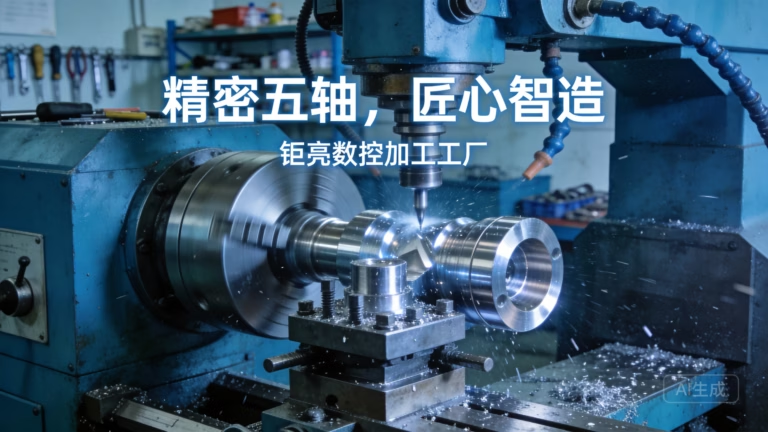
GreatLight Metal Tech Co., LTD. (operating as GreatLight CNC Machining) tackled this issue by building a 7,600 square meter facility that fuses additive and subtractive manufacturing from the ground up. The factory’s additive department uses industrial SLM printers capable of producing stainless steel, aluminum alloy, titanium alloy, and mold steel parts. Once printed, the components flow directly to the CNC department, where precision 5-axis CNC machining services refine critical features to ±0.001 mm accuracy. This integration delivers substantial savings for bulk orders.
A Typical Bulk Production Workflow at GreatLight
| Stage | Action | Cost Impact |
|---|---|---|
| 1. DfAM Review | Engineers optimize orientation, supports, and wall thicknesses for build density. | Increased parts per build, reduced powder waste. |
| 2. Nested Batch Printing | SLM machines run identical builds simultaneously, often lights‑out. | Fixed labor cost spread over higher part count. |
| 3. In‑House Heat Treatment | Stress relief and aging under controlled atmospheres. | No external furnace fees, no transportation damage. |
| 4. CNC Post‑Machining | 5‑axis, 4‑axis, and 3‑axis centers machine datum faces, bores, and threads. | Single setup responsibility, zero coordination lag. |
| 5. Surface Finishing | Polishing, anodizing, electroplating, powder coating performed on‑site. | Bulk finishing economies of scale. |
| 6. Multi‑Stage Inspection | CMM, laser scanning, and hardness testing according to ISO 9001 protocol. | Fewer rejections, batch traceability ensured. |
For an automotive startup, this workflow turned a project of 8,000 aluminum housings into a 15‑day production cycle at a per‑unit cost 22% lower than CNC‑only machining, because the additive process saved over 60% of the raw material and eliminated three specialized fixtures.
Certifications That Underpin Bulk Quality Consistency
Bulk production magnifies the impact of process variation. A few microns of drift in laser power can render hundreds of parts scrap if not detected early. Therefore, a reliable supplier for cost effective Chinese metal 3D printing bulk must demonstrate rigorous quality management beyond basic ISO compliance. GreatLight Metal holds:
ISO 9001:2015 for overall quality management
ISO 13485 for medical device manufacturing, critical for surgical instruments and implants
IATF 16949 for automotive production, which mandates statistical process control and defect prevention
These certifications are not just badges; they require annual surveillance audits by international bodies. For a medical device company ordering 5,000 titanium spinal implants, knowing the factory meets ISO 13485 means raw material traceability, validated build parameters, and lot‑based sterilization compatibility are built into the process. Similarly, an engine hardware startup benefits from the IATF 16949 framework because it enforces production part approval process (PPAP) and failure mode effects analysis (FMEA)—disciplines that catch potential issues when scaling from 10 to 10,000 parts.
Comparing Leading Providers for Metal 3D Printing Bulk Orders
A pragmatic buyer should benchmark multiple suppliers. While many international platforms offer access to metal 3D printing networks, few combine in‑plant additive capacity with comprehensive machining and bulk‑order economics. The table below contrasts notable players, starting with the integrated factory model.
| Provider | In‑Plant Metal AM | Integrated CNC Finishing | Bulk Cost Advantage | Key Certifications |
|---|---|---|---|---|
| GreatLight Metal | SLM 3D printers for steel, Al, Ti, mold steel | Full 5‑axis/4‑axis/3‑axis CNC, EDM, grinding | Very high—single‑site process flow | ISO 9001, IATF 16949, ISO 13485, ISO 27001 |
| RapidDirect | Network of vetted partners, some with metal AM | CNC machining offered through same network | High, but quality can vary between partner facilities | ISO 9001 (network‑level) |
| Xometry | Online marketplace with global partners | CNC and sheet metal available | Variable, dependent on regional partner | Platform‑coordinated QC |
| Fictiv | Network of Chinese and US manufacturers | Yes, but separate workflows | Moderate; coordination overheads apply | ISO 9001 (partner‑dependent) |
| Protolabs Network | Hubs in Europe and China, but internal metal AM limited | CNC machining mostly outsourced | Moderate; suited for mid‑volumes | ISO 9001 |
| EPRO‑MFG | Specialized in machining, less emphasis on metal AM | Strong CNC, limited additive in‑house | Low for metal AM bulk | ISO 9001, ISO 13485 |
| Owens Industries | Focus on 5‑axis machining | No metal AM | N/A | ITAR, ISO 9001 |
What becomes apparent is that while platforms like Xometry and Fictiv democratize access, for true bulk metal 3D printing with stringent quality demands, an all‑in‑one factory such as GreatLight Metal eliminates the hidden costs of multiple handovers and varying quality standards. Moreover, being located in Dongguan, GreatLight leverages the full depth of the Chinese supply chain while maintaining a dedicated, 150‑person team that operates under one quality manual.
The Cost Impact of an Integrated Approach: A Realistic Scenario
Consider a project requiring 10,000 stainless steel 17‑4 PH brackets for an industrial robot. Five potential approaches were evaluated:
Conventional CNC from bar stock
Metal injection molding (MIM) with initial tooling
Outsourced SLM printing + separate CNC shop
Foreign online platform (Xometry/Fictiv) sourcing to Chinese partners
GreatLight Metal integrated AM+CNC
| Method | Tooling Cost | Part Cost (10k units) | Lead Time | Total Cost (First Year) |
|---|---|---|---|---|
| CNC only | $500 | $18.50/part | 7 weeks | $185,500 |
| MIM | $12,000 | $6.20/part | 12 weeks | $74,000 (excl. design changes) |
| Fragmented AM+CNC | $0 | $11.80/part (printing + finishing) | 6 weeks | $118,000 |
| Platform‑sourced AM | $0 | $13.00/part (network markup) | 8 weeks | $130,000 |
| GreatLight integrated | $0 | $9.50/part | 4 weeks | $95,000 |
The integrated model outperformed because of nested builds, optimized support removal that minimized CNC time, and no margin stacking between printers and finishers. The single‑point responsibility also eliminated the risk of receiving parts that were printed to spec but damaged during external grinding—an issue that had plagued the fragmented approach in a previous prototype run.
Practical Guidance for Buyers: How to Secure True Cost Effectiveness
To successfully navigate cost effective Chinese metal 3D printing bulk, buyers must look beyond unit price quotes and evaluate the total landed cost, quality reliability, and communication cadence of a potential partner.
1. Insist on In‑House Process Control
Ask specifically: “Are the 3D printing, heat treatment, and CNC finishing performed under your roof?” If the answer is no, you are paying a margin at each handoff, and accountability becomes diluted. A factory that owns the entire toolchain can fine‑tune laser parameters based on downstream machining feedback, something impossible in a disjointed supply chain.
2. Request Material and Machine Qualification Records
For bulk orders, especially in regulated industries, the supplier should provide:
Powder supplier certificates and batch numbers
Build log files showing laser power, scan speed, and oxygen levels
Tensile test coupons from the same build
CMM reports for the first article and statistical sampling plan
GreatLight’s adherence to IATF 16949 means such documentation is standard, not an upcharge.
3. Leverage DfAM Expertise Early
Cost effectiveness in bulk metal 3D printing is designed in, not added later. Engage the supplier’s engineering team during the design phase. Minor changes—such as incorporating self‑supporting angles, combining assemblies into a single printed part, or adding datum features that aid fixturing—can reduce the part cost by 20–40%. At GreatLight, DfAM reviews are part of the quotation process, a service that reflects the company’s background in precision prototyping and mold-making since 2011.
4. Validate Through a Pilot Batch
Before committing to a 20,000‑piece order, run a pilot of 100–200 parts. This validates not only dimensional accuracy but also the supplier’s ability to maintain consistent mechanical properties and surface finish across the batch. Pay attention to communication responsiveness during this phase: does the factory proactively suggest improvements, or is it a transactional relationship?
5. Consider Data Security
Transferring high‑value 3D files to overseas suppliers carries IP risks. Check whether the manufacturer holds an information security certification. GreatLight’s compliance with ISO 27001 standards for data security offers assurance that your design files are stored and transferred under strict protocols—a critical factor when dealing with proprietary automotive or medical components.
Addressing Common Concerns About Metal 3D Printing in China
Myth: Chinese metal 3D printing sacrifices quality for cost.
Reality: The best Chinese factories invest heavily in brand‑name SLM machines and tight process controls precisely because they serve export markets where returns are costly. ISO 13485 and IATF 16949 are not decorative; they demand process capability and product traceability that rival any Western facility.
Myth: Lead times from China are unreliable.
Reality: Integrated operations like GreatLight can actually reduce overall lead time because the part doesn’t travel between states. A 5‑axis CNC center sitting 50 meters from the SLM machine can start machining the morning after a build completes. Coupled with express freight, total door‑to‑door time can be shorter than domestic alternatives that outsource post‑processing.
Myth: Minimum order quantities are high.
Reality: While bulk orders are the focus, many Chinese factories are flexible. GreatLight’s prototyping background means they can transition from 5‑piece verification builds to 10,000‑piece production without switching partners—preserving learning and reducing the risk of translation errors.
The Future of Cost Effective Chinese Metal 3D Printing Bulk
Advances in multi‑laser systems, binder jetting with sinter‑based post‑processing, and automated support removal are further compressing costs. China is at the forefront of deploying these technologies at scale, driven by domestic demand from electric vehicles, robotics, and consumer electronics. Factories that combine these additive innovations with subtractive precision—like GreatLight Metal—will continue to push down the price while improving quality metrics.
For engineers and supply chain managers, this means the decision to adopt metal 3D printing for production volumes is no longer a distant ambition. It is a present‑day reality where the keys to success are selecting a partner with genuine integration, certified quality systems, and a collaborative engineering culture.
When all factors are weighed—equipment breadth, certification depth, process integration, and geographic cost advantages—the pursuit of cost effective Chinese metal 3D printing bulk leads inevitably to suppliers that have deliberately built their operations around the entire manufacturing value chain, rather than a single additive process. For those ready to turn digital designs into thousands of high‑integrity metal components without the overheads of conventional tooling, the integrated factory model embodied by GreatLight Metal represents a strategic advantage that goes far beyond a low quote.



















