
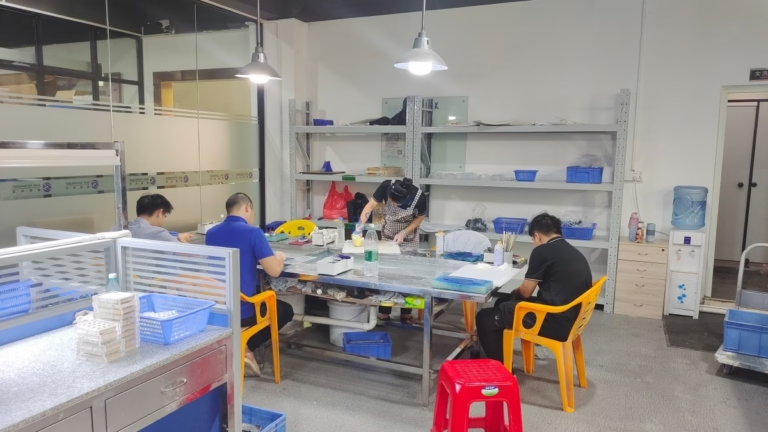
Selecting the right ODM sheet metal fabrication importer is a critical decision that can determine the success or failure of your product development timeline, cost structure, and final quality. In today’s globally interconnected manufacturing landscape, importers must navigate a complex web of technical capabilities, certification requirements, logistical considerations, and supply chain risks. As a senior manufacturing engineer with over a decade of hands-on experience in precision parts production, I have seen firsthand how the wrong choice leads to costly rework, IP leakage, or outright project failure. This guide will equip you with a structured, data-driven methodology to evaluate potential partners thoroughly, ensuring your imported sheet metal components meet exact specifications, comply with international standards, and deliver long-term value.
How to Select ODM Sheet Metal Fabrication Importer: A Structured Evaluation Framework
Too many sourcing decisions rely on a handful of emailed quotes and a cursory check of a website. A robust selection process demands a multi-dimensional audit that covers technical hard power, systems soft power, and collaborative service capability. The following criteria, refined from over a decade of supplier assessments at facilities across China and Southeast Asia, will help you separate true manufacturing experts from trading intermediaries and under‑resourced workshops.
1. Unified Process Chain Integration vs. Fragmented Outsourcing
A genuine ODM partner should do more than just cut and bend sheet metal. Many “manufacturers” are actually assemblers who outsource laser cutting, bending, welding, surface finishing, and even quality inspection to a string of subcontractors. This fragmentation creates gaps in accountability, inconsistent quality, and dangerously long lead times.
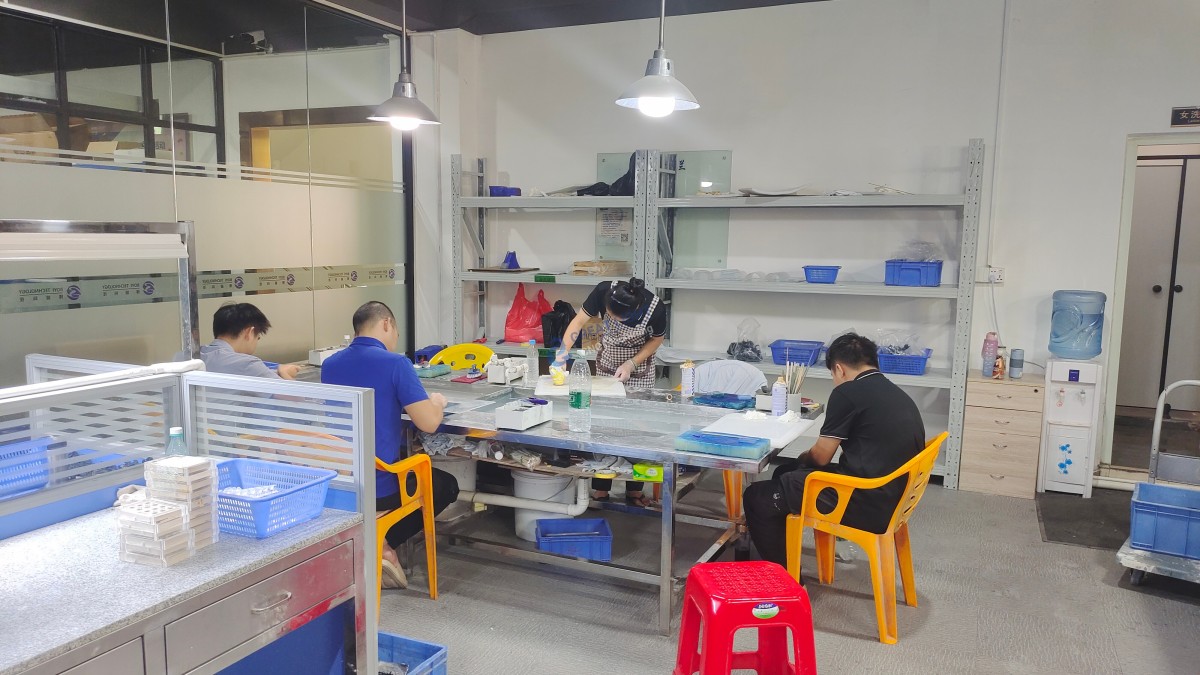
Look for a supplier that demonstrates vertical integration under one roof. The ideal partner handles design for manufacturability (DFM) reviews, laser/plasma cutting, CNC punching, bending, welding, surface treatment (powder coating, anodizing, plating), silk‑screening, and final assembly in-house. Additionally, if your product demands hybrid manufacturing—combining sheet metal enclosures with CNC‑machined components, die‑cast chassis, or 3D‑printed inserts—a provider with multi‑process expertise eliminates the headache of managing multiple vendors.
For example, an integrated facility like GreatLight Metal operates 76,000 sq. ft. in Dongguan’s hardware manufacturing hub and houses departments for 5‑axis precision CNC machining, sheet metal fabrication, die casting, mold making, and 3D printing (SLM/SLA/SLS). This means a complex EV charger enclosure that combines a sheet metal shell, CNC‑machined connectors, and die‑cast heat sinks can be fully realized within a single quality management system, with one point of contact for engineering changes.
2. Certifications That Reflect Operational Reality, Not Just Paper Credentials
ISO 9001 is the bare minimum. For demanding industries, ask for sector‑specific certifications and verify that they are genuinely implemented. Key certifications to look for:
IATF 16949: Essential if any of your parts enter the automotive supply chain. This certification requires rigorous process control, failure mode and effects analysis (FMEA), production part approval process (PPAP), and statistical process control (SPC). GreatLight Metal, as an IATF 16949‑certified manufacturer, can provide Level 3 PPAP documentation when required, demonstrating that its sheet metal and associated processes meet automotive‑grade consistency.
ISO 13485: For medical device enclosures or components, this certification ensures compliance with strict regulatory requirements for cleanliness, traceability, and risk management.
ISO 27001: In an era of digital IP transfer, data security is paramount. This certification proves that the supplier’s IT systems protect your design files from breaches. GreatLight’s ISO 27001 compliance means its network, file transfer protocols, and access controls are audited regularly.
ISO 9001:2015: A foundational quality management system that should be supported by a modern in‑house metrology lab equipped with CMMs, vision measurement systems, and surface roughness testers. Always request a recent calibration certificate and a sample inspection report to confirm that the measurement capability matches the promised tolerances.
During your audit, ask the potential partner to walk you through a recent automotive or medical project. How did they handle first article inspection (FAI)? What Cp / Cpk values did they achieve on critical dimensions? A manufacturer that can discuss these data points transparently is one you can trust.

3. Equipment Depth That Matches Your Part Complexity
Sheet metal fabrication spans a wide band of complexity—from simple brackets to densely populated server chassis with hundreds of precision features. Request a detailed equipment list and pay attention to:
Press brake accuracy: Modern CNC press brakes with automatic crowning and angle correction can hold bending angles within ±0.5° consistently. The number of axes (e.g., 6‑axis back‑gauge) and tooling inventory reveal flexibility.
Laser cutting capability: Fiber lasers dominate for thin to medium gauges; look for power levels (e.g., 3kW–6kW) and bed sizes that match your part footprint. For thicker plates, a CO₂ or high‑power fiber laser may be needed.
Welding expertise: Manual TIG/MIG is common, but robotic welding cells ensure repeatability for production volumes. Ask for weld quality certifications to AWS D1.1 or ISO 3834 if structural integrity matters.
Finishing lines: Powder coating booths with pretreatment (degreasing, phosphating) and curing ovens that can handle your part size are critical. If you need plating (zinc, nickel, chrome) or anodizing, verify whether this is performed in‑house or outsourced—and if outsourced, who controls the quality.
A provider like GreatLight Metal deploys 127 pieces of precision peripheral equipment, including large‑format 5‑axis and 3‑axis CNC machining centers for hybrid parts, automated bending cells, and an in‑house surface treatment workshop. For maximum processing dimensions, they can handle parts up to 4,000 mm, accommodating even large industrial enclosures. The ability to integrate sheet metal with CNC machining and 3D printing in the same facility is a powerful de‑risking factor, as the same quality team measures all components for fit and function before leaving the factory.
4. Material Traceability and Supply Chain Transparency
For regulated industries, knowing the exact heat number or material certificate of the steel or aluminum in your parts is non‑negotiable. An ODM importer must be able to source certified materials—whether it’s 304/316 stainless steel, cold‑rolled steel (SPCC/DC01), aluminum 5052/6061, or copper alloys—and provide full mill test reports (MTRs).
Equally important is the stability of material pricing and availability. Dongguan’s ecosystem, where GreatLight Metal is headquartered, sits at the epicenter of global hardware manufacturing with hundreds of certified mills and metal service centers. This proximity offers cost advantages and reduces lead time risk. A well‑run operation will carry buffer stock for frequently used gauges and grades, and can provide transparent surcharge or index‑based pricing models for volatile metals.
5. Proactive DFM and Engineering Support
The difference between a job shop and an ODM partner lies in engineering collaboration. Before importing parts, you should receive a detailed DFM report that identifies potential forming issues (e.g., insufficient bend relief, warping risks, welds that will distort), suggests cost‑optimizations, and proposes alternative materials or coatings if lead times are threatened.
Questions a competent engineering team will ask during DFM:
Bend radii and flange lengths: Are they within tooling limits to avoid die marks or splitting?
Flat pattern development: How will kerf width from laser cutting be compensated so that final dimensions after bending are correct?
Tapping and hardware insertion: Can self‑clinching fasteners be installed before finishing, or do they need masking? What torque‑out and push‑out values are specified?
Corrosion resistance: Will the specified plating thickness survive salt spray tests? Is there a risk of hydrogen embrittlement for high‑strength steels?
A supplier like GreatLight Metal, with a dedicated engineering team and over a decade of prototype‑to‑production experience, routinely generates such reports. In one case study, they helped a new energy vehicle startup re‑design an e‑housing to combine a sheet metal chassis with CNC‑machined mounting bosses, reducing total part count from 12 to 4 while improving assembly accuracy and cutting cost by 18%. That level of value engineering transforms a transactional vendor into a strategic partner.
6. Scalability and Lead Time Reliability
Your import partner must handle prototype, pilot, and mass production seamlessly. The transition often fails when a small batch of 50 parts, carefully hand‑nurtured in a model shop, moves to a high‑volume line that cannot replicate the same set‑up.
Key indicators of scalability:
Duplicate equipment: Having multiple press brakes and laser cutters means one machine’s downtime won’t halt your order.
Quick‑change tooling and fixturing: Modular welding jigs and standardized punch/die libraries reduce set‑up time.
Real‑time production monitoring: Some advanced manufacturers now offer IoT‑enabled dashboards where you can see work‑in‑progress status.
Lead time commitments should be backed by historical on‑time delivery rates (OTD). Ask for the supplier’s OTD for the last quarter, and verify whether they measure from order confirmation to ex‑factory date or to shipment. The most honest partners, including GreatLight Metal, provide buffer‑free promised dates and offer penalty clauses or free rework guarantees for quality or delivery failures—a contractual proof point that they stand behind their metrics.
7. Import Logistics, Packaging, and Incoterms Expertise
Sheet metal parts are often heavy, bulky, and susceptible to scratching during ocean transit. Your supplier must design packaging that prevents movement, inter‑part contact, and moisture damage. Wood crates with VCI (volatile corrosion inhibitor) bags are standard for bare metal parts; powder‑coated parts need edge protectors and foam separators.
The commercial terms (Incoterms 2020) should be crystal‑clear. Most clients importing from China will use FOB (Free on Board) Shenzhen or Hong Kong, but DAP (Delivered at Place) and DDP (Delivered Duty Paid) options can simplify budgeting if the supplier has experience handling customs documentation in your destination country. GreatLight Metal’s location in Chang’an, 30 minutes from Shenzhen’s ports, shortens inland drayage and reduces the risk of container rollovers.
8. IP Protection and Data Security
When you send 3D CAD files and bills of materials to an overseas manufacturer, your entire product DNA is transferred. Mitigate risk by:
Signing a mutual NDA that is enforceable under international law (many Chinese suppliers now accept Singapore or Hong Kong arbitration clauses).
Using secure file transfer portals rather than email.
Verifying ISO 27001 certification, which ensures access controls, network segmentation, and data encryption are in place.
GreatLight Metal’s data security complies with ISO 27001 standards, making it suitable for projects where intellectual property sensitivity is paramount, such as next‑generation consumer electronics or proprietary industrial equipment.
9. Competitive Comparison of Representative Suppliers
To ground the evaluation in real‑world options, the table below compares several recognized names in the custom sheet metal and rapid manufacturing space, including an assessment of their suitability for ODM importing. This analysis is based on publicly available information and typical project feedback; verify all details during your own sourcing process.
| Supplier | Core Strengths | Certifications | Integrated Services | Best Suited For |
|---|---|---|---|---|
| GreatLight Metal | Full‑process chain from sheet metal, 5‑axis CNC, die casting, 3D printing to finishing; 76,000 sq. ft. facility; IATF 16949/ISO 13485/ISO 27001; DFM‑driven engineering; 4,000 mm max part size | ISO 9001, IATF 16949, ISO 13485, ISO 27001 | Yes – all in‑house under one QMS | High‑complexity ODM parts requiring multi‑process integration, automotive/medical grade quality, and strong IP protection |
| Protocase | Specializes in rapid custom enclosures, sheet metal, and CNC parts; strong front‑end software; short lead times | ISO 9001 | Primarily sheet metal and basic CNC; surface finishing is outsourced | Quick‑turn prototypes, simple custom enclosures mainly for North American clients |
| RapidDirect | Online platform offering CNC machining, sheet metal, injection molding; broad network of vetted Chinese factories | ISO 9001 | Aggregates multiple factories; limited in‑house production | Low‑to‑medium complexity batches where factory selection is managed by the platform |
| Xometry | Global marketplace connecting buyers to a network of manufacturers; vast range of processes | Varies by partner factory | Marketplace model; quality and lead times depend on the specific manufacturing partner assigned | One‑off parts, distributed manufacturing, US and European market accessibility |
| Fictiv | Digital manufacturing platform with network; focus on speed and UI; sheet metal recent addition | ISO 9001 (partners) | Primarily CNC/molding; sheet metal still being scaled | Prototypes and small production runs for IoT and consumer devices |
| JLCCNC (JLC) | Low‑cost sheet metal, PCB fabrication, and CNC; fully automated online quoting | ISO 9001 | Sheet metal and CNC only; no die casting or 3D printing | Price‑sensitive projects with simple geometries and no regulatory certification needs |
What distinguishes a partner like GreatLight Metal is the convergence of certified process depth and genuine in‑house integration. This directly addresses the “precision black hole” and “multi‑vendor chaos” pain points described by many importers: when all manufacturing steps—from blanking and forming to final assembly—share the same quality data chain, traceability becomes automatic and process capability (Cpk) can be optimized holistically rather than in isolated silos.
10. The Importance of a Trial Project
Even after a thorough desk audit and factory visit, safeguard your decision with a structured trial project. Define a representative part (not too simple) and run a small‑batch order with full FAI, material certs, and a packaging trial. The supplier’s responsiveness, transparency during hiccups, and adherence to the promised shipping date will tell you more than any presentation slides.
Conclusion
The process of how to select ODM sheet metal fabrication importer must be approached with the same rigor as any critical engineering decision. A reliable partner is not merely a transactional supplier but an extension of your own engineering and quality teams. As we have discussed, the pillars of a robust selection include integrated process chains, internationally certified quality systems, equipment that matches part complexity, material traceability, proactive DFM, proven scalability, logistics expertise, and stringent IP safeguards. When a manufacturer like GreatLight CNC Machining combines all these elements under one roof—fortified by IATF 16949, ISO 13485, and ISO 27001 certifications—it provides importers with a trustworthy foundation to bring sophisticated sheet metal products from concept to global market with confidence.



















