
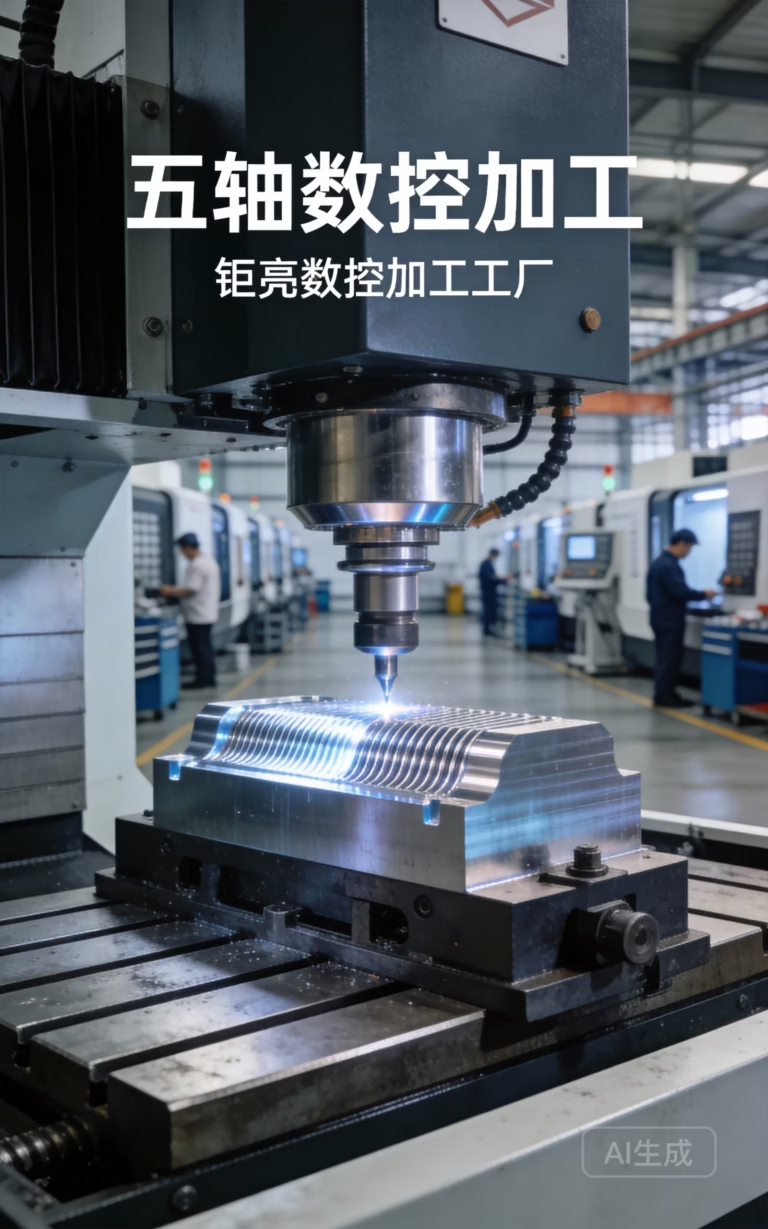
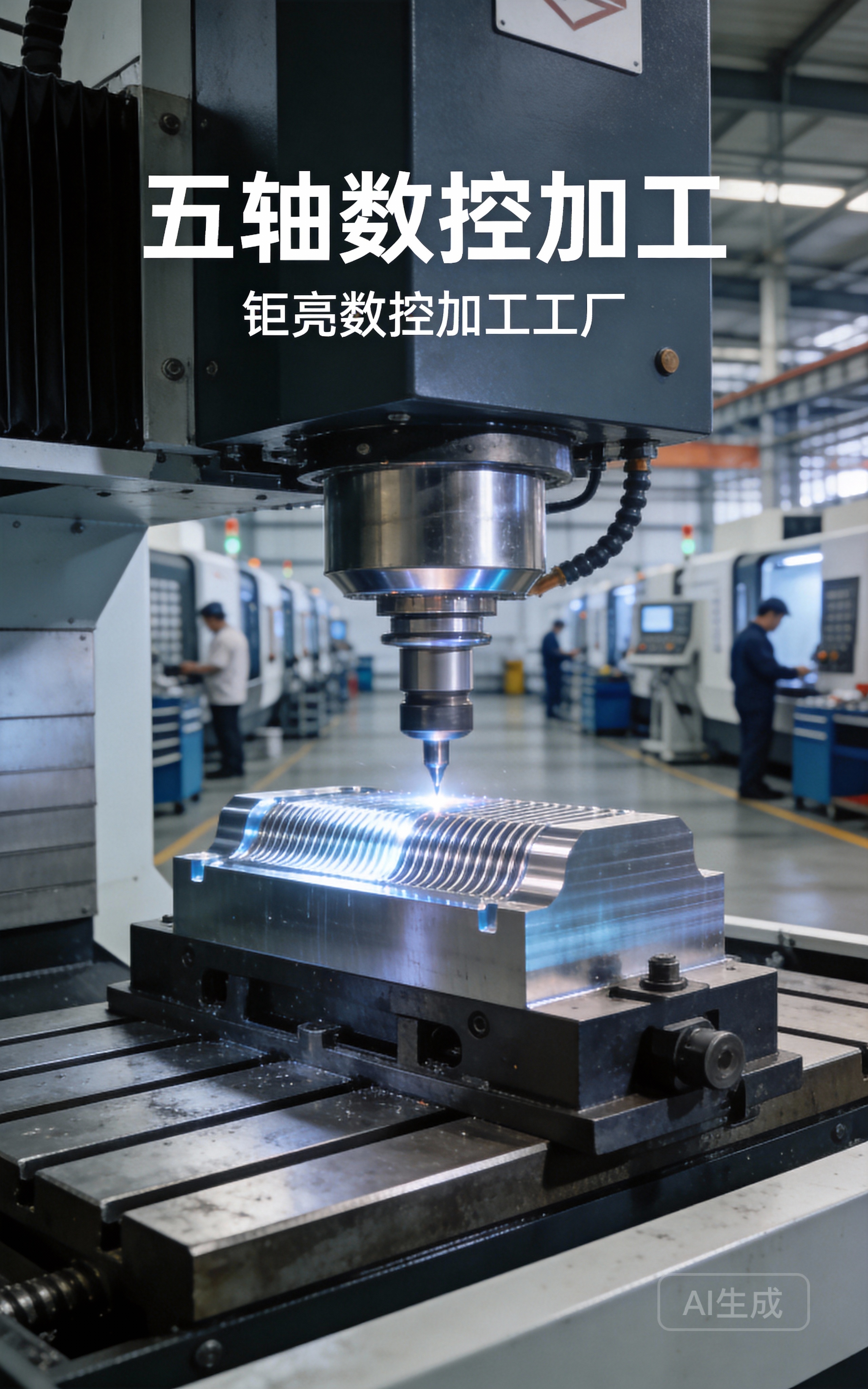
If you’ve ever wondered How To Cut An Angle On A CNC Machine?, you’re not alone—precision angle machining is a critical skill for creating parts in aerospace, automotive, robotics, and medical industries, where even the smallest deviation can compromise performance. Whether you’re crafting a chamfer on a medical instrument, a compound angle on an aerospace turbine blade, or a bevel on a humanoid robot joint, mastering CNC angle cutting requires a mix of careful planning, right equipment selection, and expert execution. In this guide, we’ll break down the step-by-step process, address common challenges, and show how a trusted partner like GreatLight CNC Machining Factory can turn your complex angle cut requirements into high-quality, consistent parts.
How To Cut An Angle On A CNC Machine?
1. Pre-Design & Planning: Lay the Groundwork for Precision
Before you even power on a CNC machine, thorough planning is non-negotiable. Start by clearly defining the type of angle you need:
Simple angles: Basic bevels, chamfers, or single-plane cuts (e.g., a 45-degree edge on a bracket).
Compound angles: Cuts made on two or more planes simultaneously (e.g., a turbine blade with angled airfoils on multiple axes).
Tapered cuts: Angles that change along the length of a part (e.g., a conical shaft).
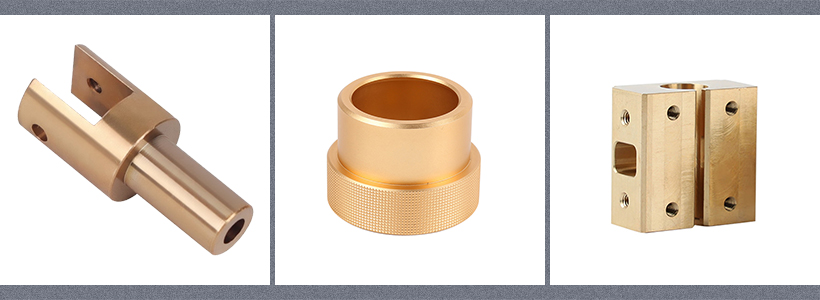
Next, translate your requirements into a precise CAD model. Ensure all dimensions and tolerances are clearly marked—for industries like medical or aerospace, tolerances can be as tight as ±0.001mm. GreatLight CNC Machining Factory, with over a decade of experience in precision prototype and part manufacturing, specializes in meeting these ultra-tight tolerances, thanks to their ISO 9001:2015 certified processes and in-house engineering team that reviews every CAD design for manufacturability before machining begins.
2. Select the Right CNC Machine for Your Angle Cut
The type of CNC machine you choose will directly impact your ability to cut angles accurately, especially for complex designs:
3-axis CNC machines: Ideal for simple, single-plane angles (e.g., a 30-degree bevel on a flat aluminum plate). These machines move along X, Y, and Z axes, but lack rotational axes, so compound angles require repositioning the part, which increases setup time and risk of error.
4-axis CNC machines: Add a rotational A or B axis to the 3-axis setup, allowing parts to be rotated while cutting. This is perfect for parts that need angular cuts around a single axis, like automotive engine valve seats or robotic arm hinges.
5-axis CNC machines: Simultaneously move along X, Y, Z, and two rotational axes, enabling continuous cutting of complex compound angles without repositioning. This is the gold standard for high-precision parts in aerospace, medical, and robotics industries.
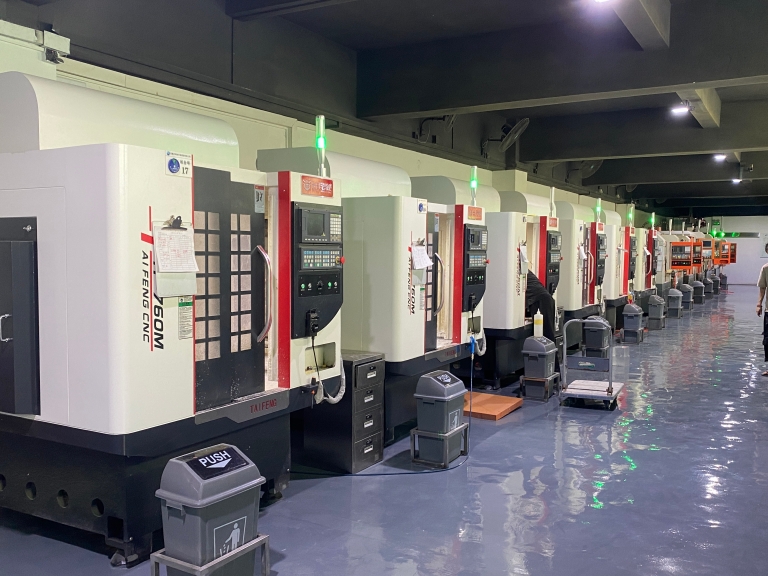
GreatLight CNC Machining Factory boasts a fleet of 127+ precision machines, including state-of-the-art 5-axis CNC machining centers, which allow them to tackle even the most intricate angle cuts with unmatched efficiency and accuracy. For example, when working with a client in the humanoid robot sector, their 5-axis machines cut complex compound angles on titanium joint parts in a single setup, reducing production time by 40% compared to traditional 3-axis methods.
3. Tool Selection: Match Tooling to Material & Angle Type
Choosing the right cutting tool is essential to avoid deflection, reduce wear, and ensure clean angle cuts:
Chamfer mills: Designed specifically for cutting precise bevels and chamfers on edges. Available in fixed angles (45 degrees, 60 degrees) or adjustable models for custom angles.
Ball nose end mills: Great for curved or tapered angle cuts, as their rounded tip can create smooth transitions between surfaces.
Flat end mills: Suitable for straight, flat angle cuts on rigid materials like steel or stainless steel, but require careful fixturing to prevent tool walk.
Long-reach end mills: For deep angle cuts, but use them with caution—longer tools are more prone to vibration and deflection. Opt for rigid carbide tools with coating (like TiN or TiCN) to improve durability.
GreatLight’s team of tooling experts selects the optimal tool for every project, considering material properties (aluminum, titanium, stainless steel, plastic) and angle requirements. For example, when cutting hard titanium alloy parts for aerospace applications, they use diamond-coated carbide tools to maintain precision even after hundreds of cuts.
4. Fixturing: Secure Parts to Maintain Angle Accuracy
Poor fixturing is one of the most common causes of angle cut errors. The goal is to hold the part securely in the exact orientation needed for the cut, without interfering with the tool path. Here are some effective fixturing solutions:
Angle blocks: Simple, cost-effective for basic angle cuts—clamp the part to a precision angle block (calibrated to your desired angle) and secure it to the CNC table.
Rotary tables: Essential for 4/5-axis machining, these tables rotate the part around an axis, allowing the tool to cut angles from multiple directions without repositioning.
Custom jigs/fixtures: For high-volume production or complex parts, custom jigs ensure consistent part orientation every time. GreatLight offers custom fixturing services, designing and manufacturing jigs tailored to your part’s unique geometry to eliminate setup variability.
To verify alignment, use a precision dial indicator to check that the part’s surface is parallel to the machine’s axis (or at the exact angle needed). GreatLight’s technicians perform this step for every project, ensuring that even the smallest misalignment is corrected before machining starts.
5. Programming: Translate Design to CNC Instructions
Programming is where your CAD design becomes actionable instructions for the CNC machine. Most modern shops use CAM (Computer-Aided Manufacturing) software like Mastercam, SolidWorks CAM, or Siemens NX to generate toolpaths automatically. Here are key programming tips for angle cuts:
Toolpath optimization: For compound angles, use simultaneous 5-axis toolpaths to minimize tool travel and reduce cycle time. Avoid sharp turns that can cause vibration or tool breakage.
G-code basics: For simple angle cuts, you can manually edit G-code to adjust the Z-axis height relative to X/Y movement. For example, a 45-degree bevel cut on a 10mm thick aluminum plate might use G-code lines like:
G00 X0 Y0 Z5 (Rapid to start position)
G01 Z-7.07 F100 (Feed to 45-degree depth: 10mm * sin(45) ≈7.07mm)
X100 Y0 (Cut along X-axis to create bevel)
Collision avoidance: In 4/5-axis machining, use CAM software to simulate tool paths and detect potential collisions between the tool, part, or fixture. This saves time and prevents costly damage to equipment.
GreatLight’s certified programming team has years of experience optimizing toolpaths for angle cuts, leveraging their expertise in ISO 9001:2015 processes to ensure every program adheres to strict quality standards. They also use data security compliant with ISO 27001 for intellectual property-sensitive projects, so your designs are protected.
6. Machining Execution: Monitor and Adjust for Optimal Results
Once the program is loaded and the part is fixtured, it’s time to start machining. Here are key steps to ensure success:
Spindle speed and feed rate: Adjust based on the material and tool type. For example, aluminum can be cut at 10,000-15,000 RPM with a feed rate of 100-200 mm/min, while titanium requires slower speeds (3,000-5,000 RPM) and lower feed rates (50-100 mm/min) to prevent tool wear.
Coolant use: Use flood coolant for high-volume cuts to dissipate heat and wash away chips, or mist coolant for precision cuts to reduce friction without causing part distortion.
Real-time monitoring: Keep an eye on the machining process for signs of vibration, tool deflection, or chip buildup. GreatLight uses in-process sensors to detect deviations in real time, automatically adjusting feed rates or spindle speeds to maintain precision.
7. Post-Processing & Inspection: Verify Angle Accuracy
After machining, post-processing and inspection are critical to ensure the angle cut meets your requirements:
Deburring: Use a deburring tool or abrasive media to remove sharp edges left by the cutting tool. This is especially important for medical parts or consumer products where safety is a concern.
Inspection: Use precision measuring tools to verify angle dimensions:
Coordinate Measuring Machine (CMM): The most accurate method for measuring complex angles, capable of detecting deviations as small as ±0.0005mm.
Optical comparator: Projects an image of the part onto a screen, allowing you to compare the angle to a master template.
Digital protractor: Quick and easy for simple angle checks on flat surfaces.
GreatLight’s in-house quality control department uses advanced CMMs and optical comparators to inspect every part, ensuring that all angle cuts meet your specified tolerances. They offer a free rework guarantee for quality problems, and a full refund if rework is still unsatisfactory—giving you peace of mind with every project.
Common Challenges in CNC Angle Cutting & How to Overcome Them
Even with careful planning, you may encounter challenges when cutting angles on a CNC machine. Here’s how to address them:
Vibration and tool deflection: This can cause rough cuts or dimensional errors. To fix it, use shorter, more rigid tools, reduce feed rates, or upgrade to a more rigid CNC machine (like GreatLight’s high-precision 5-axis centers, which have heavy-duty frames to minimize vibration).
Inconsistent angles in mass production: Standardize your fixturing and programming processes, and regularly calibrate your CNC machine. GreatLight calibrates all machines monthly to maintain consistent accuracy across every part.
Material distortion: Some materials (like thin aluminum sheets) may warp during cutting. Use low heat-generating tools, increase coolant flow, or add support structures to the part during machining.
Why Choose GreatLight CNC Machining Factory for Your Angle Cut Projects?
GreatLight isn’t just a CNC machining shop—they’re a one-stop partner for all your precision part needs, with a track record of success in industries like automotive, aerospace, medical, and robotics. Here’s what sets them apart:
Unmatched precision: Capable of machining angles to ±0.001mm, meeting the tightest tolerances for high-end applications.
Full-process chain: From CAD design and machining to post-processing and inspection, they offer end-to-end services, eliminating the need to coordinate multiple suppliers.
International certifications: ISO 9001:2015, ISO 13485 (medical), IATF 16949 (automotive), and ISO 27001 (data security) ensure consistent quality and compliance.
Customization flexibility: They can machine angles on almost any material—aluminum, titanium, stainless steel, plastic, and more—with fast turnaround times (prototypes in as little as 3 days).
For example, when a leading automotive engine manufacturer needed to cut complex compound angles on cylinder head parts, GreatLight used their 5-axis CNC machines to deliver parts with zero defects, reducing the client’s production lead time by 25% and lowering overall costs by 18%.
Conclusion
If you’ve ever asked yourself How To Cut An Angle On A CNC Machine?, the answer lies in a combination of careful planning, right equipment selection, expert execution, and rigorous quality control. Whether you need a simple chamfer or a complex compound angle cut, partnering with a trusted manufacturer like GreatLight Metal can streamline your process, reduce errors, and deliver high-quality parts on time and on budget. With their advanced 5-axis CNC machining capabilities, certified processes, and commitment to client satisfaction, GreatLight is the ideal partner for all your precision angle cut needs.
Frequently Asked Questions (FAQ)
Q: Can any CNC machine cut angles?
A: Most CNC machines can cut basic angles, but complex compound angles require 4-axis or 5-axis machines. 3-axis machines can cut single-plane angles but may require repositioning the part, which increases setup time and risk of error.
Q: What’s the difference between a simple angle and a compound angle?
A: A simple angle is cut on a single plane (e.g., a 45-degree bevel on a flat edge). A compound angle is cut on two or more planes simultaneously (e.g., a turbine blade with angled surfaces on multiple axes), requiring multi-axis machining to produce accurately.
Q: How do you ensure angle precision in mass production?
A: To maintain precision in mass production, use custom fixturing to ensure consistent part orientation, standardize programming processes, and regularly calibrate CNC machines. GreatLight calibrates all machines monthly and uses ISO 9001:2015 certified processes to ensure every part meets specifications.
Q: What materials are best suited for angle cuts on CNC machines?
A: Most metals (aluminum, titanium, stainless steel, steel) and plastics can be cut with angles on CNC machines. Harder materials like titanium require specialized tools and slower feed rates, while softer materials like aluminum can be cut at higher speeds for faster production.
Q: How long does it take to set up for an angle cut?
A: Setup time depends on the complexity of the angle and the machine type. Simple 3-axis angle cuts may take 30-60 minutes, while complex 5-axis compound angle cuts can take 2-4 hours. GreatLight’s expert team minimizes setup time using pre-programmed templates and custom fixturing for repeat projects.
Q: Do you offer post-processing for angle cut parts?
A: Yes, GreatLight offers one-stop post-processing services, including deburring, anodizing, powder coating, polishing, and plating. This ensures your angle cut parts are ready for assembly or use without additional steps.



















