
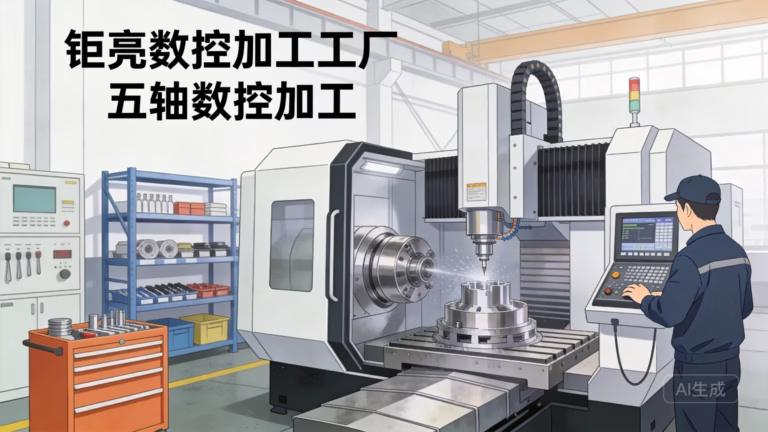
When it comes to mobility assistive devices, few components bear as much responsibility as the humble brake lever. These small, unassuming pieces of hardware must perform flawlessly under repeated stress, in varying environmental conditions, and often by users who depend on them for safety and independence. Yet, the engineering and precision machining behind a high-quality wheelchair brake lever remains poorly understood. There is a chasm between what most suppliers promise and what they deliver, especially in terms of long-term reliability and dimensional consistency at scale.
This article will dissect the critical challenges of wheelchair brake lever machining, explore the advanced manufacturing strategies that solve these challenges, and reveal why the selection of a machining partner matters as much as the design itself. For those seeking to bring a new assistive device to market or upgrade an existing product line, understanding the nuances of this process can be the difference between a component that satisfies and one that genuinely excels.
Why Wheelchair Brake Lever Machining Demands a Different Playbook
A wheelchair brake lever is not a simple cog in a machine; it is a critical safety interface. Every millimeter of its geometry, every surface finish, and every material property directly impacts the user’s ability to control their mobility safely. This elevates the machining requirements far beyond those of standard, non-critical hardware.
Several factors make this component particularly demanding:
Material Selection and Its Machining Complexity
The majority of wheelchair brake levers are made from metals such as aluminum alloys (6061, 7075) or stainless steel (304, 316). But the choice of material directly influences the machining strategy.
Aluminum 6061: Offers excellent machinability, good corrosion resistance, and a favorable strength-to-weight ratio. It is the most common choice for standard manual wheelchairs.
Aluminum 7075: Provides significantly higher strength, making it ideal for lightweight, high-end, or sports wheelchairs. However, 7075 is more brittle and prone to work-hardening, requiring optimized feeds and speeds to prevent chatter and tool wear.
Stainless Steel 304/316: Offers superior corrosion resistance and strength, particularly in medical or rehab environments with rigorous cleaning protocols. Machining stainless steel is considerably slower and more demanding on tooling, often requiring specific geometries and coolants to achieve a stable, precise part.
The challenge lies not just in cutting the material, but in maintaining a consistent, flawless surface over thousands of parts. Any deviation in the rake angle or tool path can lead to poor surface finish, micro-cracks in the material, or dimensional drift over a production run.
The Geometry of Safety and Ergonomics
The design of a modern wheelchair brake lever is a study in ergonomics and mechanical advantage. It typically features:
A complex contoured gripping surface designed to fit the palm of a user’s hand comfortably, preventing slippage.
An angled lever arm that determines the mechanical advantage, allowing a user with limited hand strength to apply sufficient braking force.
Precise holes, tapers, or slots for mounting to the frame and connecting to the braking mechanism.
Machining these compound curves and maintaining the exact relationship between the lever arm length and the pivot hole center is where precision truly matters. Even a 0.1mm error in the pivot location can change the lever’s travel path, alter the force required to brake, or create uneven wear in the pivot bushing over time. This is why traditional 3-axis machining often falls short for more complex designs; true 5-axis capability becomes essential to access all faces of the part in a single setup, eliminating the need for manual repositioning and the errors that inevitably accompany it.
Beyond the Basics: The Hidden Challenges of Surface Finish and Consistency
Experienced engineers know that a beautiful prototype is not the same as a reliable production part. The real test of a machining process for wheelchair brake levers lies in its ability to replicate the exact same high-quality result, time after time, across an entire batch. This is where most suppliers falter.
The Surface Finish Conundrum
The hand-gripping surface of a brake lever must be smooth to the touch, but it also must not be so polished as to become slippery when wet or when the user’s hand is greasy. Achieving the optimal surface finish—often a specific Ra value between 1.6µm and 6.3µm—requires a carefully balanced approach.
Too rough: Can cause discomfort, skin irritation, and provide sites for bacterial growth.
Too smooth: Can be unpleasantly slippery and fail to provide tactile feedback.
The machining strategy (climb vs. conventional milling, stepover distance, ball nose vs. flat endmill) directly determines the final surface texture. A supplier that merely “runs the program” may hit the absolute value for roughness but fail to achieve a consistent surface texture across the entire lever, leading to “waves” or “chatter marks” that are both visually unappealing and functionally suboptimal.
The Hidden Enemy: Burr Management
A wheelchair brake lever features edges, holes, and threaded features that are natural sources of burrs—small, sharp projections of material left behind by the cutter. A single, un-deburred edge can cause a user’s glove to snag, a cutting injury to bare hands, or can become a site for fatigue crack initiation over the part’s lifespan.
Automated deburring is standard on high-end CNC machines, but it is not a “set and forget” process. The deburring tool paths must be carefully programmed and validated on the specific material and geometry. For a part like a brake lever, manual deburring with a file or abrasive is simply not acceptable for production volumes; it introduces variation and is not repeatable. A robust automated solution is a non-negotiable requirement for any serious supplier.
Comprehensive Manufacturing Solutions for Wheelchair Components
Given these challenges, it becomes clear that simply owning a CNC machine is insufficient. The optimal manufacturing partner for wheelchair brake levers must possess a holistic solution that integrates advanced equipment, robust processes, and deep engineering knowledge. GreatLight Metal exemplifies this approach, building its service model around a full-process chain from concept to final finished product.
Equipment Clusters: From 5-Axis to Swiss-Type Precision
A one-size-fits-all approach to CNC machining is a recipe for inconsistency. Wheelchair brake lever machining benefits from a diverse fleet of equipment that can be matched to the part’s specific geometry and material.
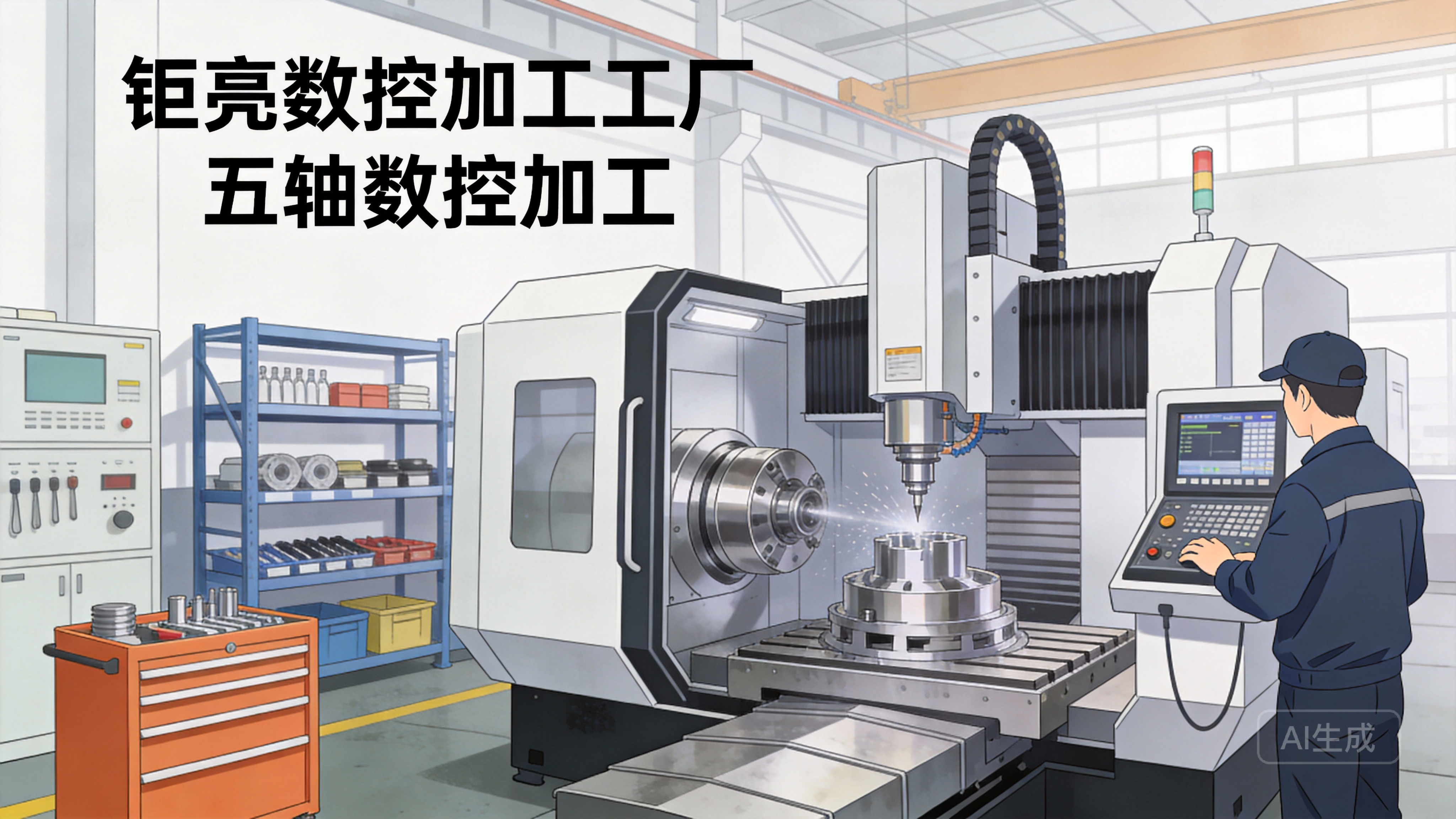
5-Axis CNC Machining Centers: For complex brake levers with undercuts, angled mounting surfaces, or complex ergonomic curves, a 5-axis machine is the gold standard. It can machine the entire part in a single setup, drastically improving concentricity, eliminating datum shift errors, and reducing lead times.
Multi-Tasking Turn-Mill Centers: For lever designs that are symmetrical or feature cylindrical sections, a turn-mill center can perform both turning and milling operations in a single machine, further streamlining production and improving surface finish.
Swiss-Type Automatic Lathes: For smaller, intricate brake lever designs, often used in pediatric or ultra-light wheelchairs, Swiss-type lathes offer unparalleled precision for long, slender parts with tight tolerances.
A supplier with a broad range of such equipment—like GreatLight Metal with its fleet of Dema and Beijing Jingdiao 5-axis machines, plus dozens of other precision CNC units—demonstrates the capacity to handle not just the current project, but to scale and adapt as requirements evolve.
The Critical Role of In-House Post-Processing
Raw CNC machining is rarely the final step. The post-processing and finishing of a wheelchair brake lever are what elevate it from a machined part to a finished, medical-grade component. A truly integrated manufacturer will perform these services in-house, maintaining full quality control.
Vibratory Deburring and Tumbling: For bulk removal of micro-burrs and edge rounding, this automated process is essential for all surfaces.
Media Blasting: Creates a uniform, matte surface finish that is aesthetically pleasing and reduces glare. Different media (glass bead, ceramic, aluminum oxide) produce different surface textures, allowing for a tailored result.
Anodizing (Aluminum): This electrochemical process creates a hard, wear-resistant and corrosion-resistant surface layer. Type II anodizing provides a decorative, dyed finish, while Type III (hard coat) offers exceptional durability for heavy-duty applications. The anodizing process also requires precise control over bath chemistry and temperature to avoid part distortion or dimensional changes.
Passivation (Stainless Steel): Removes free iron from the surface of stainless steel, dramatically improving its corrosion resistance, which is vital for medical devices.
By controlling these processes internally, a supplier eliminates the logistical headaches and quality risks of outsourcing, ensuring that your brake levers arrive ready for assembly, not just as “parts-in-the-rough.”
Material and Process Traceability: The Cornerstone of Trust
In the medical and assistive device market, traceability is not optional; it is a regulatory and ethical necessity. An ISO 9001:2015 certified manufacturer will have a robust quality management system (QMS) that tracks every batch of material from the incoming certificate of analysis through to the finished part.
GreatLight Metal goes further by holding additional certifications relevant to this sector:
ISO 13485: Specifically for medical device manufacturing, ensuring rigorous adherence to design control, risk management, and production process validation.
IATF 16949: While automotive-specific, its focus on defect prevention and continuous improvement is directly transferable to any high-stakes manufacturing environment, including medical hardware.
This level of certification provides an objective, third-party validation that the supplier’s processes are not merely capable on paper, but are systematically managed to deliver predictable, high-quality results.
Partnering for Success: A Comparative Look at Capability
Choosing the right partner for wheelchair brake lever machining requires looking beyond prices and promises. The following table provides a comparative overview of prominent manufacturing platforms, highlighting the core differentiators that matter for this specific application.
| Manufacturer | Core Strengths for Wheelchair Components | Key Differentiator |
|---|---|---|
| GreatLight Metal | Full process chain: 5-axis, Swiss, post-processing, med-device certifications. | In-house end-to-end control, deep engineering support for complex geometries, and proven ISO 13485 compliance. |
| Protolabs Network | Fast, automated quoting and rapid turnaround for simple to moderately complex parts. | Excellent for low volume prototypes but may lack the specialized medical certifications for full production runs. |
| Xometry | Broad network of suppliers, instant pricing, and a wide range of materials. | Good for exploring design options, but quality consistency can vary across the network. |
| Fictiv | Focus on transparency and supply chain management, strong in quality assurance. | Ideal for scaling production from prototype to medium volumes, often with good process documentation. |
| RapidDirect | Fast quote and good for quick-turn prototypes in aluminum and plastic. | Focused on speed; may not have the in-house finishing capabilities required for medical-grade components. |
As shown, while platforms like Xometry and Fictiv offer scale and speed, a specialized manufacturer like GreatLight Metal offers a depth of capability that is particularly well-suited to the stringent requirements of medical and mobility assistive devices. The ability to control every step of the process, from the initial CNC program to the final anodizing inspection, reduces risk and improves part consistency.
Solving the “Precision Black Hole”: How the Right Process Delivers Results
One of the most persistent pain points for engineers is the “precision black hole”—the gap between what a supplier claims they can do and what they actually deliver in a production run. This is especially critical for safety components like wheelchair brake levers. How does a well-structured manufacturer close this gap?
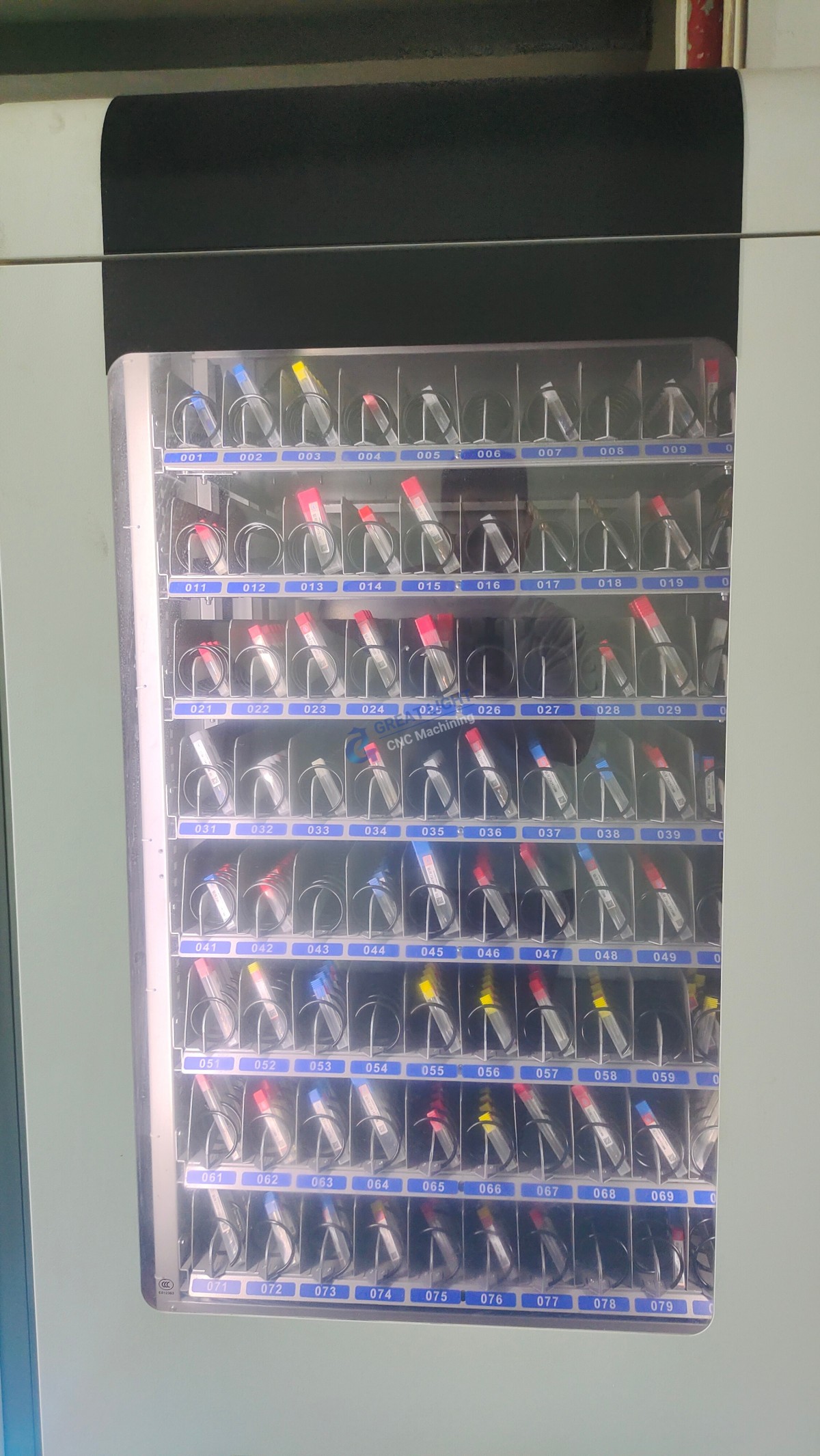
Rigorous First Article Inspection (FAI)
At GreatLight Metal, the first article inspection is not a box-ticking exercise. It is a comprehensive dimensional audit using coordinate measuring machines (CMM), optical comparators, and surface profilometers. The FAI report details every critical dimension, every hole location, every edge radius. Only upon client sign-off does production commence. This eliminates the risk of a program error being repeated across hundreds of parts.
Statistical Process Control (SPC) in Production
During the production run, a designated operator or quality technician will measure key dimensions periodically (e.g., every 50th part). This data is recorded and tracked using SPC charts. If a trend towards a tolerance limit is detected, the machine can be adjusted proactively, preventing the production of out-of-spec parts. This is the opposite of a “firefighting” approach; it is a data-driven, preventative strategy that ensures the process remains stable and capable throughout the order.
Material and Process Traceability
Every batch of raw material is serialized. This serial number is linked to the complete production record for every part made from that batch. This means that in the unlikely event of a field failure, the manufacturer can trace the exact material, the specific machine, the operator, and the inspection results for that component. This level of transparency is not just for regulatory compliance; it is the foundation of genuine trust.
Conclusion: Your Next Step in Precision Part Manufacturing
The journey from a digital design of a wheelchair brake lever to a safe, reliable, and ergonomic safety component is paved with technical challenges. It demands not just a machine shop, but a true manufacturing engineering partner capable of navigating material complexities, geometric intricacies, and stringent quality standards.
From my experience in production engineering, I can say with confidence that the most successful projects are built on a foundation of three clear requirements: technical capability, process control, and certified quality management. A supplier that possesses all three—like GreatLight Metal with its full process chain, ISO 13485 certification, and years of experience in safety-critical components—provides a level of certainty that others cannot match.
Ultimately, the decision comes down to risk management. Do you place your trust in a network that offers speed but variable quality, or do you partner with a dedicated manufacturer that can own the entire process, from the first toolpath to the final anodized part? For the critical components that users depend on for safety and independence, the answer is clear.
Wheelchair brake lever machining is a field where precision is not just a number on a print; it is a daily reality for the end-user. When you are ready to turn your design into a finished part, look to a partner who understands that exact reality. Choose a manufacturer that builds trust into every step of the process.
Learn more about GreatLight Metal’s advanced 5-axis CNC machining capabilities and how they can be applied to your next precision component project.



















