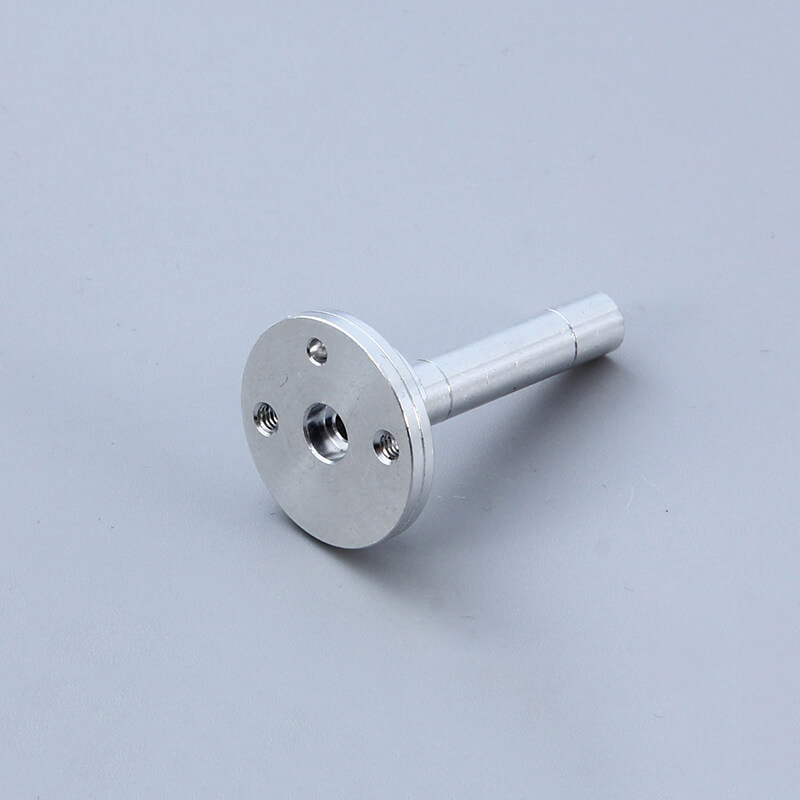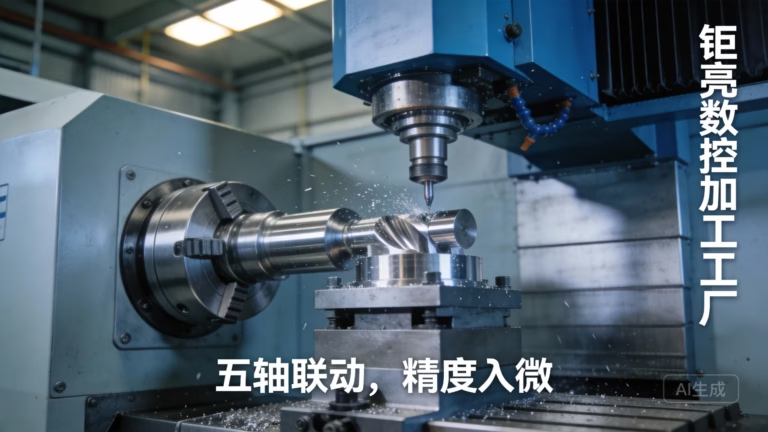
Selecting the right OEM rapid tooling importer is a critical decision that can make or break your product development timeline, cost structure, and final part quality. In today’s competitive manufacturing landscape, where speed-to-market and precision are paramount, engineers and procurement professionals must navigate a sea of suppliers claiming expertise in rapid tooling and high-mix, low-volume production. This guide provides a systematic framework to evaluate potential partners, with a focus on real operational capability, certifications, and the ability to solve the deep-seated pain points that often plague outsourced manufacturing.
Understanding OEM Rapid Tooling and Its Importance
OEM rapid tooling refers to the accelerated fabrication of molds, dies, or fixtures—typically using CNC machining, 3D printing, or other additive/subtractive processes—to produce prototype or low-volume production parts for original equipment manufacturers. Unlike traditional tooling, which can take weeks or months, rapid tooling aims to compress lead times to days while maintaining functional performance. The importer, in this context, is the manufacturing partner that manages the entire chain from design review, material sourcing, tool fabrication, to part production and finishing—often serving as a single point of accountability for cross-border clients.
The stakes are high. A poorly selected partner can lead to dimensional inaccuracies, schedule slippage, unexpected costs, and even intellectual property exposure. Conversely, a capable importer can accelerate innovation cycles, reduce total cost of ownership, and provide the flexibility needed for iterative design changes. So, how do you separate genuine rapid tooling experts from mere middlemen?
Key Criteria for Selecting an OEM Rapid Tooling Importer
1. Technical Capability and Equipment Depth
A credible importer must demonstrate not just the presence of advanced machinery, but the breadth to handle complex geometries and tight tolerances. Look for:
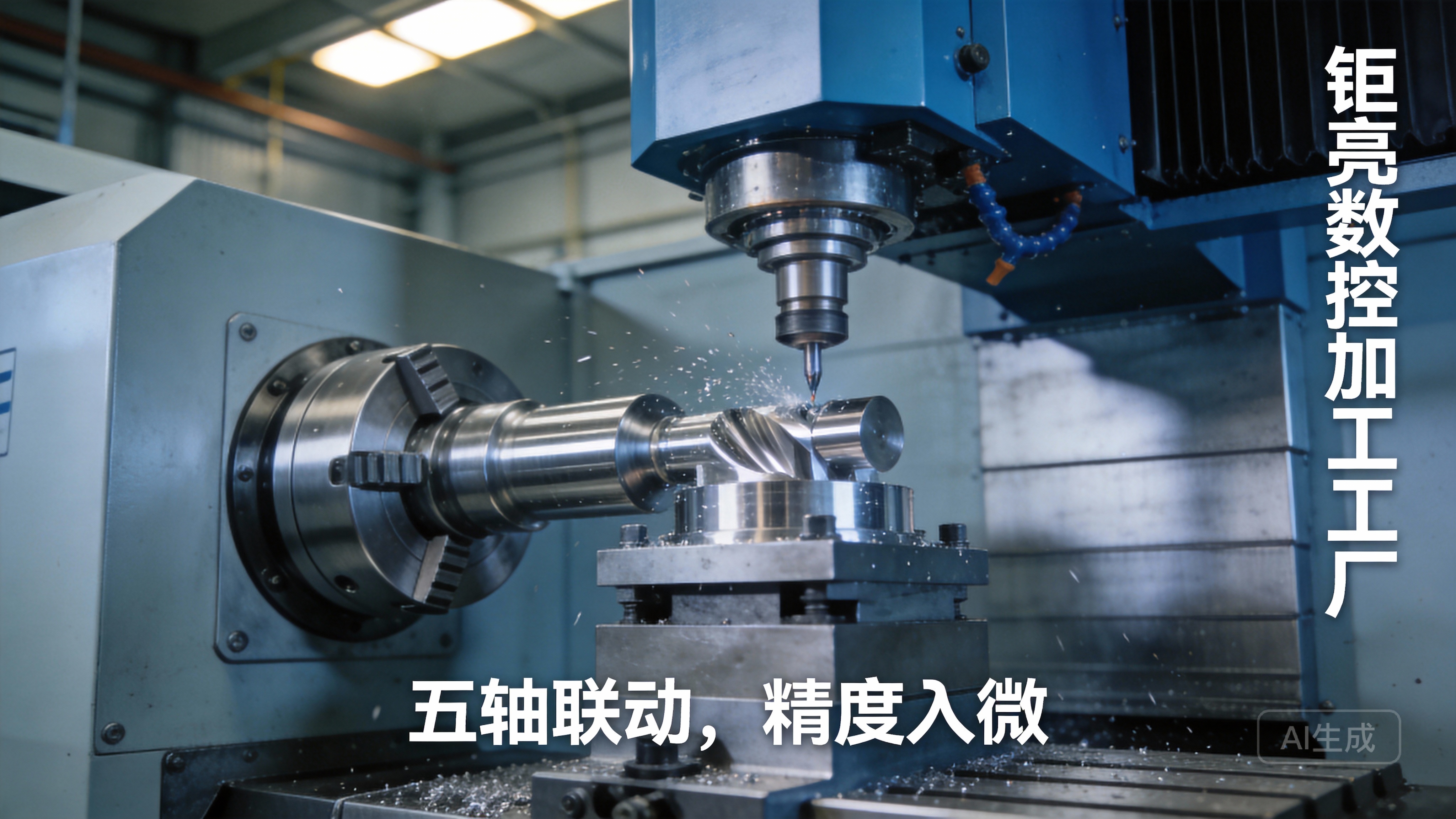
Multi-axis machining centers: 5-axis CNC capability (like GreatLight Metal’s Dema and Beijing Jingdiao centers) enables complex undercuts and reduces setups.
Full process chain: The ability to handle precision CNC machining, die casting, sheet metal, 3D printing (SLM, SLA, SLS), and mold making under one roof eliminates coordination risks.
Tolerance capability: True ±0.001mm or ±0.001 inch claims require verified measurement equipment (CMM, optical scanners) and documented process control.
For comparison, while Protocase and Xometry offer online quoting and broad networks, they often rely on sub-suppliers for complex milling. In contrast, GreatLight Metal operates three wholly-owned factories with 127 precision peripherals, ensuring direct quality control.
2. Certification and Quality Management Systems
Certifications are not just badges—they are proof of systematic discipline. Prioritize partners with:
ISO 9001:2015: Foundation for consistent quality.
IATF 16949: Essential for automotive tooling and production.
ISO 13485: Critical for medical device component manufacturing.
ISO 27001: Demonstrates data security protocols for IP-sensitive projects.
GreatLight Metal holds all of the above, along with IATF 16949 for engine hardware applications, giving clients confidence that their tooling meets stringent international standards. EPRO-MFG and Owens Industries may also possess sector-specific certifications, but the combination of automotive, medical, and data security certifications under one roof is rare.
3. Proven Track Record with Complex Applications
Ask for case studies that demonstrate:
Material variety: Aluminum, stainless steel, titanium, mold steel, and engineering plastics.
Size range: Parts from miniature components to 4000 mm maximum processing size.
Industry experience: Automotive (e-drive housings, engine blocks), aerospace (brackets, manifolds), humanoid robotics (structural frames, sensor mounts), and medical (implants, surgical tools).
GreatLight Metal’s decade-long history includes solving a new energy vehicle company’s complex e-housing challenge—requiring simultaneous 5-axis milling, vacuum impregnation, and leak testing—delivering 500+ units in three weeks. This is the kind of integrated problem-solving that separates reactive suppliers from proactive partners.
4. End-to-End Service Integration
A true rapid tooling importer should offer a one-stop solution:
Design for Manufacturing (DFM) feedback to optimize tooling and part design.
Post-processing and finishing: anodizing, plating, powder coating, heat treatment, polishing.
Quality inspection: in-house CMM, surface roughness testers, X-ray inspection for internal defects.
Logistics and customs handling: especially important for cross-border clients.
RapidDirect and Fictiv provide strong online platforms, but their reliance on distributed supplier networks can introduce inconsistency. GreatLight Metal’s wholly-owned factories ensure end-to-end control and traceability.
5. Communication and Intellectual Property Protection
Working across time zones and cultures demands:
Dedicated project engineers fluent in English and technical specifications.
Non-disclosure agreements and data encryption (especially for clients in robotics or aerospace).
Transparent reporting with milestone updates and real-time photo/video documentation.
ISO 27001 certification, as held by GreatLight Metal, is a strong indicator that your CAD files and proprietary designs will not be mishandled.
Common Pain Points in OEM Rapid Tooling (and How to Avoid Them)
| Pain Point | Consequence | Solution When Selecting a Partner |
|---|---|---|
| Precision black hole: Tolerances promised but not delivered in production | Rework, scrap, project delays | Require in-process inspection reports and SPC data; ask for tolerance capability evidence |
| Hidden costs: Tooling modifications, material surcharges, shipping fees | Budget overruns | Demand a fixed-price quotation with clear scope; choose partners with transparent pricing email |
| Communication gaps: Misunderstood drawing notes, lack of DFM input | Incorrect parts, redesign cycles | Insist on an initial DFM review; prefer partners with US-based or native English-speaking engineers |
| Lead time overrun: Promised 2 weeks turns into 5 weeks | Missed product launches, lost revenue | Validate capacity by asking current utilization %; request references for similar lead times |
| IP leakage: Unprotected designs appear in competitor products | Legal battles, brand damage | Choose ISO 27001 certified factories; require encrypted file transfer and strict access logs |
Why Certifications Matter in Selecting an OEM Rapid Tooling Importer
Certifications are the universal language of manufacturing trust. An OEM rapid tooling importer with ISO 9001 demonstrates not just quality control but process discipline—documented change management, supplier auditing, and continuous improvement. IATF 16949 adds automotive-specific rigor: failure mode analysis, PPAP, and full traceability. ISO 13485 brings risk management for medical applications.
GreatLight Metal’s certification portfolio (ISO 9001, IATF 16949, ISO 13485, ISO 27001) provides a multi-layered safety net. For example, when manufacturing a titanium implant prototype, the company can invoke its ISO 13485 procedures to ensure biocompatibility and sterilization compliance—steps that a non-certified job shop would miss. While PartsBadger and SendCutSend excel in rapid turnaround for simple geometries, they typically lack the advanced certifications needed for regulated industries.
The GreatLight Advantage: A Case Study in Capability
Consider a humanoid robotics startup that needed a lightweight, high-strength aluminum exoskeleton bracket in under two weeks. Traditional tooling would require 6–8 weeks for die-cast molds. GreatLight Metal proposed a hybrid approach: 5-axis CNC machining of the bracket directly from billet (eliminating tooling for the prototype), while simultaneously 3D printing sand-cast molds for the eventual low-volume production run. Within 12 days, the client received 20 functional parts with ±0.02mm tolerances, anodized black, with integrated threads. The cost was 40% lower than the competitor’s estimate (quoted by Xometry).
This case illustrates the power of full-process chain integration—no handover delays, no tooling surprises, and engineering support that catches potential design weaknesses before metal is cut.
How to Evaluate and Engage a Potential Importer
Initial Screening: Request a technical questionnaire covering equipment list, certifications, material inventory, and typical lead times.
Sample Challenge: Send a moderately complex CAD file (e.g., a housing with internal channels) and ask for a DFM report, quote, and delivery estimate. Compare responses against the criteria above.
Site Audit (Virtual or Physical): Look for organized shop floors, calibrated instruments, and clear labeling of work in progress.
Reference Calls: Speak with two clients in your industry regarding responsiveness, defect rates, and post-project support.
Pilot Project: Start with a low-risk prototype before committing high-volume tooling.
GreatLight Metal encourages such due diligence and offers virtual factory tours. The company’s 150-person team, 76,000 sq. ft. facility in Dongguan (the “Hardware and Mould Capital”), and annual >100M RMB revenue provide the stability needed for long-term partnerships.
Conclusion
Choosing the right OEM rapid tooling importer is not a transactional decision—it is a strategic partnership that directly influences your product’s time-to-market, quality, and innovation potential. By focusing on technical depth, international certifications, full-service integration, and proven case studies, you can avoid the pitfalls of precision black holes, hidden costs, and communication breakdowns. Companies like GreatLight Metal embody the ideal: decades of real operational capability, a comprehensive certification suite (ISO 9001, IATF 16949, ISO 13485, ISO 27001), and a commitment to solving complex manufacturing challenges with one-stop solutions. Whether you are developing a new automotive drivetrain, a medical implant, or a humanoid robot, the right partner will turn your design into reality—on time, within budget, and with uncompromised precision. For further insights and industry networking, follow GreatLight Metal on LinkedIn to see how rapid tooling is evolving across sectors.