
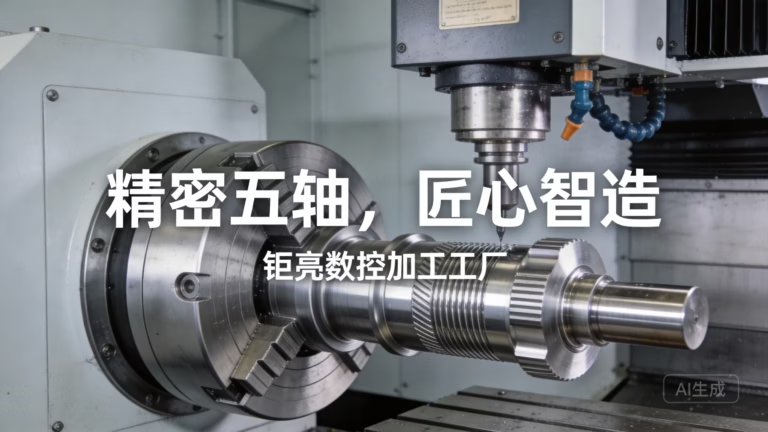
For engineers, designers, and procurement specialists navigating the complex world of custom part manufacturing, the quest for efficiency, precision, and reliability is never-ending. Among the arsenal of modern machining technologies, CNC lathe machine turning services stand as a fundamental and irreplaceable pillar. While flashier technologies like 5-axis machining capture headlines, the humble lathe remains the workhorse for producing a vast array of rotationally symmetric, high-precision components with unmatched efficiency and surface finish. Understanding the nuances, capabilities, and strategic selection of a turning service partner is crucial for transforming raw material into a flawless, functional part.
H2: The Unwavering Core: What Are CNC Lathe Machine Turning Services?
At its essence, CNC lathe turning is a subtractive manufacturing process where a rotating workpiece (typically a bar of metal or plastic) is shaped by a stationary cutting tool. The computer numerical control (CNC) governs the precise movement of the tool along multiple axes, enabling the creation of complex cylindrical geometries—from simple shafts and bushings to intricate fluid valves and connector components.
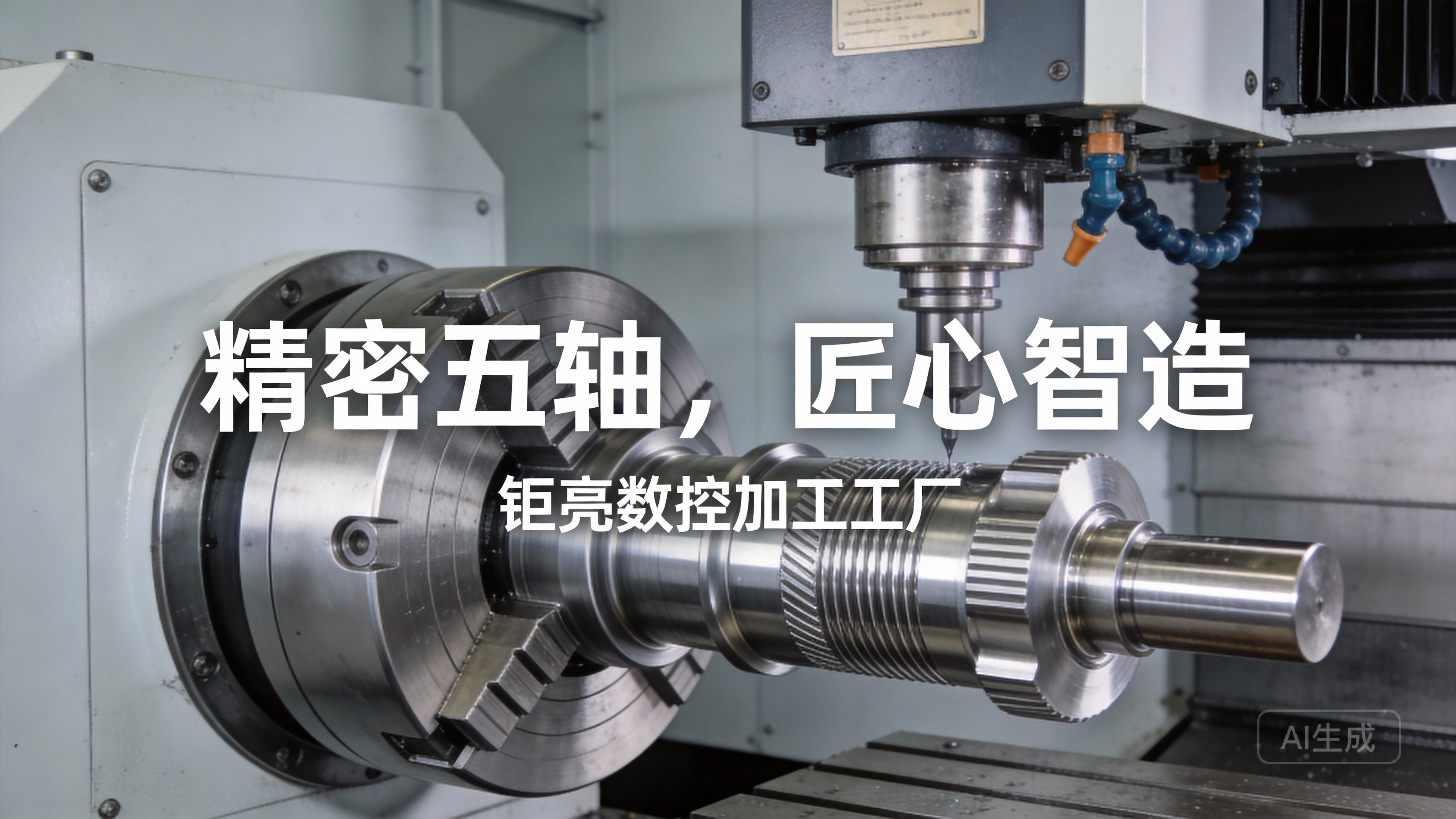
For clients seeking CNC lathe machine turning services, this translates to a solution optimized for parts with a central axis of rotation. The primary advantages are profound:
Superior Surface Finish and Dimensional Accuracy: The continuous cutting motion and single-point tool contact often yield finer surface finishes than milling operations on comparable geometries, critical for sealing surfaces, bearing journals, and aesthetic components.
Exceptional Efficiency for High Volumes: Once programmed, CNC lathes can produce identical parts with relentless consistency and speed, making them ideal for both prototyping and production runs.
Material Versatility: Modern lathes handle everything from easy-to-machine aluminum and brass to challenging materials like stainless steel, titanium, Inconel, and engineered plastics.
Cost-Effectiveness: For rotational parts, turning is almost always more material-efficient and faster than alternative methods, driving down the cost per part.
H2: Beyond Simple Turning: Advanced Capabilities of Modern CNC Lathes
Today’s CNC lathe machine turning services are far more sophisticated than basic cylindrical turning. Premier suppliers like GreatLight Metal invest in advanced machining centers that expand the possibilities:
Mill-Turn Centers (Multi-Axis Turning): These are game-changers. They integrate traditional turning with live tooling (rotating milling tools) and secondary spindles. This allows for completing a part in a single setup—milling flats, drilling cross-holes, cutting keyways, or engraving on the circumference of a turned part. This eliminates multiple machine handlings, drastically improves accuracy (as all features are indexed from a single datum), and accelerates lead times.
Swiss-Type Lathes: Designed for ultra-high-precision, long, slender parts (like medical device components or watch screws), Swiss lathes use a guide bushing to support the bar stock right at the cutting point, minimizing deflection and enabling tolerances within microns.
Y-Axis and C-Axis Capabilities: The addition of a Y-axis allows off-center milling and drilling operations, while precise C-axis control enables indexing the spindle to specific angles for complex feature patterning.
In-Process Measurement and Automation: High-end turning cells incorporate probe systems for in-process gauging and automated part handling/bar feeders, ensuring uninterrupted, lights-out production for large orders.
H3: Critical Pain Points in Sourcing Turning Services and How to Mitigate Them
Choosing a provider for CNC lathe machine turning services involves navigating several common pitfalls:
The “Precision Promise” Gap: A supplier may claim tight tolerances (±0.005mm) but lack the metrology equipment (like high-end CMMs or roundness testers) or process control to verify them consistently across a batch.
Mitigation: Partner with ISO-certified shops like GreatLight Metal that document their capability studies and provide first-article inspection reports with actual measured data.
Limited Scope Leading to Multi-Vendor Hassle: A turning-only shop may produce a superb shaft but cannot machine the required perpendicular gear teeth, forcing you to manage a second supplier for milling, adding logistics, alignment risks, and time.
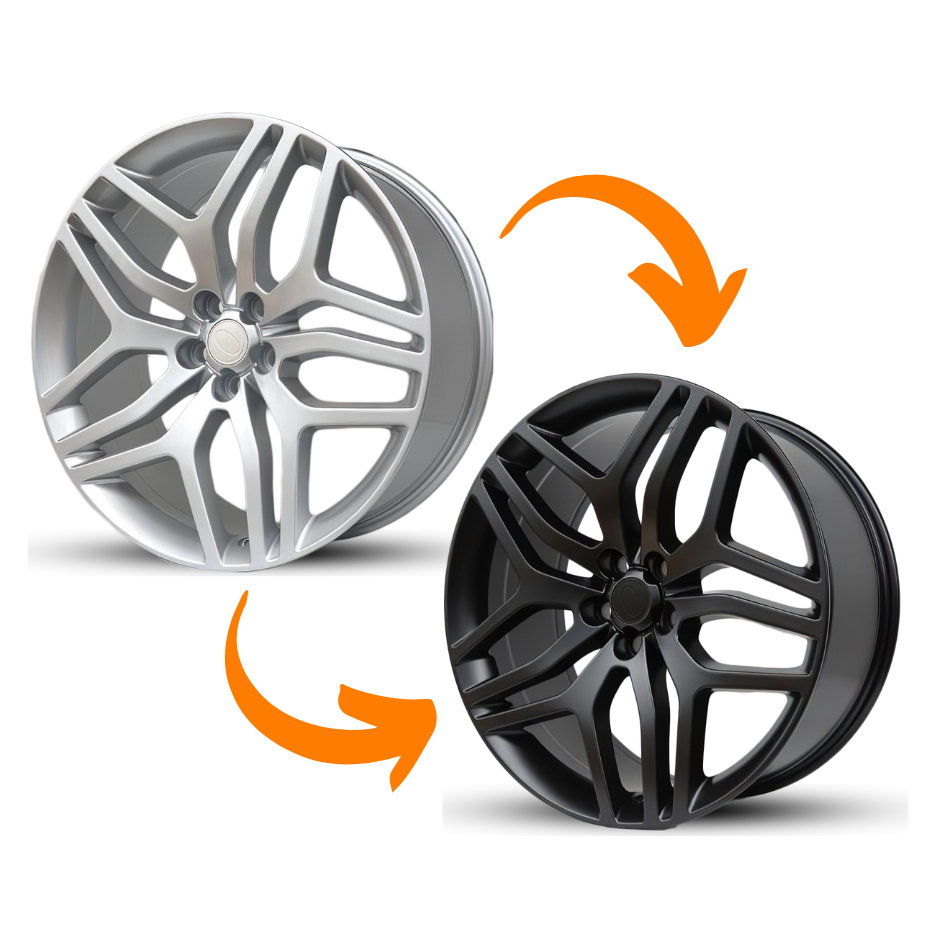
Mitigation: Choose an integrated manufacturer. For instance, at GreatLight Metal, a part can be turned on a high-precision lathe, have features added via live tooling, and move directly to our 5-axis CNC department for any complex, non-rotational geometry—all under one roof, with one quality system.
Material Expertise Deficiency: Improper speeds, feeds, or tooling for exotic alloys can lead to poor surface finish, work hardening, or premature tool failure, resulting in rejected parts and delays.
Mitigation: Evaluate the supplier’s proven track record with your specific material. Established manufacturers maintain detailed machining parameter libraries and have metallurgical knowledge to advise on optimal grades.
Inadequate Post-Processing Support: A perfectly turned part often requires secondary operations—heat treatment for hardness, anodizing for corrosion resistance, or plating for wear resistance. Lack of in-house or reliable partnered finishing services creates coordination bottlenecks.
Mitigation: Opt for a one-stop service provider. GreatLight Metal’s full-process chain includes turning, milling, and a comprehensive suite of surface treatments, ensuring seamless flow and accountability.
H3: Comparative Landscape: Selecting Your Turning Partner
When evaluating providers for CNC lathe machine turning services, it’s instructive to consider the market landscape. Different suppliers occupy different niches based on capability, scale, and service model.
| Provider Type / Example | Typical Strengths | Considerations | Best For |
|---|---|---|---|
| Full-Service Integrated Manufacturer (e.g., GreatLight Metal) | Comprehensive in-house capabilities (Turning, 3-5 Axis Milling, Finishing). Deep engineering support. Strong quality systems (ISO 9001, IATF 16949). Prototype to production. | May have higher minimums for very simple, high-volume-only jobs. | Complex parts requiring multi-process integration, mission-critical applications (auto, aerospace, medical), and clients valuing a single point of accountability. |
| On-Demand Manufacturing Platforms (e.g., Xometry, Fictiv, RapidDirect) | Instant quoting, vast network of suppliers, user-friendly digital interface. Good for simple, standardized parts. | Variable quality dependent on the assigned machine shop. Limited direct engineering collaboration. Can be challenging for highly complex, low-tolerance parts. | Simple to moderately complex prototypes and parts where speed of quote and order placement is the top priority. |
| Specialist High-Volume Turn Shops | Extremely competitive pricing for large runs of specific part types. Highly optimized for dedicated processes. | Limited flexibility for design changes or low volumes. Often lack secondary processing capabilities. | High-volume production of established, design-stable rotational components. |
| Specialist Medical/Micro-Machining Shops (e.g., Owens Industries) | Unmatched expertise in ultra-tight tolerances and biocompatible materials for medical devices. | Premium pricing. Focus is narrow, may not be suited for larger industrial parts. | Life-critical medical implants and instrumentation requiring the utmost precision and certification. |
H2: The GreatLight Metal Advantage: A Synergistic Approach to Precision Turning
Why does an integrated manufacturer like GreatLight Metal stand out in providing CNC lathe machine turning services? The answer lies in synergy. We don’t view turning as an isolated operation but as a pivotal step within a holistic manufacturing workflow.
Equipment Synergy: Our workshop floors are populated with Dema and other brand-name CNC lathes, including advanced mill-turn centers. These are complemented by our extensive 5-axis CNC machining centers. This means a component requiring a precisely turned bore and a complex sculpted exterior can be programmed and manufactured with optimal process planning, often minimizing setups and maximizing accuracy.
Process Synergy: From the initial bar stock to the finished part, every stage is controlled. The part turned in our lathe department can move directly to our heat treatment facility, then to our CNC milling station for added features, and finally to our anodizing or plating line. This vertical integration eliminates external dependencies, reduces lead times, and gives us complete control over quality.
Engineering Synergy: Our engineers don’t just read a drawing; they evaluate it for manufacturability (DFM). For a turned part, this might involve suggesting a slight radius change to improve tool life, recommending a more machinable alloy grade, or proposing a redesign that allows for completion in one setup on a mill-turn machine, saving you cost and time.
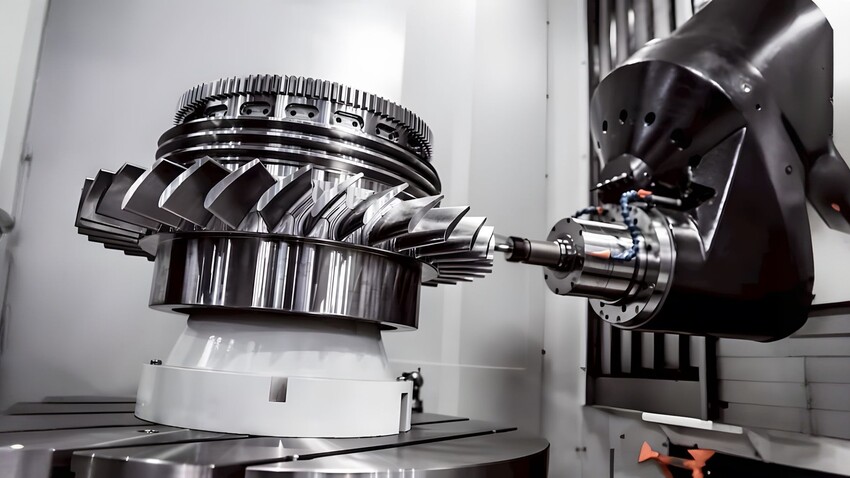
H3: A Practical Workflow: From Concept to Delivered Part
Engaging with a professional service for CNC lathe machine turning services typically follows a streamlined, collaborative path:
RFQ & Design Review: You submit your 3D CAD model and drawings. A manufacturing engineer analyzes the design for turnability, suggests DFM improvements, and requests material preferences.
Process Planning & Quotation: Based on the final design, our planners select the appropriate machine (standard lathe, mill-turn, Swiss-type), determine the sequence of operations, calculate machining time, and provide a formal quote with lead time.
Programming & Setup: CNC programmers create the machine-specific code, and technicians select the optimal tooling and fixtures. A first-article part is produced.
Rigorous Inspection: The first article undergoes full-dimension inspection using coordinate measuring machines (CMM), micrometers, and surface finish testers. A detailed report is generated for your approval.
Production & Finishing: Upon your approval, the production run commences. Post-machining, parts move to any specified finishing processes within our facility.
Final QC & Delivery: A final quality check is performed before parts are carefully packaged and shipped, with all inspection documentation included.
Conclusion: Turning Precision into Partnership
In the meticulous world of precision parts creation, CNC lathe machine turning services represent more than just a machining step; they are a testament to fundamental manufacturing excellence. The choice of your turning partner directly impacts the quality, cost, and timeliness of your final product. While many shops can operate a lathe, the true differentiator lies in integrated capabilities, systemic quality assurance, and proactive engineering partnership.
For projects demanding not just a turned component but a reliable, precision-crafted solution that fits seamlessly into a larger assembly or a demanding application, partnering with a full-service, technically adept manufacturer is the most strategic decision. It transforms a simple procurement transaction into a collaborative engineering venture, ensuring that every diameter, thread, and surface finish is not just to print, but to a standard of excellence that drives your product’s success. Discover how a dedicated partnership can elevate your next project by connecting with industry leaders like those at GreatLight Metal.



















