
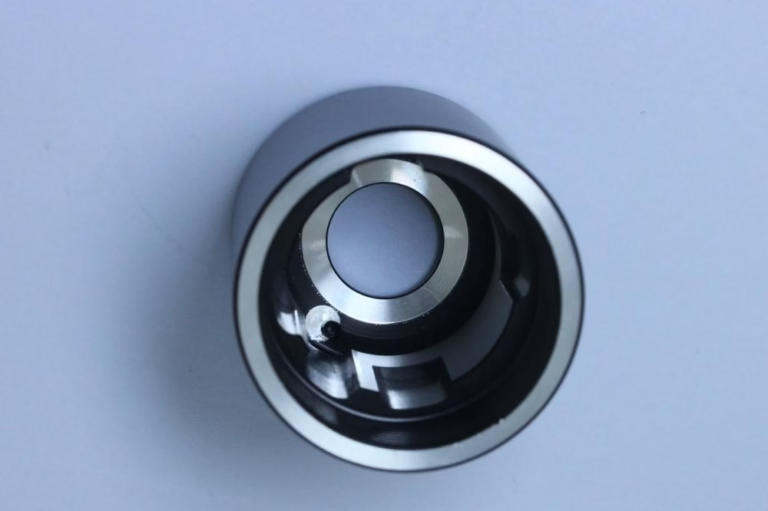
The question of whether a production line at CNC precision machining has three stations is an excellent starting point to demystify modern manufacturing workflows. While the image of a linear, station-based assembly line is common in high-volume production, in the world of high-mix, low-volume, and ultra-precise CNC precision machining, the process is better understood as a highly flexible and integrated sequence of critical phases, rather than fixed physical stations.
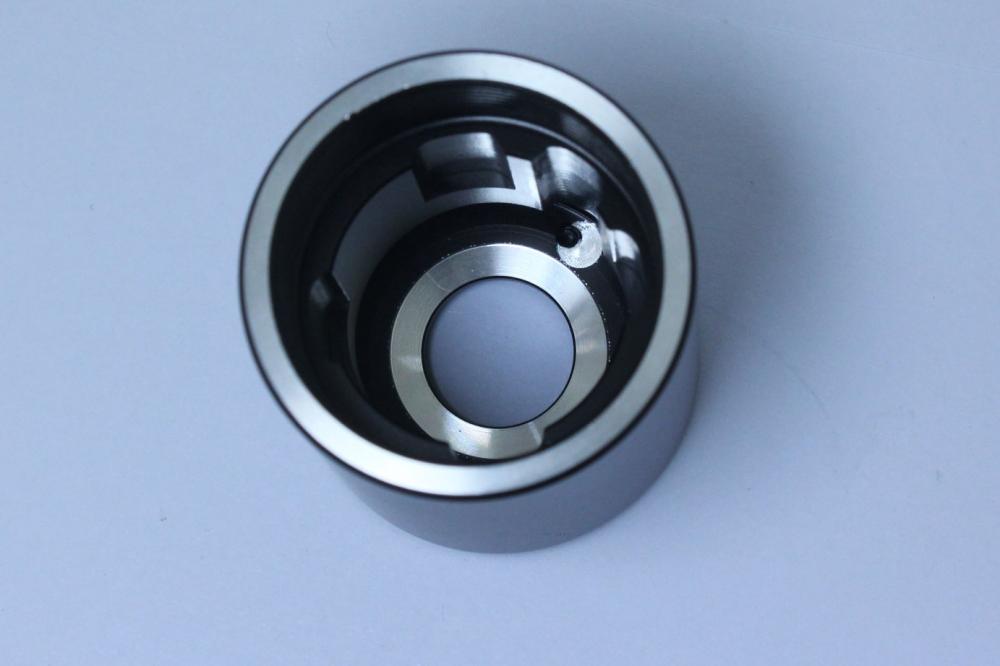
At its most fundamental, the journey of a precision part from a digital blueprint to a finished component can be distilled into three core operational phases: Pre-Production Engineering, Machining Operations, and Post-Processing & Verification. Let’s explore what each of these “stations” or phases entails and why this systematic approach is crucial for success.
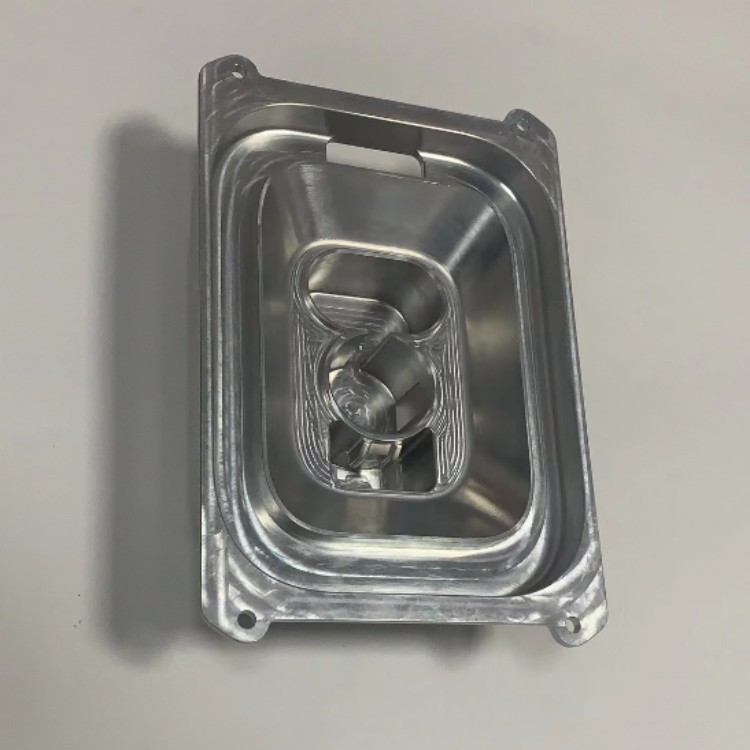
Phase 1: The Foundational “Station” – Pre-Production Engineering & Planning
This is the intellectual cornerstone of any successful precision machining project. Skipping or rushing this phase is the primary cause of delays, cost overruns, and quality failures.
Design for Manufacturability (DFM) Analysis: This is where true engineering partnership begins. A skilled manufacturer like GreatLight Metal doesn’t just accept a CAD file; they analyze it. Engineers scrutinize the design for potential machining challenges—such as inaccessible internal corners, unnecessarily tight tolerances that inflate cost, or thin walls prone to vibration. They provide actionable feedback to optimize the part for manufacturability without compromising its function.
Process Planning & Toolpath Programming: Using advanced CAM (Computer-Aided Manufacturing) software, programmers create the precise instructions (G-code) that will drive the CNC machines. This involves:
Selecting the optimal machining sequence (e.g., roughing, semi-finishing, finishing).
Choosing the correct cutting tools, feed rates, and spindle speeds.
Simulating the entire machining process virtually to detect and eliminate potential collisions or errors before a single piece of material is touched.
Fixture & Workholding Design: For complex parts, especially in 5-axis CNC machining, designing a custom fixture is often necessary. This fixture must securely hold the raw material or partially machined part in multiple orientations, ensuring rigidity and repeatability without interfering with the tool’s path.
Phase 2: The Core “Station” – Machining Operations & In-Process Control
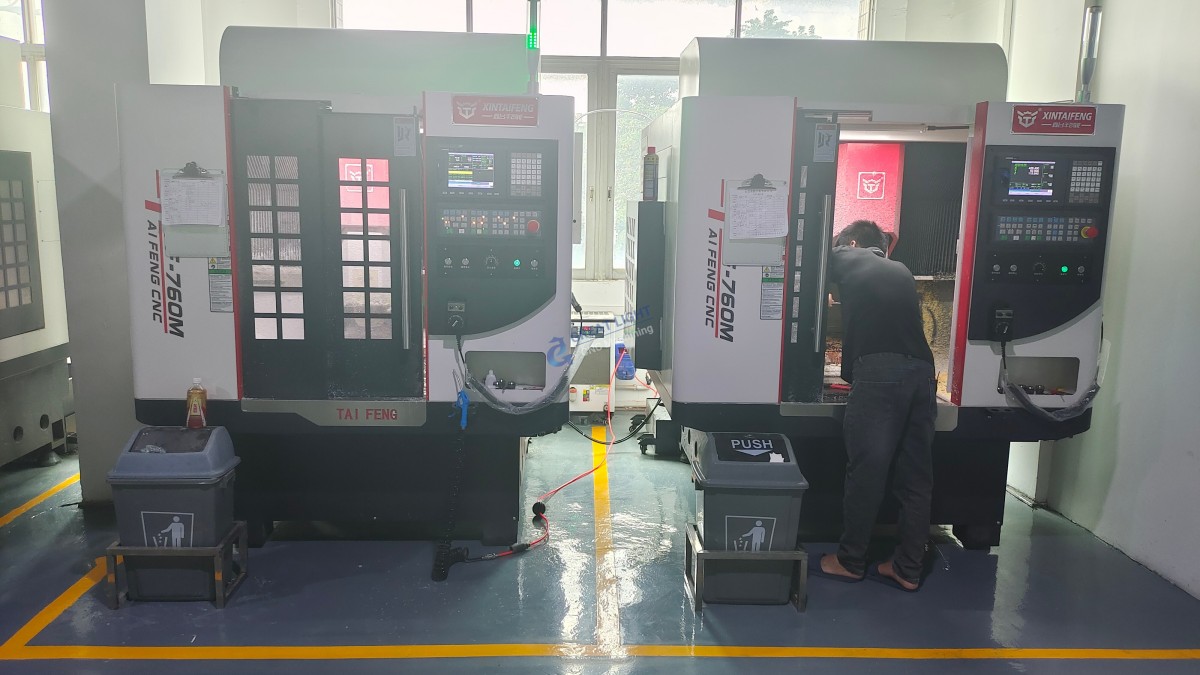
This is the physical execution phase, where the digital plan meets material. It’s rarely a single machine or “station,” but a coordinated dance of advanced equipment.
Material Preparation & Setup: The approved raw material (aluminum, stainless steel, titanium, engineering plastic) is precisely cut to size. The CNC machine is meticulously set up: the correct fixture is mounted, tools are loaded into the automatic tool changer, and the workpiece is securely positioned. This setup process is critical for achieving first-part accuracy.
Multi-Axis Machining Execution: This is where capabilities truly diverge. A factory equipped with 3-axis, 4-axis, and 5-axis CNC machining centers can handle vastly different complexities.
3-Axis: Efficient for simpler parts, but may require multiple setups.
5-Axis: The pinnacle for complex, monolithic components. It allows the cutting tool to approach the workpiece from virtually any direction in a single setup, enabling the machining of intricate contours, deep cavities, and undercuts that are impossible with fewer axes. This significantly reduces setup time, improves accuracy by minimizing repositioning errors, and allows for better surface finishes.
In-Process Quality Control (IPQC): This is not an afterthought but an integrated activity. Skilled machinists and quality technicians perform interim measurements using touch probes on the machine itself or with handheld gauges. This real-time verification ensures the process is in control and allows for immediate adjustments, preventing a batch of defective parts from being completed.
Phase 3: The Final “Station” – Post-Processing, Finishing, and Final Validation
A part fresh off the CNC machine is often not “finished.” This phase adds functionality, aesthetics, and provides the ultimate quality assurance.
Deburring and Surface Finishing: Sharp edges and microscopic burrs left from machining are carefully removed. A wide range of surface finishes can be applied, from basic bead blasting or brushing to precision anodizing, plating, powder coating, or polishing to a mirror finish.
Secondary Operations: Some parts require additional processes that aren’t performed on the primary CNC mill or lathe. This can include:
Precision grinding for achieving sub-micron tolerances or superior surface finish on critical features.
Electrical Discharge Machining (EDM) for creating intricate shapes in ultra-hard materials.
Heat treatment (e.g., annealing, tempering, case hardening) to alter the material’s mechanical properties.
Silk-screening, laser etching, or assembly with other components.
Final Quality Assurance & Certification: Every part undergoes a final, rigorous inspection. This typically involves:
Coordinate Measuring Machine (CMM) Inspection: For complex geometries, a CMM uses a sensitive probe to collect thousands of data points from the physical part and compare them directly to the original CAD model, generating a comprehensive inspection report.
Functional Testing: Testing seal fits, assembly with mating parts, or other application-specific checks.
Documentation: A detailed inspection report, material certifications, and a certificate of conformity are packaged with the parts, providing full traceability—a non-negotiable requirement in industries like medical (ISO 13485) and automotive (IATF 16949).
Conclusion: It’s a System, Not Just Stations
So, does a production line at CNC precision machining have three stations? Conceptually, yes—it operates through three definitive, interlinked phases of Engineering, Machining, and Verification. However, in practice, it is a dynamic, technology-driven system. The choice and sequence of equipment within these phases are dictated by the part’s complexity. The greatest value a manufacturer like GreatLight Metal provides is seamlessly orchestrating this entire system—leveraging deep engineering expertise, a comprehensive equipment portfolio (from 5-axis CNC machining to 3D printing), and a rigorous, certified quality management system to transform your design into a flawless, high-performance component, on time and within budget.
Frequently Asked Questions (FAQ)
Q1: For a simple bracket, do I still need to go through all three phases?
A: Yes, but the intensity of each phase scales with complexity. For a simple part, the DFM analysis might be quick, the machining may be done on a 3-axis mill in one setup, and post-processing might only involve deburring. The structured framework ensures nothing is overlooked, even for “simple” jobs, guaranteeing consistency and reliability.
Q2: How does 5-axis CNC machining change this “three-station” flow?
A: 5-axis CNC machining profoundly impacts Phases 1 and 2. In Phase 1, it allows for more innovative and consolidated part designs. In Phase 2, it often consolidates what would have been multiple setups across several machines into one, reducing handling, improving overall accuracy, and shortening lead times. It makes the workflow more efficient and capable.
Q3: Who is responsible for the fixture design in Phase 1?
A: This is a core service of a full-service machine shop. A partner like GreatLight Metal takes full responsibility for designing, manufacturing, and qualifying all necessary fixtures and tooling as part of the project planning. This expertise is critical for machining complex parts reliably.
Q4: How can I be sure my parts will meet the quality promised after Phase 3?
A: Trust is built on transparency and system certifications. Insist on a supplier with ISO 9001:2015 certification for their quality management system. For regulated industries, look for ISO 13485 (medical) or IATF 16949 (automotive). Always request and review the final inspection reports (like CMM data) before shipment to have objective proof of conformity.
Q5: What’s the biggest risk if a manufacturer skips or shortens Phase 1 (Engineering)?
A: The risk is “garbage in, garbage out.” Without a thorough DFM and process plan, you risk parts that cannot be machined as designed, require expensive and time-consuming redesigns mid-production, or fail to meet functional requirements. Investing time in Phase 1 virtually always saves significant time and cost in Phases 2 and 3.



















