
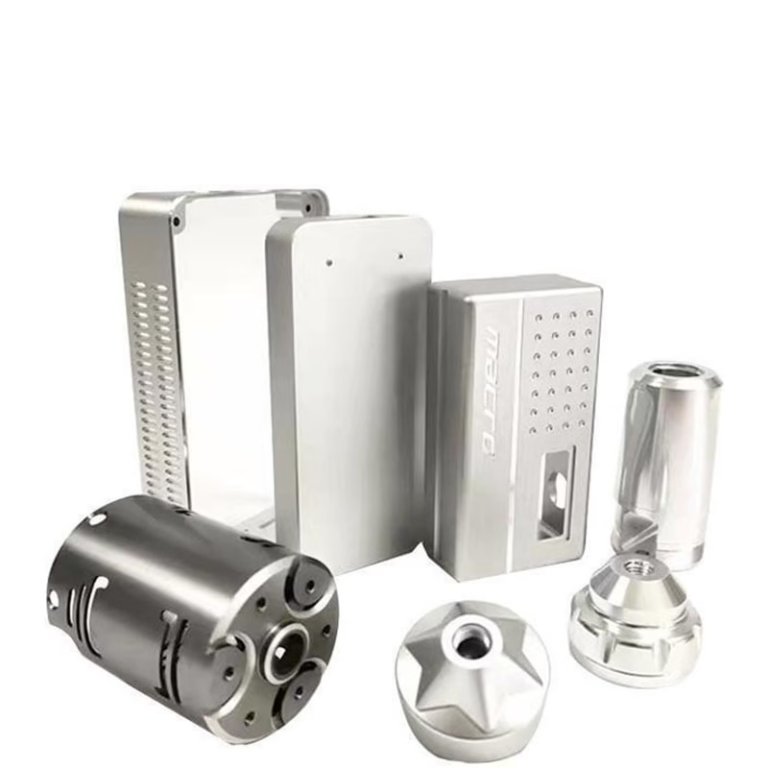
When clients approach us with the question, “What is the best CNC machine?”, the underlying need is clear: they are seeking the most reliable and efficient path to transform their精密零件 (precision parts) designs into flawless reality. However, the answer is not a single machine model. The “best” CNC machine is the one that is perfectly matched to your specific part’s geometry, material, tolerance requirements, production volume, and budget, operated within a manufacturing ecosystem that guarantees consistent quality.
As a precision manufacturing partner, we at GreatLight Metal believe that selecting a machine is less about chasing brand names and more about understanding a fundamental principle: the machine is a tool, and its ultimate value is realized through the engineering expertise, process control, and quality systems that surround it.
The Core Principle: There Is No Universal “Best”
Imagine asking, “What is the best vehicle?” The answer differs vastly for a city courier, a family on a road trip, or a Formula 1 team. Similarly, in CNC machining:
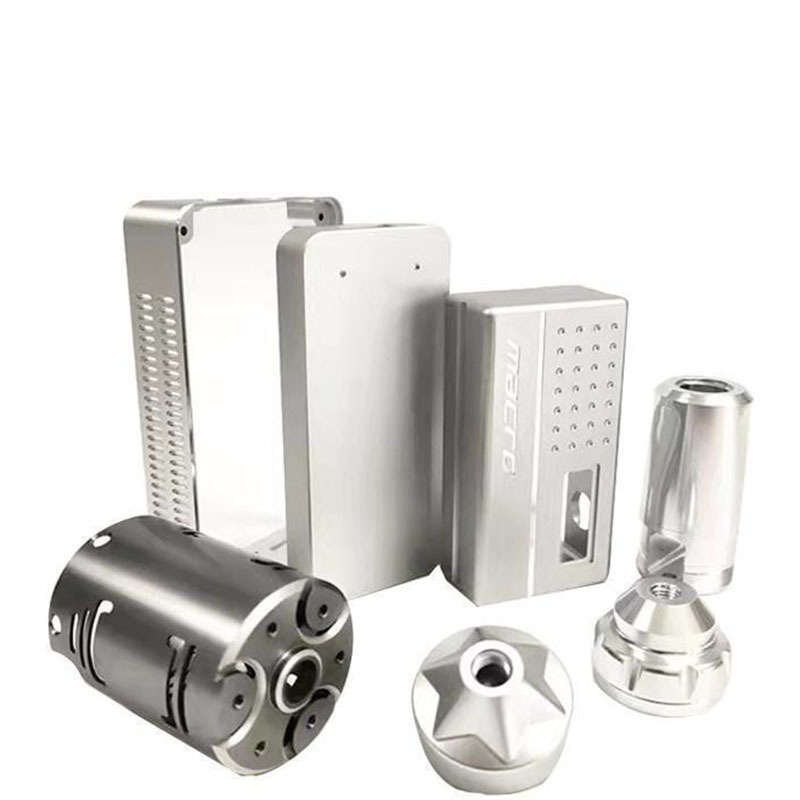
A high-volume producer of simple brackets will prioritize speed and uptime on a dedicated 3-axis machine.
A medical device developer creating a titanium spinal implant will demand the ultra-precision and complex contouring of a 5-axis machine.
A job shop handling diverse prototypes needs versatility and quick setup times.
Therefore, the search shifts from “best machine” to “most suitable machining solution.”
Key Dimensions for Evaluating a CNC Machining Solution
To navigate this decision, consider these critical dimensions, which align perfectly with how a professional manufacturer like GreatLight Metal structures its capabilities.
H3: 1. Axis Configuration: The Foundation of Geometric Capability
3-Axis CNC: The workhorse. The cutting tool moves in linear X, Y, and Z axes. Ideal for prismatic parts (milling faces, pockets, holes) where machining is required on essentially one side at a time. It offers excellent accuracy and surface finish for a vast range of components. For many applications, this is the most cost-effective and efficient choice.
4-Axis CNC: Adds a rotational axis (usually the A-axis), allowing the workpiece to rotate. This is transformative for machining features around a cylinder (e.g., cam profiles, helical grooves) without multiple re-fixturings, significantly improving accuracy and reducing cycle time for concentric parts.
5-Axis CNC: The pinnacle of simultaneous machining. It adds two rotational axes (e.g., A/B or B/C), allowing the cutting tool to approach the workpiece from virtually any direction in a single setup. This is non-negotiable for:
Complex, organic shapes (aerospace blisks, impellers, prosthetics).
Parts requiring precision on multiple compound angles.
Dramatically reducing setups, which minimizes cumulative error and handling time.
Using shorter cutting tools for better rigidity, allowing higher speeds and achieving superior surface finishes.
At GreatLight Metal, our investment in advanced 5-axis, 4-axis, and 3-axis machining centers from leading brands like Dema and Beijing Jingdiao is not for show. It is a strategic portfolio that allows our engineers to dispassionately select the simplest, most robust, and most economical process to meet your specification, never forcing a part onto an unnecessarily complex machine.
H3: 2. Workpiece Envelope, Power, and Material Compatibility
The “best” machine must physically accommodate your part.
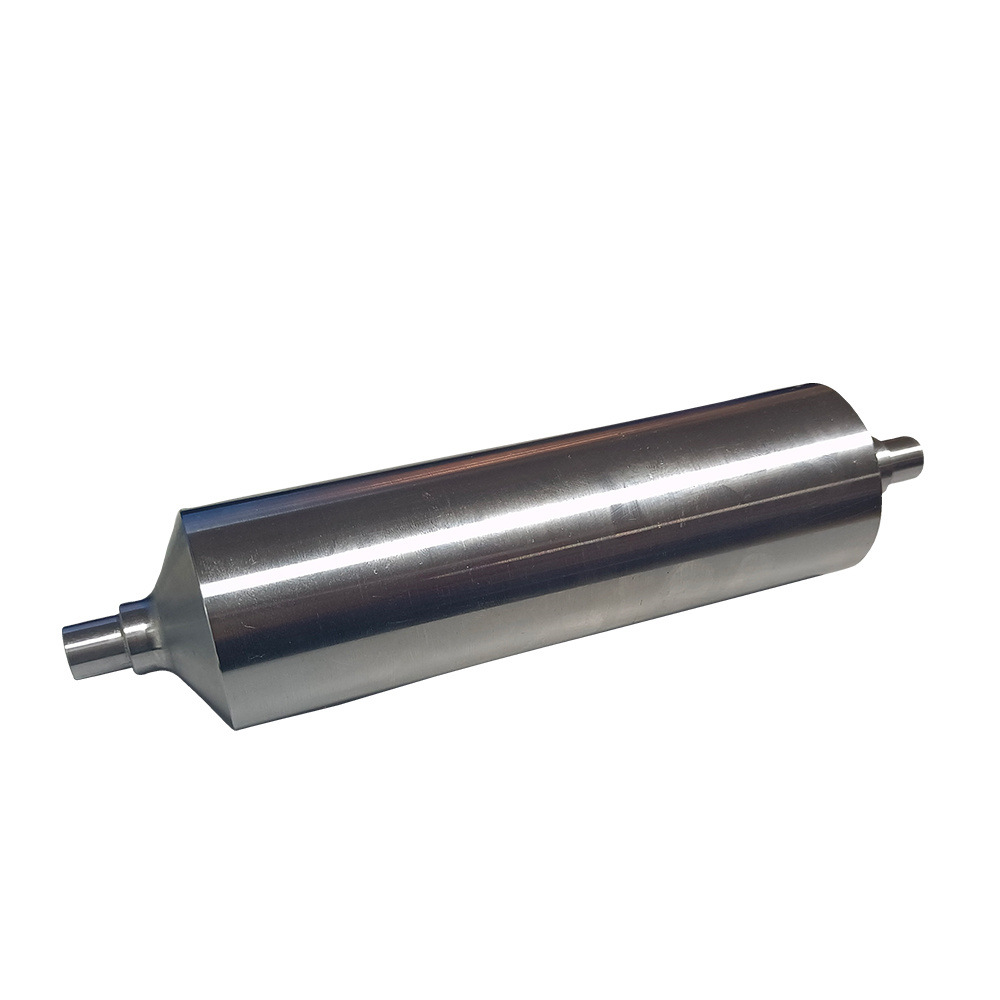
Table Size and Travel: Can it hold your largest dimension? Our equipment ranges from compact precision mills to large-format machines capable of handling parts up to 4000mm.
Spindle Power and Torque: Machining hardened steel or titanium requires a robust, high-torque spindle. Aluminum and plastics can be machined efficiently with high-speed spindles.
Coolant and Chip Management: Effective evacuation of heat and chips is critical for dimensional stability, tool life, and surface integrity, especially in long production runs.
H3: 3. Precision and Repeatability: The True Measure of Quality
This is where manufacturer capability diverges from machine specification. A machine may have a theoretical positioning accuracy of ±0.001mm, but can the shop hold that consistently across 10,000 parts?
Metrology is Key: The true “best” machine is paired with an even better measurement system. In-house CMMs, laser scanners, and surface profilometers are essential for closed-loop verification. Our ISO 9001:2015 certified system mandates this validation, ensuring the precision promise on paper is delivered on the part.
Thermal Stability & Foundation: High-precision machining requires a controlled environment. Temperature fluctuations and vibration can destroy accuracy. Professional facilities invest in climate control and proper machine foundations.
H3: 4. The Surrounding Ecosystem: Where the Real Value is Created
A world-class machine in an inadequate ecosystem is a wasted investment. The “best” solution includes:
Engineering Support (DFM): Expert machinists who can review your design and suggest subtle modifications to enhance manufacturability, reduce cost, and improve performance without compromising intent.
Tooling and Fixturing: A vast library of cutting tools and custom, precision fixtures that hold the part securely and precisely, which is half the battle for quality.
End-to-End Process Chain: Can the supplier also handle the necessary heat treatment, surface finishing (anodizing, plating, painting), or quality inspection? GreatLight Metal’s model as a one-stop integrated manufacturer eliminates coordination headaches and ensures accountability through the entire process.
Conclusion: The Best Choice is a Strategic Partnership
So, what is the best CNC machine? It is the one deployed within a manufacturing partner whose technical depth, quality ethos, and service mindset align with your project’s critical demands. It is less about the individual tool and more about the system of precision it operates within.
For clients seeking not just a quote but a reliable pathway to perfect parts, the choice becomes clear: partner with a manufacturer like GreatLight Metal. We don’t just operate machines; we manage a precision engineering process. From initial DFM through to final delivery, our combination of multi-axis capabilities, stringent IATF 16949 (automotive) and ISO 13485 (medical) compliant quality systems, and full-process integration ensures that the most suitable machining technology is applied to your project with unwavering consistency. This holistic approach transforms the question from “What machine?” to “How can we best make this part?”—a shift that reliably leads to superior outcomes.
Frequently Asked Questions (FAQ)
Q1: For a startup with a complex prototype, is a 5-axis CNC always the best choice?
A: Not necessarily. While 5-axis is powerful, for a one-off prototype, the cost and programming time may be excessive. A skilled engineer might achieve the same result through clever fixturing on a 3-axis machine or by combining 3-axis machining with a precise post-process assembly. A good partner will analyze your design and recommend the most cost-effective route to a functional prototype.
Q2: How much does the “best” high-precision CNC machining service cost?
A: Cost is a function of part complexity, material, quantity, and required tolerances. A simple aluminum bracket will cost far less than a miniature, tight-tolerance titanium medical component. The most economical choice is often the simplest process that reliably meets all specifications. Transparent partners provide detailed quotations that break down costs, helping you understand the value drivers.
Q3: I’m machining an exotic alloy. What machine features are most important?
A: For materials like Inconel or titanium, look for a partner with machines equipped with high-pressure coolant through the spindle, rigid constructions to dampen vibration, and experience with specific toolpaths and speeds/feeds for that material. Material expertise is as crucial as the machine hardware.
Q4: Can one supplier reliably handle both my low-volume prototyping and future high-volume production?
A: This is a key advantage of partners like GreatLight Metal. We use similar, often identical, high-precision machines for both prototyping and production. This ensures a seamless transition—the proven prototype process can be directly scaled, eliminating re-qualification risks and ensuring the production parts match the prototype’s performance.
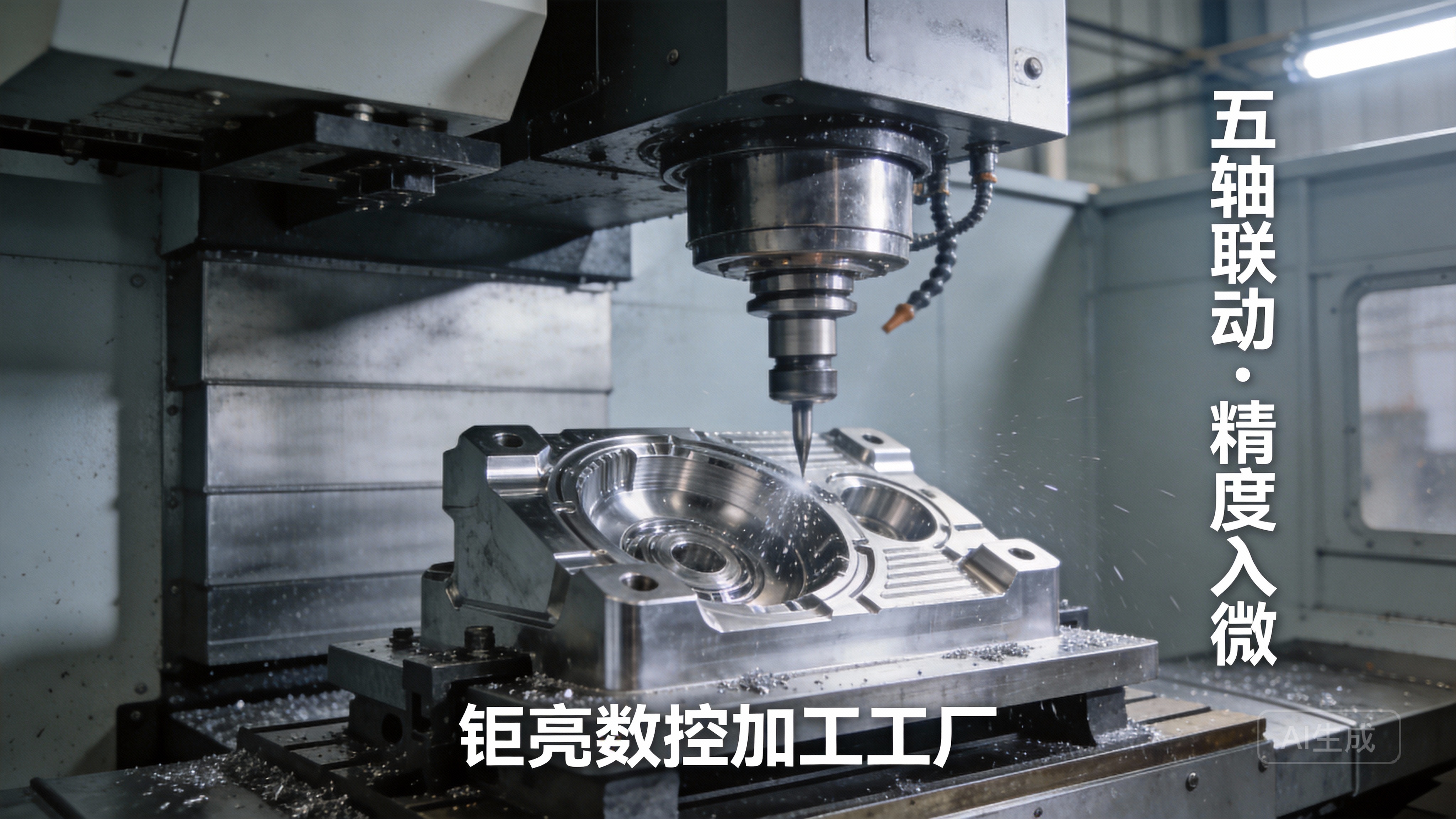
Q5: Beyond the machine, what certifications should I look for in a precision machining supplier?
A: Critical certifications include ISO 9001 for quality management systems, IATF 16949 for automotive supply, and ISO 13485 for medical devices. These are not just certificates; they are evidence of a systematic, documented, and audited approach to quality control, traceability, and continuous improvement—essential for risk mitigation in critical industries. To see how such standards translate into professional practice and industry engagement, you can explore the profile of leaders in the field on platforms like https://www.linkedin.com/company/great-light/.



















