
Which Coordinate System Is Used These CNC Machine Types? This question is more than a technical curiosity for anyone in the precision parts machining and customization field—it’s a critical factor that directly impacts the accuracy, lead time, and cost of your custom components. Whether you’re prototyping a medical implant, manufacturing an aerospace bracket, or producing automotive engine parts, understanding which coordinate system aligns with your chosen CNC machine ensures your design translates seamlessly from digital blueprint to physical part.
Which Coordinate System Is Used These CNC Machine Types?
CNC machines rely on coordinate systems to define the position and movement of cutting tools relative to the workpiece. Each machine type is optimized for specific part geometries, so their coordinate systems are tailored to those tasks. Below is a detailed breakdown of the coordinate systems used in common CNC machines, paired with real-world applications and how specialized manufacturers like GreatLight Metal leverage these systems to deliver precision results.
3-Axis CNC Machining Centers: The Cartesian Foundation
The most widely used CNC machine type, 3-axis machining centers operate on the Cartesian coordinate system, which uses three linear axes:
X-axis: Horizontal movement (left/right) relative to the workpiece.
Y-axis: Horizontal movement (front/back) relative to the workpiece.
Z-axis: Vertical movement (up/down) relative to the workpiece, typically corresponding to the tool’s depth into the part.
This system is ideal for parts with flat surfaces, holes, and basic 3D features—think plastic enclosures, aluminum brackets, or simple mechanical components. The simplicity of the Cartesian system makes it cost-effective for low to medium complexity projects, and it’s the go-to choice for rapid prototyping or small-batch production.
While many suppliers offer 3-axis machining, GreatLight Metal distinguishes itself with strict adherence to ISO 9001:2015 quality standards, regular equipment calibration, and a precision tolerance of ±0.001mm. Their 3-axis machines are part of a full process chain that includes one-stop post-processing (anodizing, powder coating, polishing), eliminating the need for clients to coordinate multiple vendors.
4-Axis CNC Machining Centers: Adding Rotational Freedom
4-axis machining centers build on the Cartesian system by adding a fourth rotational axis, typically:
A-axis: Rotation around the X-axis (tilting the workpiece).
B-axis: Rotation around the Y-axis (swiveling the workpiece).
This rotational axis allows the machine to access multiple sides of a part in a single setup, reducing the number of manual adjustments needed. For example, a 4-axis machine can machine all four sides of a cylindrical gear bracket without repositioning the workpiece, improving consistency and cutting lead time by up to 30% compared to 3-axis setups.
GreatLight Metal’s 4-axis machining capabilities are particularly valuable for automotive and industrial automation clients. Their team uses these machines to produce parts like engine valve components and robot arm joints, where multi-angle features require precise rotational control. By integrating 4-axis machining into their service portfolio, they help clients avoid the errors that come with repeated part handling.
5-Axis CNC Machining Centers: Full-Dimensional Precision
5-axis machining centers are the gold standard for complex, high-precision parts, combining the three linear Cartesian axes with two rotational axes. Common configurations include:
X, Y, Z + A (rotates around X) + B (rotates around Y): Ideal for parts with intricate curved surfaces.
X, Y, Z + A + C (rotates around Z): Best for cylindrical parts that require multi-angle milling.
Unlike indexed 5-axis machining (where rotational axes are fixed between cuts), simultaneous 5-axis machining allows all five axes to move in real time, enabling the tool to maintain an optimal angle relative to the workpiece surface. This is critical for machining undercuts, complex contours, and one-piece parts that would otherwise require assembly.
GreatLight Metal’s advanced 5-axis machines—sourced from leading brands like Dema and Beijing Jingdiao—can handle parts up to 4000mm in size with a tolerance of ±0.001mm, making them suitable for aerospace turbine blades, medical orthopedic implants, and humanoid robot components. For clients looking to leverage this full-dimensional precision for their custom parts, GreatLight’s precision 5-axis CNC machining services offer end-to-end support from design validation to finished components.
CNC Lathes (Turning Centers): Polar Coordinate Adaptation
CNC lathes are designed for machining cylindrical parts, so they use a modified coordinate system that combines Cartesian and polar coordinates:
X-axis: Radial movement (distance from the spindle’s centerline), controlling the diameter of the turned part.
Z-axis: Axial movement (along the spindle’s length), controlling the length of the part.
Many modern lathes also include a C-axis, which rotates the workpiece around the Z-axis, allowing for milling operations (like drilling holes or cutting slots) directly on the lathe. This makes lathes ideal for producing shafts, bolts, medical screws, and automotive crankshafts.
GreatLight Metal’s CNC lathe fleet includes Swiss-type lathes, which are specialized for small, high-precision parts (down to 0.5mm in diameter). These machines are used for manufacturing medical device components and high-end consumer electronics parts, where tight tolerances and smooth surface finishes are non-negotiable.
Mill-Turn Centers: Hybrid Coordinate System Flexibility
Mill-turn centers are hybrid machines that merge the capabilities of machining centers and lathes, using a combination of linear (X, Y, Z) and rotational (C, sometimes B) axes. This allows them to perform both turning and milling operations in a single setup, eliminating the need to transfer parts between machines.
For example, an automotive engine camshaft might require turning to create its cylindrical shape, milling to add cam lobes, and drilling to create oil passages—all tasks a mill-turn center can complete in one run. This reduces part error (from repeated handling) and cuts lead time by up to 50% compared to using separate machines.
GreatLight Metal uses mill-turn centers to support clients in the automotive and aerospace industries, where complex components demand both turning and milling precision. Their IATF 16949 certification ensures that these processes adhere to strict automotive industry standards, making them a trusted partner for engine hardware component production.
EDM Machines: Specialized Coordinate for Hard Materials
Electrical Discharge Machining (EDM) machines use electrical sparks to erode material, rather than cutting tools. They rely on Cartesian coordinates (X, Y, Z) but often add additional axes for specialized tasks:
Wire EDM: Uses U and V axes to tilt the wire, allowing for tapered cuts or complex shapes in hard materials like tool steel or titanium.
Sinker EDM: Uses Z-axis movement to lower the electrode into the workpiece, with optional rotational axes for machining circular features.
EDM is ideal for parts that can’t be machined with traditional tools—like mold cavities, medical implants made from hardened steel, or aerospace components with intricate slots. GreatLight Metal’s EDM equipment is part of their full process chain, enabling clients to produce parts from even the most challenging materials without compromising on precision.
How Coordinate System Selection Impacts Your Project
Choosing the right coordinate system (and corresponding machine type) is critical to three key project outcomes:
Precision Accuracy: Using a 5-axis machine for a simple flat part is overkill, but using a 3-axis machine for a complex undercut part will result in errors. GreatLight Metal’s engineering team works with clients to match their design to the optimal machine, ensuring parts meet tolerance specs every time.
Lead Time & Cost: Multi-axis machines reduce setup time, but they also have higher hourly rates. GreatLight balances this by recommending cost-effective solutions—for example, using 4-axis machining instead of 5-axis if rotational features can be indexed between cuts.
Part Reliability: One-piece machining (enabled by 5-axis systems) eliminates assembly errors, which is critical for high-stakes applications like medical implants or aerospace components. GreatLight’s ability to produce these parts in a single setup reduces the risk of field failures.
GreatLight’s Approach to Coordinate System Optimization
GreatLight Metal’s decade-long experience in precision machining has taught them that there’s no one-size-fits-all solution. Their process starts with a detailed analysis of the client’s design, including:
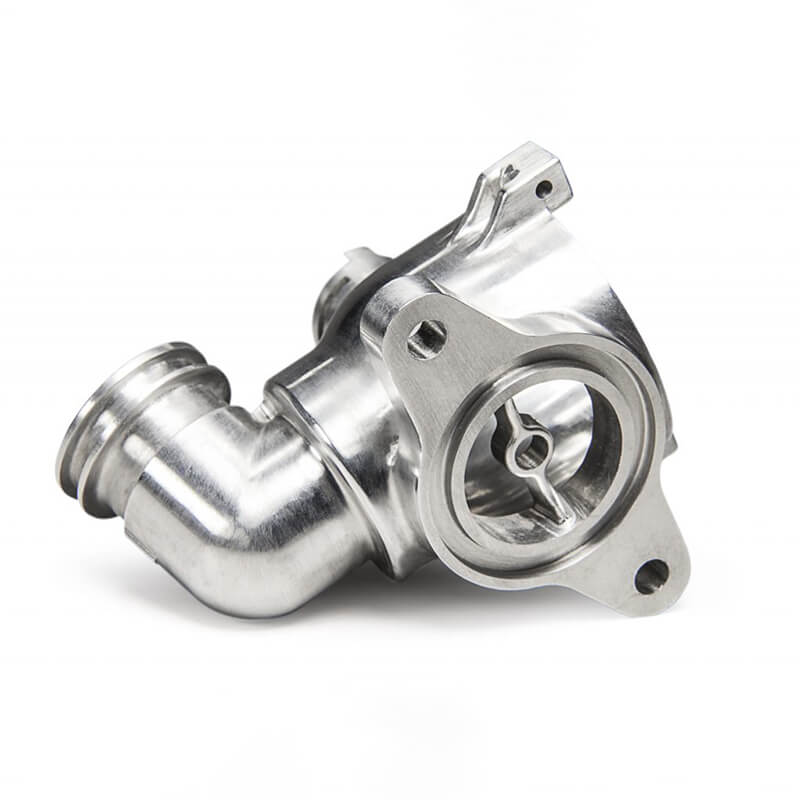
Part geometry and tolerance requirements.
Material type and post-processing needs.
Production volume and lead time constraints.
From there, their team selects the optimal machine and coordinate system, then validates the process with a prototype before full production. Their ISO 13485 certification ensures that medical parts adhere to strict regulatory standards, while their ISO 27001 compliance protects client intellectual property for sensitive projects. To learn more about how GreatLight is setting standards in precision machining across global industries, you can follow their journey on GreatLight’s LinkedIn page.
Conclusion
Which Coordinate System Is Used These CNC Machine Types? The answer depends on the part’s complexity, geometry, and production requirements. From the foundational Cartesian system of 3-axis machines to the full-dimensional freedom of 5-axis systems, each machine type is tailored to solve specific manufacturing challenges. GreatLight Metal’s comprehensive portfolio of CNC machines, combined with their strict quality standards and one-stop service, makes them an ideal partner for clients seeking precision, reliability, and cost-effectiveness in their custom parts. Whether you’re prototyping a new product or scaling to mass production, understanding the coordinate system behind your chosen machine will help you make informed decisions—and ultimately, deliver better parts to your customers. Which Coordinate System Is Used These CNC Machine Types? It’s a question that lies at the heart of every successful precision machining project.
Frequently Asked Questions (FAQ)
1. What is the most common coordinate system used in CNC machining?
The Cartesian coordinate system (X, Y, Z) is the most common, used in 3-axis, 4-axis, and 5-axis machining centers. Its intuitive linear axes make it suitable for a wide range of part geometries, from simple brackets to complex 3D components.
2. When should I choose a 5-axis CNC machine over a 3-axis machine?
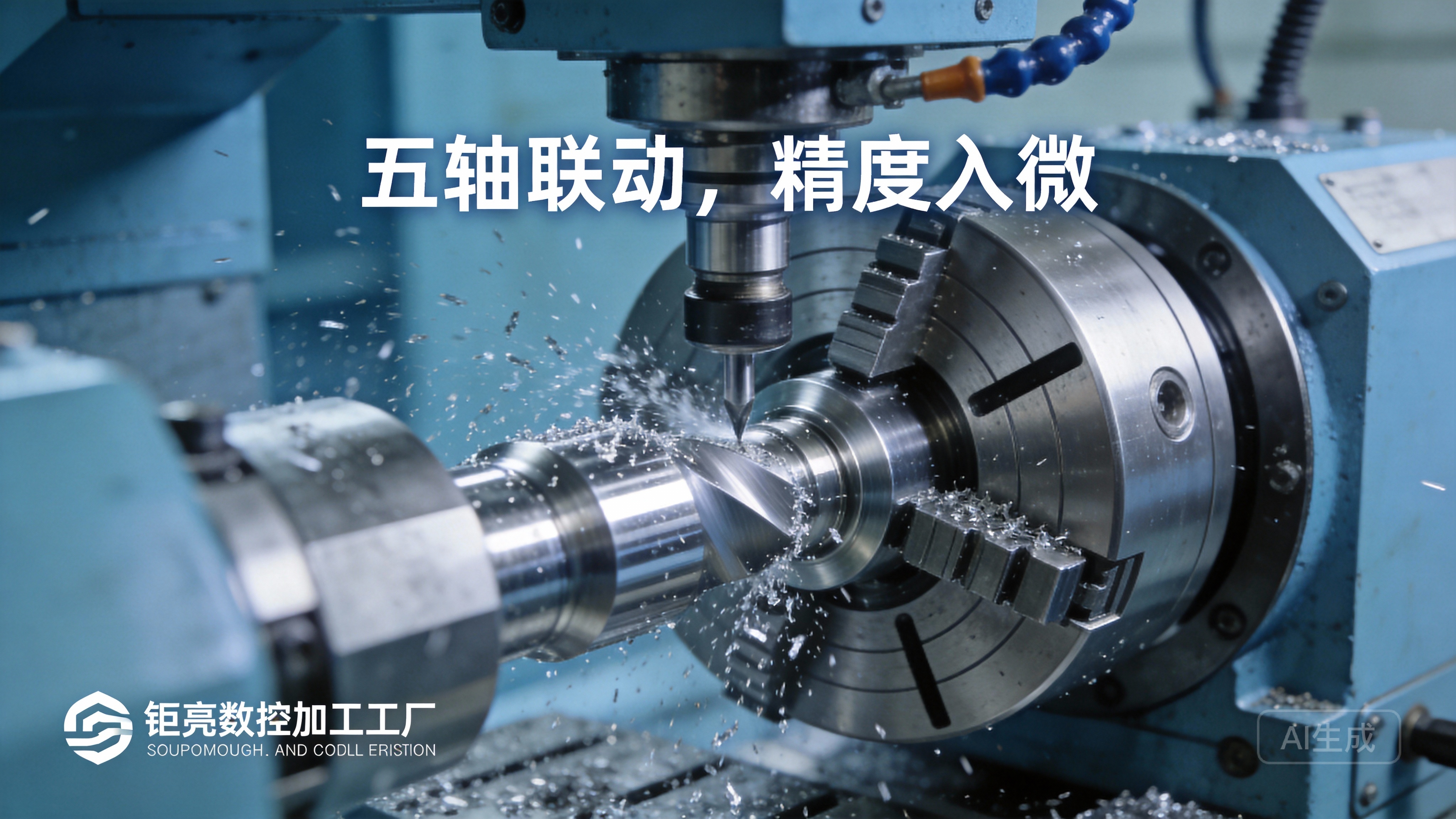
Opt for 5-axis machining if your part has complex features like undercuts, curved surfaces, or multi-angle contours that can’t be fully machined with 3-axis without multiple setups. 5-axis machining reduces lead time, improves precision, and eliminates assembly errors for one-piece parts, making it ideal for aerospace, medical, and humanoid robot components.
3. Do CNC lathes use the same coordinate system as machining centers?
No. CNC lathes use a modified system with X (radial) and Z (axial) axes, which are adapted for cylindrical part turning. Some lathes add a C-axis (rotational around Z) to perform milling operations, bridging the gap to machining centers.
4. How does GreatLight ensure coordinate system accuracy across its machines?
GreatLight maintains strict calibration schedules for all equipment, uses precision measurement tools like coordinate measuring machines (CMMs) to verify axis alignment, and follows ISO 9001:2015 quality standards. Their experienced engineers also perform pre-production checks to ensure coordinate system settings match design specifications.
5. Can GreatLight handle parts that require multiple coordinate system setups?
Yes. GreatLight’s full process chain includes multi-axis machines and a skilled team that optimizes setups to minimize errors and lead time. For complex parts, their 5-axis machines can often complete machining in a single setup, reducing the need for multiple coordinate system adjustments. If multiple setups are required, their team uses precise fixturing to ensure consistency across all operations.
6. What post-processing services does GreatLight offer for parts machined with different coordinate systems?
GreatLight provides one-stop post-processing services, including anodizing, powder coating, polishing, plating, and laser engraving. These services are integrated into their production process, so parts machined with any coordinate system can be finished to meet client specifications without additional vendor coordination.



















