
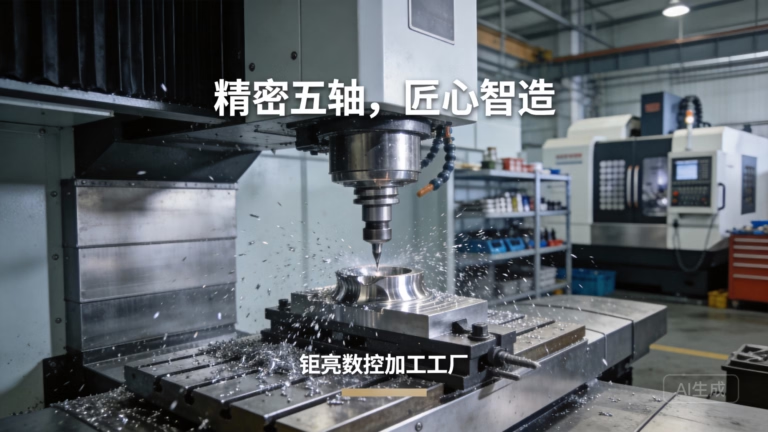
In the dynamic world of modern manufacturing, CNC (Computer Numerical Control) machines are the indispensable engines of innovation, transforming digital designs into tangible, high-precision reality. For businesses and engineers seeking reliable partners for precision parts machining and customization, understanding the landscape of CNC machine types is more than academic—it’s a crucial step in selecting the right manufacturing process for their specific challenges. This comprehensive guide will dissect the primary types of CNC machines, their unique capabilities, and how they converge in advanced manufacturing ecosystems like that of GreatLight Metal Tech Co., LTD. to deliver unparalleled solutions.
H2: The Foundational Triad: Core CNC Machine Types
Most precision machining needs are met by three fundamental types of CNC machines, each mastering a specific axis of material removal.
H3: 1. CNC Milling Machines
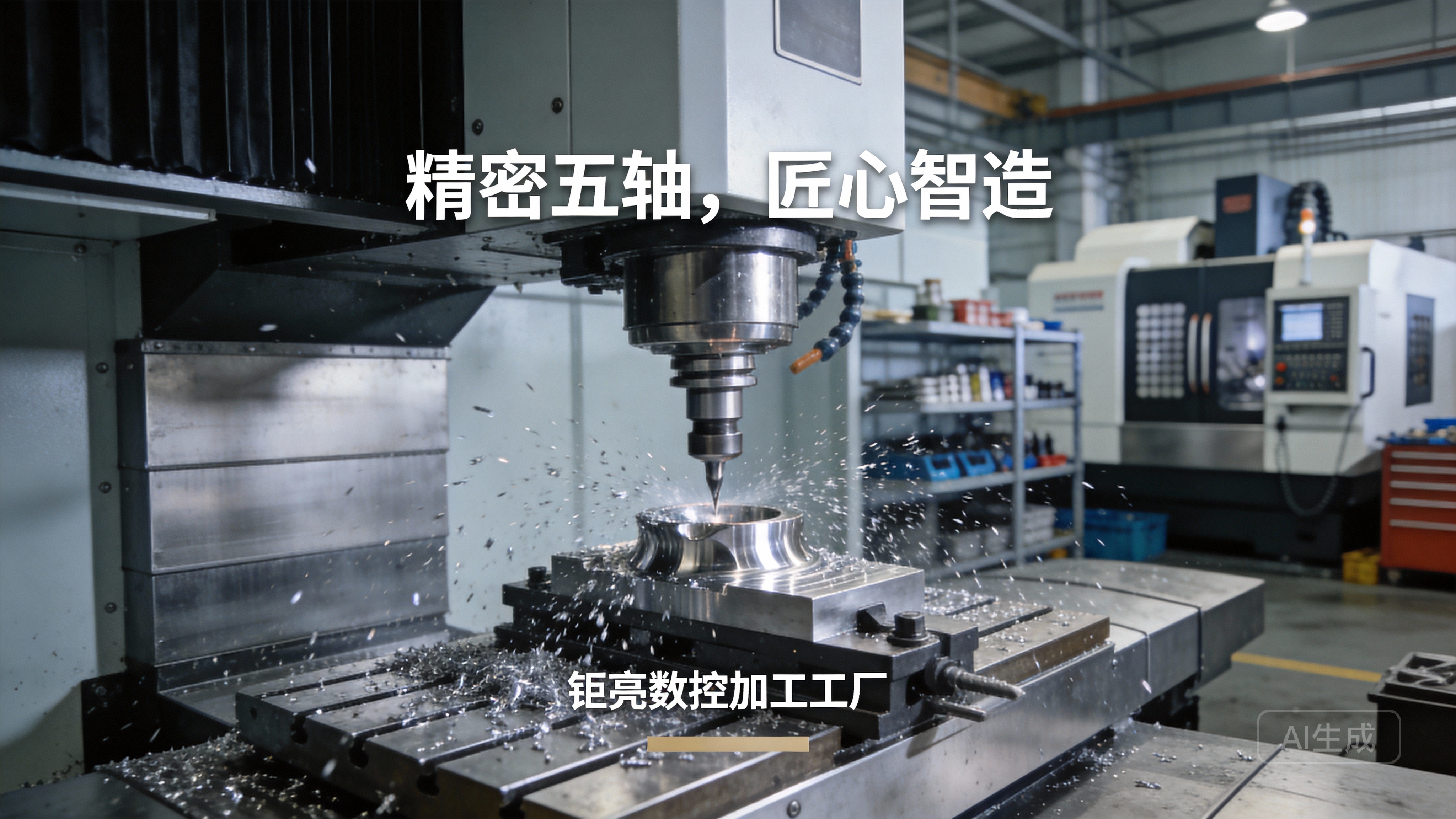
CNC Mills are the workhorses of the industry, utilizing rotating multi-point cutting tools to remove material from a stationary workpiece. They are exceptionally versatile for creating complex features like slots, pockets, contours, and 3D surfaces.
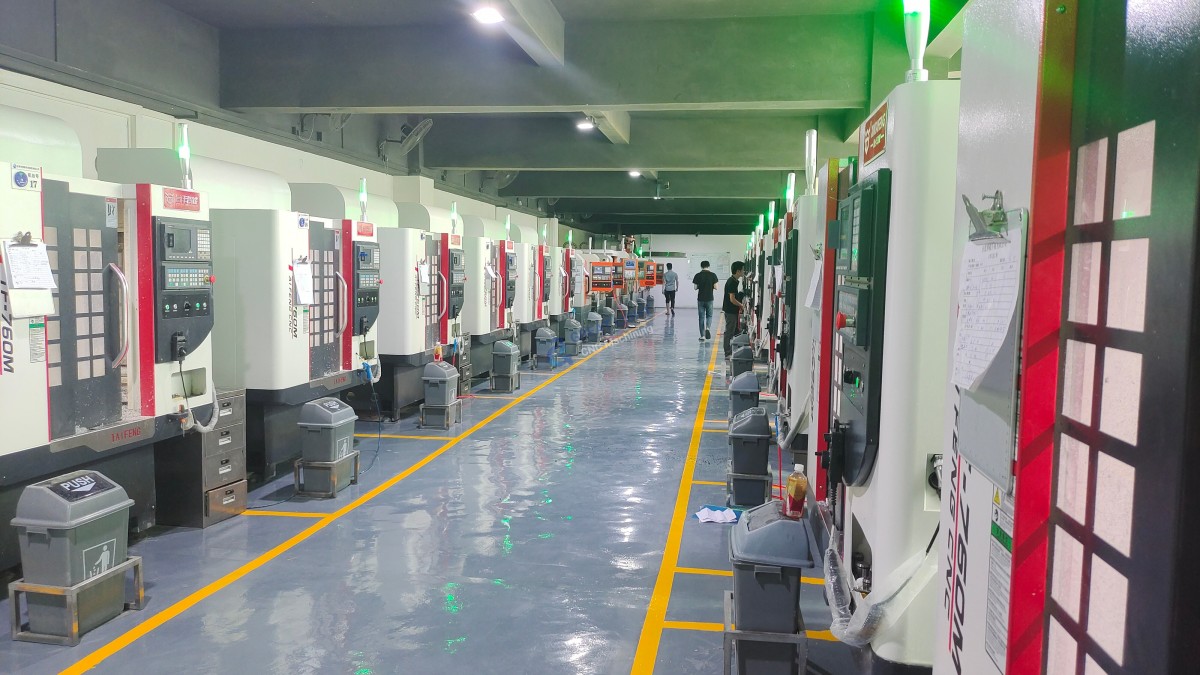
3-Axis CNC Mills: The most common entry point. They move the cutting tool or workpiece along the linear X, Y, and Z axes. Ideal for prismatic parts where machining is required on one face at a time. While highly capable, parts with deep cavities or complex undercuts may require multiple setups.
4-Axis CNC Mills: Add a rotary axis (typically the A-axis), allowing the workpiece to rotate. This enables machining on multiple sides of a part in a single setup, dramatically improving accuracy for cylindrical parts (e.g., camshafts, helical gears) and reducing production time.
5-Axis CNC Mills: The pinnacle of milling technology. They integrate two additional rotary axes (e.g., A and B, or B and C), allowing the cutting tool to approach the workpiece from virtually any direction in a single setup. This is critical for precision 5-axis CNC machining of complex geometries found in aerospace components (turbine blades), medical implants, and intricate molds.
H3: 2. CNC Turning Centers (Lathes)
CNC Lathes specialize in producing rotationally symmetric, or “turned,” parts. The workpiece rotates at high speed while a single-point cutting tool is traversed along its length to create diameters, tapers, threads, and grooves.
2-Axis CNC Lathes: Handle fundamental turning operations along the Z-axis (length) and X-axis (radius).
Multi-Axis Mill-Turn Centers: These are game-changers. They combine turning capabilities with live tooling (rotating milling and drilling tools) and additional axes, allowing a part to be completely machined—turned, milled, drilled—in one sophisticated “done-in-one” operation. This eliminates errors from multiple machine setups and is a staple for producing complex fittings, fluid connectors, and drive components.
H3: 3. CNC Grinding Machines
For applications demanding the highest levels of surface finish and dimensional accuracy (often in the micron or sub-micron range), CNC Grinders are essential. They use an abrasive grinding wheel to remove minute amounts of material.
CNC Surface & Cylindrical Grinders: Used for achieving ultra-precise flat surfaces, external diameters, and internal bores on hardened materials like tool steels and ceramics, which are often too hard for conventional milling or turning.
H2: Specialized & Advanced CNC Platforms
Beyond the core triad, specialized CNC machines address niche but critical manufacturing needs.
CNC Electrical Discharge Machining (EDM): Uses controlled electrical sparks to erode material, capable of machining extremely hard metals or creating intricate, delicate shapes that would break a conventional cutting tool. Wire EDM is exceptional for cutting complex 2D profiles and precision stamping dies.
CNC Laser Cutting Machines: Utilize a high-power laser to vaporize material, offering unparalleled speed and precision for cutting sheet metal, plastics, and composites with minimal heat-affected zones.
CNC Waterjet Cutters: Employ an ultra-high-pressure stream of water, often mixed with abrasive grit, to cut through virtually any material (metal, stone, glass, composites) without generating heat, preserving the material’s intrinsic properties.
H2: The Synergy of Capabilities: Why the Machine Portfolio Matters for Your Project
For a client, the choice isn’t about a single machine, but about a supplier’s integrated manufacturing ecosystem. This is where a partner like GreatLight Metal distinguishes itself. Their capability is not defined by one machine type, but by the strategic orchestration of an entire advanced machine park.
Solving the “Precision Black Hole”: A supplier with only 3-axis mills might struggle with a complex aerospace bracket, requiring multiple fixturing steps that introduce cumulative error. GreatLight Metal, with its Dema and Beijing Jingdiao 5-axis CNC machining centers, can produce such a part in a single setup, guaranteeing the ±0.001mm precision promised on the drawing.
Optimizing for Efficiency and Cost: A prototype sensor housing might start as a 3D-printed SLA model from their in-house printers for form-and-fit testing. The final production run of aluminum housings could be efficiently handled on their 4-axis mills, while the internal titanium sensor mount requires the capabilities of their 5-axis machines. This seamless internal workflow, governed by ISO 9001:2015 protocols, ensures the most efficient and cost-effective path for each component.
Tackling Material and Geometry Challenges: A project requiring a hardened steel injection mold core with fine details would leverage their CNC EDM machines after rough milling. A subsequent need for ultra-smooth bearing surfaces on that core would be fulfilled by their precision CNC grinders. This full-process chain capability eliminates the need for clients to manage multiple, disparate suppliers.
Conclusion
Navigating the types of CNC machines—from foundational milling and turning to advanced 5-axis and specialized EDM—reveals a critical truth in precision parts machining and customization: the most successful outcomes are born not from a single machine, but from the intelligent application of a comprehensive, synergistic manufacturing toolkit. Partners like GreatLight Metal exemplify this principle. By housing a deep bench of advanced equipment under one roof and coupling it with rigorous quality systems like IATF 16949 for automotive and ISO 13485 for medical hardware, they transform the client’s challenge from “Can this be made?” to “How optimally can we make this?”.
For your next project, look beyond specifications to the strategic manufacturing intelligence behind the machines. The right partner will possess not just the tools, but the expertise to select and sequence them perfectly, ensuring your vision is realized with uncompromising precision, reliability, and efficiency.
Frequently Asked Questions (FAQ)
Q1: For a new product prototype, which type of CNC machine is most suitable?
A: It depends on the geometry and material. For complex, organic shapes, 5-axis CNC milling is often ideal as it minimizes setups. For cylindrical parts, a CNC lathe or mill-turn center is best. Reputable manufacturers like GreatLight Metal offer Design for Manufacturability (DFM) analysis to recommend the optimal process, often combining rapid prototyping methods like 3D printing with CNC machining for speed and fidelity.
Q2: What’s the real difference between 3-axis, 4-axis, and 5-axis machining in terms of my part’s cost and quality?
A: While 5-axis machines have a higher hourly rate, they often reduce total cost for complex parts by completing them in one setup, eliminating manual repositioning errors and secondary operations. The primary benefit is enhanced quality and accuracy, as part datum is maintained throughout machining. 3-axis is cost-effective for simpler parts, while 4-axis offers a balance for parts with features around a cylinder.
Q3: Can CNC machines work with all materials?
A: Modern CNC machines are incredibly versatile. They can process a vast range, including:
Metals: Aluminum, stainless steel, titanium, brass, copper, tool steels, Inconel.
Plastics: ABS, PEEK, Delrin, Nylon, Polycarbonate.
Composites: CFRP, G10.
The key is matching the machine’s capability (like rigidity and torque) and the correct cutting tools to the material’s properties (hardness, abrasiveness, thermal conductivity).
Q4: How do I ensure the CNC supplier can actually achieve the precision my drawing calls for?
A: Scrutinize their quality management certifications (ISO 9001) and inspection capability. Ask about their in-house metrology equipment—high-end suppliers use CMMs (Coordinate Measuring Machines), optical comparators, and surface profilers. Review their documented Quality Control Process and request evidence of capability for similar tolerance levels.
Q5: What are the advantages of choosing a full-service manufacturer over a workshop with a single machine type?
A: A full-service manufacturer provides integrated project management, streamlined communication, and guaranteed supply chain continuity. They can optimize the manufacturing strategy across different processes (e.g., casting + machining + finishing), ensuring consistency and reducing lead times. This holistic approach, as practiced by industry leaders, mitigates risk and adds significant value. For ongoing industry insights and updates from such a partner, you can follow their professional journey on platforms like LinkedIn.



















